Environmental-Friendly PDQ Displays: Trends for 2026
Businesses are adopting eco-friendly packing options, which is causing big changes in the market. Eco-friendly PDQ display units are becoming important parts of modern store tactics because they are good for the environment and work well for marketing. Biodegradable materials, recycled porous cardboard, and plant-based plastics are used in these displays to make powerful point-of-purchase displays with as little damage to the environment as possible. As sustainability continues to shape the global marketplace in 2026 and beyond, environmental concerns, evolving customer expectations, and corporate commitments to greener operations are driving innovation in this field like never before. As a result, eco-friendly display solutions are becoming not only environmentally responsible choices but also strategically important investments for businesses.
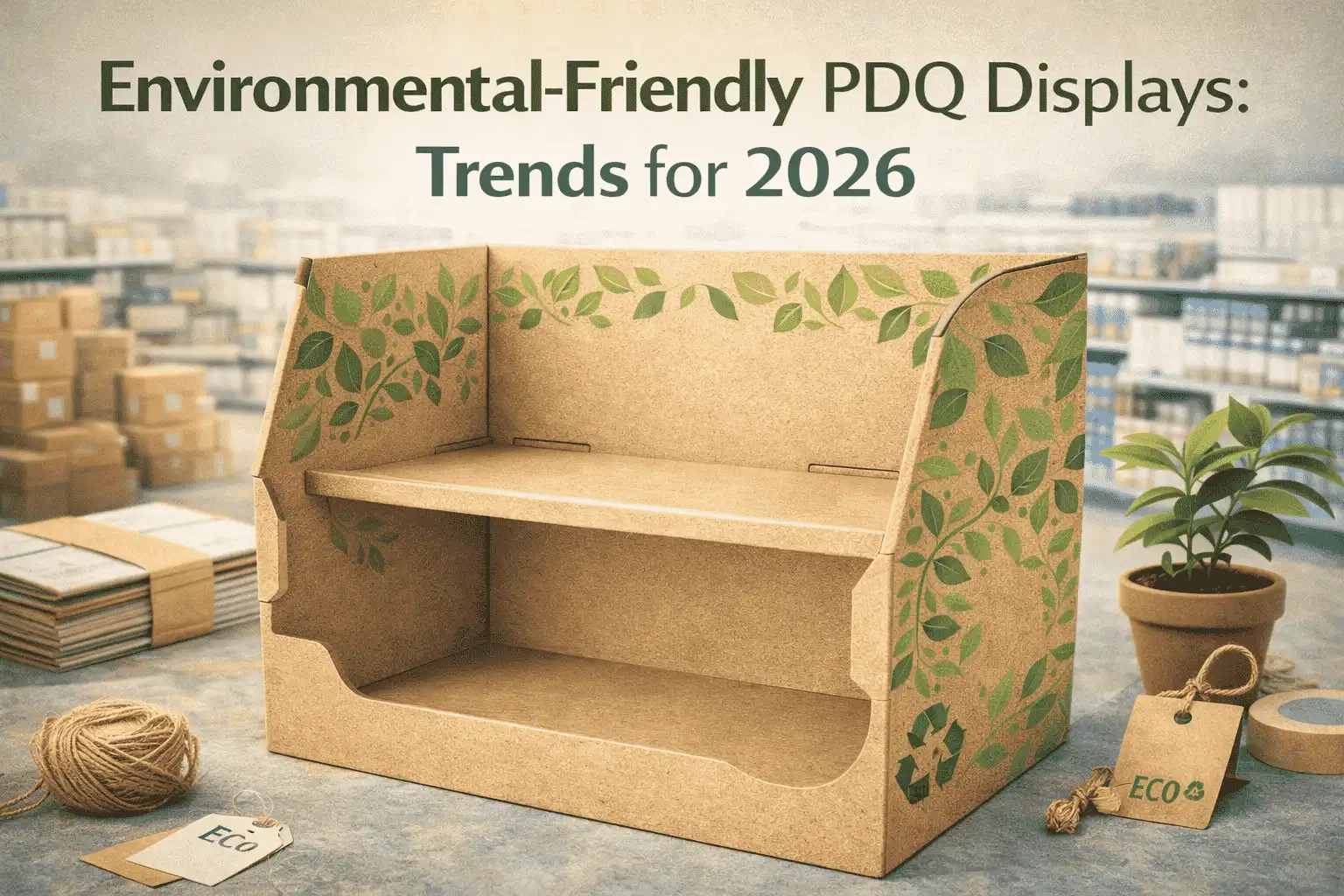
Understanding Eco-Friendly PDQ Displays: Definitions and Benefits
What Makes PDQ Displays Environmentally Friendly?
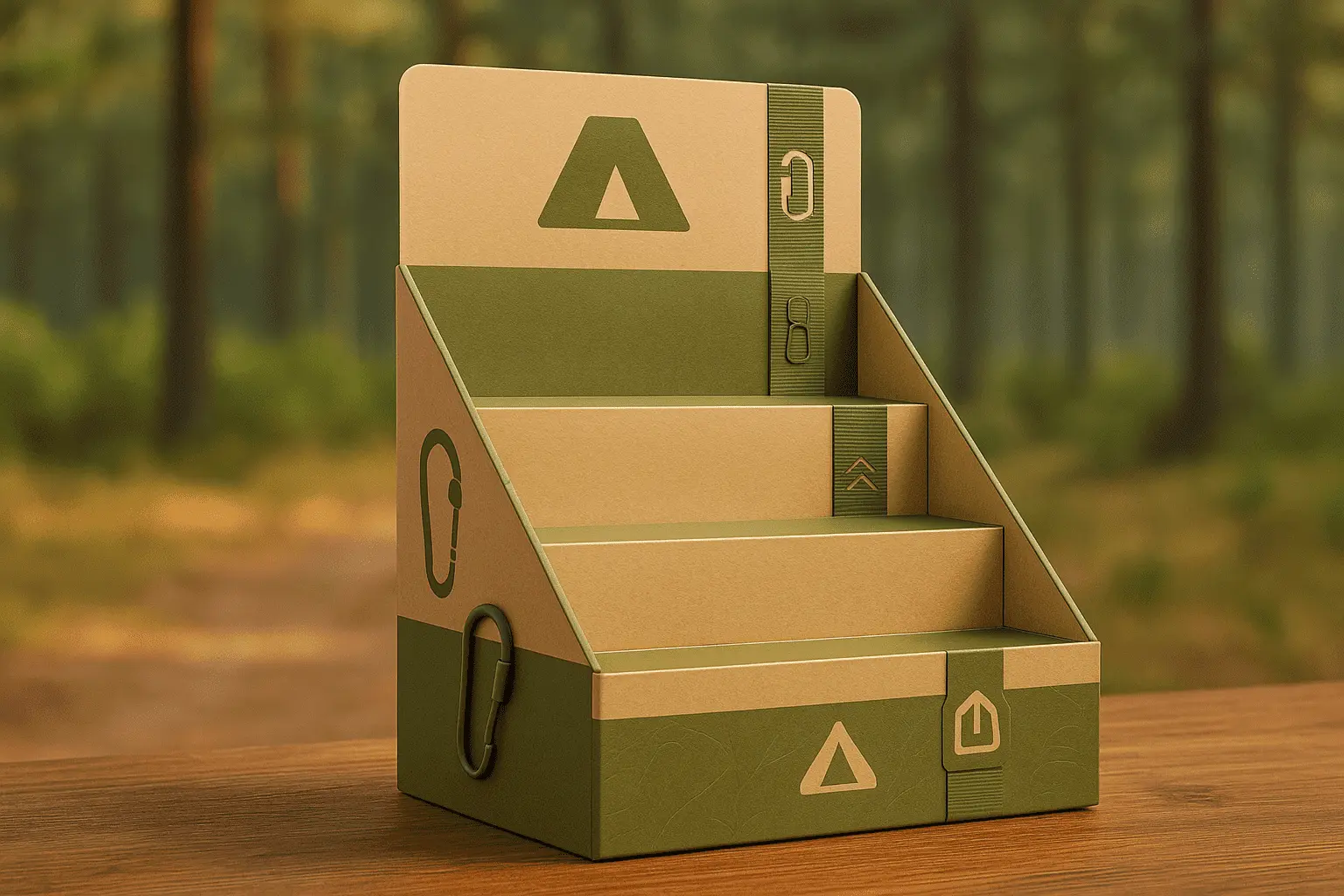
By using materials that support the cycle economy, sustainable PDQ displays are a big change from the way things are usually displayed in stores. These displays are made with recyclable paper, biodegradable films, and FSC-certified corrugated bases that keep their shape and can be recycled completely when they're no longer needed. The production methods focus on using less energy and printing with water, which gets rid of dangerous volatile organic chemicals.
The environmental benefits go beyond the makeup of the materials. Modern, eco-friendly displays are made of flexible parts that can be used again and again for different advertising campaigns, which greatly reduces the amount of trash that is made. Because they are so light, they produce fewer pollution during travel, and the fact that they don't have any plastic parts means that they can be recycled normally. These traits are perfect for achieving the business social responsibility goals that purchasing teams are putting more and more importance on when choosing retail display options.
Business Benefits of Sustainable Display Solutions
Eco-friendly PDQ display systems have real business benefits that go beyond just being good for the environment. As more people look for items and displays that are good for the environment, brands that use sustainable displays report higher customer interaction rates. According to research, 73% of consumers around the world are ready to pay more for products from businesses that care about the earth.
One more strong benefit is that it saves money. Even though they may cost more up front than traditional options, renewable displays often have a lower total cost of ownership because they can be used for longer and are easier to get rid of. Many eco-friendly designs are modular, which means that stores can change the displays to fit different product lines. This helps them get the most out of their money while still keeping uniform brand presentation standards.
Environmental-Friendly PDQ Displays Trends for 2026: Industry Insights and Innovations
Material Innovation and Technology Advances
Sustainable materials technology for eco-friendly PDQ display is making huge steps forward in the packing business. Plant-based polymers made from farm waste are replacing standard plastic parts because they last just as long and break down completely naturally. Advanced corrugated composites use recovered materials that have already been used, but they still have the power needed for high-traffic store spaces.
Digital printing is changing the way displays are made in a way that is better for the environment by letting manufacturers make fewer of them and lose less. With variable data printing, brands can make screens fit the needs of specific markets without sacrificing speed. These new technologies help just-in-time inventory tactics that cut down on storage needs and the risk of items going out of style, which is especially helpful for holiday advertising efforts.
Regulatory Environment and Market Drivers
Legislative frameworks in North America and Europe are setting required recycle goals and plastic reduction requirements, which have a direct effect on how retailers buy displays. The Single-Use Plastics Directive in the European Union and similar laws in California are making it necessary to follow rules that encourage eco-friendly display options. The market is currently very favorable for the adoption of an eco-friendly PDQ display due to these legal pressures and changing buyer standards.
Sustainability programs in businesses are moving from being extraneous factors to being central factors in buying decisions. Big stores are using supplier sustainability scorecards that look at more than just cost and quality. They also look at how well the provider treats the earth. Because of this change, companies that make displays need to show that their products are better for the environment by using lifecycle evaluations and third-party certificates.
Comparing Eco-Friendly PDQ Displays with Conventional Alternatives
Performance and Durability Analysis
There used to be performance gaps between eco-friendly and conventional displays, but modern sustainable displays have mostly fixed those problems. Modern methods in corrugated engineering make it possible for sustainable displays to hold the same amount of weight while still remaining structurally sound over long shopping cycles. Surface treatments with water-based coats make them as resistant to water as plastic options without making them less recyclable.
The study of longevity shows that procurement teams need to think about a lot of different things based on the use cases. When they are taken care of properly, reusable, environmentally friendly displays can last longer than regular ones. Single-use biodegradable choices, on the other hand, put environmental benefits at the end of their useful life ahead of long-term sturdiness. This makes them perfect for short-term promotional uses.
Cost Considerations and Value Proposition
A full cost study for eco-friendly PDQ display must look at the whole display lifespan, including the costs of buying, setting up, maintaining, and getting rid of the display. When these full prices are looked at, sustainable displays often show competitive economics. Recycling methods that are made easier lower the cost of disposal, and flexible designs let parts be used in more than one campaign, effectively spreading out the initial investment over a longer period of time.
The value proposition includes perks that lower danger as well as direct costs. Eco-friendly PDQ display options that are good for the environment help brands avoid fines from regulators and improve brand image, which can lead to more sales. As customer preference data shows measurable buying behavior changes toward sustainable goods, these indirect effects are becoming easier to measure.
How to Choose and Procure Eco-Friendly PDQ Displays: A 2026 Buying Guide?
Supplier Evaluation Criteria
To find the right sustainable display suppliers, you need to look at a lot of factors besides the usual measures for buying things. A key part of the evaluation process is verifying certifications. Suppliers must show proof of FSC chain-of-custody certification, ISO 14001 environmental management systems, and third-party sustainability reports. These references give people confidence that claims about the environment are backed up by processes and practices that have been checked out.
The ability to make something must match the number needs and the need for customization. Suppliers should be able to be flexible with the materials they offer, the changes they make to structural designs, and the graphics they make, but they should also be able to keep quality and delivery performance consistent. Prototyping services allow for thorough testing before committing to large-scale buying, which lowers operational risks and ensures the best performance in retail settings.
Procurement Strategy Development
The sustainability goals and practical needs must be in sync for eco-friendly PDQ display buying to be successful. Teams in charge of buying things should make clear performance standards that include both functional and environmental factors. These specs should include the types of materials used, how easily they can be recycled, how well they should hold up, and how they should look to support brand appearance goals.
When compared to transactional buying ties, vendor partnerships for eco-friendly PDQ display often lead to better results. When suppliers work together for a long time, they can spend in unique solutions and process optimization that are good for both sides. Performance reviews and tracking of sustainability metrics on a regular basis ensure that things are always getting better and that environmental promises are kept.
Best Practices for Sustainable PDQ Display Use and End-of-Life Management
Implementation and Deployment Strategies
To get the most out of a sustainable display, it needs to be strategically placed in a way that takes both business goals and environmental impact into account. Staff training programs make sure that the right way to handle displays is done so that they last longer and still look good. Clear notes on how to set it up and how to handle it keep it from getting damaged and needing to be replaced too soon, which is good for both the environment and the economy.
An review of the retail setting helps find the best places to put things so that they are visible and don't damage the building. In places with a lot of foot traffic, designs may need to be stronger, but in controlled settings, lighter, more environmentally friendly options can work. This strategic method makes sure that environmental benefits are achieved without hurting the success of marketing or operations.
Recycling and Circular Economy Integration
End-of-life management is an important part of sustainable show systems. Setting clear rules for recycling and working with licensed trash management companies will make sure that all the environmental benefits are achieved. A lot of eco-friendly displays can be recycled through regular business channels, which makes handling easier and makes disposal less complicated.
Manufacturers can reuse materials in new displays thanks to component recycling programs. These create closed-loop systems that make the best use of resources. Some companies have take-back programs that take care of transportation and processing. These are called "turnkey solutions," and they take away the practical load while making sure that the right materials are recovered.
Conclusion
The move toward more eco-friendly store displays is both good for the earth and good for business. Because of government rules, customer tastes, and business responsibility efforts, eco-friendly PDQ display solutions are moving from being high-end to being standard. New technologies and materials coming out in 2026 promise to improve performance while also having measurable positive effects on the environment. Strategic relationships with suppliers, full lifecycle planning, and a desire to always making sustainability practices better are all needed for adoption to go well.
FAQ
What materials are commonly used in eco-friendly PDQ displays?
Most sustainable PDQ displays are made from reclaimed corrugated cardboard, FSC-certified paper goods, and biodegradable films made from plants. Advanced choices use post-consumer recovered materials and polymers made from agriculture waste to improve structure qualities while still being fully recyclable.
How do costs compare between sustainable and conventional displays?
When you look at disposal fees, reusability, and legal compliance benefits, eco-friendly options often have lower total lifetime costs. This is true even if they cost a little more to buy at first. Many businesses find that sustainable displays give them a better return on their investment because they can be used for longer and improve how people see their brand.
Can eco-friendly displays handle the same weight loads as plastic alternatives?
Modern screens that are good for the environment use advanced corrugated building methods that make them just as strong as traditional ones. With the right design and choice of materials, you can help the environment without sacrificing the structure's strength or longevity.
Partner with Fetching Printing for Advanced Sustainable Display Solutions
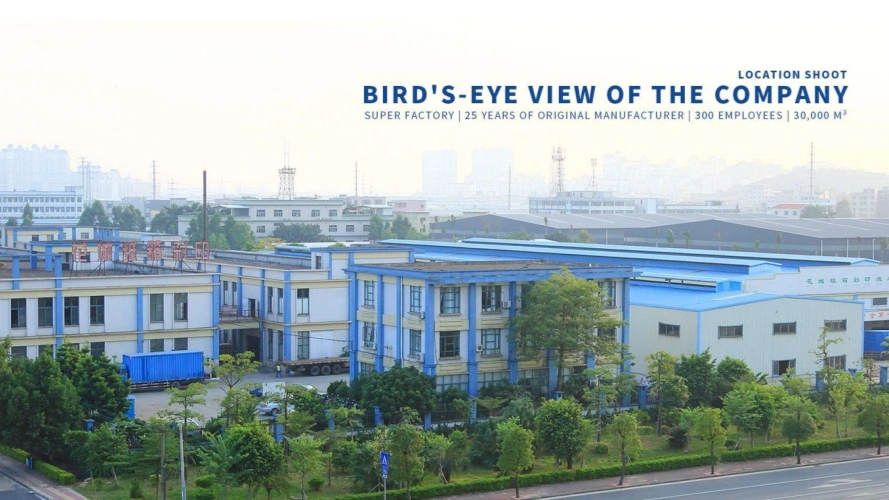
Fetching Printing's extensive eco-friendly PDQ display making skills will help you improve your store presentation strategies. Our ISO 14001-certified facility blends 25 years of experience in packing with the newest technologies for sustainable materials to give you custom solutions that meet your performance and environmental needs. As a reliable eco-friendly PDQ display provider, we provide full design support, quick prototyping, and flexible production options, all of which are backed by FSC approval and strict quality control procedures. Get in touch with our packing engineers at support@fetchingprinting.com to learn more about new, eco-friendly ways to show your products that are tailored to your needs and goals for sustainability.
References
Sustainable Packaging Coalition. "2026 Retail Display Sustainability Trends and Market Analysis." Packaging Industry Research Institute, 2025.
Environmental Protection Agency. "Circular Economy Principles in Retail Point-of-Purchase Materials." Federal Sustainability Guidelines, 2025.
International Corrugated Case Association. "Advanced Materials and Manufacturing Processes for Eco-Friendly Display Applications." Technical Publication Series, 2025.
Retail Industry Leaders Association. "Consumer Preferences and Purchasing Behavior Related to Sustainable Retail Packaging." Annual Market Research Report, 2025.
Forest Stewardship Council. "Chain of Custody Certification Standards for Retail Display Manufacturing." FSC Technical Standards, 2025.
Packaging Technology Institute. "Lifecycle Assessment Methodologies for Point-of-Purchase Display Systems." Academic Research Journal, 2025.