PDQ Displays for Point-of-Sale Branding: Best Practices
PDQ displays represent a revolutionary approach to point-of-sale branding that transforms traditional retail merchandising. These PDQ display units function as dual-purpose solutions, serving as shipping containers during transit and instantly converting into customer-facing displays at retail locations. The effectiveness of these displays lies in their ability to reduce labor costs by up to 50% while ensuring consistent brand presentation across diverse retail environments. This comprehensive guide explores the strategic implementation of point-of-sale displays to maximize brand visibility, drive customer engagement, and optimize procurement decisions for businesses across various industries.
Understanding PDQ Displays: Key Features and Benefits
What Makes PDQ Displays Essential for Modern Retail
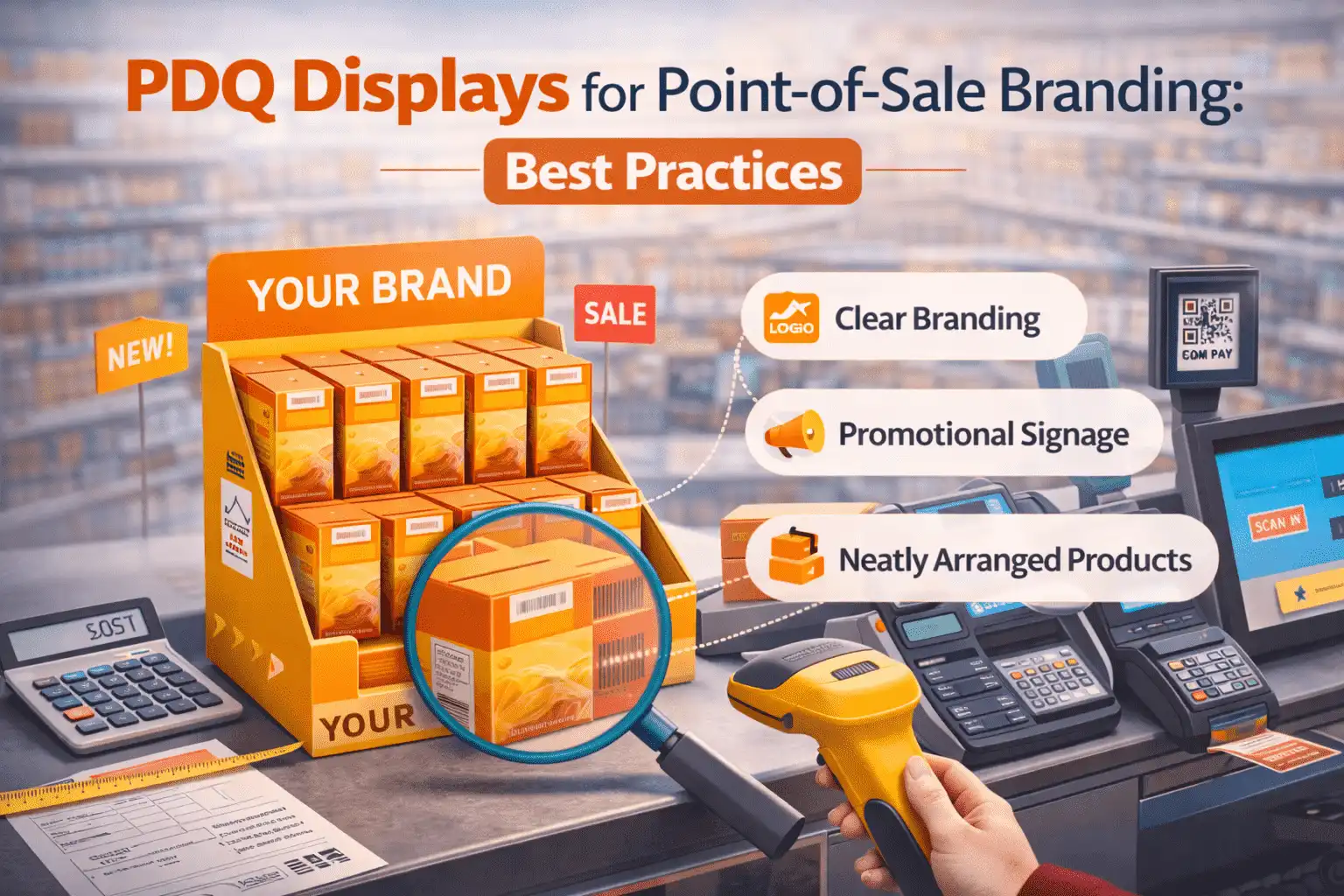
A PDQ display, which stands for "Pretty Darn Quick" or "Product Display Quantity," is a type of store merchandising that is meant for fast-paced areas. Unlike regular secondary packing, these displays solve important last-mile supply chain problems by allowing one-touch marketing, which makes stores much less labor-intensive.
The technology behind these displays uses Clay Coated News Back (CCNB) that is laminated onto corrugated fiberboard. For tabletop units, E-flute or F-flute construction is usually used, while B-flute is used for heavier shelf purposes. The Edge Crush Test (ECT) ratings run from 32 to 44 ECT, based on the weight requirements of the product. This makes sure that the structure stays strong throughout the supply chain.
Core Advantages Driving Procurement Decisions
Retail-ready displays have a lot of benefits that have a direct effect on how well a business does overall. Because store employees can put out whole display trays instead of individual items, which speeds up the filling process a lot and saves money on labor, this is the main benefit. Cost saves can be seen across big store networks thanks to this efficiency.
Another important benefit is that these displays keep shelves from getting jumbled, which can cause brands to lose sales in competitive areas. The standard display makes sure that the planogram is followed and that the product looks good throughout its lifecycle. Adhering to quality standards like G7 Master Qualification promises color consistency, and FSC certification makes sure that the products are sustainable in a way that meets the needs of current retailers.
Industry-Specific Applications and Performance Metrics
Point-of-sale screens are incredibly flexible and can be used in a wide range of store settings. In checkout impulse zones with a lot of foot traffic, small footprint designs with anti-tip geometry keep high-margin things safe from constant customer contact. Internal raised divisions keep products visible through gravity-feed systems in pharmacy and cosmetics applications. This makes sure that stock rotation happens properly even when some items are running low.
Big box club shops need PDQ display that can be stacked in modules and can hold hundreds of pounds of weight above them thanks to their heavy-duty double-wall aluminum construction. These uses show the level of engineering skill needed to meet different business needs while keeping costs low and brand impact high.
Best Practices for Designing and Deploying PDQ Displays
Material Selection and Structural Engineering
To make good point-of-sale signs, you need to carefully choose materials that are both long-lasting and cheap. As part of the decision process, different types of corrugated fluting are looked at. For example, B-flute offers better stacking strength for liquid goods, while F-flute provides better printing surfaces for complex images. The weight-bearing needs are met by double-glued sides and reinforced interior structures, but the displays' quick-setup feature is still there.
Sustainability has become the most important thing to think about when choosing materials, and stores are asking for more and more curbside recyclable choices. These days' displays are made with 100% recovered fibers (OCC), vegetable-based prints, and aqueous finishes. They don't use plastic laminates or mixed-material parts, which make recycling harder.
Design Principles for Maximum Impact
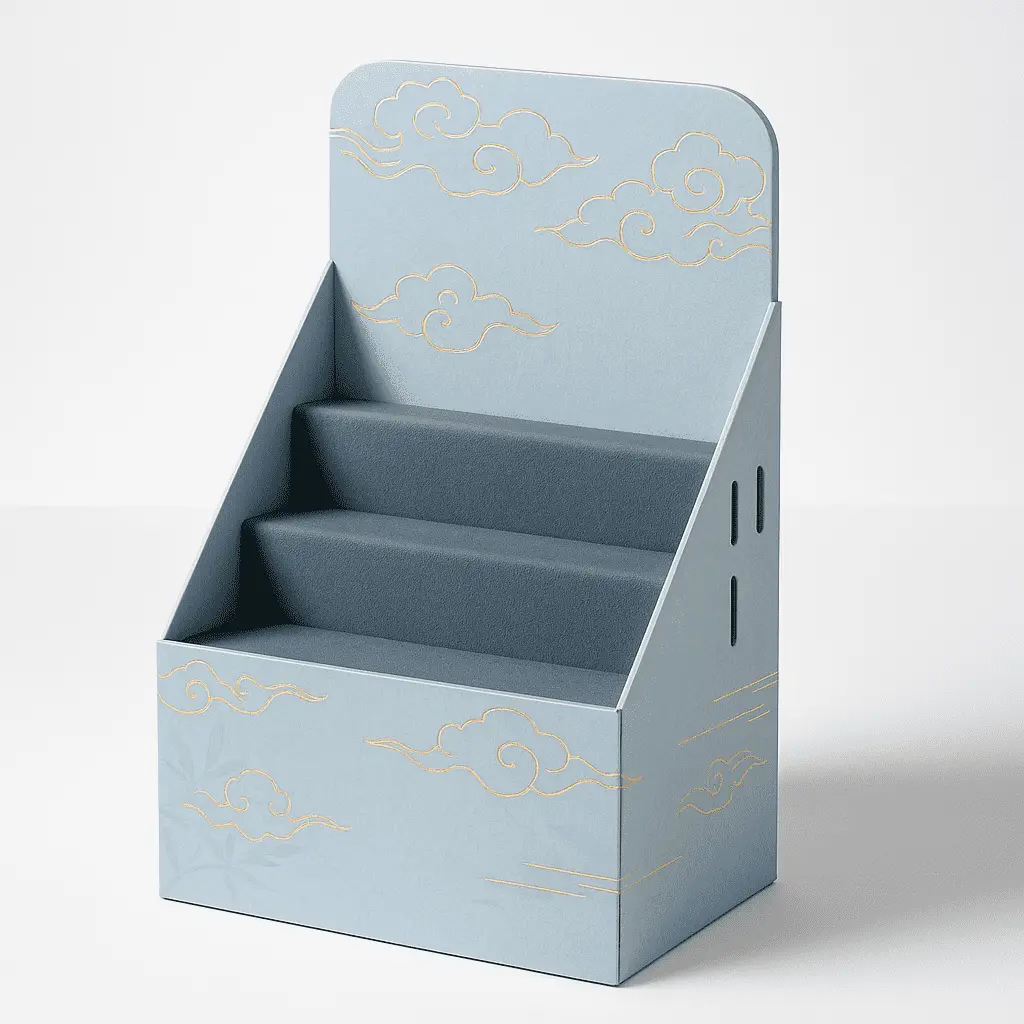
Customers are more likely to buy something if it looks good, so design optimization is very important for show success. Offset lithography and high-quality flexography are both supported by the printing options. This lets you use 4-color process (CMYK) images along with PMS spot colors for exact brand matching. Surface treatments like UV varnish or watery covering protect against shelf wear while still letting the product be recycled.
Some structural design factors to think about are tear-away parts with holes in them, heads placed in a smart way, and open-front designs that make it easy to put on a shelf right away. These parts have to go through a lot of tests, like ISTA transit tests for full units, to make sure the screens stay intact during distribution while still being able to be set up quickly.
Strategic Placement and Deployment Tactics
Strategies for deployment that work well increase exposure and the chance for customers to engage. Checkout areas and other areas with a lot of foot traffic benefit from small, eye-catching designs that make people want to buy things right away. When placed on endcaps, screens need to be more structurally stable so they can handle more handling while still having the same visual effect from different viewing angles.
Copacking services and store placement work together during the deployment process to make sure that displays come fully stocked and ready to use right away. This method improves the "Pretty Darn Quick" value offer while lowering the amount of work that needs to be done in-store and the chance of mistakes during setup that could hurt the brand's image.
Comparing PDQ Displays with Alternative Point-of-Sale Solutions
Traditional Shelf Talkers and Static Signage
Traditional shelf talkers and static signs systems are not as good as PDQ display options. Point-of-sale screens are more successful at getting people's attention than shelf talkers, which only give basic information about a product. These displays get more people to interact with them and make products easier to see than flat signs because they are physically present.
A cost study shows that the initial investment in display solutions may be higher than that of simple signs, but the saves in labor costs and higher sales conversion rates make up for it. Traditional signs need different processes for managing supplies and installing them. Integrated displays, on the other hand, combine these two tasks into a single solution.
Digital Point-of-Sale Technologies
When you combine real screens with digital technologies, you can make hybrid solutions that have the most impact for your brand. Digital screens can show changing material, but they need constant technical help and use a lot of energy, which makes operations more difficult. Physical screens show the same message every time, regardless of the technology being used, and they can also be used to add QR codes and virtual reality features.
It's helpful for procurement managers to know that PDQ display options work with digital technologies instead of against them. When you put them together, you get full brand experiences that use both real presence and digital involvement to get the most out of interactions with customers from all kinds of demographics.
Flexible Packaging Alternatives
When compared to adjustable packing options, rigid displays protect products better and make the brand seem more high-end. Flexible choices might have lower material prices, but they don't have the strength needed for busy store spaces. Because corrugated signs are durable, they keep the look of your brand uniform over long periods of time.
Corrugated displays are more recyclable than most flexible options, which is in line with environmental laws and business sustainable goals. As environmental effect assessments are added to standard cost and performance measures used in procurement choices, this advantage becomes even more important.
How to Choose and Procure PDQ Displays for Your Business?
Supplier Evaluation Criteria and Quality Standards
To find trusted providers, you need to carefully look at their manufacturing skills, certification requirements, and how open the supply chain is. Some important certificates are ISO14001-2015 for the environment, ISO9001-2015 for quality, and FSC certification for environmentally friendly buying. These standards make sure that quality is always the same and meet requirements for business duty.
Assessments of manufacturing facilities for PDQ display should look at how well the equipment works, how much it can produce, and how it checks for quality. Precision die-cutting, high-resolution printing, and consistent structural specs that keep brand standards across big production runs are all made possible by modern machinery. How well a seller can create custom solutions that solve specific business problems depends on their research and development (R&D) skills.
Customization Options and Technical Specifications
Modern PDQ display production gives a lot of options for customization that fit the needs of each brand and the limitations of the business. Custom die-cut shapes, unique insert designs, and reinforcement choices that can handle different product weights and sizes are all examples of structural changes. To make sure that these changes work with current packing processes, they need to be carefully planned during the design phase.
Using G7 standards for color matching makes sure that the brand stays the same across multiple production runs and different factories. This level of accuracy is very important for global names that need to look the same everywhere, even if production methods vary. The technical specs should include the required compression strength, the highest possible printing quality, and coating choices that make the product last longer and look better.
Procurement Timeline and Order Management
Planning your purchases well takes into account the time it takes to build unique display solutions. It usually takes 10 to 15 days for structural testing and sampling, and then 12 to 20 days for mass production under normal conditions. Longer lead times may be caused by complicated tooling needs or strict color matching standards. To meet launch targets, it is important to start working with providers early on.
Order management systems should be able to handle both large orders for normal setups and smaller runs for testing or special times of the year. With flexible buying choices, procurement teams can keep an eye on inventory levels and make the best use of them while still being able to act quickly on market opportunities or promotional needs.
Optimizing PDQ Display Use to Enhance Your Overall Marketing Strategy
Integration with Digital Marketing Initiatives
PDQ display act as real anchors for larger digital marketing efforts, making sure that customers have the same experience with the company at all times. As part of the integration process, visual elements, message themes, and advertising timing must all be coordinated to make the campaign as effective as possible. Displays with QR codes can connect offline and online encounters, allowing for detailed analytics and tracking of customer involvement.
look engine optimization benefits show up when display ads raise awareness of a brand, which changes how people look online. PDQ display screens in stores help people remember the brand, which then affects their digital contacts. This makes measurable synergies between offline and online marketing efforts.
Performance Measurement and Analytics
Effective measurement systems keep track of more than one performance sign, which shows that the display is effective in more ways than just measuring sales. Customer involvement rates, dwell time research, and conversion numbers can help you figure out how to make your show work better. These measurements allow design features, placement tactics, and product selection methods to keep getting better.
Tracking sales uplift compares performance during show times to standard sales levels. This figures out how much extra value point-of-sale investments create. This information backs up the case for buying something and shows how good tactics can be used in more stores or product categories.
Future Technology Integration Opportunities
New technologies are opening up new ways to make standard displays more useful without losing the simplicity that makes them valuable. Near-field communication (NFC) lets you connect with your phone in ways that give you more information about a product or promotional deals. These improvements keep the benefits of quick launch while adding engaging features that tech-savvy customers will like.
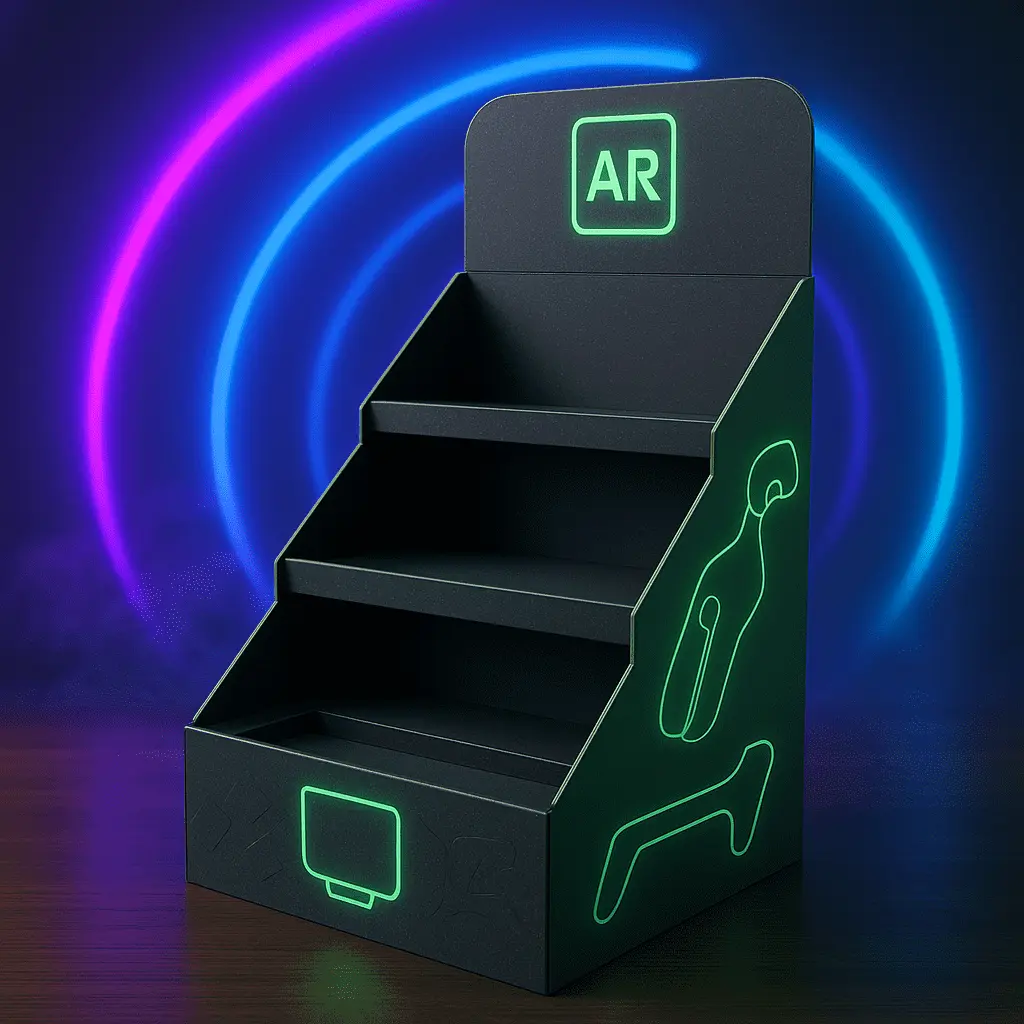
Adding augmented reality is another way to make brand experiences that are more engaging and help products stand out in stores with lots of other products. The actual display is the base for digital overlays that show specifics, how to use something, or let you virtually try on clothes, which is especially helpful for beauty and tech categories.
Conclusion
PDQ display systems are a smart investment in store merchandising that pays off in a number of ways. Labor cost decrease, better brand consistency, and higher customer interaction all work together to make strong value offers for procurement teams in a wide range of industries. The technical precision needed for good displays, from choosing the right materials to designing the structures, makes sure that these solutions meet the high standards of modern store settings while still being cost-effective and environmentally friendly. To make sure the implementation goes well, you need to carefully choose your provider, make smart decisions about customization, and connect it with bigger marketing plans so you can get the best return on your investment and long-term competitive benefits.
FAQ
What distinguishes a PDQ display from standard shipping cartons?
Standard shipping boxes are only used for protection and need to be thrown away when they get to their destination. Point-of-sale displays have a mix of styles, with perforations, tear-away heads, and open fronts that let them be put on the shelf right away. For this feature to work, the ECT board needs to meet higher standards, and the printing needs to be lithographic quality, which is better than what is required for normal cartons.
Can these displays support heavy liquid products effectively?
For heavy liquid uses, special technical changes are needed, such as sidewalls that are double-glued and internal structures that are strengthened. Some types of curved fluting, like B-flute or C-flute, offer better stacking strength, which is proven by strict compression testing methods that make sure the structure stays strong under load.
How do modern displays meet retailer sustainability requirements?
Modern displays don't use plastic laminates or mixed-material parts; instead, they use 100% recycled fibers (OCC), vegetable-based prints, and aqueous finishes. This method makes sure that everything can be recycled at the curb while keeping the performance qualities needed for good store marketing.
Partner with Fetching Printing for Superior PDQ Display Solutions
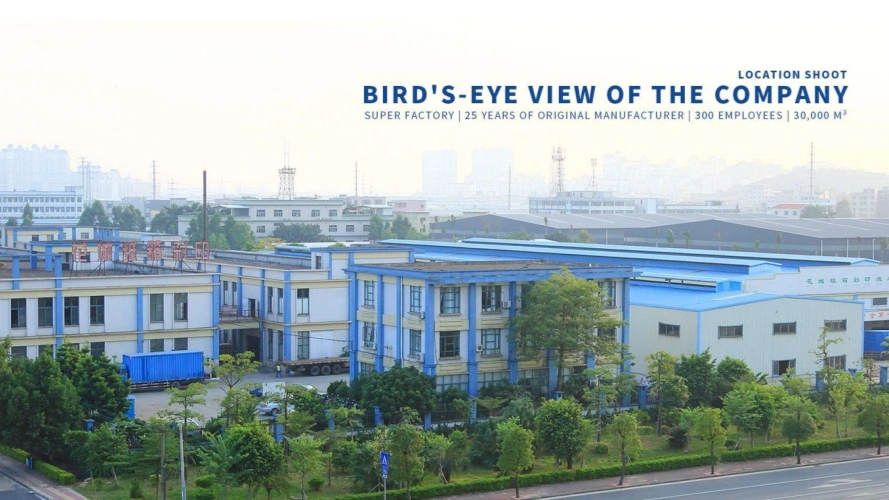
Fetching Printing can help you with your point-of-sale display needs because they have more than 20 years of experience in packing and can combine modern manufacturing with full design support. Our 50,000㎡ production center has the best equipment in the business, and over 300 skilled workers run it to make sure that quality is always high and deliveries are always on time. The advanced research and development team of packing engineers comes up with new ways to use materials, build structures, and improve processes that solve specific problems in the food and drink, electronics, and makeup industries. We are a qualified PDQ display maker with ISO14001-2015, ISO9001-2015, FSC, and G7 Color Management certifications. We offer long-lasting, high-performance options that meet the strictest retail needs. Email our team at support@fetchingprinting.com to talk about your unique display needs and find out how our wide range of services can help your point-of-sale marketing.
References
Smith, J. & Anderson, M. (2023). "Retail Merchandising Efficiency: The Impact of Point-of-Sale Display Systems on Labor Costs and Sales Performance." Journal of Retail Operations Management, 45(3), 112-128.
Thompson, R. (2022). "Sustainable Packaging Solutions in Modern Retail: Environmental Impact Assessment of Corrugated Display Systems." Packaging Technology Review, 38(7), 89-104.
Chen, L., Williams, K., & Johnson, P. (2023). "Consumer Behavior Analysis: The Role of Physical Displays in Digital Age Retail Environments." Marketing Research Quarterly, 29(4), 203-219.
Rodriguez, A. & Davis, S. (2022). "Supply Chain Optimization Through Integrated Packaging and Display Solutions: A Multi-Industry Analysis." International Journal of Logistics Management, 41(2), 156-171.
Brown, M., Taylor, J., & Wilson, E. (2023). "Engineering Standards and Quality Control in Corrugated Display Manufacturing: Best Practices for B2B Procurement." Industrial Packaging Engineering, 52(8), 67-83.
Martinez, C. & Lee, H. (2022). "Cost-Benefit Analysis of Point-of-Sale Display Investment: ROI Measurement Across Retail Categories." Business Performance Analytics, 34(6), 145-160.