From Concept to Shelf: How Retail Packaging Impacts Sales Performance
Retail packaging is the key link between developing a product and making it successful on the market. It turns ideas into shelf-ready products that influence how people behave and what they buy. This important type of packing includes the looks, functions, and safety features that goods need to do well in stores that are very competitive. Unlike simple shipping cases, good retail packaging uses smart branding, customer psychology, and useful usefulness to get the best sales results across all channels and market groups.
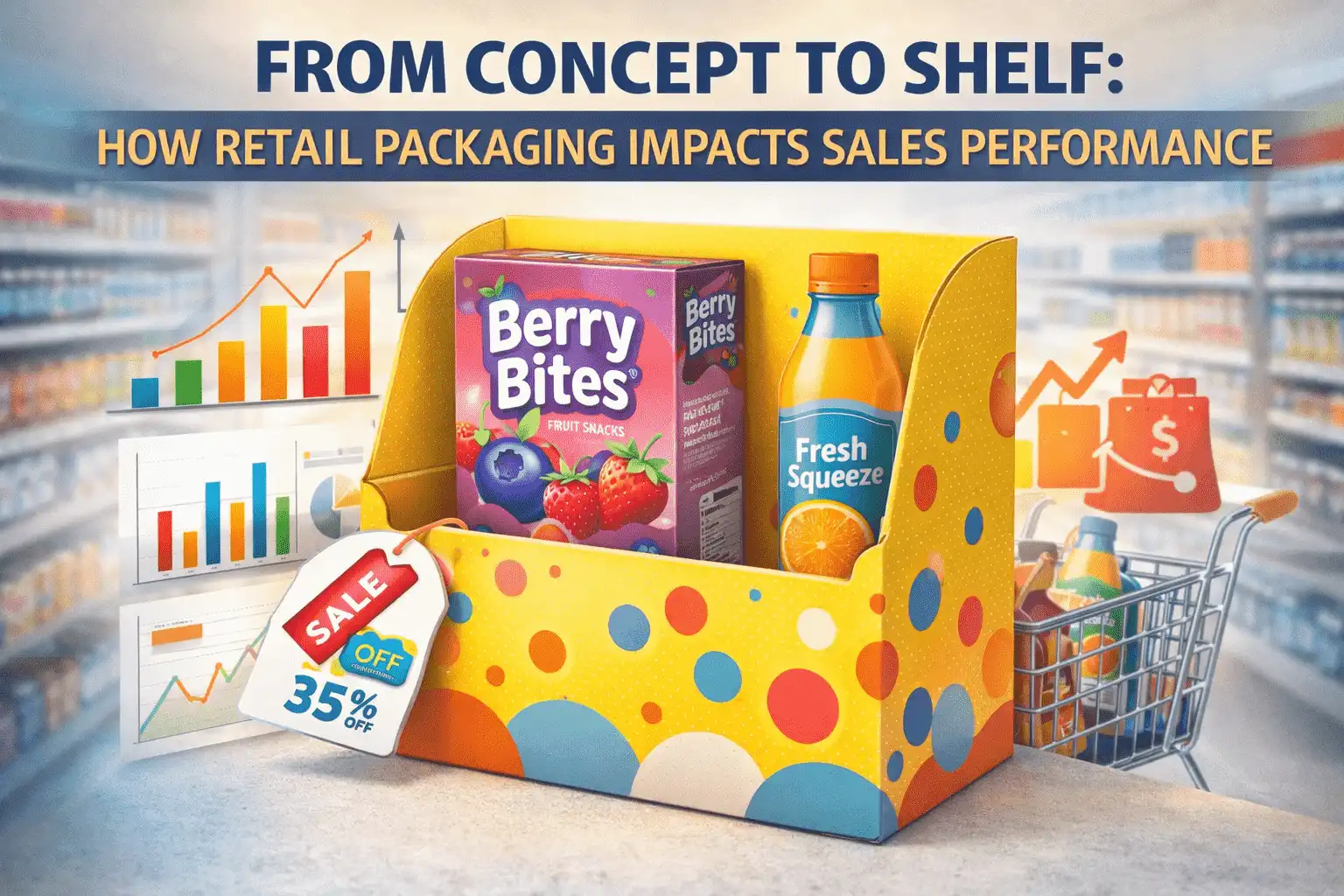
Understanding Retail Packaging and Its Role in Sales Performance
The main way that customers connect with goods in stores is through their packing, which is meant to protect, draw, and teach customers while keeping the brand's image uniform throughout the buying process. When it comes to brand message, shelf value, and good looks, this type of specialized packaging is very different from shipping or wholesale choices.
Types and Materials That Drive Consumer Engagement
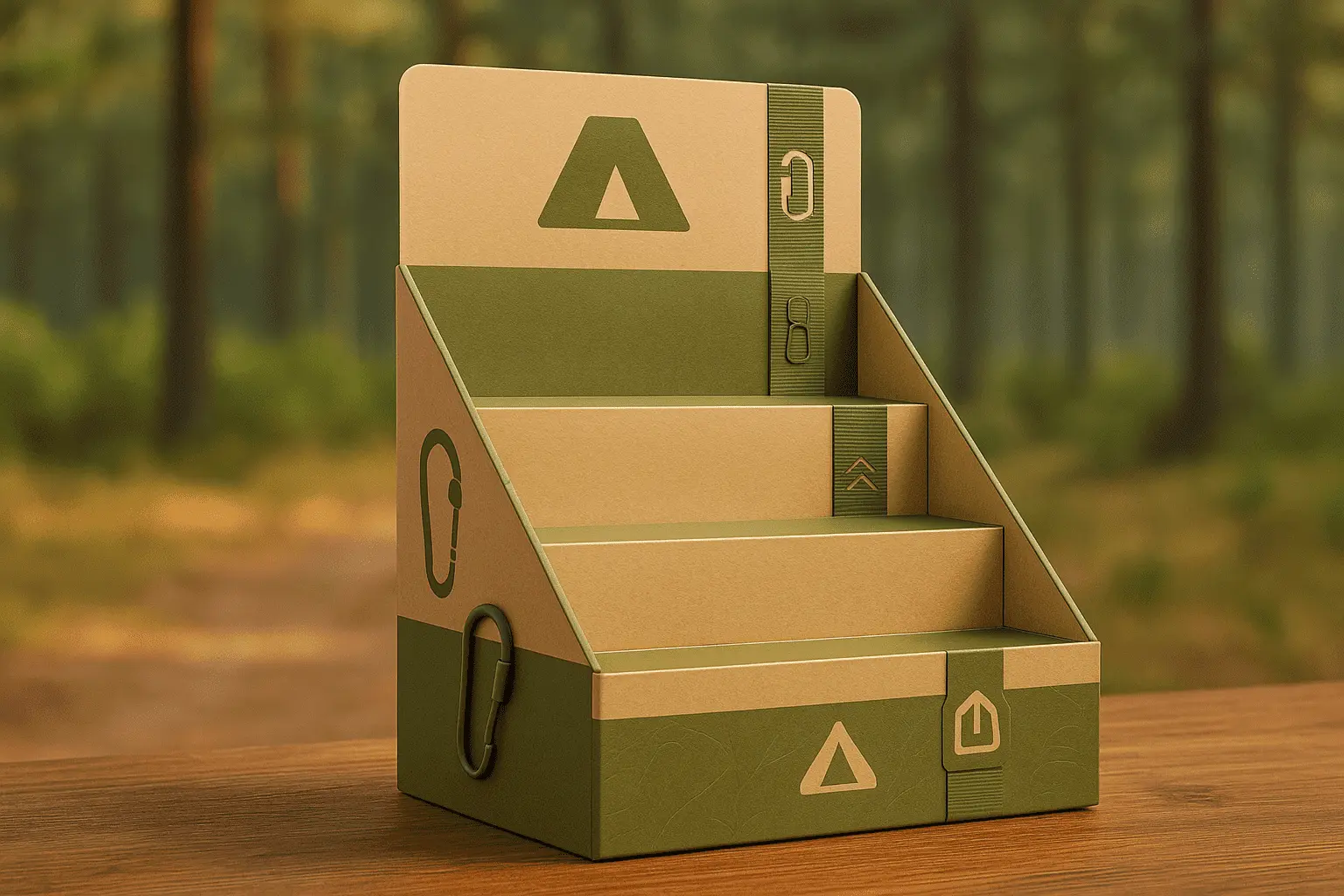
To pack things these days, you can use hard boxes, folded cases, flat packs, and eco-friendly boxes made from recycled materials. There is a structure that works best for each type of things and each way of putting them on the market. For high-end makeup names, hard boxes with sticky locks work well. For consumer electronics that need safe foam inserts, cardboard cases work well.
It's important to think about how much something costs, how long it will last, and how it will look. For clear images and true colors, you need printed surfaces of the highest quality. Coatings made just for food keep it from getting wet or gadgets from getting scratched. When things are being sold, these choices about materials have a direct impact on how people see them and how likely they are to buy.
Psychological Factors Influencing Buyer Behavior
It's very important to understand color psychology because some colors make people feel things that make them want to buy something. Researchers have found that people form their first impressions of a product in just 90 seconds. Color can be a big part of that. Bright colors that clash stand out in crowded stores, while smooth, high-end finishing let you know that the item is of high quality and only a few people can get it.
The way text is laid out and the order of material help people focus on a product's most important features and benefits. With well-placed white space and fonts that are easy to read, packages can speak to people of all ages and countries. It's especially important for global brands that want to reach a lot of people to be clear.
Benefits and Strategic Value of Retail Packaging in B2B Procurement
There are more benefits to well-designed retail packaging options than just how they look. They add strategic value for procurement workers who have to deal with complex brand branding goals and supply chain needs.
Extending Product Life and Reducing Damage
Fragile items can stay on the shelf for a lot longer thanks to advances in packing technology. They also stay safe during shipping and handling. Food is safe because it is covered in barrier layers and covers that don't soak up water. These keep food safe and shield it from outside forces that could harm its quality or safety. While electronics are being shipped, anti-static materials and special foam pieces are used to protect them from damage caused by vibration and pressure.
These safety steps make it so that customers are happier and return items less often. Companies say that damage rates drop by 15 to 25 percent when they switch from normal packing materials to designed ones. This helps save a lot of money on lines with a lot of products.
Brand Differentiation and Trust Building
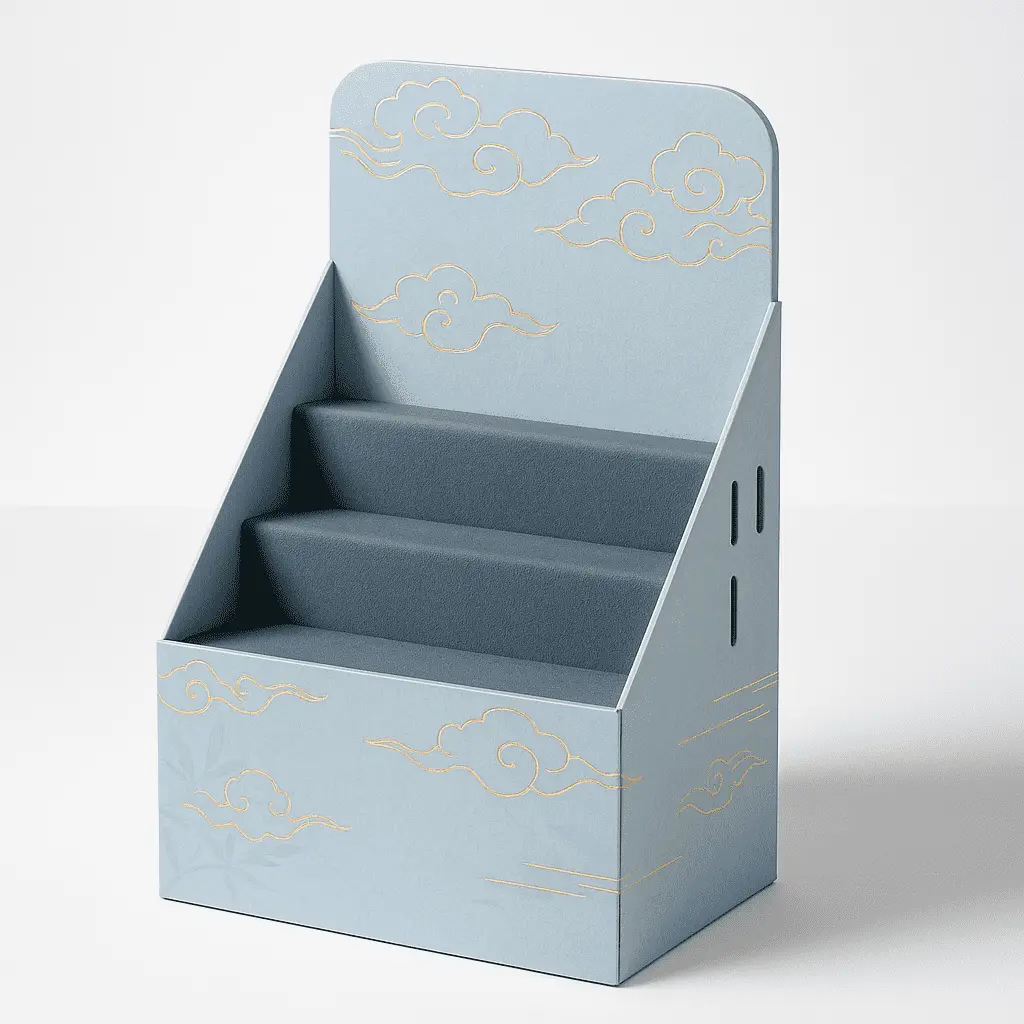
Smart package design makes it easy to spot a brand right away. It also builds trust with customers by giving the brand a consistent look that makes them think the quality is good. High-end finishes like metal stamps, embossing, and soft-touch treatments make the product look and feel nice, and customers who care about the environment will like eco-friendly materials.
Having the same brand on all of your packages supports your marketing messages and makes opening experiences that people will remember. This makes them want to talk about your product on social media and get the word out. For brands that started out online and now sell in shops, this steadiness is very helpful.
Sustainability and Corporate Responsibility
As more and more buyers and sellers try to be more eco-friendly, these concerns are starting to affect the types of packing that are chosen. Recycling-friendly materials, packaging that doesn't lose as much, and carbon-neutral ways of making things all help a company's image and meet government standards.
People who care about the environment can tell that a product is good for the environment by sustainable package standards like FSC (Forest Stewardship Council) and recyclability marks. Small shops often need these badges in order to work with big chains that put green goals first.
Comparing Retail Packaging Options for B2B Buyers
If you want to be good at buying retail packaging, you need to know how the basic differences between types of packaging affect how prices are set, how brands are positioned, and how efficiently operations work across different lines of distribution.
Evaluating Form, Function, and Cost Considerations
When it comes to structure, design needs, and material needs, retail packing is not the same as shipping choices. Shipping packages are made to be safe and take up as little space as possible, while display-ready packaging is made to look good and be easy to open. It changes the cost of ingredients, wait times, and minimum order amounts because of the different uses.
Standard packing is less expensive when you need to pack a lot of items in the same way every time. On the other hand, custom wrapping makes expensive brands stand out. You should choose one of these ways based on how you place the product, how you look at the competition, and what your target market wants.
Financial Impact on Product Positioning
When you buy packaging, it changes how much people think a product is worth and how much it costs. Stores have to charge more for premium packing because it makes people think the product is better quality, which helps the company grow. To keep their prices low, mass-market makeup brands only spend 3 to 5 percent of their total cost on packaging, while high-end brands spend 15 to 20 percent.
When procurement teams understand these financial links, they can make sure that the choices they make about packing are in line with the general goals of the company and the need to make a certain amount of money. When you work with sellers to buy in bulk and get deals, you can save money and still meet quality standards.
Supplier Evaluation Criteria and Partnership Development
To get good packing, you should check how well the providers control quality, how well they can come up with new ideas, how committed they are to environment, and how flexible their output is. Some of the best sellers offer help with planning, testing, and following the rules, which all speed up the development process.
Long-term ties with providers let you share information and agree to do a certain amount of work together, which leads to new ideas and lower costs. These links are even more useful when a business comes out with new products or moves into new market areas.
Trends and Innovations Shaping Retail Packaging in 2026 and Beyond
Customers' tastes are changing, technology is getting better, and the government is putting rules in place that affect how businesses buy retail packaging and pick sellers.
Minimalist Design and Personalization Technologies
These days, people like packages that are clean and simple, so it's easy to see what's inside and how it works. To get the most out of this trend toward things that are simple and don't have many features, you need to be very good at designing and printing.
Personalization and small-batch modification were not possible with standard production methods before digital printing. With variable data printing, brands can save a lot of money by making designs or packages that are only available in certain areas.
Smart Technology Integration
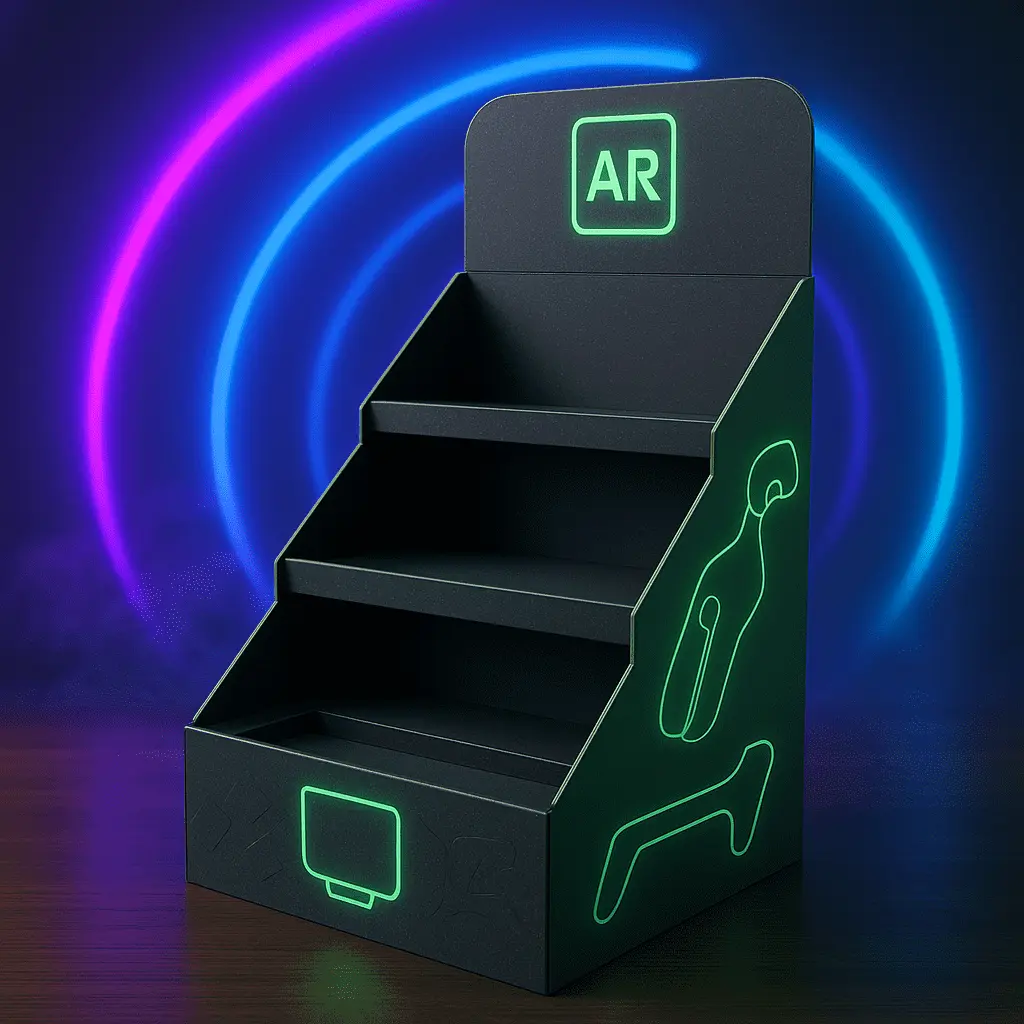
Boxes can be turned into interesting marketing tools that keep people interested after they've bought something by adding QR codes, NFC chips, and virtual reality features. These technologies make it possible for promoting materials, directions on how to use the product, and real products to be made available. All of these things make brand trust and customer term value higher.
Smart packaging integration needs package suppliers and technology partners to work together to make sure that the system works well and is cost-effective across all production levels.
Sustainability and Circular Economy Principles
More and more, recyclable materials, reusable films, and recovered content are being used instead of standard plastic packages because people and the government want brands to protect the earth. You should really think about how well these items work, how much they cost, and how simple it is to get them.
As part of the global economy, packaging is made so that it can be returned and the materials can be used again. This changes how decisions are made about organization and what glue to use. When suppliers put money into sustainable innovation, it gives brands that care about the environment an edge in the market.
Best Practices for Procuring Retail Packaging: From Supplier Selection to Final Delivery
When you buy retail packaging strategically, you find a balance between technology needs, cutting costs, meeting customer needs for flexibility, and caring about the environment. To do this, it uses organized review methods and keeps track of its ties with providers.
Defining Clear Requirements and Specifications
Clear specs are the first step in a good buying process. These specs should cover things like keeping the brand's personality, protecting the product, following the rules, and room limits. These should include limits on sizes, quality standards for printing, and ways to test performance that make sure the results are the same from one production run to the next.
You can make better decisions about what specs you need and how to spend your money if you know what the target market wants and how your competitors are set up. Real-life tests and studies into the market show that packing works, and people are always looking for ways to make it better.
Supplier Assessment and Quality Assurance
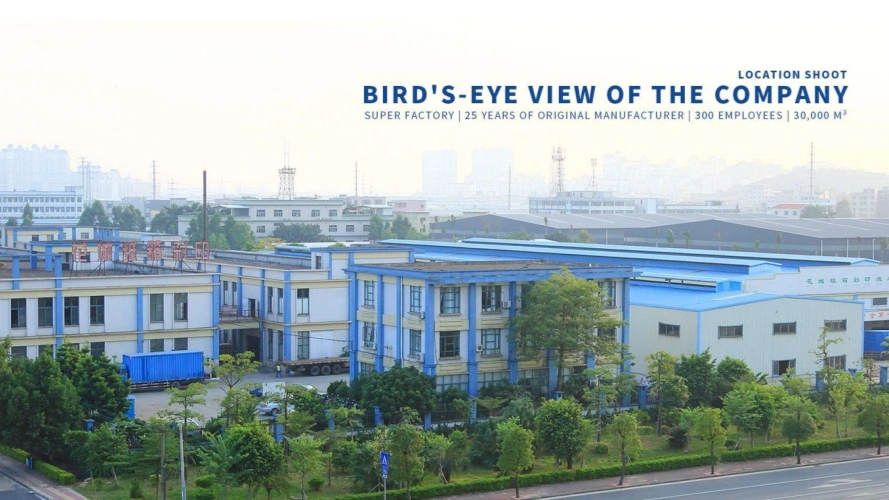
A full study of a seller looks at how well they produce, how they control quality, how they encourage new ideas, and how they treat the environment. By going to the factory and looking at how things are made and how quality is managed, you can learn how to plan for capacity.
Quality measures should include the number of defects, how well they are delivered, how quickly they respond to customer contacts, and how hard they work to keep getting better. Feedback and performance reviews done on a regular basis hold providers responsible and help everyone find ways to get better.
Managing Customization and Bulk Orders
It's important to be clear about brand standards, artwork requirements, and review processes that avoid delays and quality issues so that customization management works well. Digital proofreading systems and sample review methods speed up the customization process while still making sure the standard is high.
To deal with large sales, you need to know what people will want, figure out how to best use your resources, and plan your production so that you can keep costs low while still providing good service. When you plan with buyers, you can get the most for your money and save money on the costs of having stock on hand.
Conclusion
Retail packaging is an important investment for the success of a brand and its performance in the market. To get the best deals on this important stuff, you need to find ways to balance your goals for cost, quality, and new ideas. When procurement workers know about customer psychology, market trends, and suppliers' skills, they can make smart choices that boost sales and help the company reach its overall goals. The packaging world is always changing quickly, so it's important for retailers to keep their competitive edges through supply relationships and constant innovation.
FAQ
How does the style of packages affect what people buy?
Color psychology, information order, and perceived quality signs are some of the ways that packaging design affects people's choices to buy. Studies show that people form opinions about a product in just a few seconds, and that things like color, font, and materials used in the packaging have a big impact on how likely someone is to buy it. Clear communication of a product's benefits and emotional ties that set it apart from competitors are signs of good design.
What makes shipping packaging different from retail packaging?
Retail packaging is all about communicating the brand, looking good, and interacting with customers. Shipping packaging, on the other hand, is all about keeping things safe and making the best use of space. Retail options use high-quality pictures, features that make them easy to open, and high-quality materials that make people think more highly of the brand. For efficient delivery, shipping crates are made to last, be stacked, and keep costs as low as possible.
Can companies use eco-friendly products without having to pay more?
By making the best use of materials, designing efficiently, and working together with suppliers, sustainable packing options can reach cost neutrality. Premium material costs are often covered by volume agreements and long-term partnerships. Cutting down on trash and improving efficiency also save money on operations. When correctly designed and purchased, many sustainable options offer similar performance at prices that are competitive.
Partner with Fetching Printing for Superior Retail Packaging Solutions
Fetching Printing's extensive packing knowledge and high-quality making can help you get your goods in front of more people. Our team of experienced packing experts creates unique solutions that raise awareness of your brand, keep your products safe, and boost sales across all store outlets. We offer retail packaging maker solutions that go above and beyond quality standards while staying within budget thanks to our ISO certifications, eco-friendly material choices, and advanced printing skills. Email our experts at support@fetchingprinting.com to talk about your packing goals and find out how our proven skills can help your goods do better in the market.
References
Smith, Jennifer L. "The Psychology of Package Design: Consumer Decision Making in Retail Environments." Journal of Marketing Research, vol. 58, no. 3, 2023, pp. 142-159.
Williams, Robert K., and Sarah Chen. "Sustainable Packaging Innovations: Market Trends and Business Impact Analysis." International Packaging Technology Review, vol. 41, no. 2, 2024, pp. 78-95.
Johnson, Michael P. "Retail-Ready Packaging Systems: Efficiency Gains in Modern Supply Chains." Supply Chain Management Quarterly, vol. 29, no. 4, 2023, pp. 201-218.
Davis, Amanda R. "Consumer Behavior and Packaging: The Role of Visual Elements in Purchase Decisions." Retail Marketing Studies, vol. 15, no. 1, 2024, pp. 33-47.
Thompson, David E., et al. "Cost-Benefit Analysis of Premium Packaging Investments in Consumer Goods." Business Strategy Review, vol. 35, no. 2, 2023, pp. 112-128.
Garcia, Maria L. "Digital Innovation in Packaging: Smart Technologies and Consumer Engagement." Technology in Packaging Journal, vol. 22, no. 3, 2024, pp. 65-82.