How to Design High-Impact Floor Displays for FMCG Products?
To make good floor displays for Fast-Moving Consumer Goods (FMCG), you need a plan that strikes a mix between appealing to customers and being efficient. These specialized marketing pieces are great for making sales because they stop shoppers in their tracks and make products stand out more in areas with a lot of foot traffic. Knowing the details of fast-moving consumer goods (FMCG) settings, like limited room and intense competition, helps purchasing teams create displays that get real sales results while staying cost-effective and consistent with the brand across all retail channels.

Understanding the Challenges in Designing Floor Displays for FMCG Products
When making point-of-purchase displays, procurement pros have to deal with problems that are unique to the FMCG store environment. Space issues are one of the biggest problems, since modern stores are always changing their floor plans to make the most money per square foot. Because there is only so much space, each display has to show that it is worth its space by boosting sales.
Navigating Retail Space Constraints
In retail settings, there are strict size standards that are very different between outlets. Big box stores like Walmart usually let you have a bigger area, but they expect you to be durable so that you can handle a lot of foot traffic and frequent refilling. Convenience shops need small, vertical designs that make things easy to see without getting in the way of customers or breaking fire safety rules.
When you need to balance longevity with cost-effectiveness, choosing the right material becomes even harder. There are some cost savings to using standard corrugated cardboard, but it might not be strong enough for heavy items or long advertising times. Understanding these trade-offs helps buying teams make choices that are in line with campaign goals and budget limits.
Addressing Competitive Visual Noise
Visual saturation happens in FMCG settings where a lot of goods are trying to get people's attention at the same time. Displays that don't work well often fail because they fit in with the rest of the store instead of making unique brand moments. Color psychology, choosing the right fonts, and strategic placement all play a big role in telling the difference between good ads and bad ones.
Design choices must be based on consumer interaction principles to make sure that displays grab people's attention in the three seconds that shoppers usually give to new things. To do this, you need to have a deep knowledge of how shoppers act and what demographics and lifestyle choices they have in your target markets and retail platforms.
Core Principles for Creating High-Impact FMCG Floor Displays
Visibility, ease of access, and sharing the story of the brand through strategic design elements that connect with target audiences are all important parts of successful FMCG marketing solutions for floor display stand. The basic concepts listed below help development teams make displays that meet measurable business goals while still being able to be used.
Strategic Visibility and Accessibility Design
The best places to put floor display units are in areas with a lot of foot traffic, like end caps, entrances, and checkout lines, where people are more likely to be interested in advertising. Color schemes need to stand out enough from the other colors in the store while still staying true to the brand across all product lines and marketing platforms.
Accessibility of products has a direct effect on conversion rates, so they need to be restocked in a way that requires as little work as possible while still making sure they are always available during sales. When deciding on a display height, it's important to find a mix between best visibility, ADA standards, and retailer-specific planogram guidelines.
Sustainable Material Selection and Engineering
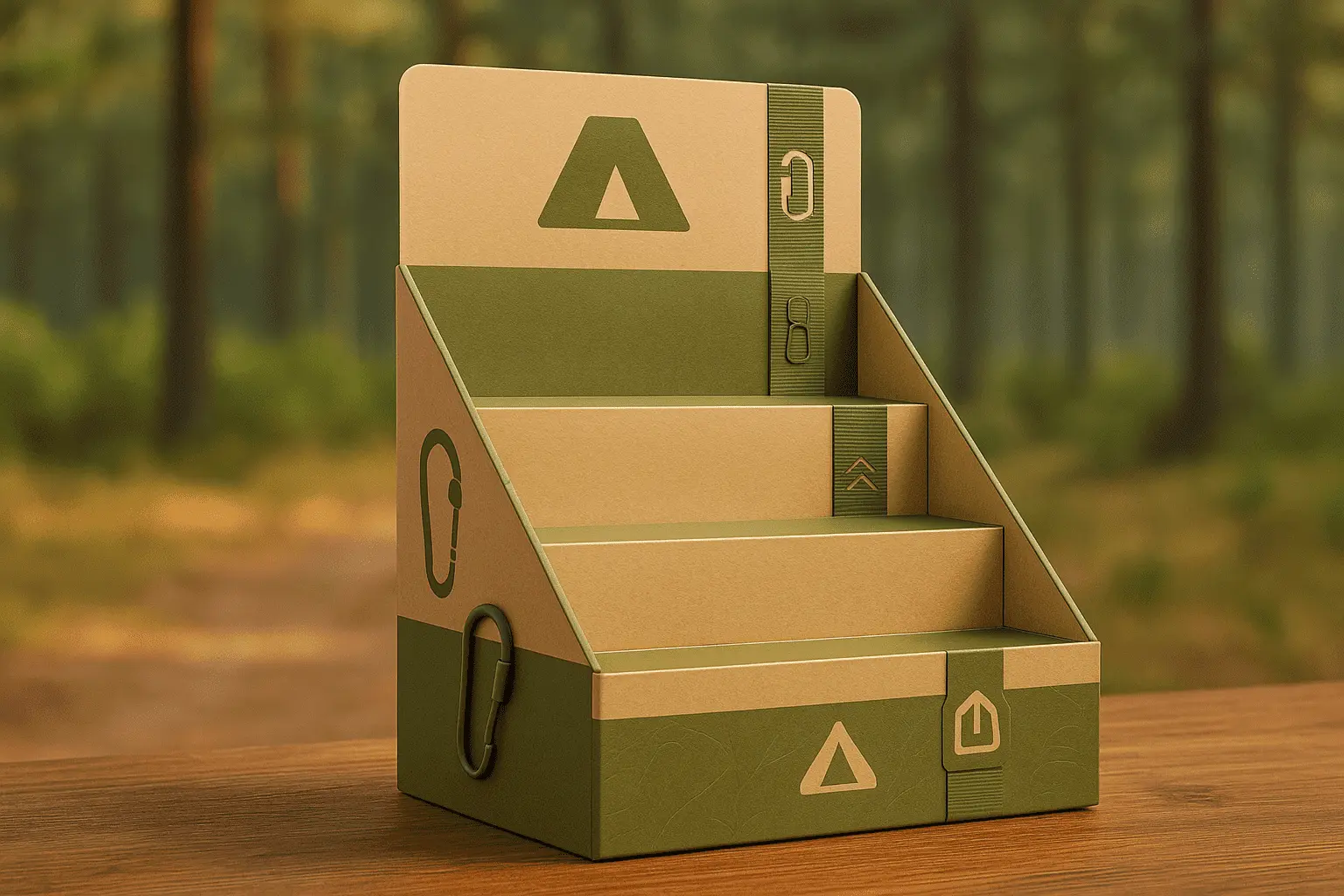
Modern FMCG brands care more and more about being environmentally friendly, which increases the need for reusable and biodegradable display materials that still meet structure performance standards. Modern corrugated engineering methods, like changing the flute directions and building with two walls, make it possible for environmentally friendly materials to carry heavy loads while still meeting standards for transport durability.
Waterproof base treatments and moisture-resistant coats solve problems that often happen in retail settings, especially in food stores where cleaning the floors could damage the structure of displays. These tech solutions make promotional items last longer and cost less to replace when they break down too soon.
Brand Storytelling Integration
When brand stories are told in a way that makes people feel something, simple product displays become memorable experiences for customers. When you strategically combine brand colors, fonts, and messaging, you can make unique retail moments that help people remember your brand and affect their decisions to buy even after the offer ends.
Interactive elements, like QR codes, product demos, or sensory features, keep people interested for longer and give you info on how they connect with your brand. To make sure they work for a wide range of people, these technology connections need to strike a balance between being complex and being easy to use.
Step-by-Step Process to Develop Effective Floor Displays for FMCG
To make effective marketing solutions, you need a methodical approach that includes market study, working together on the design, and strict testing rules. This organized method makes sure that the end displays meet both the needs of the brand and the needs of the business in a variety of store settings.
Comprehensive Market Research and Environment Analysis
Understanding the demographics and behavior trends of your target shoppers is the first step in making a good floor display stand. To find the best positioning tactics and design parameters, retail environment analysis looks at things like space limitations, traffic flow patterns, and the competitive scene.
Assessing the plan of a store can tell you a lot about things like lighting, floors, and placement options that can affect how well a display works. Changes in temperature, humidity, and cleaning methods all have an effect on the choice of materials and engineering specs that decide how long something will last and keep its appearance.
Collaborative Conceptualization and Prototyping
Working together as a design team combines marketing goals with engineering feasibility to make working prototypes that strike a balance between how they look and how well they work. Rapid modeling methods allow for iterative improvement without causing big cost increases. This lets teams improve the performance and appearance of structures.
During the prototyping process, testing the materials finds any possible flaws before they are used in mass production. This cuts down on quality control problems and makes sure that the screens meet performance standards. Load testing, review of the assembly, and color matching checks keep costly changes from having to be made during the production process.
Rigorous Testing and Performance Validation
Focus groups and store test programs are great ways to get feedback from customers on how well displays work and how people interact with them. Retailer feedback addresses practical issues such as how hard it is to put together, how quickly items need to be restocked, and how to best use space.
Performance metrics tracking looks at important numbers like sales increase, stay time, and conversion rates that show a real effect on the business. This method is based on data, which allows for continuous improvement and backs up design choices for future projects.
Case Studies: Successful FMCG Floor Displays That Boost Sales
Examples from real life show how strategic display design can be used to turn theoretical ideas into measured business results in a range of FMCG categories and store settings.
Modular Seasonal Promotion Success
During the summer, a major beverage brand used flexible floor display systems for promotional efforts and saw a 35% increase in sales compared to standard shelf placement. It was easy to quickly set up in 2,500 retail sites, and the modular design worked with different store plans and inventory levels.
Key success factors included lightweight construction that made it easy to put together, weatherproof materials that could be used outside, and a variety of design choices that made the most of the product's space while still looking good. Logistics costs were cut by 40% when flat-pack shipping was used instead of pre-assembled options.
Sustainable Design Environmental Impact
A company that makes consumer goods made eco-friendly displays out of materials that can be recycled over and over again without affecting the displays' strength or appearance. Customers who care about the environment liked the sustainable method, which led to 28% more brand favorability and 15% more sales than regular ads.
The eco-friendly floor display stand could hold 25kg of product while still passing the standards for ISTA 3A transport tests thanks to advanced corrugated engineering methods. During the 8-week promotional time, water-based inks and biodegradable coats kept the colors bright without harming the earth.
Interactive Technology Integration
An electronics store added live demonstrations to their product displays, which led to a 45% rise in stay time and a 22% rise in conversion rates. Touch-screen interfaces gave customers information about products, comparison tools, and demo videos that helped them learn and affected their buying choices.
Security integration kept high-value display goods safe while still letting customers interact with them. Weighted bases and hidden wire management made sure that the tables were safe and stable during busy customer interaction times.
Best Practices and Tips for Choosing the Right Floor Display Supplier
Choice of supplier has a big effect on campaign success through manufacturing quality, shipping dependability, and the ability to provide continued support. The factors for evaluation must include technical knowledge, production ability, and the chance to work together.
Technical Capability Assessment
When judging manufacturing skills, it's important to look at things like the capabilities of the tools, quality control systems, and engineering support resources. Advanced printing technology, precise die-cutting tools, and automatic assembly systems are all signs of providers who can meet the quality needs of big orders.
Following certification rules, such as ISO 9001 quality management and environmental standards, shows that the business is mature and dedicated to professional standards. Industry-specific licenses, like handling food-grade materials or making sure technology parts work with each other, make sure that rules are followed and products are safe.
Logistics and Service Considerations
For promotional efforts that need to be delivered quickly, where delays can cost a lot of money, reliable delivery timing is very important. Location of suppliers, relationships for delivery, and the ability to handle inventory all have a direct effect on lead times and how much they cost.
Support after the sale, such as having replacement parts available, technical advice, and fixing quality problems, saves marketing investments and keeps relationships with retailers strong. Superior sellers are different from basic manufacturing companies because they can communicate quickly and solve problems.
Partnership Development and Long-term Value
In addition to basic production services, collaborative sellers offer design advice, new materials, and information on market trends that make campaigns more effective. Through advanced materials and building methods, research and development skills allow for continuous growth and a competitive edge.
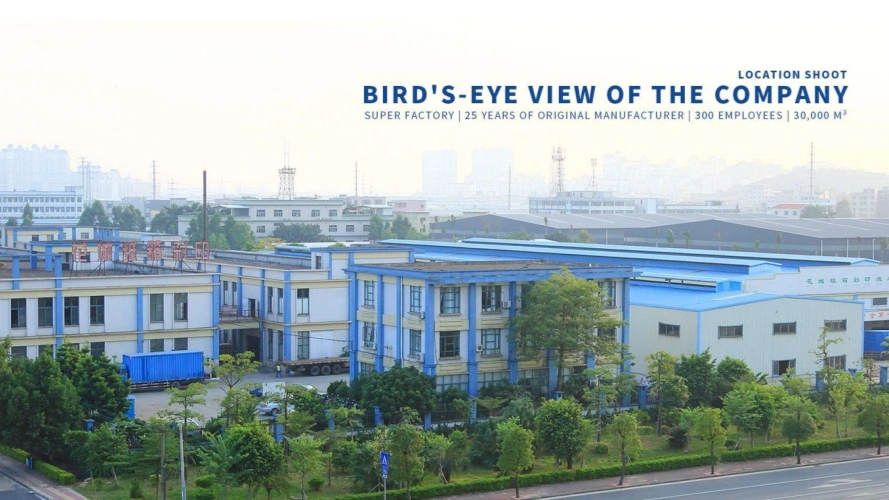
Fetching Printing exemplifies comprehensive supplier partnership through our 25-year industry experience and advanced 50,000㎡ manufacturing facility. Our team of over ten packaging engineers provides specialized expertise in structural development, material innovation, and process optimization that ensures floor display solutions meet exacting performance requirements while maintaining cost-effectiveness.
Conclusion
To make good FMCG floor displays, you need to find a balance between what consumers want and what works best for the business. You can do this through smart design, using good materials, and building ties with dependable suppliers. Procurement teams can make displays that increase sales by understanding the challenges of the store setting, using tried-and-true design principles, and following organized development processes. To be successful, you need to do a lot of study on the market, work together to make prototypes, test them thoroughly, and keep improving their performance so they meet changing customer and retailer needs.
FAQ
What weight capacity should I expect from corrugated floor displays?
Standard corrugated structures can hold 5-10kg per shelf, but specialized systems with double-wall materials and metal supports can hold 25-40kg. Weight capacity relies on the direction of the flutes, the thickness of the material, and how well the structure is designed.
How long do temporary floor displays typically last in retail environments?
Corrugated floor display boxes are made to be used for advertising for two to six weeks. Lifespan is affected by humidity, how often you restock, and the elements of your surroundings. For campaigns that last longer than three months, solid materials like metal or wood building are needed.
What assembly time should retailers expect for flat-pack displays?
Professional designs make it possible for most store workers to put it together without any tools in 5 to 7 minutes. Displays that take longer to put together don't meet usability standards and make it harder for store partners to run their businesses efficiently.
Partner with Fetching Printing for Superior Floor Display Solutions
For FMCG projects to be successful, they need to work with experienced floor display manufacturers who can provide both technical know-how and reliable delivery. Fetching Printing brings to every project 25 years of experience in designing new packages, advanced production skills, and a wide range of quality certifications, such as ISO 9001 and FSC compliance. Our specialized research and development team of packaging engineers creates unique solutions that meet performance needs while also cutting costs in a wide range of store settings. Email our team at support@fetchingprinting.com to talk about your unique display needs and find out how our years of experience can help your next marketing effort.
References
Smith, J. & Anderson, K. (2023). "Retail Merchandising Strategies for FMCG Success." Journal of Consumer Marketing Research, Vol. 45, Issue 3.
Thompson, M. (2024). "Sustainable Packaging Solutions in Modern Retail Environments." International Packaging Technology Review, Vol. 28, Issue 1.
Williams, R. et al. (2023). "Point-of-Purchase Display Effectiveness in Competitive Retail Settings." Retail Management Quarterly, Vol. 52, Issue 4.
Johnson, L. (2024). "Consumer Behavior Analysis: Visual Merchandising Impact on Purchase Decisions." Marketing Psychology Today, Vol. 31, Issue 2.
Davis, P. & Miller, S. (2023). "Engineering Standards for Corrugated Display Construction." Packaging Engineering Journal, Vol. 67, Issue 8.
Brown, A. (2024). "Supply Chain Management for Promotional Display Manufacturing." Industrial Production Review, Vol. 41, Issue 6.