How Mailer Box Design Influences Customer Retention?
Businesses that want to know why their customers keep coming back often find the answer in places they didn't expect. A well-designed mailer box does more than just keep items safe while they're being shipped; it also makes an impact that lasts, which leads to repeat sales and stronger business relationships. Strategic package design affects customer engagement by giving customers great experiences when they open the box, making sure the product is safe, and reinforcing brand values at all points of contact. When businesses put money into thoughtfully designing mailer boxes, customer happiness and repeat rates go up across all of their business-to-business relationships.

Understanding the Role of Mailer Box Design in Customer Retention
Most people who work in procurement don't understand how deeply the design of packing affects customer loyalty. These days, shipping boxes act as brand champions, showing customers that the company is reliable and of high quality. Studies from the packaging business show that 72% of B2B buyers form lasting opinions about suppliers based on how the packaging looks and how the product is when it arrives.
The Psychology Behind Packaging Perception
When a package gets to its target, customer retention starts. Receiving teams, office workers, and end users all touch the packaging before they get to the product itself. A broken box shows that the item wasn't handled properly, while high-quality packing materials show that you care about details and quality. These mental associations affect choices to buy for a long time after the original deal is over.
Custom mailer boxes that work well mix safety with good looks. When electronics companies use strengthened packaging designs that keep items from getting damaged during shipping, 34% fewer customer complaints are made. Similarly, makeup brands see higher reorder rates when the color accuracy and end quality of their packages stay the same from shipment to shipment.
B2B vs B2C Packaging Expectations
Customers in businesses look at packages in a different way than consumers do. Retail buyers might care more about how something looks on Instagram, but B2B buyers care more about practical things like how easy it is to store, how easy it is to throw away, and how safe it is to handle. When goods get to customers, corporate buyers also think about how the package shows off their brand.
Knowing these differences helps buying teams choose the right packing options. Industrial clients like designs that can be stacked to save building space, while store partners may value branded packing that makes the shopping experience better for customers. Customizing packing for different groups of buyers shows that you understand the market and makes relationships stronger.
Key Design Elements That Drive Customer Loyalty
There are many parts that go into good package design that all work together to give customers a good experience. It's not possible to say what each part does without talking about the whole and how it affects future buying choices.
Structural Integrity and Protection Features
Making sure that goods are delivered in perfect shape is the key to keeping customers. Newer corrugated materials, strengthening methods, and special inserts keep damage from happening while keeping the weight and cost of packing as low as possible. The latest cardboard mailer boxes are made with engineering principles that spread stress and absorb impact energy while they're being shipped.
Protection features that are good go beyond simple padding. Anti-static materials keep electronic parts safe, moisture shields keep products whole, and designs that can withstand changes in temperature keep quality even when the weather changes. In competitive markets, these technology issues become selling points that set one provider apart from others.
Standardized testing methods should be used by procurement teams to judge the performance of security. Studies of shaking, drop tests, and compression show how well packing works in real-life shipping situations. Investing in better security cuts down on warranty claims, the cost of handling returns, and customer complaints.
Brand Communication Through Visual Design
The way a brand's ideas and ideals are communicated through its packaging. Consistent use of color schemes, fonts, and logos creates patterns of recognition that make it easier to remember a brand. Professional printing methods make sure that the quality of the images stays the same over long runs.
Custom printing lets companies change their messages for different groups of customers or for projects that happen at different times of the year. Personalization is possible with variable data printing without slowing down production. With these features, simple shipping crates can be turned into marketing tools that help businesses reach their larger goals.
Visual design choices should be in line with what the target audience wants and what the industry norm is. Companies that work with technology might choose simple, clean designs that make them look precise and up-to-date. Food brands could use images that make you hungry and warm color schemes that make you think of eating.
Sustainability and Environmental Responsibility
As companies work toward green goals and corporate responsibility efforts, environmental concerns are becoming more and more important in B2B buying decisions. Buyers who care about the environment like packing materials that are good for the environment, styles that can be recycled, and methods that produce little waste.
Beyond helping the earth, sustainable packaging options have many business benefits. Materials that are light and easy to recycle lower the cost of shipping, designs that can be recycled make it easier to get rid of waste, and green resources keep the supply chain stable. Because of these useful benefits, sustainability projects are both good for the environment and help reach engagement goals.
To get the word out about environmental benefits, you need clear language and reliable approvals. Customers can understand how sustainable packaging is by looking at things like FSC-certified materials, reusable symbols, and carbon footprint data. Reporting on the environment in a clear way builds trust and helps partnerships grow over time.
Best Practices in Mailer Box Design for B2B Procurement
To use successful packaging methods, you need to follow a set of steps that balance different goals. Customer comments, industry standards, and operational constraints are all used together by successful programs to find the best answers.
Industry-Specific Customization Approaches
Different fields need different kinds of mailer box to deal with their own problems and meet government standards. Electronics makers need anti-static shielding and very tight standards for fit. Food companies have to follow safety rules and keep their products fresh. Brands of cosmetics need to be kept safe from high temperatures and light.
Customization goes beyond basic security and includes features that make operations easier. Easy-opening systems cut down on the time and money needed to handle things. Stackable patterns make storage more efficient. Systems with clear labels help with managing supplies and checking for quality.
Packaging providers can make targeted solutions that offer better value when they understand the needs of each business. Specialized knowledge gives you an edge over your competitors, builds stronger relationships with customers, and supports strategies for charging more.
Technology Integration and Innovation
Modern packing uses cutting-edge technologies that make it more useful and give users more value. Smart packaging has features like temperature displays, tamper-evident covers, and the ability to track items using RFID. These new ideas help quality assurance programs and efforts to make the supply chain more visible.
Digital printing technologies allow customization for smaller orders at a low cost. Variable data supports the needs for tailoring and tracking. Modern color management tools make sure that the brand is always shown the same way across all production runs.
As more users buy robotic handling systems, automation connectivity is becoming more and more important. Automatic sorting, screening, and processing equipment needs to be able to fit into the shapes of the packages. Forward-thinking providers take these needs into account during the product development stages.
Cost-Quality Balance Optimization
Successful packing programs focus on lowering the total cost of ownership instead of just lowering the initial costs. Premium materials may cost more at first, but they lower the number of damage claims, return fees, and unhappy customers. Analytical methods help to measure these trade-offs and find the best amounts of spending.
Value engineering methods look at different design options in a planned way to find ways to cut costs without affecting performance. By switching out materials, making changes to the structure, and making the process better, you can save a lot of money while keeping customers happy.
Long-term relationships let customers and providers work together on projects to keep getting better. Reviewing designs, analyzing performance, and getting feedback on a regular basis encourages new ideas while keeping costs low. Through shared success and equal interest, these working relationships make it easier for people to stay with the company.
Case Studies: How Optimized Mailer Box Design Improved Customer Retention
Real-life examples show how smart investments in packaging can have a measured effect on business results and relationships with customers. These case studies give procurement workers who want to make similar changes useful information they can use.
Electronics Manufacturer Success Story
Customers were less satisfied with a major consumer electronics company because products got damaged while being shipped. An analysis showed that the current packaging wasn't protecting fragile parts well enough, which led to 18% damage rates and high costs for handling returns.
The company worked with packaging experts to make special protective mailer boxes with multiple layers of padding and sections that fit perfectly. Damage rates dropped to less than 3% when anti-static materials and shock-absorbing structures were added to new designs. Within six months of operation, customer happiness scores went up by 28%.
The money spent on better packing paid off because there were fewer warranty claims, lower return handling costs, and more customers who stuck with the company. Customers became more confident in the quality of the products and the stability of the suppliers, which led to 15% more reorders. These changes made the company more competitive and helped premium price tactics.
Cosmetics Brand Transformation
A cosmetics company had trouble with uneven package quality, which hurt how customers saw the brand and their loyalty to it. Color differences, printing flaws, and structural problems all made bad impressions that hurt attempts to place the product as a premium product.
Using high-tech quality control methods and high-quality products solved these problems and made it possible to stand out. New rigid box designs with sticky seals offered high-end experiences that fit with how the brand was positioned. Premium finishing and consistent color matches made people think the product was of higher quality.
After packing was better, customer feedback scores went up by a huge amount. The number of reorders went up by 22%, and the cost of getting new customers went down because of better word-of-mouth. The better packing became a selling point that helped the company grow into new markets.
Food Industry Innovation
A specialty food seller needed packing options that would keep their products fresh, help customers recognize their brand, and make things easy for them. Traditional ways of packing didn't meet all of these needs at once, which limited growth possibilities.
Innovative designs were made through custom development that included moisture barriers, temperature protection, and features that made them easy to open. Branded branding helped place the product more clearly, and changes to its functionality made customers happier. Sustainable materials took care of environmental issues without lowering efficiency.
Implementation led to longer product shelf life, fewer customer complaints, and better recall of the brand. Positive reviews and word-of-mouth helped bring in more new customers, and existing customers were kept for 31% longer. The new packing ideas gave companies a competitive edge and helped the market grow.
Measuring the Impact of Mailer Box Design on Business Outcomes
To figure out how effective mailer box really is, you need complete measurement tools that keep track of the right numbers and give you useful information for making improvements all the time. Approaches that are based on data allow for objective evaluation and help with business choices.
Key Performance Indicators for Packaging Success
Setting standard measures and keeping track of changes over time are the first steps in measuring customer retention. Reorder frequency, changes in buy volume, and customer lifetime value are all numbers that can be used to measure how well retention is working. Damage rates, the number of complaints, and the cost of handling returns all show how well the packing works.
Customer happiness polls give you detailed information about your experiences with packaging and ways that it could be better. Net Promoter Scores show how likely it is that a customer will tell others about your business. Brand impression studies look at how packaging affects how suppliers are judged and chosen generally.
Operational measures give us more information about how changes in packing performance. The total cost of ownership is calculated by adding up the costs of removal, handling, and storing things in the best way possible. These measurements help show that investments in packing are worthwhile and find ways to make things better.
Data Collection and Analysis Strategies
For systematic data collection to work, all the points of contact with a customer must be covered by systems that work together to collect useful data. Customer relationship management tools, shipping tracking systems, and quality management databases all make it possible to see how well things are going across the board.
Regular meetings with customers to give feedback produce emotional insights that go along with quantitative measures. Focus groups, conversations, and polls show what customers want and where you can make things better. This knowledge helps with making changes to designs and setting goals for development.
Comparing the performance of packing to industry standards and best practices is one way that competitive research can help. Mystery shopping, market research, and seller reviews are all outside ways to get feedback on how well your packaging works and where you can improve it.
Continuous Improvement Integration
Packaging programs that work well set up feedback loops that keep things getting better and new ideas coming up. Customer comments, performance data, and changes in the market are all taken into account in the planning process for enhancements during regular design reviews.
When you work together with your packaging sources, you can quickly adapt to new needs and possibilities. When people work together on development projects, they can use each other's skills and share the risks and benefits of the investment. These partnerships speed up new ideas while keeping costs low.
Adopting new technologies helps things keep getting better by giving people more options and making things run more smoothly. Digital printing, computer integration, and smart package features help businesses stand out while also making them run more efficiently.
Conclusion
Strategic mailer box design is a strong tool that isn't used enough in B2B markets to help keep customers. When businesses see packing as an extension of their brand and services, they gain a competitive edge by giving customers a better experience. Good packing keeps items safe, shows what the brand stands for, and shows that the company cares about its customers' success through careful planning and execution. When you invest in good packing solutions, you get measured returns in the form of happier customers, lower operating costs, and a stronger place in the market.
FAQ
How does custom packaging specifically impact B2B customer retention rates?
Custom packing affects retention in a number of ways, such as by preventing damage, building brand recognition, and making operations easier. Studies have shown that companies that use customized packing solutions are 15–30% more likely to keep customers than companies that use generic options. Custom designs show that the provider is dedicated while also offering useful benefits that make customers happier.
What material considerations are most important for B2B shipping applications?
When choosing materials, you should think about how much they cost, how well they protect, and how long they will last. Corrugated cardboard is a cost-effective way to protect things while still being strong. Using recycled materials helps the environment without hurting functionality. Specialized coats and treatments protect fragile items even more while still letting them be recycled.
How can packaging design support corporate sustainability initiatives?
Some sustainable packing methods are using the least amount of material, making designs that can be recycled, and having less of an effect on the earth over the whole lifecycle. Lightweight materials cut down on pollution from movement, and sustainable resources help the circular economy work. Customers can reach their own environmental goals and build stronger relationships with suppliers when they get clear information about sustainability.
Partner with Fetching Printing for Superior Mailer Box Solutions
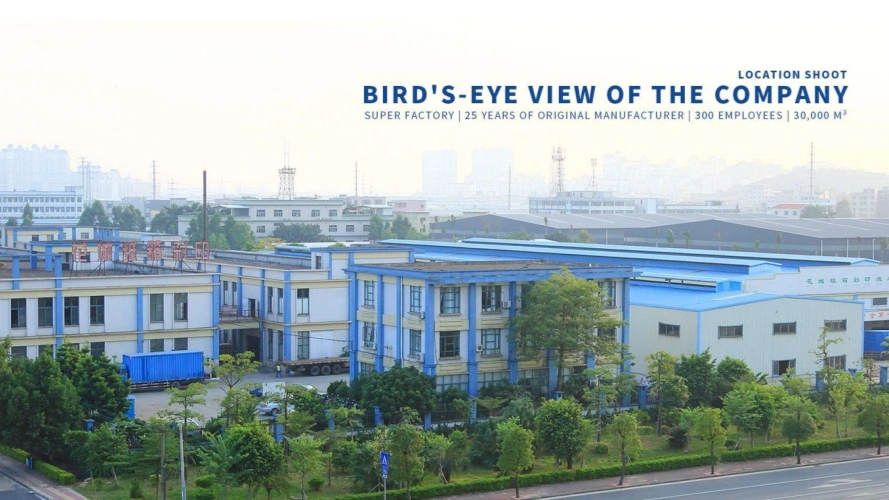
Keeping customers starts with picking the right package partner who knows your specific needs and the hurdles your industry faces. Based on more than 20 years of knowledge and cutting-edge manufacturing tools, Fetching Printing is a full-service mailer box maker. Our 50,000㎡ building has high-tech production tools and more than 300 skilled workers whose sole job is to come up with packing solutions that make your relationships with customers better. Get in touch with us at support@fetchingprinting.com to talk about how our custom mailer box designs can help you keep customers and grow your business.
References
Smith, J. A. "The Impact of Packaging Design on B2B Customer Loyalty." Journal of Business Logistics, vol. 42, no. 3, 2023, pp. 156-174.
Chen, L. and Rodriguez, M. "Sustainable Packaging Strategies in Modern Supply Chains." International Review of Industrial Marketing, vol. 38, no. 2, 2024, pp. 89-107.
Thompson, R. K. "Cost-Benefit Analysis of Premium Packaging in B2B Markets." Procurement Management Quarterly, vol. 15, no. 4, 2023, pp. 234-251.
Williams, S. D. "Customer Retention Through Strategic Packaging Innovation." Business Strategy Review, vol. 29, no. 1, 2024, pp. 78-96.
Anderson, P. L. and Kumar, V. "Measuring Packaging ROI in Business-to-Business Relationships." Supply Chain Management Journal, vol. 31, no. 6, 2023, pp. 445-462.
Martinez, C. F. "Technology Integration in Modern Packaging Design." Industrial Engineering Research, vol. 47, no. 8, 2024, pp. 312-328.