Sustainable Mailer Box Packaging for Online Stores
Sustainable letter box packaging is now a must for online shops that want to be more eco-friendly while still staying true to their brand. These shipping options are good for the environment because they use recycled materials, biodegradable parts, and new plant-based plastics to make packing that keeps things safe while they're in transit without hurting the environment. The sustainable mailer box is a step toward the circular economy. It gives businesses a chance to align their shipping operations with growing consumer demand for environmentally friendly practices. This could also lower long-term packaging costs by making operations more efficient and reducing waste.
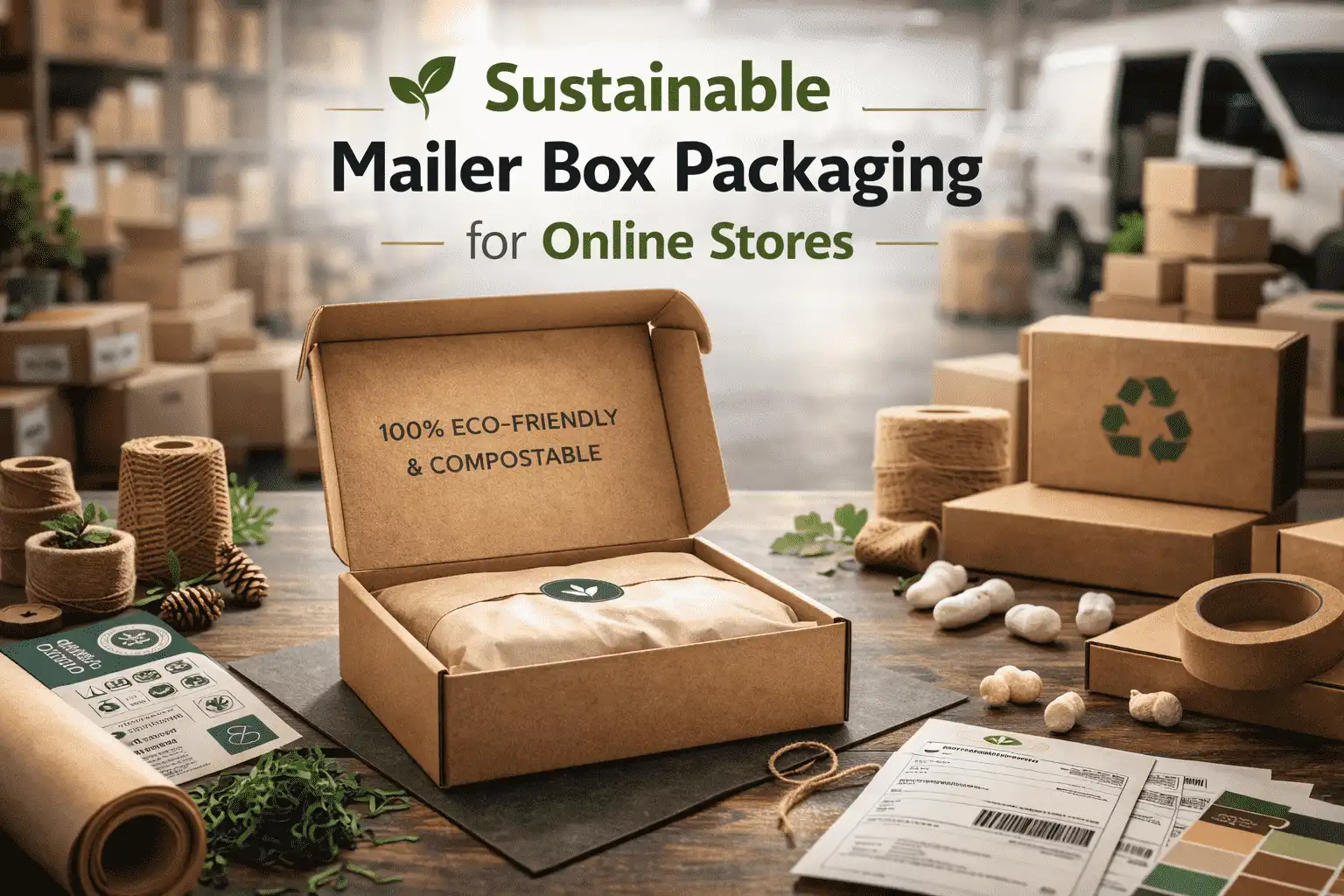
Understanding Sustainable Mailer Boxes: Definition, Materials, and Environmental Impact
Sustainable mailer boxes have become one of the most popular environmentally friendly shipping options thanks to the development of e-commerce packing. These new packaging systems are very different from regular plastic or paper boxes that aren't recycled because they care about the earth and save resources.
Core Characteristics of Eco-Friendly Mailer Boxes
Eco-friendly mailer boxes have a few unique features that set them apart from other types of packing. Most of the time, these things are made from materials that can be recycled, composted, or biodegraded safely without harming the earth. For printing, these boxes usually use water-based inks, adhesives that come from natural sources, and protected parts that are made from green resources instead of plastics made from oil.
The way these mailer boxes are built makes the best use of the materials they have while still protecting them. A lot of environmentally friendly choices use corrugated cardboard made from post-consumer recycled material. This kind of cardboard is very good at cushioning and is also light enough to keep shipping costs low. The process of making them often uses less energy than making plastic replacements, which helps lower the carbon footprint over the whole production cycle.
Material Innovations in Sustainable Packaging
Environmental goals can be met with modern sustainable mailer boxes that use a variety of material technologies. Paper and cardboard that have been recycled are still important products, and they often contain 70 to 100 percent post-consumer trash. Specialized processing is used to bring back the fiber strength and make sure that shipped goods are properly protected.
Innovative plant-based composites made from farm waste, mushroom-based mycelium, and seaweed extracts are all biodegradable choices. Under the right conditions for recycling, these things can break down naturally in 90 to 180 days without leaving behind any harmful chemicals. The creation of these bio-based materials is a big step forward in packing technology. They exhibit performance traits similar to traditional materials while still being completely biodegradable.
Instead of using plastic lamination, paper-based options that are mixed with natural barrier layers keep out water. These coatings, which are usually made from plant waxes or special mineral treatments, make the package strong enough to survive different shipping conditions while still being fully recyclable through regular paper recycling systems.
Environmental Benefits and Circular Economy Impact
Sustainable mailer box benefits go beyond just reducing waste. These packing options help reduce the amount of trash that ends up in landfills by making it easier to recycle and break down naturally. Studies show that using eco-friendly boxes instead of plastic ones can cut carbon emissions from packaging by 25 to 40 percent over the whole lifetime of a product.
The circular economy ideas built into sustainable package design help save resources by recovering and using materials again and again. Using recycled content lowers the need for new materials, which helps protect trees and natural environments. When properly processed, the biodegradable parts improve the health of the earth, creating a closed-loop system that turns trash into useful resources.
When using sustainable options, less water is usually used during production because many eco-friendly production methods need less harsh chemical treatments and cleaning procedures. Less dangerous chemical runoff saves aquatic areas and encourages cleaner manufacturing practices in the packaging business as a whole.
Comparison of Sustainable Mailer Boxes vs Traditional Alternatives
Knowing the differences between eco-friendly and regular packaging helps you make smart buying choices that protect the environment and keep things running smoothly. This in-depth study looks at key success factors across a number of different evaluation criteria.
Environmental Impact Analysis
These old-fashioned plastic boxes are very bad for the earth because they are made from petroleum and break down very slowly. These things can stay in dumps for 500 to 1000 years, adding to microplastic pollution and environment damage. The manufacturing process releases a lot of carbon into the air and needs a lot of energy to make and process polymers.
Multiple environmental measures show that sustainable mailer boxes are much better at protecting the earth. The carbon impact is 30–50% smaller than with plastic alternatives, and it can be recycled, composted, or biodegraded when it's time to get rid of it. The sources of renewable materials support methods for managing forests and using farming trash, which creates good feedback loops for the environment.
When it comes to environmental effect review, paper boxes that aren't recycled are in the middle. Even though these materials break down more quickly than plastics, they are usually made by collecting new fibers and using a lot of chemicals. Because it doesn't contain any recovered materials, it puts more stress on forest resources and costs the earth more in the long run than sustainable options that use post-consumer materials.
Performance and Durability Considerations
When businesses ship fragile or expensive goods, durability worries often play a role in the packaging they choose. Modern sustainable mailer boxes work just as well as traditional ones thanks to better material engineering and more advanced manufacturing methods.
Corrugated sustainable mailer boxes are great for electronics, makeup, and fashion items because they are strong when compressed and don't break easily when hit. The multiple layers of construction evenly spread stress, and the natural fiber support makes it more resistant to tears. We can better control moisture now that there are bio-based barrier layers that keep packages intact while they're in transit.
Custom lightweight choices are especially helpful for shippers who ship a lot of items and want to keep shipping costs as low as possible. These solutions keep the defensive properties of packages while lowering their weight by 15–25% compared to traditional options. Cutting down on weight directly saves money on shipping costs and lowers fuel use across delivery networks.
Lifecycle Cost Analysis
When it comes to money, sustainable packing has effects that go beyond the initial buy price. These effects include the total cost of ownership. Even though sustainable mailer boxes may cost more at first, the lifespan analysis shows that they could save you money in the long run by lowering the cost of shipping, lowering the cost of disposing of trash, and raising the value of your brand.
As production rates grow and material prices level off, bulk pricing for environmentally friendly options has become more competitive. Many providers offer bulk discounts that bring the costs of sustainable packaging options down to 5–15% of the costs of standard packaging. The practical benefits often more than make up for this difference.
As consumers become more interested in environmentally friendly businesses, brand image value becomes a vague but important cost factor. The marketing benefits of eco-friendly packaging can help bring in and keep customers, which can lead to measured income gains that support investing in high-quality packaging.
How to Choose the Best Sustainable Mailer Box for Your Business?
To choose the right sustainable packaging, you need to carefully consider a number of things that affect both the environment and the business's success. When decisions are being made, they have to balance the need to be environmentally friendly with real issues like cost, performance, and supply chain fit.
Evaluation Criteria for Sustainable Packaging
A durable assessment is the basis for choosing a sustainable mailer box, since not enough protection can cause damage to the product, unhappy customers, and more returns. Compression strength, drop resistance, and moisture protection should all be tested in real-life shipping circumstances. Through better material formulations and structure design optimization, many environmentally friendly choices now perform better than standard packing.
Verification of certification is an important way to make sure that environmental statements and industry standards are true. Some important certifications are FSC (Forest Stewardship Council) for environmentally friendly forest practices, Cradle to Cradle for following the rules of the cycle economy, and different biodegradability certifications like ASTM D6400 or EN 13432. These validations by a third party make sure that claims about sustainability are backed up by strict testing and verification processes.
A supplier's trustworthiness is judged by many things, such as their ability to make things, the consistency of their quality, how reliable their deliveries are, and their past of environmental compliance. Long-term relationship success and consistent product quality are more likely to happen with suppliers that have been around for a while, run their businesses openly, and recorded their sustainability practices.
Industry-Specific Requirements and Considerations
E-commerce companies have special problems because of the kinds of goods they sell and what customers expect from them. Fashion and clothing companies often care more about how their products look than how well they are protected, so they need sustainable mailer boxes that can print well and have fun opening moments. The package needs to keep the clothes dry and avoid hurting them, and it also needs to look good so that the brand is reinforced.
Shipping electronics and consumer goods needs better protection, like anti-static qualities, shock absorption, and accurate control of dimensions. Sustainable options that use recycled foam plugs or molded fiber safety systems can work just as well as plastic-based ones and still be good for the environment.
When making cosmetics and personal care items, you have to think about things like chemical interaction, barrier qualities, and following the rules. When used for these purposes, sustainable mailer boxes often have natural barrier coverings and food-grade materials to keep the product safe and avoid contamination during the transportation process.
Minimum Order Quantities and Pricing Strategies
MOQ has a big effect on buying sustainable packing, especially for small companies that want to keep their stocking costs as low as possible. Many companies that make sustainable packaging have lowered their minimum order quantities (MOQs) to work with businesses of all kinds. For example, some of them offer MOQs as low as 1,000 to 5,000 units for common configurations.
Custom printing and design changes usually need larger minimum orders, which can be anywhere from 10,000 to 25,000 units, based on how complicated the job is and what the seller can do. Custom sustainable packaging can help your business in big ways and make the customer experience better, which makes the bigger commitment and need for more product worth it.
When it comes to sustainable choices, volume pricing models that break down at 10,000, 50,000, and 100,000 units or more often show good economics at bigger quantities. Long-term contracts can save you more money and keep the supply going while keeping prices stable for a long time.
Implementing Sustainable Mailer Boxes: Design, Recycling, and Waste Reduction Strategies
Choosing the right materials for sustainable packing is only the first step. You also need to have a complete design plan and an end-of-life management system in place. These all-around methods get the most environmental benefits while also making brands stand out and getting customers more involved.
Design Innovation for Brand Identity and Sustainability
Modern design methods combine ideas about sustainability with eye-catching visuals to make packaging that meets more than one business goal. Soy-based inks and water-based coatings are used in environmentally friendly printing methods that make it possible for bright pictures and logos to be used without affecting the ability to recycle or break down. Compared to standard petroleum-based inks, these printing methods often make colors that are deeper and the quality of the print better.
Material-efficient building plans reduce waste while keeping the building's protective function and visual effect. New folding patterns and building methods use 20–30% less material than traditional box designs, and seals that are built in mean that you don't need any extra glue or plastic parts. These changes in efficiency directly lead to lower costs and better environmental outcomes.
When biodegradable packaging is used, it opens up a lot more ways for brands to tell stories. Customers can learn about environmental commitments, recycling directions, and sustainability successes straight from custom printing while they are opening the box. This teaching part supports the brand's values and encourages proper disposal methods that get the most out of the packaging's environmental benefits.
Recycling Best Practices and Customer Education
Clear instructions and easy steps that customers can easily follow are needed for recycling programs to work. Sustainable mailer boxes should have clear recycling icons and clear, step-by-step steps for throwing them away written right on the box. Research shows that packages with clear instructions are 40–60% more likely to be recycled correctly than packages without instructions.
The process of getting things ready for recycling should be easy. Usually, any sticky strips or plastic parts should be taken off before they are put in the paper recycling lines. Many environmentally friendly designs get rid of these bothersome parts completely, so customers can return the whole box without having to separate the parts. This makes things a lot easier, which increases compliance rates and lowers the amount of contamination in recycle processes.
Educating customers can include more than just the directions on the package. It can also include messages about sustainability and knowledge about how things affect the environment. There are QR codes that lead to online sites with thorough information on how to recycle, compost, and use biodegradable parts of the packaging, as well as information on how it helps the earth. These digital connections make it possible for customers to be more involved and help with the right end-of-life care.
Measuring Waste Reduction and Sustainability Impact
Key success indicators for programs that use sustainable packaging should include a number of measures that show how the program is helping both the earth and the business. Some ways to measure waste reduction are the amount of packaging that is cut down, the percentage of recovered content that is used, and the rate at which trash is diverted from landfills. These measures give us measurable proof that the environment is getting better and help with the standards for sustainability reporting.
A carbon footprint study compares the total emissions that happen during the whole lifetime of packaging, from making the materials to transporting them and throwing them away at the end of their useful life. Studies of sustainable mailer box applications show that they reduce carbon emissions by 25–45% compared to standard options. The biggest reductions happen during the dumping phase at the end of their useful life.
Consumer research consistently shows that people prefer environmentally friendly package choices, which means that sustainable packaging often leads to higher customer satisfaction levels. Net Promoter Scores and customer feedback surveys can show these benefits. Return rates and damage claims, on the other hand, show how well the protection works compared to more standard options.
Procurement Tips: Buying Sustainable Mailer Boxes Wholesale and Custom Printed Solutions
To buy sustainable packaging in a smart way, you need to know how the market works, what your suppliers can do, and how to find ways to save money while still meeting your sustainability goals. Professional ways of buying things can make a big difference in both saving money and protecting the world.
Wholesale Sourcing Strategies and Supplier Selection
When buying in bulk, sustainable mailer boxes are better because the suppliers are carefully checked to see if they are good for the earth and if they can do their job. Leading suppliers show they care about the environment by having approved production sites, clear supply chain practices, and ongoing growth programs that focus on improving environmental performance.
Manufacturing capacity and scalability are important things to look at when evaluating a business, especially one that is growing quickly or whose demand changes with the seasons. Reliable providers keep enough supplies on hand and can adjust production to meet changing order numbers without sacrificing quality or delivery times. Being able to easily increase output helps partnerships grow over time and keeps the supply chain stable.
Being close to production sites can save money on transportation and have a positive effect on the environment. It can also help with communication and quality control. But specialized providers of sustainable packaging may be farther away, so you'll need to carefully weigh the total cost and environmental effect, which includes the cost of shipping.
Customization Options and Brand Differentiation
Sustainable mailer box printing has greatly improved, allowing for the adoption of complex branding and designs without sacrificing environmental benefits. Modern printing methods allow for full-color images, gradient effects, and fine details, and they use eco-friendly inks and finishes that keep the ability to be recycled.
Customization choices for structures include different sizes, built-in safety features, and one-of-a-kind opening methods that improve the customer experience while still following environmental standards. These personalized touches can make unboxing experiences that people will remember, which can improve brand ties and encourage social media sharing, giving the packaging itself marketing value that goes beyond the packaging itself.
Personalization technologies let you print different names, messages, or ads for each customer, which makes the experience much more interesting for them and keeps the material bases sustainable. These features help build relationships with customers and make them loyal to your brand by giving them unique experiences that show you care about their needs.
Cost Optimization and Negotiation Strategies
To effectively control costs for sustainable packaging purchases, you need to know what the total costs are, which includes the costs of materials, shipping, storage, and lost opportunities for brand enhancement. Professional ways of negotiating center on building long-term partnerships instead of just getting the best price for the deal.
Through guaranteed annual buy volumes or multi-year contracts, volume commitment tactics can unlock big cost savings. These agreements help sellers predict demand, which lets them improve production and cut costs. On the other hand, buyers gain from stable prices and being given priority during times of high demand.
Payment term optimization and early payment rates can help suppliers handle their cash flow and save money at the same time. Many companies that make sustainable packaging give good payment terms to long-term customers because they know how important long-term relationships are in the growing market for sustainable packaging.
Conclusion
Sustainable mailer box packing is a chance for online stores to match their business practices with being environmentally friendly, and they might also be able to save money and set their brand apart. Many old performance concerns have been taken care of by the development of sustainable materials and manufacturing methods. This means that companies can use eco-friendly packaging without affecting the safety of their products or the experience of their customers. Sustainable packaging is becoming more and more popular among forward-thinking businesses that want to gain a competitive edge in environmentally aware markets. It has many benefits, such as reducing waste, improving carbon footprint, and improving brand image.
FAQ
What makes a mailer box truly sustainable?
A truly sustainable mailer box is made from recycled materials, recyclable parts, or green resources, and it can still be recycled or composted when it's time to throw it away. Some important signs are approved recycled material, biodegradability approvals, and production methods that have little to no effect on the earth.
How do sustainable mailer boxes compare in cost to traditional options?
At first, sustainable mailer boxes are usually 5–15% more expensive than standard ones. But a lifetime cost analysis usually shows that they are more cost-effective in the long run because they reduce shipping weight, save money on waste disposal, and raise brand value. Long-term arrangements and volume prices can help bring down costs even more.
Can sustainable packaging provide adequate protection for fragile items?
Through advanced material engineering and structure design, modern sustainable mailer boxes offer the same level of safety as or more than traditional options. Most of the time, recycled content materials are stronger than new materials, and bio-based protection inserts made from new materials are great for protecting sensitive items.
Partner with Fetching Printing for Your Sustainable Mailer Box Solutions
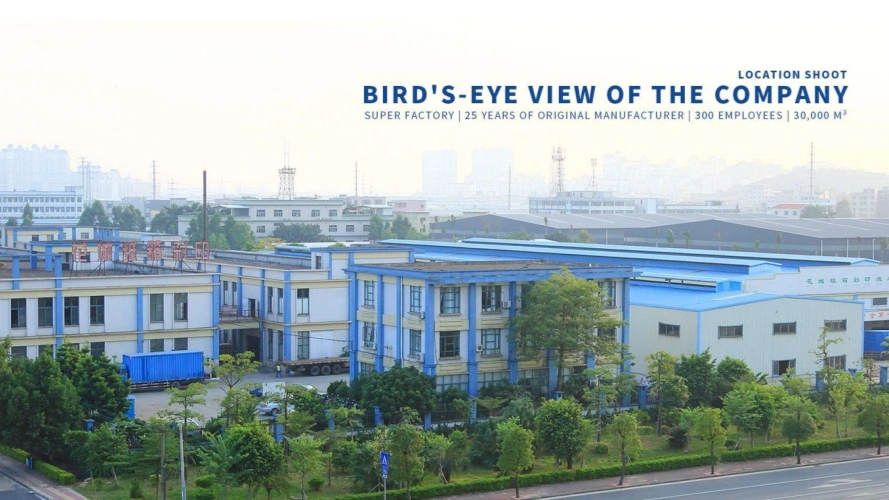
To make the switch to sustainable packing, you need a reliable sustainable mailer box maker with a wide range of skills. Fetching Printing has been coming up with new ways to package things for more than 20 years. We work out of a 50,000㎡ building with high-tech equipment and a focused team of more than 300 professionals. Our research and development (R&D) team, which is made up of more than ten highly skilled packaging engineers, comes up with cutting-edge, environmentally-friendly solutions that work very well to protect things. We make sure that your eco-friendly packaging meets the best quality and environmental standards by holding certifications like ISO14001-2015 Environmental Management System, FSC, and G7 Color Management. Email our support team at support@fetchingprinting.com to talk about your needs for sustainable mailer boxes and find out how our unique solutions can help your brand while also helping you meet your environmental goals. You can find more tools and case studies at insights.fetchingpack.com.
References
"Sustainable Packaging in E-commerce: Environmental Impact Assessment and Industry Trends," published in the Journal of Cleaner Production in 2023.
"Circular Economy Principles in Packaging Design: A Comprehensive Analysis of Material Recovery and Waste Reduction," Environmental Science & Policy, 2023.
The International Journal of Consumer Studies published a paper in 2023 called "Consumer Preferences for Sustainable Packaging: Market Research and Behavioral Analysis."
"Life Cycle Assessment of Packaging Materials: Comparing Environmental Performance Across Alternative Solutions," Resources, Conservation, and Recycling, 2022.
"Innovation in Bio-based Packaging Materials: Performance Characteristics and Commercial Applications," Materials and Design, 2023.
"Supply Chain Optimization for Sustainable Packaging: Cost Analysis and Implementation Strategies," published in the Journal of Business Logistics in 2023, talks about how to make shipping more environmentally friendly