How to Choose a Shelf-Ready Packaging Manufacturer
Numerous important factors that have a direct effect on your store business must be taken into consideration when choosing the right shelf-ready packaging manufacturer. The best maker has a track record of success in corrugated design engineering, full certifications like ISO9001 and FSC compliance, advanced production capabilities with fast prototyping services, and knowledge of your unique industry vertical. Good manufacturers also have clear pricing structures, dependable wait times, and strong quality assurance procedures that make sure the same level of performance from the prototype to full-scale production runs.

Understanding Shelf-Ready Packaging and Its Market Context
Retail-ready packaging is a smart idea that makes transportation more efficient and improves the way things are displayed. This way of packing changes the way the supply chain usually works by letting goods go straight from distribution centers to store shelves without having to be handled or repackaged again.
Defining Modern Retail-Ready Solutions
The "Five Easies" idea, set up by major industry groups, is used in modern packing solutions that are made to be put on shelves right away. These methods make it easy to find things by using big, noticeable pictures that let warehouse workers tell the difference between product groups right away. The design theory stresses easy-to-use opening devices with perforations or tear-tapes that get rid of the need for knives. This lowers the risk of damage to the product and injuries at work.
One-touch labeling systems can cut the time it takes to restock shelves by up to 40%, which makes replenishment much more efficient. Increased on-shelf supply and better access make shopping more enjoyable for customers. The environment is still the most important thing to think about when building something out of a single object, like corrugated board for easy recycle.
Industry Applications Across Sectors
The main use case is for high-volume, quickly-moving consumer goods. For example, grocery chains need packaging that can weather being handled quickly and still work well as a product dispenser. These uses need very high resistance to shop-worn look, and the structure needs to stay strong even when units are partly depleted.
When it gets humid, normal corrugated materials lose up to half of their stacked strength, which makes cold chain uses very difficult from an engineering point of view. Modern methods use semi-chemical fluting, functional barrier coats, and moisture-resistant adhesives to keep box compression test values stable in temperatures between 2°C and 4°C.
Designs that are pallet-ready and come in two-piece setups with trays and lids can be used in discount and club stores. These systems have to be able to hold huge loads vertically and perfectly line up with standard pallet measurements so that the most space is used during transport and the systems are stable when forklifts are being used.
Key Criteria When Choosing a Shelf-Ready Packaging Manufacturer
When choosing a manufacturer for shelf-ready packaging, you need to carefully look at their skills to make sure they meet your business needs and quality standards. Several people are involved in the decision-making process, such as sourcing managers, package engineers, and procurement directors. Each of these people brings a different viewpoint to the seller evaluation process.
Production Capabilities and Technical Expertise
Manufacturing skills include both the ability to use complex tools and the ability to understand how things work. Leading makers use cutting-edge corrugated transforming equipment that can make intricate die-cut designs with precise perforations. The technical team should show that they know how to optimize structure design by showing that they know how the direction of the material grains affects stacking strength and how to make perforation patterns that balance tear resistance with opening ease.
When you evaluate production capacity, you have to look at how much you can produce at your peak, especially when demand goes up during busy times of the year in the food and consumer goods industries. Manufacturers should be clear about their wait times and show that they can handle rush orders without lowering the quality of their products.
Quality Assurance and Compliance Standards
Quality control systems are what make sure that products are delivered consistently. Certification in ISO9001-2015 means that quality control is done in a planned way, and certification in ISO14001-2015 means that environmental management is taken seriously. FSC approval makes sure that fibers are sourced in a responsible way, which is especially important for brands that want to talk about sustainability.
Box compression testing is an important part of quality infrastructure because it lets producers make sure that the designs of their packaging meet specific load-bearing requirements. The fact that ISTA 3 series testing can be done shows that puncture lines keep their ability to protect packages throughout distribution rounds.
Design and Customization Services
The success of shelf-ready packaging relies on how well the design balances usefulness with brand presentation. Manufacturers should have specialized design teams that can come up with custom solutions instead of just changing templates that are already out there. This means knowing how to use FEFCO coding systems and how different mixtures of curved flutes can change the quality of prints and the way structures work.
Prototyping lets you make small changes to a design over and over again before committing to full production runs. Rapid manufacturing services, ideally with response times of less than 72 hours, help products be developed more quickly and let you try different versions of the design.
Matching Your Specific Needs to Manufacturing Solutions
Because each industry has its own needs, it needs its own unique ways of making things for shelf-ready packaging that can deal with practical problems and meet legal requirements. Understanding these sector-specific needs makes it easier to evaluate and choose manufacturers.
E-commerce and Online Retail Requirements
For high-volume operations, e-commerce apps put sturdiness and cost-effectiveness of shipping boxes at the top of their list of priorities. Companies that can make these applications need to know how to make packages that protect goods during shipping while keeping costs low for big orders. It's important to be able to customize logo printing and other branded items in order to build brand recall in online markets that are very competitive.
Manufacturing partners should show that they have experience with a range of insert shapes and know how different closing methods affect both the safety of shipping and the experience of customers opening the box. Being able to clearly display prices for various levels of number makes cost models more accurate for e-commerce businesses that are growing.
Consumer Electronics and Technology Products
Electronics packaging needs to be carefully designed so that it can fit complicated product shapes and protect against noise and pressure as well as possible. Manufacturers should show that they know how to create foam inserts and use anti-static materials in ways that keep electrical parts from getting damaged while they are being shipped and handled.
Technology brands that want a high-end display that shows off their product quality and innovation need high-end design help. This includes knowing how to use anti-scratch laminates and precise die-cutting to keep the edges clean and the product looking professional all the way through the supply chain.
Food and Beverage Industry Specifications
To make food-grade packaging, companies need to get certain licenses and know a lot about the materials used to make sure the products are safe and follow the rules. For these uses, you need to know about grease and water protection technologies that keep the package's structure while keeping the quality and look of the food.
Mass-production steadiness is an important skill for food companies that need their packaging to work the same way across big runs. Manufacturers should show that they know how to quickly switch between different product setups and keep quality consistent over long production cycles.
Cost, Quality, and Environmental Impact Considerations in Manufacturer Selection
To find a good balance between cost-effectiveness, quality, and environmental duty, you need to look at the whole cost of ownership instead of just the unit price. This all-around method makes sure that long-term business goals are met through sustainable ties with suppliers.
Understanding Total Cost Components
In addition to the cost of materials and labor, shelf-ready packaging costs also include the cost of tools, coordinating transportation, and making sure the quality of the packaging. Transparent pricing systems should make setup costs, minimum order requirements, and volume-based pricing tiers easy to understand so that budgeting and cost-cutting strategies can be done correctly.
When comparing producers in different parts of the world, logistics issues become even more important. Costs for transportation, lead times, and keeping goods all add up to the total cost, and these costs should be taken into account when choosing a provider, along with unit prices.
Quality Metrics and Performance Standards
The performance of shelf-ready packaging relies on strict material standards and thorough testing methods that show how well the design works in the real world. The results of box compression tests must match certain stacking standards. Perforation strength tests make sure that the boxes are strong enough to be opened by hand without tearing during shipping.
When checking for durability, different weather conditions should be included, such as changes in temperature and humidity, as well as the ability of the package to withstand vibrations that happen during the supply chain. Companies that make things should give thorough test reports and keep quality records that help with efforts to keep getting better.
Environmental Impact and Sustainability
As brands try to match their supplier ties with their environmental goals, sustainable packaging practices become more important in choosing manufacturers. Specifications for recyclable materials, energy-efficient manufacturing methods, and waste reduction efforts are some of the most important things to look at when making environmentally aware purchasing choices.
Environmental certificates that people can trust show that a business is using sustainable methods and let them tell customers and other partners about the benefits to the environment. FSC approval makes sure that forests are managed in a responsible way, and carbon footprint reporting lets you get a good idea of how packaging affects the environment over its whole lifecycle.
How to Verify and Build Trust with Your Shelf-Ready Packaging Manufacturer?
Building trusting relationships with manufacturers of shelf-ready packaging needs organized checking methods and ongoing quality checks that make sure performance stays the same throughout the partnership's lifecycle. This method of checking lowers the risks in the supply chain and helps make sure that products are delivered reliably.
Credential Verification and Compliance Assessment
Verification of certification is the basis for judging the trustworthiness of a company. Industry-specific certifications, like BRC or SQF, show that you have specialized knowledge in regulated areas, like food packaging. ISO certifications show that you have organized quality and environmental management practices.
Checking a manufacturer's financial health with credit reports and business references can help you decide how reliable they are and how long they will be in business. This evaluation is especially important for relationships that require big investments in tools or long-term supply deals that need the manufacturer to keep up their performance.
Prototype Testing and Quality Validation
Pilot testing procedures let you get a full picture of how well the packaging works before you commit to full production runs. During these stages of testing, the properties of the materials should be checked both in the lab and in the real world, in situations similar to those found in distribution and sale.
Inspection of incoming materials, tracking of work in progress, and testing of finished products should all be part of quality control methods to make sure that standards are always followed. Regular performance reviews and quality checks give you a clear picture of how the manufacturing process is going and help you solve problems before they happen.
Communication and Partnership Development
Clear lines of contact make it easier to coordinate projects and solve problems throughout the production relationship. Dedicated account management gives you a steady point of contact and makes sure that your needs are met with the right amount of care and attention.
After-sales help is very important for fixing any performance problems or requests for changes that come up during the rollout steps of a product. Respondent customer service and technical support show that the maker cares about the success of the relationship beyond just fulfilling the original order.
Conclusion
The technical skills, quality systems, and relationship strategies that match with your particular business requirements must all be carefully considered when selecting a shelf-ready packaging manufacturer. The choice affects not only how well the packing works right now, but also how well the supply chain works in the long term and how the brand looks in stores that are competitive. Successful maker relationships combine tested technical know-how with dependable high-quality systems and quick customer service that helps the business grow and adapt to changing market needs.
FAQ
What distinguishes shelf-ready from traditional retail packaging?
Traditional retail packaging requires store personnel to unpack products from shipping containers and individually stock shelves, while shelf-ready packaging enables entire shipping units to be placed directly onto retail displays. This approach reduces labor costs by up to 40% and minimizes product handling that can lead to damage or inventory disruption.
How do minimum order quantities affect small to medium businesses?
Most companies set minimum order numbers that rely on how efficiently they can make things and how much it costs to set them up. These quantities are usually between 1,000 and 5,000 units, depending on how complicated the packaging is. Smaller companies can usually get lower minimums if they are willing to wait longer for orders or choose basic designs that need less customization and setup changes.
What environmental certifications should procurement teams prioritize?
FSC certification shows that forests are managed and fibers are sourced in a responsible way, and ISO14001 certification shows that environmental management practices are organized. Recyclability certifications and carbon footprint reporting also show that businesses are using sustainable methods that support their environmental goals and meet customer message needs.
Partner with Fetching Printing for Your Shelf-Ready Packaging Solutions
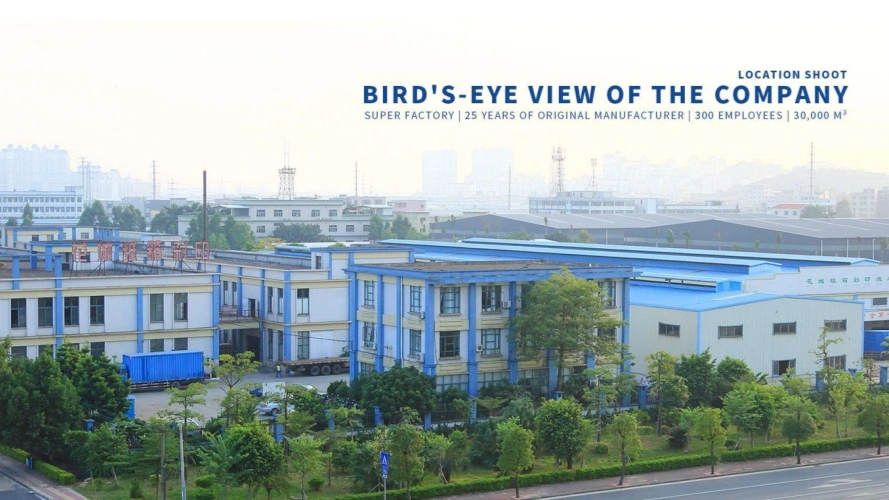
Fetching Printing has more than 20 years of experience in packaging engineering and can assist you in creating shelf-ready packaging solutions that meet sustainability goals and improve store performance. Our 30,000㎡ building has cutting-edge converting tools and an R&D team of more than ten package engineers who work on improving structure design and coming up with new materials. We keep a lot of certifications, like ISO9001-2015, ISO14001-2015, FSC, and standards that are specific to our business. These make sure that we always meet quality standards and are good to the earth. You can talk to our knowledgeable staff at support@fetchingprinting.com about how our personalized shelf-ready packaging maker services can help your store run more smoothly and build your brand's recognition.
References
Institute of Grocery Distribution. "Shelf Ready Packaging Guidelines and Best Practices for Retail Implementation." IGD Research Publications, 2023.
Packaging Technology International. "Corrugated Engineering Standards for Retail-Ready Applications: Technical Specifications and Testing Protocols." PTI Industry Report, 2024.
Sustainable Packaging Coalition. "Environmental Impact Assessment of Shelf-Ready Packaging Systems: Lifecycle Analysis and Recycling Efficiency." SPC Research Findings, 2023.
International Safe Transit Association. "ISTA Testing Standards for Retail-Ready Packaging: Performance Validation and Quality Assurance." ISTA Technical Guidelines, 2024.
European Federation of Corrugated Board Manufacturers. "FEFCO Design Codes for Shelf-Ready Packaging: Engineering Standards and Implementation Guidelines." FEFCO Technical Manual, 2023.
Supply Chain Management Review. "Cost-Benefit Analysis of Shelf-Ready Packaging Implementation: Retailer Case Studies and ROI Assessment." SCMR Industry Analysis, 2024.