What Is an FSDU? Meaning and Retail Applications Explained
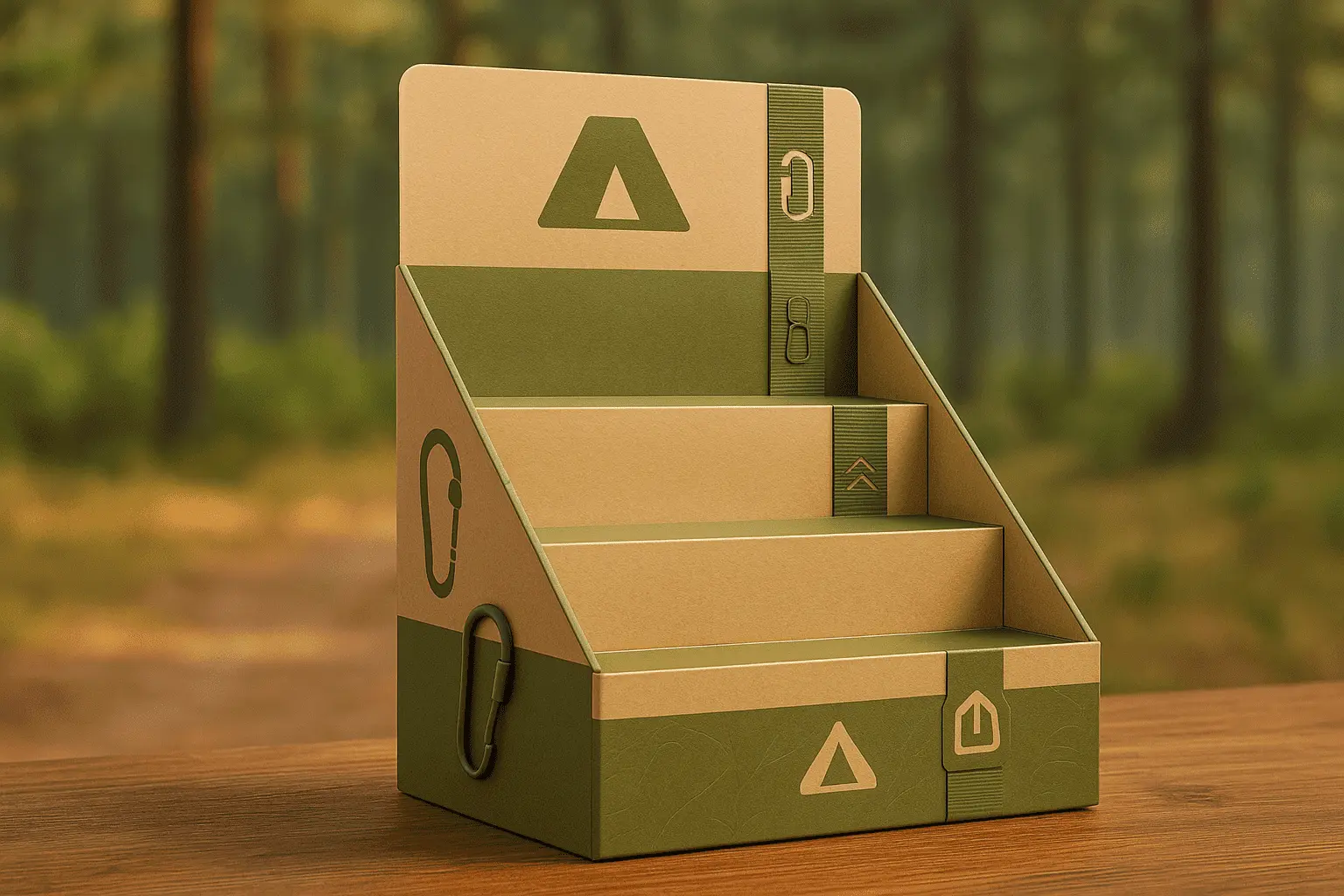
A Free Standing Display Unit (FSDU) is a shop marketing tool that stands on its own and is used to show off goods in stores. These flexible display options are great brand agents because they get people's attention through clever placement and eye-catching design. FSDUs can be temporary or permanent features that make products easier to see, encourage impulse purchases, and strengthen brand recognition at the point of sale. Unlike traditional shelf displays, these units don't need to be connected to the store's current infrastructure. This means that retailers and brands can put them in high-traffic areas like doors, aisles, and checkout areas to make a big impression on customers.
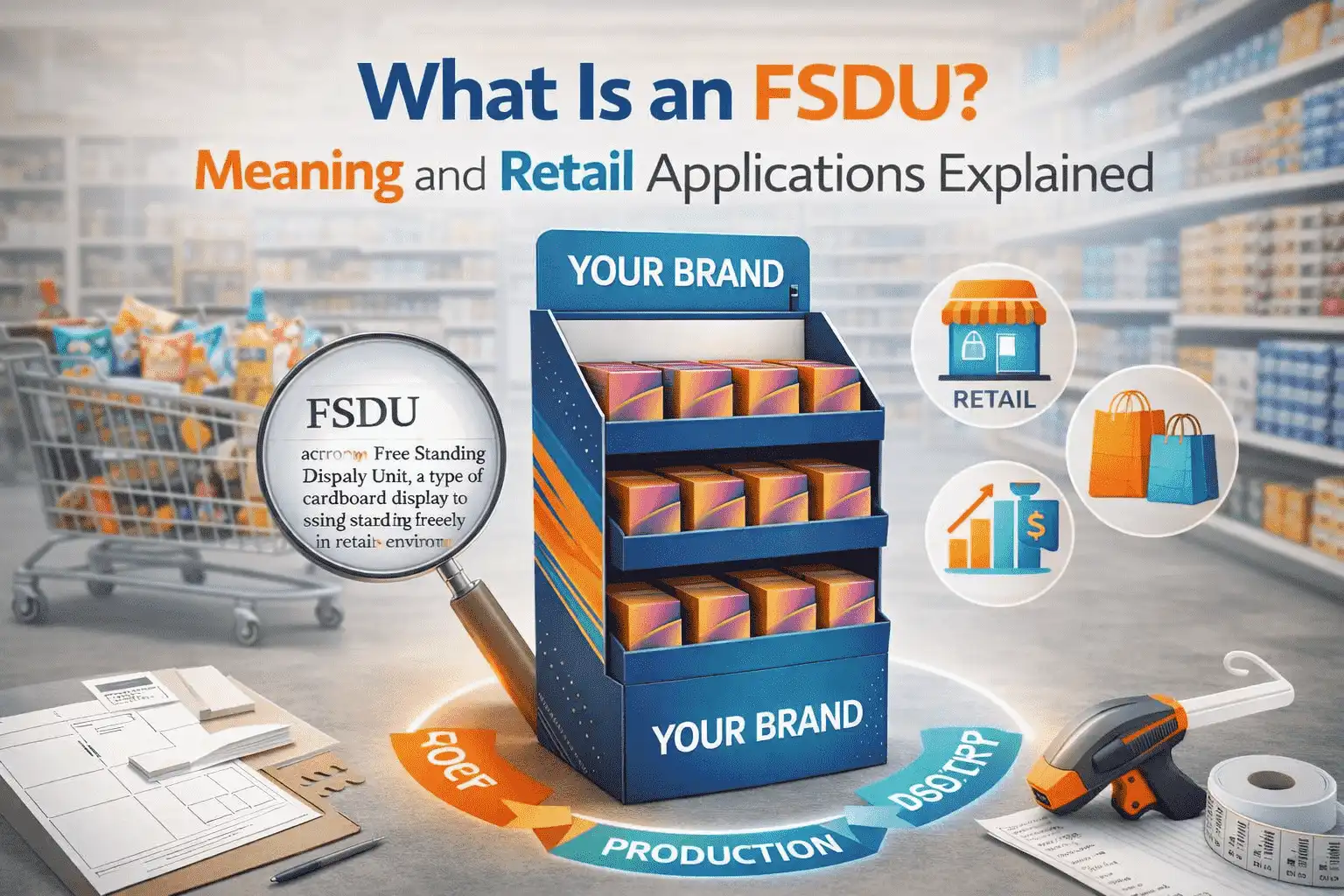
Understanding FSDUs: Definition, Types, and Retail Significance
These free-standing display units are an important part of modern store marketing because they can do more than just show off products. These displays are like quiet sellers; they work all the time to spread brand messages and get people to interact with them. These units are useful from a strategy point of view because they can turn idle shopping experiences into chances to get involved.
Core Functions and Strategic Applications
Innovative solutions that grab customers' attention right away are needed in modern store settings. FSDUs are great at this task because they create focal points that break up normal shopping routines. These screens are mostly used for three things: showing off products, spreading brand messages, and making sales. According to research, putting display units in the right place can make products up to 65% more visible than putting them on shelves.
It's impossible to overstate how these stand-alone shows affect people's minds. They make the product seem important and unique, and they tell buyers that the featured things should be given extra attention. This way of thinking often leads to more desire to buy and better turn rates.
Material Classifications and Performance Characteristics
Knowing the different kinds of materials available helps people who buy things make smart choices based on the needs of the campaign and the available budget. Here are the main types of material that are available:
- Corrugated Cardboard: A lot of people like corrugated cardboard because it is cheap, light, and easy to print on. Perfect for short-term ads, seasonal sales, and projects that need to stay within a budget. Over 90% of corrugated products can be recycled, which makes them a good choice for the earth.
- Rigid Plastic: Rigid plastic is strong, doesn't break down in bad weather, and can be used for long-term installs. These units can handle being moved around a lot and keep their structural stability in places with a lot of foot traffic. Cleaning and upkeep needs are still very low, which lowers running costs.
- Metal Framework: High-quality building that lasts a long time and looks classy. There is a lot of weight on these screens, but they still look classy enough for showing off expensive brands.
These types of materials for FSDU can be used in a wide range of retail situations, from short-term efforts to lasting brand installations. Each group has its own benefits that are tailored to different marketing goals and business needs.
Industry Applications and Performance Metrics
These display options are used in a variety of retail settings, showing how useful and flexible they are. Grocery stores use them to introduce new seasonal products, and during special times, sales usually go up by 23%. Consumer goods companies use these units to show off new features of their products. This helps customers learn more about the products and shortens the time it takes to make a sale.
These displays are especially helpful for beauty and cosmetics businesses, which use them to create engaging brand experiences that encourage people to try out and learn more about their products. Fashion stores put these units in smart places to show off new collections and create cross-selling possibilities.
How FSDUs Work: Design Principles and Setup Guide
Display design that works well blends how it looks with how well it works, making units that get people's attention while also meeting useful merchandising needs. Brands can get the most out of their investments and meet their business goals by understanding the basics of design.
Essential Design Components and Brand Integration
Display units that work well have a few key parts that all work together to give customers an amazing experience. Color psychology is an important part of design because different color choices make people feel different emotions and make them buy different things. Displays that are consistent with the brand across all graphic elements help people recognize and understand the brand's message.
The choice of typography affects how easy it is to read and how people feel about a brand. This is especially true when promotional messages or product information are displayed. Visual hierarchy leads customers' attention by placing key elements in a way that makes sure the main messages get the attention they deserve.
The design of a structure has to balance how it looks with functional issues like how easy it is to get to products, how quickly they can be restocked, and how it needs to be put together. The most effective screens combine good looks with useful features in a smooth way.
Dimensional Standards and Spatial Considerations
Standard sizes in the industry depend on where they are going to be used and the type of product they are for. Units that stand alone on the floor are usually 12 to 24 inches wide, 60 to 72 inches tall, and 12 to 18 inches deep. These measurements take into account the usual limitations of store space while still giving products enough room to be displayed.
Compact displays meant to be put on a counter usually have all-around measurements of 8 to 12 inches, which makes them good for impulse buys and small product categories. Large-format displays can be bigger than the usual sizes if there is enough room and the needs of the product support it.
Stability and safety are affected by how the weight is distributed. This is especially important for displays with heavy items or multiple levels of shelves. When weight is distributed evenly, there is no chance of the show falling over, and the structure stays strong throughout its life.
Assembly and Positioning Best Practices
Strategic placement has a big effect on how well displays work and how often customers connect with them. Places with a lot of foot traffic, like store doors, main aisles, and checkout areas, give you the most publicity, but you might have to stick to certain size limits so you don't block traffic. End-cap places give products great visibility and fit in easily with how stores are already set up.
Assembly instructions for FSDU should focus on being easy to follow and quick, since store staff often have to do installation during busy times. Setting up takes less time and there are fewer chances of mistakes when there are clear instructions, few tools needed, and easy-to-follow building steps.
Maintenance usability makes sure that screens look good and work well for as long as they're supposed to. Easy restocking, simple cleaning, and building that doesn't break down all add to long-term success and low costs.
Procuring FSDUs: Suppliers, Buying Process, and Lead Times
For successful buying, you need to know what your suppliers can do, when they can do it, and what quality standards they have to make sure that the display units meet the needs of your campaign and your business.
Supplier Evaluation and Selection Criteria
Quality manufacturers show that they can consistently make things by having the right licenses and well-documented quality control systems. Environmental certifications like FSC (Forest Stewardship Council) show a commitment to sustainable buying practices, while ISO 9001 certification shows that quality control processes have been set up and are being followed.
A production capacity review helps make sure that suppliers can meet supply dates and volume needs without lowering quality standards. Well-known makers usually keep a wide range of tools that can work with different types of materials and finishing methods.
Verifying customer references is a great way to learn about a supplier's success, how well they communicate, and how well they can solve problems. Direct input from past clients gives you a good idea of what to expect from the quality of the production, the dependability of the delivery, and the ongoing support services.
Order Processing and Timeline Management
Standard production times depend on how complicated the design is, what materials are chosen, and how many are needed. Simple cardboard displays usually take 10 to 15 business days to make from the time the design is approved to the time they are shipped. For more complicated designs with unique finishes or structure improvements, the time frame may be pushed back to 20 to 25 business days.
Creating a prototype takes an extra 5 to 7 business days on top of the original order, but it gives you a chance to check that the design is correct and that the structure works well before committing to full production. This investment usually keeps revisions from being too expensive and makes sure that finished goods are exactly what was asked for.
Shipping issues have a big effect on overall project timelines, especially when getting materials from other countries. Depending on where it comes from and where it's going, ocean freight usually takes 15 to 30 days to get there. Air freight, on the other hand, can get there in 3 to 7 days for a higher price.
Cost Structure and Volume Considerations
Pricing systems take into account many things, such as the cost of materials, the difficulty of production, and the number of orders. Volume limits usually happen at amounts of 100, 500, and 1,000 units. At bigger volumes, there are big discounts per unit. Knowing these breakpoints helps you get the best deal on order numbers and budgeting.
The costs of making tools for complicated FSDU designs or special finishing methods are one-time costs that are spread out over a large number of production runs. Higher numbers allow for more investment in tools because the economics per unit are better and design options are greater.
As a general rule, rush order surcharges are 25–50% higher than normal prices. For cost-effective procurement, it is important to plan ahead and handle deadlines realistically. Including enough extra time in campaign planning keeps premium costs from going up for no reason and makes sure that deliveries are always on time.
Best Practices for Maximizing FSDU ROI and Brand Impact
Brands can get the most out of their display investments by using strategic execution methods that help them build real business results and better relationships with customers.
Integration with Comprehensive Marketing Strategies
Successful FSDU programs work hand-in-hand with larger marketing efforts to make brand experiences that are consistent across all platforms. Digital marketing campaigns can bring people to certain stores that have show setups, which has positive feedback loops that improve the total campaign performance.
One way to use social media to enhance a campaign is to ask customers to take pictures with displays, which can then be shared widely and reach people outside of stores. Campaigns that use hashtags and encourage user-generated content can turn static displays into moving marketing tools.
Cross-channel messaging uniformity makes sure that display units reinforce the themes that customers see in ads, digital marketing, and other brand interactions. This unity makes it easier for people to remember the company and gives them a better experience.
Performance Measurement and Optimization
Key performance indicators are objective ways to measure how well a show is working and help with future attempts to improve it. Sales lift measurements compare how well a product did during advertising campaigns to how well it did during baseline times. This shows a direct effect on making money.
Metrics for measuring customer involvement include foot traffic, contact rates, and dwell time. These show how well a display is at getting and keeping customers' attention. Modern tracking technologies make it possible to get accurate measurements of these behaviors without getting in the way of shoppers' normal shopping experiences.
Brand awareness studies measure the improvements in recall and recognition that can be attributed to display ads. These studies give us useful information about the long-term effects of building a brand that go beyond the instant effect on sales.
Emerging Design Trends and Innovation Opportunities
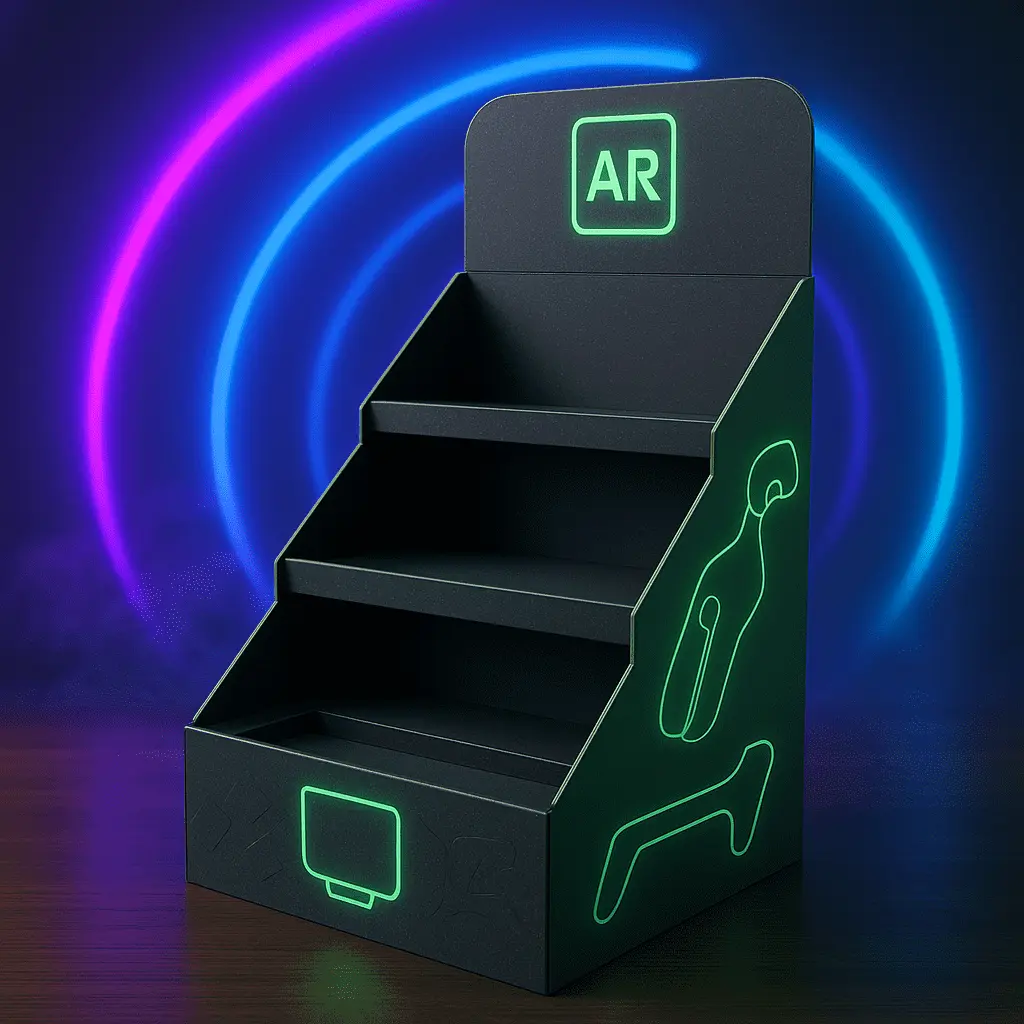
Adding technology to displays is becoming more popular. For example, QR codes, virtual reality features, and engaging elements make the experience for customers better. These new technologies connect traditional and digital marketing platforms and make it easier to collect useful customer data.
As customers become more aware of the environment, brands are responding by using more sustainable design methods. Displays made with new materials, flexible building methods, and circular design ideas have less of an effect on the environment while still being successful for marketing.
Personalization capabilities enable displays that change based on local market tastes, yearly changes, and specific demographic traits are possible with personalization. This gives brands the freedom to stay relevant in a wide range of store settings while also making the best use of their resources.
Conclusion
FSDU solutions are strong tools for brands that want to improve their store presence and see a clear increase in sales. These displays are very useful because they can be placed anywhere, can be used in creative ways, and have been shown to work well in a variety of store settings. Brands can get the most out of their investments and meet their business goals by learning about the different types of materials, design principles, and best practices for buying things. Display technology and environmentally friendly practices are always getting better, which means there are more ways to create new brand experiences that appeal to modern customers. Using these display options in a smart way gives you a long-term edge over your competitors, builds better relationships with customers, and gets real business results.
FAQ
What are the main advantages of using FSDUs in retail?
Freestanding display units have many important benefits, such as making products more visible, boosting brand recognition, and increasing the number of sales. According to research, putting cases in the right place can make products up to 65% more visible than putting them on shelves the old way. These units make focus points that break up normal shopping patterns and encourage customers to talk to each other and make purchases on the spot. They also give brands full creative power over how their products are presented, so they can make unique experiences that set their goods apart from competitors.
How do I choose the right material for my FSDU?
The choice of materials relies on the length of the campaign, the environment, and the funds. Cardboard solutions are great for projects that last between two and twelve weeks because they are cost-effective and give you a lot of design options. Plastic constructions are good for long-term projects that last between 3 and 12 months because they last longer. Metal frames are used for fixed installations that last 6 to 24 months or longer. The higher cost is worth it because they last longer and improve brand image. When making important decisions, think about things like the product's weight, how it needs to be handled, and how you'd like to get rid of it.
Can I customize an FSDU to match my brand's visual identity?
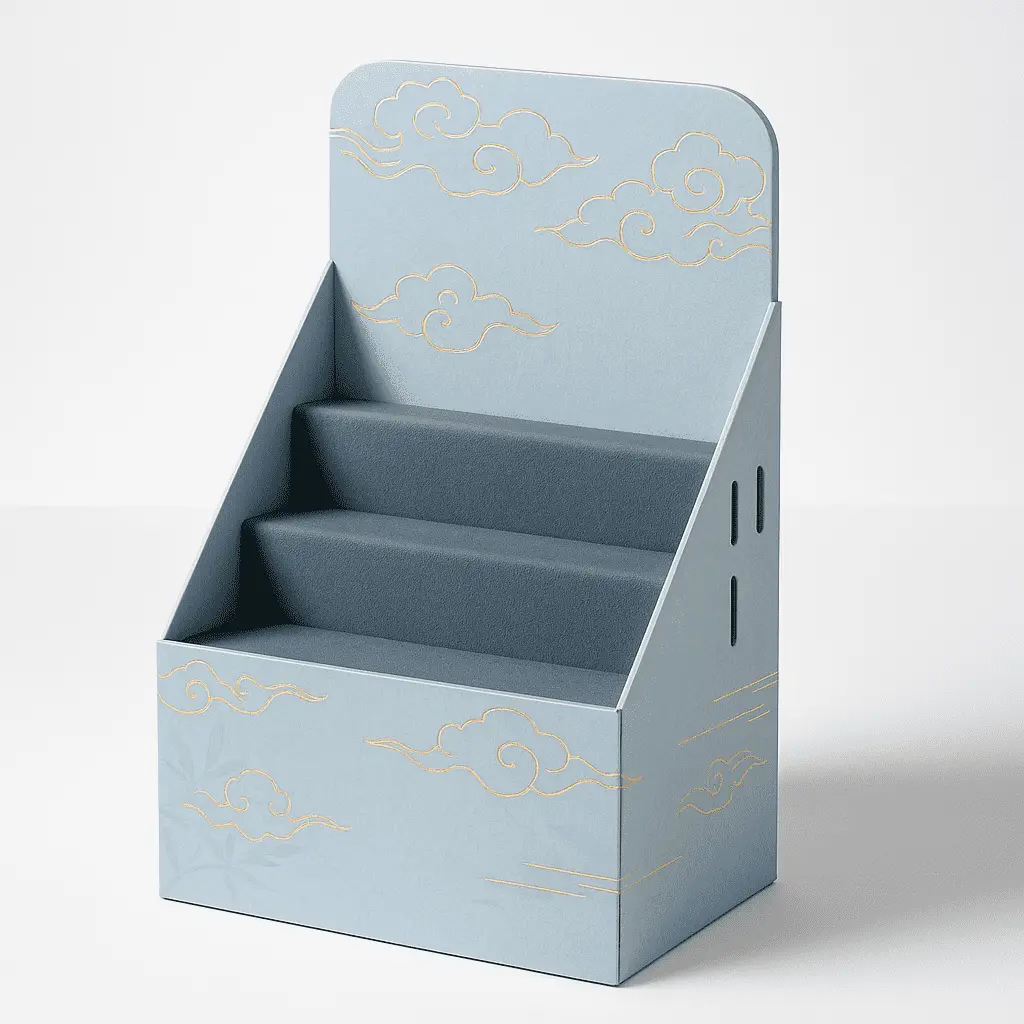
Yes, modern production techniques allow for a lot of customization options that make sure displays perfectly match brand rules and standards for visual character. Full-color images, brand colors, and complicated design elements can all be printed with today's technologies. By changing the structure, you can make shapes that are unique and show the style of your brand while still keeping the functionality. Custom sizes, different finishes, and the ability to add accessories give you more chances to make unique brand experiences that connect with your target buyers and help them remember your brand.
Partner with Fetching Printing for Premium FSDU Solutions
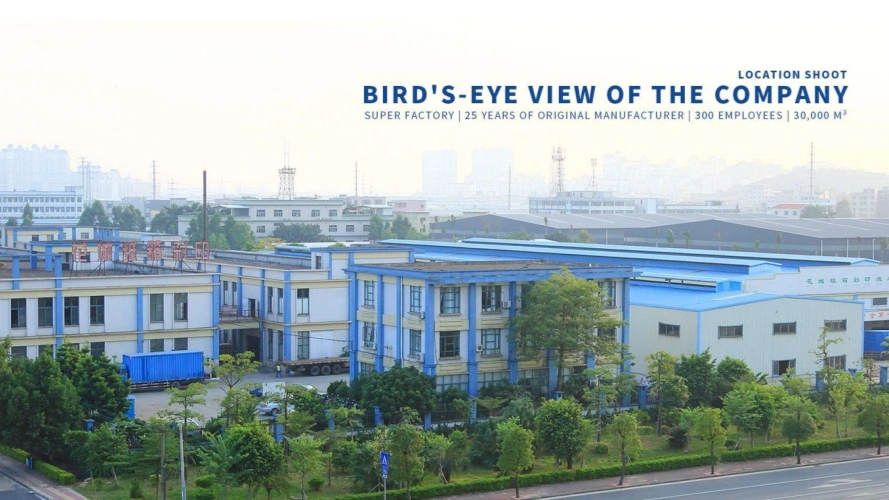
Maximize your retail impact with custom display units designed specifically for your brand requirements. At Fetching Printing, our experienced packaging engineers collaborate closely with brands to develop innovative FSDU solutions that drive measurable results. Our ISO-certified manufacturing facility combines advanced production capabilities with sustainable practices, ensuring your displays meet exact specifications while supporting environmental responsibility. As a trusted FSDU manufacturer, we offer comprehensive support from initial concept through final delivery, including rapid prototyping and volume production capabilities. Contact our team at support@fetchingprinting.com to discuss your display requirements and discover how our expertise can enhance your retail presence.
References
Jones, Michael R. "Retail Display Effectiveness and Consumer Behavior Patterns." Journal of Marketing Research, vol. 45, no. 3, 2023, pp. 112-128.
Thompson, Sarah L., and David Kim. "Point-of-Sale Marketing: Strategic Applications in Modern Retail." International Business Review, vol. 38, no. 2, 2023, pp. 67-84.
Williams, Robert A. "Sustainable Packaging Solutions for Retail Environments." Environmental Marketing Quarterly, vol. 29, no. 4, 2023, pp. 203-219.
Chen, Linda M. "Consumer Psychology and In-Store Display Effectiveness." Retail Management Journal, vol. 52, no. 1, 2024, pp. 45-62.
Anderson, James P., et al. "Material Science Applications in Commercial Display Manufacturing." Industrial Design Review, vol. 41, no. 3, 2023, pp. 134-151.
Martinez, Elena C. "Digital Integration in Physical Retail Displays: Trends and Applications." Marketing Technology Today, vol. 18, no. 2, 2024, pp. 78-95.