How to Create a Subscription Box
Making subscription boxes means planning gifts that will be sent out on a regular basis and will contain carefully chosen goods that fit the needs of the customer and the brand's image. These packages are smart marketing tools that help keep customers and increase their total value. For procurement pros, learning how to make subscription boxes means finding the right mix between choosing the right products, making sure the boxes are well-packed, coordinating logistics, and sharing the story of the brand. The process includes everything from choosing long-lasting materials that keep goods safe during shipping to adding design elements that make unboxing an unforgettable experience for receivers.

Understanding the Subscription Box Model
The subscription box plan is based on sending carefully chosen goods to customers on a regular basis, based on their tastes and the needs of the business. In B2B situations, these uses include company gifting programs, employee participation programs, the spread of promotional goods, and long-term supply agreements for goods that people use every day. The model has changed a lot since the first people came up with the idea. Digital transformation, data analytics, and changing buying habits that value ease and customization have all had a big impact.
A recent study of the industry shows that the subscription economy has grown a lot. Companies in all fields have realized the strategic benefits of stable income streams and better relationships with customers. Some of the latest trends that are changing how buying strategies are used are packaging solutions that focus on sustainability, hyper-personalization made possible by AI, and integrated technology platforms that make the shopping and delivery processes more efficient.
Key Market Trends Shaping B2B Subscription Models
Sustainability has become a must rather than a way to stand out from the competition. More and more, procurement teams want materials that are FSC-certified, parts that can be recycled, and sellers whose environmental promises can be checked. This change is caused by both government rules and the expectations of stakeholders regarding business social duty. When companies start subscription programs, they need to think about how the packaging, shipping, and product sources affect the earth.
Hyper-personalization is another trend that is changing things. Businesses can customize the contents of boxes based on the tastes of the recipient, their past purchases, and how often they interact with the company. This feature is especially useful when giving gifts to businesses, since custom shows care and makes business ties stronger. Using automatic ordering systems, real-time product tracking, and predictive analytics to connect different types of technology helps procurement teams improve subscription programs while lowering the amount of work they have to do.
Evolution of Direct-to-Customer Fulfillment
The subscription approach solves a number of important problems in the business. When tailored choices take away the need to constantly study and compare products, decision fatigue goes down. Unpredictability in inventory can be handled by setting up regular order trends that help predict demand better. When premium unboxing experiences make memorable touchpoints between digital transactions and real product ownership, last-mile brand dilution goes down. These benefits make subscription boxes valuable assets in today's buying systems, providing operating benefits beyond just delivering products.
Key Steps to Creating a Successful Subscription Box
Successful subscription boxes program needs both a deep understanding of the people you want to reach and careful strategic planning. Deep market research is the first step in the process. This helps find groups of customers and the problems they're having. Professionals in procurement need to think about whether the contract meets the wants for ease of use, new information, or regular supplies. This basic understanding guides all the choices that follow about what products to buy, how to package them, and how to offer services.
Identifying Customer Segments and Pain Points
A thorough study of the market shows which groups of customers offer the most potential and how subscription services can help them with their unique problems. Online stores may choose packing that can stand up to multiple handlings while still showing off the brand. Electronics makers need safe solutions with plugs that are carefully designed to avoid damage. Beauty brands want to show their products in a way that makes them seem more expensive. When procurement teams understand these complex needs, they can create subscription programs that give real value to the people who use them.
Behavioral data, demographic research, and direct feedback tools all help to improve descriptions of target audiences. To learn about possible subscribers' goals and hopes, businesses should do things like surveys, look at buying habits, and talk to them directly. During this study phase, the basis for product selection strategies and packaging requirements that appeal to target groups is laid.
Designing a Compelling Product Mix
The selection of products in each monthly delivery needs to strike a mix between customizability and the ability to handle growth. Curated choices should reflect the values of the brand while also taking into account the tastes and usage habits of the receiver. Keeping enough variety to keep people interested across multiple delivery cycles is hard for procurement teams, who also have to deal with complicated supplies and relationships with suppliers. Tiered offering structures that offer basic, premium, and deluxe choices to fit different budgets and levels of activity are common in programs that work well.
The way that products are chosen changes between subscription plans. Curation-focused boxes focus on finding and surprise, giving people new things that are related to their hobbies. Replenishment models put the needs of customers first by sending goods automatically on set schedules. Access-based subscriptions give members access to special goods or perks that they can't get any other way. For each method, you need a different way to find suppliers and keep track of your goods.
Sourcing and Supplier Vetting
Decisions about important sources have a direct effect on the success of a subscription program. When evaluating a supplier, you need to look at things like consistency in quality, production capacity, wait times, and transportation. Professionals in procurement should set clear qualification standards that look at things like expert skills, financial security, and quality control systems. Checking references, visiting the site, and evaluating samples are all helpful ways to learn more than what is written in standard purchase papers.
We suggest building long-term relationships with sellers who can be counted on and are flexible. Because membership models force you to commit to a certain amount of work, you can usually negotiate better prices, but this only works if you have a stable supply relationship. Protocols for quality assurance should include ways to inspect new products, track performance, and make improvements all the time. Diversifying the suppliers of key components lowers the risks of supply disruptions while keeping up the competition pressure that drives great service.
Pricing Strategies and Subscription Models
Pricing structures have a big effect on both how many new subscribers you get and how many you keep. For products that are used up quickly or services that you want to keep getting, monthly subscriptions work best. For seasonal items or products that you use less often, quarterly subscriptions work best. Discounted rates that make cash flow more predictable and build customer relationships are often part of annual promises. To set pricing models that will last, procurement teams should look at competitive pricing standards, cost structures, and customer lifetime value forecasts.
Discounted first periods, referral bonuses, and loyalty rewards are all examples of incentive tactics that make programs more appealing and support long-term commitments. Clear pricing that shows worth helps people get over their original reluctance to buy. Customers are happier and less likely to feel committed when subscription terms are flexible and allow customers to pause, skip orders, or cancel without fines.
Packaging and Branding Considerations
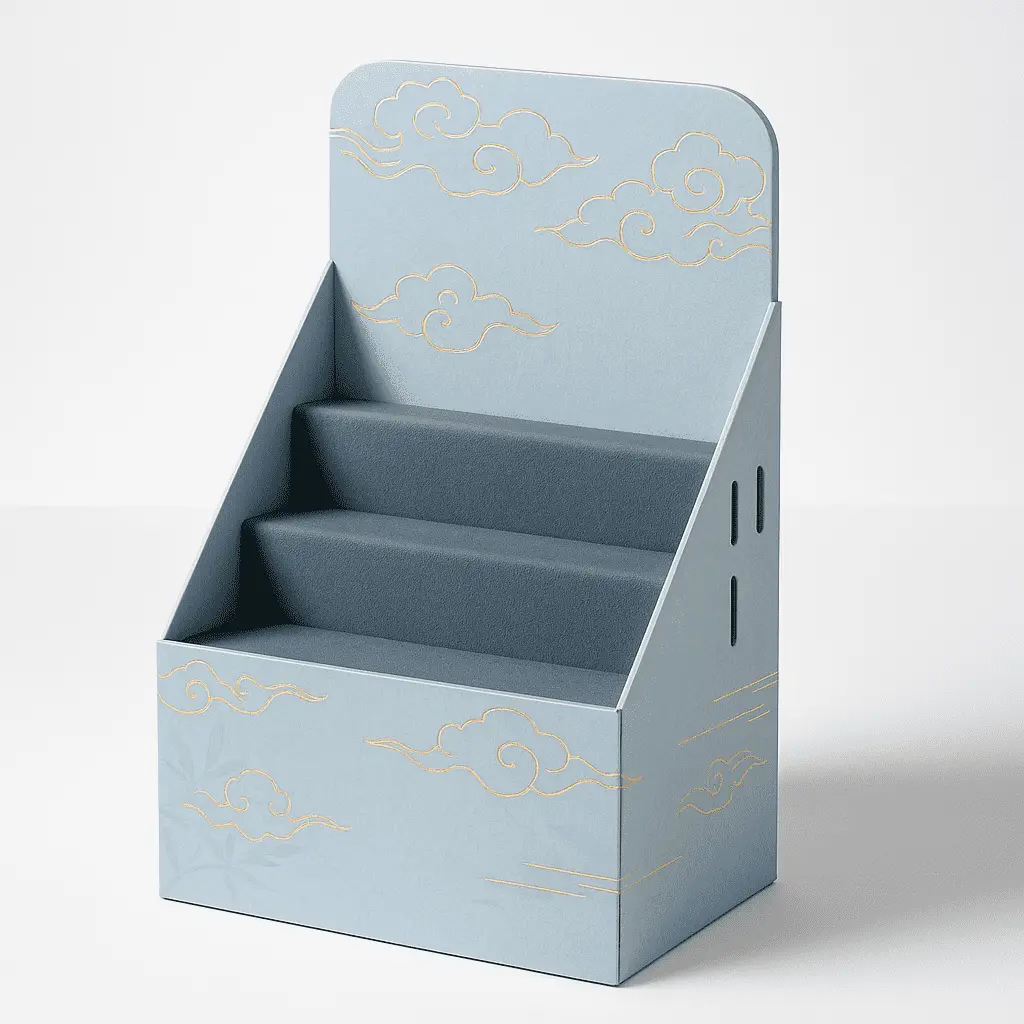
In subscription programs, packaging serves two purposes: it protects the goods while in transport and creates brand experiences that make customers happy and encourage them to share on social media. Shipping and handling can be rough on structures, which is especially important now that e-commerce delivery is becoming more common. Choice of material strikes a mix between the need for longevity, the need for sustainability, and the need to stay within budget. Custom-engineered corrugated structures with Roll End Tuck Front designs offer great structural stability and a lot of space for marking elements.
The way something is presented visually has a big effect on how the receiver sees it and how they unbox it. High-quality prints, high-end finishes, and well-thought-out internal layouts all raise the perceived value of a product and encourage people to share it on social media, which is good for organic marketing. Consistency in color, fonts, and graphics should all be in line with brand identity rules, while also meeting the realistic needs of production processes. At Fetching Printing, our team of more than ten packaging engineers works with clients to come up with packaging solutions that meet both their stylistic and functional needs as well as the realities of production.
Best Practices and Common Pitfalls to Avoid When Creating Subscription Boxes
For subscription boxes deployment to work well, practical details must be paid attention to, rules must be clear, and systems must be strong enough to grow with the program. Clear membership terms that explain how to sign up, how to renew, and how to stop ensure a smooth experience for customers that builds trust and reduces friction. Any ambiguity in these basic areas leads to annoyance and hurts the success of the program, even if the products are great and the package is great.
Establishing Transparent Policies and Terms
Subscription deals should make it clear how often deliveries will happen, how much they will cost, when payments are due, and how changes can be made. Customers need to fully understand the terms of their commitment, such as any required subscription periods, the amount of time they have to give to stop, and the policies for refunds. In these areas, being open and honest cuts down on disagreements and sets reasonable goals, which boosts happiness. When procurement teams are making company subscription plans, they need to make sure that internal stakeholders know what the rules are and how to get approvals.
Communication patterns are very important to the success of a program. Subscribers stay interested and fewer service requests are made when they are regularly informed about future orders, shipping confirmations, and chances to change their choices. Notifying customers ahead of time about delays, product swaps, or program changes shows that you value your relationships with them and keeps them from being surprised in a way that hurts their trust.
Preparing for Scalability and Demand Fluctuations
A lot of the time, subscription programs grow quickly, which puts the operating systems and supplier's abilities to the test. Planning for scaling from the start of a program keeps service from being interrupted when demand rises above expectations. Designing a supply chain should include ways to be flexible, like having backup sources, extra inventory for important parts, and delivery partnerships that can help with extra work during busy times.
As subscription programs get more established and past data builds up, demand predicting gets more complex. Predictive analytics find regular trends, growth paths, and churn factors that help with planning inventory and figuring out how much space is needed. But even the most accurate predictions can't get rid of all doubt. Diversifying your supplier networks, making your manufacturing arrangements more fluid, and using safety stock methods can help your business be more resilient against supply disruptions and sudden demand spikes.
Building Long-Term Supplier Partnerships
Subscription programs that last need to have strong ties with their suppliers. Strategic relationships are more than just business dealings. They include planning together, sharing information about performance, and working together to make things better all the time. Regular meetings of a business give people a chance to talk about success measures, deal with problems, and find ways to make things better. Suppliers will put your business first when they are short on materials or capacity thanks to loyalty programs that reward consistent performance.
Communication quality and regularity are directly linked to how strong a connection is. Setting up clear points of contact, processes for escalating problems, and regular touchpoints makes sure that problems get fixed quickly, before they get worse. By sharing demand forecasts, product development roadmaps, and strategy goals, you can help your suppliers match their skills to your changing needs. These actions help relationships that provide long-term benefits that go beyond just saving money.
Recognizing Common Implementation Pitfalls
A number of mistakes that keep happening hurt subscription box programs. A common mistake is underestimating how hard transportation can be, especially for companies that haven't done much direct-to-customer delivery before. Shipping costs, choosing the right service, the right way to package items to protect them in transport, and how to handle returns are all complicated issues that have a big effect on the economics of the program. Getting transportation help early on keeps mistakes and service fails from costing a lot of money.
When you don't respond to customer comments, you create blind spots that let unhappiness grow without being fixed. Using polls, asking for reviews, and social media watching to collect feedback in a planned way lets you know early on about problems that need your attention. Showing that you are responsive by acting on comments and telling people about changes is just as important. Customers are more loyal to a program when they see that their feedback leads to good changes.
When quality control methods aren't good enough, defects can get to customers and hurt the brand's image, which costs a lot to fix. Consistent quality is achieved by following routines for incoming inspections, tracking during the production process, and final verification checks that are proper for the amount of risk. Checking the structural stability, print quality, and dimensional accuracy of packing is a good way to avoid problems during transportation and at the display stage. Giving procurement pros knowledge about these dangers helps them set up strong, customer-focused subscription solutions that offer long-term value.
Conclusion
Creating successful subscription boxes requires strategic integration of product curation, packaging excellence, and operational efficiency. The subscription model offers compelling advantages for B2B procurement including predictable costs, enhanced engagement, and streamlined supplier relationships. Key implementation steps encompass thorough market research, thoughtful product selection, rigorous supplier vetting, and packaging design that balances protection with brand presentation. Avoiding common pitfalls through transparent policies, scalable systems, and strong supplier partnerships positions programs for sustained success. As subscription commerce continues evolving with sustainability emphasis, personalization capabilities, and technology integration, procurement professionals who master these elements gain competitive advantages through enhanced stakeholder satisfaction and operational excellence.
FAQ
How do I evaluate suppliers for custom subscription box packaging?
Pricing isn't the only thing that needs to be thought about when evaluating package providers for subscription programs. Your production capacity must be able to handle the amount you need and have enough extra capacity in case of growth or regular peaks. Quality management systems that have ISO9001 certification or a similar scheme show that the operating processes are stable. Ask for samples that show relevant methods, like custom printing, structural designs that fit your needs, and finishing choices that you want to use.
What subscription box categories work best for corporate gifting?
When companies use membership methods to give gifts, the choices should be professional and show that the companies care about the recipients. Gourmet food and drink packages with handmade goods, expensive coffee, or carefully chosen snack assortments are appealing to everyone and can be changed to fit different dietary needs. These gifts that can be used up quickly don't have the long-lasting issues that come with desk accessories or clothing, and each delivery makes a good image of the brand.
How does subscription frequency impact procurement planning?
The frequency of subscriptions has a direct effect on the amount of goods needed, the flow of cash, and the handling of relationships with suppliers. Monthly delivery plans create frequent connections that keep people interested, but they also require more complex fulfillment operations and more administrative work. This schedule works well for consumables that only need to be used once or twice, or when regular brand contact is good for business.
Partner with Fetching Printing for Your Subscription Box Packaging Solutions
Subscription box programs demand packaging partners who understand the unique requirements of recurring delivery models and can deliver consistent quality across multiple production cycles. Our comprehensive approach addresses the complete spectrum of subscription packaging needs, from initial structural design through high-volume production and logistics coordination. With over two decades of experience since our founding in 1999, we bring deep expertise in custom packaging solutions tailored to diverse industries and application requirements.
Connect with our packaging specialists to explore how we can support your subscription boxes initiatives with packaging solutions that protect products, project brand identity, and deliver exceptional unboxing experiences. Reach our team at support@fetchingprinting.com to discuss your requirements and discover how our technical capabilities, quality standards, and customer-focused approach create partnerships that drive subscription program success. Together, we can develop packaging strategies that enhance customer satisfaction while optimizing costs and operational efficiency across your recurring delivery programs.
References
Chen, M. & Rodriguez, P. (2023). Subscription Commerce Strategies: Building Recurring Revenue Models in B2B Markets. Boston: Enterprise Publishing Group.
Williams, S. K. (2024). "Packaging Engineering for E-commerce and Subscription Fulfillment." Journal of Applied Packaging Research, 16(2), 127-145.
Thompson, J. L., Harrison, D. M., & Park, Y. (2023). Supply Chain Management for Subscription-Based Business Models. New York: Industrial Press.
National Retail Federation. (2024). The State of Subscription Retail: Trends, Challenges and Opportunities. Washington D.C.: NRF Research Division.
Gonzalez, R. & Mitchell, K. A. (2023). "Sustainable Packaging Solutions in the Subscription Economy." Packaging Technology and Science, 38(4), 289-307.
Anderson, L. M. (2024). Corporate Procurement in the Digital Age: Leveraging Subscription Models for Competitive Advantage. Chicago: Business Strategy Publications.