How to Customize a Corrugated Mailer Boxes?
To customize a corrugated mailer box, you must first decide what your packaging goals are, such as protecting your brand, keeping your products safe, and saving money. You must then choose the right flute type (E-flute for lighter items, B-flute for heavier items), exact dimensions to avoid dimensional weight charges, printing methods (flexographic for high volumes, digital for shorter runs), and work with certified manufacturers who know what the supply chain needs. Standard shipping crates can be turned into strong brand assets using this strategy, which keeps the sturdiness and sustainability standards needed for e-commerce, electronics, cosmetics, and industrial uses.
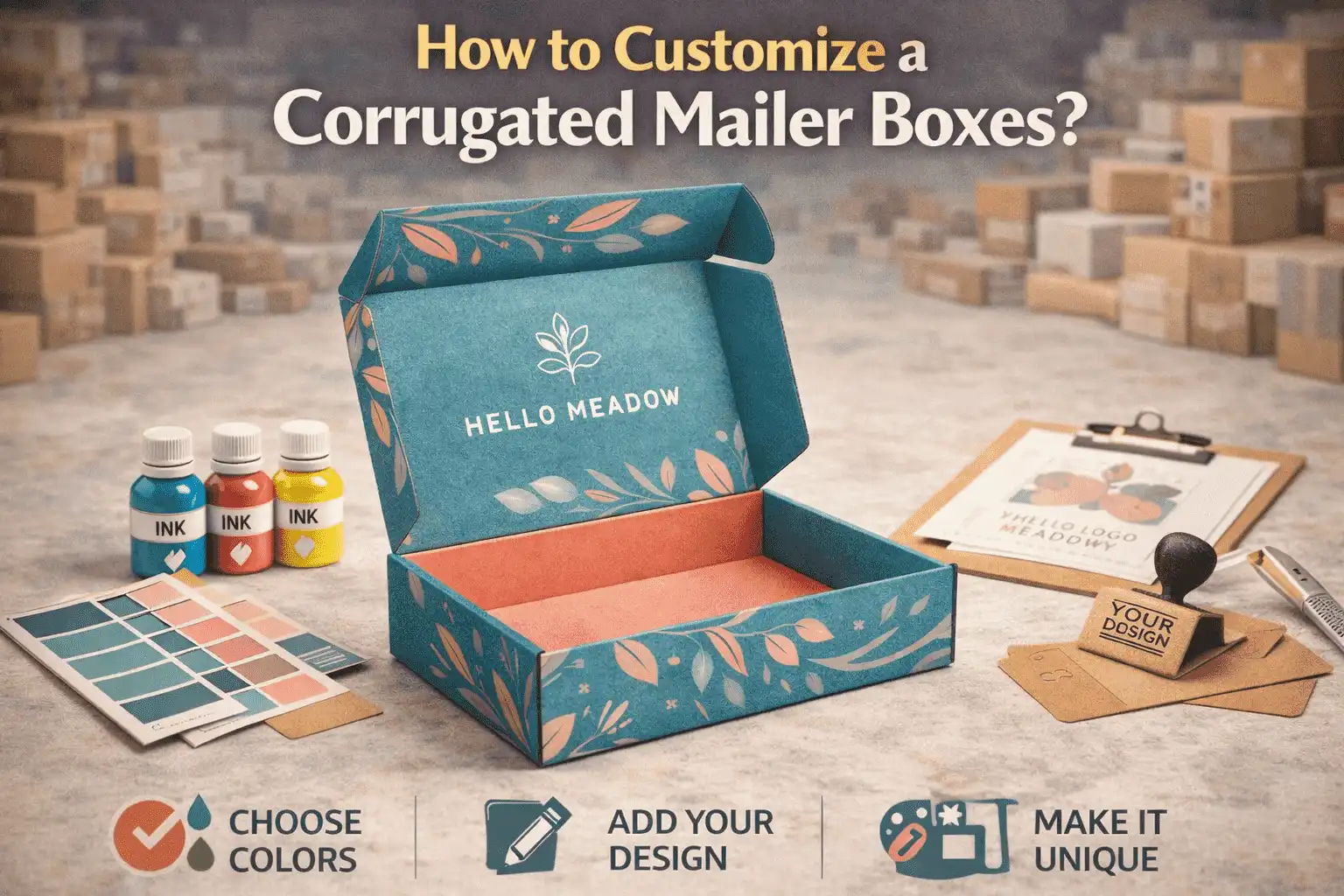
Understanding Corrugated Mailer Boxes and Their Customization Potential
When I work with sourcing teams from different industries, I often start a talk about packing with a simple question: how is a corrugated mailer box different from a regular shipping container? Structure and strategy goal are both parts of the answer.
What Defines a Corrugated Mailer Box?
A corrugated mailer box is a special kind of packaging made from corrugated fiberboard. It has two liner sheets and a curved medium layer in the middle. The strength-to-weight ratio of these containers is very high, which makes them perfect for direct-to-consumer shipping and e-commerce services. Regular Slotted Containers need external tape to keep their contents safe, but mailer boxes have self-locking tabs and slots that keep things inside safe without the need for tape. However, many brands add tamper-evident tape for extra security.
The structure is usually made with double-layered side walls that are connected through rollovers. This makes the building strength and crush resistance much higher. This architectural method solves important problems that come up in modern shipping, where items are handled roughly by many courier networks before they get to their final destinations.
Material Variants and Their Applications
There are different types of building for corrugated boxes, and each one is used for different tasks. One fluted layer and two sleeves make up single-wall construction, which protects lightweight items like makeup and clothing well. Double-wall versions have two fluted layers that make them more resistant to punctures for heavy industrial and electrical parts.
The choice of flute shape has a huge effect on how well it performs. E-flute is about 1.6 mm thick and has better print quality and better use of space. It's great for subscription boxes and beauty items that need to look good. At a thickness of about 3.2 mm, B-flute offers better cushioning and puncture protection for things weighing more than three kilograms, such as small electronics and industrial spare parts.
Customization Benefits for Brand and Operations
Customization turns shipping containers from useful tools into valuable marketing tools. When procurement teams spend money on custom mailer boxes, they get a lot of practical benefits that make the initial design investment worthwhile. High-definition printing that shows logos, color schemes, and messages directly on outer and inner surfaces makes brands much more visible. This opening experience makes customer interactions unique in a way that plain brown boxes just can't.
Protection is optimized when the strength requirements for the box match the amount of frailty of the object. Professionals in procurement can give accurate Edge Crush Test ratings, which range from 23 ECT for light items to 44 ECT for heavy-duty uses. This makes sure that the contents come undamaged without the need for over-engineering, which drives up costs. Accurate measurements cut down on empty room, which lowers the dimensional weight charges that all major airlines now use.
Accurate sizing that cuts down on material waste and makes the best use of pallets is good for sustainability. Corrugated fiberboard can still be recycled in its entirety, and many companies now offer products with recovered content levels ranging from 30% to 80%. As business sustainability commitments spread across industries, this environmental factor plays a bigger role in purchasing choices.
Core Principles of Customizing Corrugated Mailer Boxes
The process of tailoring starts with clearly stated goals that balance a number of different priorities. I have worked with sourcing managers and brand owners for many years, and I've seen that the best way to start a project is to be honest about what's most important to you: brand differentiation, cost reduction, protective performance, or environmental effect. A well-designed custom corrugated mailer box can increase brand recognition, protect goods well, lower dimensional weight charges through accurate sizing, and show support for the environment through recycled materials and designs that work better with the environment.
Defining Your Customization Goals
A lot of choices about customization are based on how to improve the brand. This is especially true for consumer-facing goods where the packaging acts as a silent salesperson. Online stores know that unique package boxes make social media moments that people want to share, which turns customers into brand champions. Product safety is still very important for gadgets and fragile items, and structural engineering can keep expensive returns and broken inventory from happening. When managing costs, it's important to find a balance between the costs of customizing and the prices charged per unit. This is especially important for businesses that ship thousands of units every month. As environmental duty becomes more important to both regulators and consumers, sustainable packaging has a bigger impact on specs.
Design Options and Material Considerations
The first big choice is between standard and special sizes. Stock sizes allow for smaller minimum orders and faster response times, but they may come with extra costs for void filling and dimensional weight fines. Custom sizes cut down on lost room, lower shipping costs, and make presentations that fit better, which makes the product seem more valuable. When monthly sales go over a few thousand units, the break-even study usually favors custom sizing.
You can choose from more than just basic cardboard board; there are also specialized choices that can help you with certain problems. Virgin Kraft covers are better at resisting tears and printing consistently, so they are used for high-end projects. Test liners have different amounts of recycled material in them, which is better for the earth and still strong enough for most uses. Liners that don't stick to grease are used in the food and drink industries to keep moisture out. Coated surfaces make them less likely to get scratched and let you print with high-gloss effects that make people think more highly of your brand.
Printing Techniques and Brand Integration
The way the prints are made has a big effect on both the quality of the images and the cost of the job. Flexographic printing is the most common method for high-volume production because it is cost-effective for runs of more than 5,000 units and produces accurate color copy and clear logos. Digital printing is good for small amounts and making prototypes. It can use full-color pictures without having to pay for plates, but each unit costs more. Lithographic lamination uses high-resolution printed sheets stuck to corrugated structures to make high-end presents. This gives luxury applications picture quality.
The logo placement plan is more than just putting artwork in the middle of panels on the outside. Strategic placement looks at how packages look when they are stacked on trucks, set up on doorsteps, and shown in videos of people opening their packages. When people open their packages, interior writing makes them happy and surprised. Suppliers must have G7 color management approval in order for colors to be consistent. This makes sure that brand standards are upheld across production runs. Insert features like unique die-cut forms, built-in handles, and protective interior structures make the product more useful while also making it stand out as a brand.
Real-World Case Study Applications
Electronics companies that ship handheld devices have to deal with special safety issues that need careful engineering. A company that makes consumer electronics asked our team to make boxes for wireless earbuds that would stand up to drop tests and give customers a great opening experience. We came up with an E-flute system that has 32 ECT strength levels and unique foam inserts. Four-color process printing on the inside showed off the product's features, turning the package into a teaching tool that cut down on customer service calls.
Cosmetics companies care about both how their products look and how well they protect skin. A beauty membership service needed boxes that could hold a variety of products while still showing the brand in the same way. Our approach used B-flute construction with an aqueous coating to protect against scratches, unique dividers to keep products from bumping into each other, and bright printing that fit the brand's fun personality. The design allowed for three different sizes of products to be used without needing multiple SKU numbers, which made delivery easier.
When small businesses go online to sell things, they often don't have a lot of money to spend on skilled shows. A specialty food company that ships handmade jams needed inexpensive boxes that fit with their brand's emphasis on handcrafted goods. We suggested digital printing for their small original order of 500 units, using 80% recycled content material that looked like natural kraft and had simple two-color marking. This method gave them a real show without requiring large minimum orders that would put a strain on their cash flow.
Step-by-Step Process to Customize Your Corrugated Mailer Boxes
Breaking the modification process into steps makes it easy to find your way around. This methodical approach cuts down on expensive changes and makes sure the end output meets operational needs while keeping within the budget. For any corrugated mailer box customization job to go well, you need to know exactly what you're sending and how it should be handled.
Defining Your Packaging Requirements
Base box sizes are based on the size and weight of the product, but good standards take into account the need for protection as well, rather than just wrapping products in tight measurements. There needs to be cushioning room for inserts in fragile things. Goods that are sensitive to temperature changes may need to be insulated. Shipments with many items need to be organized inside so that they don't move around or bump into each other.
Shipping numbers affect almost every choice made further down the line. The costs of moving 50,000 units a month are different from those of moving 500 units a month. Predictions of volume help figure out if investing in tools is a good idea and which printing methods offer the best cost-per-unit price. Because of changes in the seasons, we need to talk about storage space and lead time flexibility.
Different shipping lanes have very different levels of environmental exposure during travel. International water freight is usually more exposed to moisture than domestic land shipping. Knowing your transportation setting can help you choose the right ways to treat materials and seal them. Regulatory compliance is very important for applications that come into contact with food and need FDA-approved materials or for dangerous things that need to have specific certifications and labels.
Selecting Box Type and Customization Features
The choice of flute has a big effect on both ability and cost. E-flute design works best for lighter items (less than two kilograms) where print quality and space savings are most important. The thinner shape makes better use of shipping cubes and gives clear images for brand-focused uses. B-flute is the most common choice because it strikes a good balance between cushioning qualities and thickness for items weighing between one and five kilos. C-flute and even heavier BC-flute types are used for big industrial parts that need to be very resistant to punctures.
Strength grades are important, but they're not just a way to choose stronger materials. With the Edge Crush Test, you can find out how much top-to-bottom crushing force a box can handle before it breaks. A rating of 32 ECT can usually handle items weighing up to 15 kilograms for shipping in a single package, while a rating of 44 ECT increases the weight limit to 25 kilograms. When you match ECT ratings to real product weights and expected stacking scenarios, you avoid both expensive over-engineering and failures that could void your guarantee.
Customization options go far beyond just writing on the outside. Tear strips make it easy to open, which customers like, which cuts down on anger and damage from knives. Window cutouts show off goods while keeping the building safe. Custom fillers made from corrugated, foam, or molded pulp keep items in place and don't move while they're being shipped. Integrated literature slots hold marketing materials and packing slips without needing extra steps to be taken during delivery.
Collaborating with Suppliers for Prototyping
Choosing the right supplier is just as important to the success of a project as making the right design choices. Manufacturers with a lot of experience bring technical knowledge that turns ideas into things that can be made. When I look at possible partners, I look at the machines they have, their quality standards, and how long they've been in business in similar fields. Getting ISO 9001 approval means that your quality control systems are well-established. FSC approval proves that a forest is being managed responsibly. Credentials that are specific to an industry, like FDA registration for food contact or Disney recognition for branded goods, show that you have the right skills.
By showing how ideas work in the real world, the testing phase helps avoid mistakes that cost a lot of money. Samples in real life show problems that computer models can't, like how easily tabs fit into slots, whether pictures line up correctly across score lines, and how easily surfaces get scratched when they're moved around on a conveyor belt. Requesting samples and sending them through your real shipping environment, including your delivery process and carrier networks, is a great way to make sure they work well before committing to large amounts.
Evaluations of prototypes should include more than just buying teams. Fulfillment staff rate how easy and fast it is to put together. Brand managers check the effect of colors and how they look. Drop tests and compression tests are done by quality teams. Customer service reps ask about the unboxing experience. This cross-functional review finds problems early on, when changes aren't as expensive as when they're made in the middle of production.
Finalizing Orders and Delivery Terms
To finalize an order, you have to negotiate a number of factors that affect the overall cost and timing of the job. Depending on the printing method and the complexity of the structure, the minimum order quantity is usually between 500 and 5,000 units. Digital printing has lower minimums but higher costs per unit, while flexographic printing needs bigger pledges but has better unit economics. Knowing these "break-even" points helps you plan your first orders and reordering tactics.
Talks about prices include more than just listed unit costs. They also include setup fees, tooling fees, and shipping costs. Die-cutting tools are one-time purchases that can cost anywhere from a few hundred to over a thousand dollars, based on how complicated the design is. These costs are spread out over a larger order, which encourages bigger purchases or long-term partnerships where the tools can be reordered. Setup fees cover making printing plates and setting up the machine. These fees are often negotiable for return orders that use assets that are already owned.
To meet delivery deadlines, standards must be reasonable and in line with the facts of production. Custom projects usually take three to five weeks from the time the artwork is accepted until the goods are given. This time includes making plates, doing production runs, inspecting for quality, and shipping the goods. There are rush options, but they cost more. Smart procurement teams keep a safety stock to cover wait times and keep costs down by not keeping too much goods on hand. Setting up blanket purchase orders with planned releases lets buyers plan their production, which sellers often reward with lower prices, and gives buyers the freedom to change their inventory as needed.
Conclusion
When done right, customizing corrugated mailer boxes is a smart investment that protects goods, improves brand image, and lowers transportation costs all at the same time. Packaging solutions that offer real business value are found by procurement professionals who fully understand their needs, carefully choose manufacturing partners, and strategically balance customization features against budget limits. From working with suppliers to set goals and settling production terms, the process requires careful attention to technical details and business concerns. However, the branded packaging that is produced improves customer experiences and makes operations more efficient, which makes the careful approach worthwhile. Custom mailer boxes will continue to be important for businesses wanting to stand out in competitive markets, even as e-commerce grows and opening experiences become more important to how people think about brands.
FAQ
How much stronger are custom corrugated mailer boxes compared to standard boxes?
Instead of a one-size-fits-all solution, custom corrugated mailer boxes offer power that is tailored to the needs of each product. Standard boxes usually have test strengths of 200# or 32 ECT, which are good for general shipping. You can choose the exact Edge Crush Test ratings you need, ranging from 23 ECT for light goods to 44 ECT for heavy-duty uses. This gives you 40–60% more crush strength when you need it. The way the structure is built is also important. For example, double-wall construction and rollover side panels make the shear strength much higher than the material specs allow.
Are printed corrugated boxes fully recyclable?
Modern printing technologies and inks maintain corrugated recyclability when properly formulated. Water-based flexographic inks and aqueous coatings used in most corrugated printing break down completely during standard paper recycling processes without contaminating fiber streams. Plastic-based laminations and certain metallic foils can interfere with recyclability, requiring removal before processing. Reputable manufacturers specify recyclable-compatible materials by default. When sustainability represents a priority, explicitly requesting water-based inks and avoiding plastic coatings ensures packaging remains compatible with municipal recycling programs. FSC-certified materials from responsible forestry further enhance environmental credentials.
What minimum order quantities should I expect for custom mailer boxes?
Minimum order quantities vary based on printing method and structural complexity. Digital printing enables smaller runs starting around 500 units, making it viable for product launches, seasonal offerings, or low-volume specialty items. Flexographic printing—the industry standard for most corrugated packaging—typically requires 3,000 to 5,000 unit minimums due to plate-making costs and setup time. However, these larger minimums deliver substantially lower per-unit costs, creating favorable economics for established products shipping consistent volumes. Some suppliers offer gang-run programs combining multiple customers' orders on shared printing plates, reducing minimums while maintaining flexographic cost advantages.
Partner with Fetching Printing for Your Custom Corrugated Mailer Box Needs
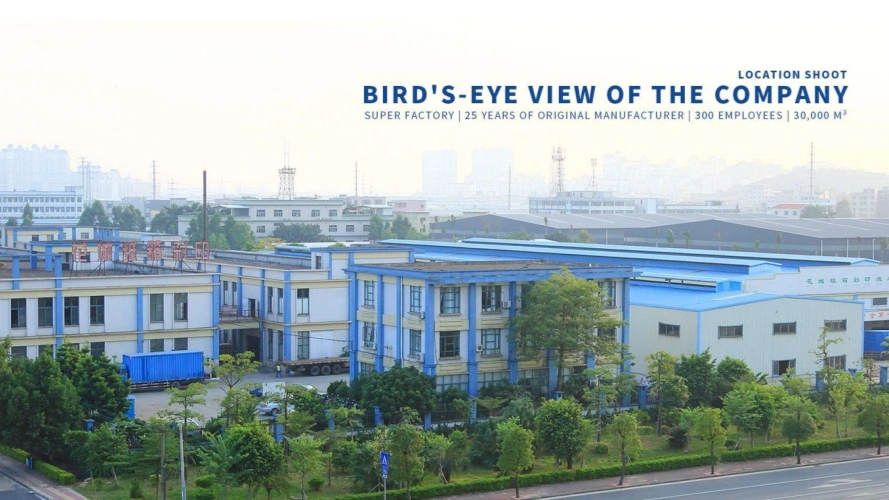
Navigating corrugated mailer box customization becomes significantly simpler when working with experienced manufacturing partners who understand both technical requirements and business priorities. At Fetching Printing, we've served diverse industries since 1999—from e-commerce retailers shipping thousands of daily orders to electronics brands demanding precision protection. Our 50,000㎡ facility houses advanced flexographic and digital printing equipment, sophisticated die-cutting machinery, and comprehensive quality control systems ensuring consistent results across production runs. Whether you're a sourcing manager seeking cost-effective branded packaging or a packaging engineer requiring specific structural performance, our team brings expertise optimizing designs for manufacturability, cost efficiency, and visual impact. Contact our packaging specialists at support@fetchingprinting.com to discuss your requirements, request physical samples demonstrating our capabilities, or receive detailed quotations from a trusted corrugated mailer box manufacturer. We're committed to delivering solutions that protect your products, strengthen your brand, and streamline your supply chain operations.
References
McKinsey & Company (2022). "The Future of Packaging: Sustainable Solutions and E-commerce Trends." McKinsey Quarterly Report on Consumer Packaging.
TAPPI (Technical Association of the Pulp and Paper Industry) (2021). "Official Test Methods for Corrugated and Solid Fiberboard Containers." TAPPI Standards and Guidelines T811-T842.
Sustainable Packaging Coalition (2023). "Recyclability and Material Health Guidelines for Paper-Based Packaging." Design Framework Publication, Version 4.0.
Smithers Pira Market Research (2022). "The Future of Global Corrugated Box Markets to 2027: Industry Analysis and Strategic Forecasts." Market Intelligence Report.
Institute of Packaging Professionals (2021). "Fundamentals of Protective Packaging Design: Engineering Principles and Material Selection." Professional Education Series, Third Edition.
Forest Stewardship Council (2023). "Chain of Custody Certification Standards for Corrugated Packaging Manufacturers." FSC-STD-40-004 V3-1 Compliance Documentation.