The Complete Guide to PDQ Display: Definitions, Types, Designs & Marketing Strategies
When you walk into any store, from busy groceries to specialized tech shops, the way things are displayed isn't by chance. Behind those perfectly ordered things is the PDQ display, a high-tech way to display goods. These units, which stand for "Pretty Darn Quick" or "Product Display Quantity," change how brands show off their products and solve important supply chain problems at the same time. It's important for procurement managers, brand owners, and delivery operations teams to understand PDQ displays in today's competitive retail market, where shelf appearance directly affects sales performance and operational efficiency.
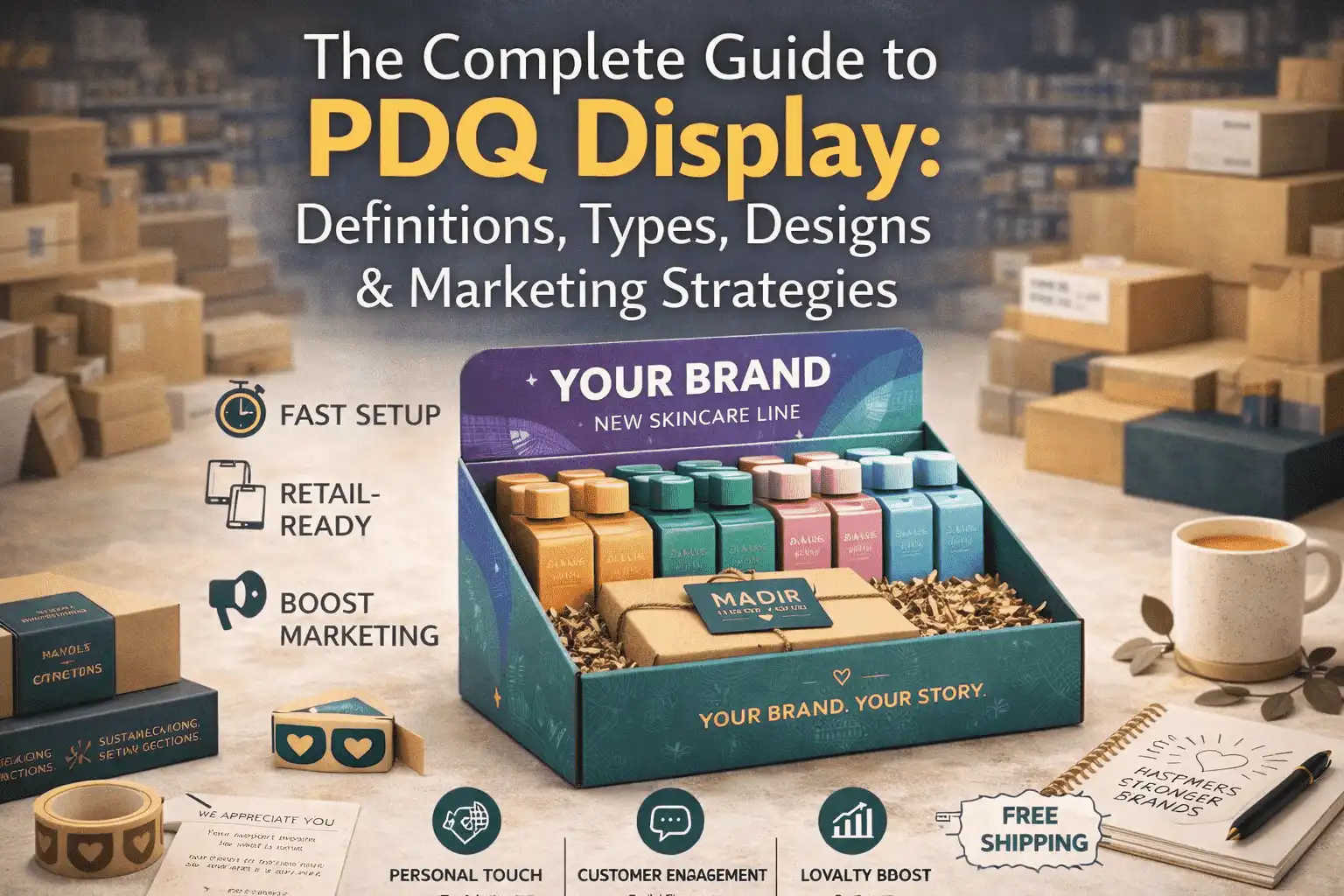
What Is a PDQ Display? Definitions and Key Concepts
A PDQ display is a new way to set up a store's displays because it combines the best of shipping speed and shelf appeal. Instead of being thrown away when the package arrives, these units can be used for two things at once. They can be used as protective shipping cases while they're in transit and immediately change into beautiful display trays when they get to stores. This change can happen without shop employees having to spend a lot of time setting it up. This is what the name "Pretty Darn Quick" displays is all about.
The Functional Architecture of PDQ Systems
The tech behind these screens solves what people in the business world call the "Last Ten Yards" problem, which is the crucial moment when items move from being stored in the backroom to being displayed in front of customers. With traditional packing methods, employees have to open each item and place it in the right place according to a planogram. This takes time and makes things less consistent. This friction is eliminated by PDQ display units, which come ready to put on the shelf and often have perforated tear-away sections, strengthened sides, and pre-positioned product slots that keep up with visual standards automatically.
From the point of view of procurement, these displays provide real practical benefits. Retailers say that restocking rounds cut work time by about half. This is especially helpful in high-traffic areas like electronics, makeup, and snack foods. The displays stick to strict brand guidelines by using integrated graphics and structure design. This keeps the shelves from looking disorganized, which hurts customer trust and lowers the number of sales.
Technical Specifications That Matter
Quality PDQ displays strike a mix between structural strength and good looks. Most of the units use Clay Coated News Back (CCNB) that is laminated onto corrugated fiberboard. The flute specs range from E-flute for bar displays to heavier B-flute constructions for shelf trays that need to hold a lot of weight. Edge Crush Test (ECT) scores usually range from 32 ECT to 44 ECT, based on the weight of the products being tested. This makes sure that displays can handle the pressures of being shipped on pallets without breaking when they are stacked on multiple levels.
PDQ displays are different from standard point-of-purchase (POP) products because they have more than one function built in. POP displays are mostly about getting people's attention, but PDQ units need to protect goods during shipping, make setup quick, and keep their visual effect over an extended shelf life. To meet all three requirements, companies must have advanced material engineering and precise manufacturing skills that are in line with both FSC sustainability certifications and G7 color management standards to make sure that the brand is consistent across all production batches.
Types of PDQ Displays: Choosing the Right Solution
To choose the right display options, you need to make sure that the material qualities and structural designs match the needs of the product and the store surroundings. There are a lot of different choices because different businesses have different needs. For example, fragile electronics need foam padding, while heavy liquids need base structures that are stronger. A PDQ display selection must balance these environment-specific requirements.
Corrugated Cardboard Displays
Corrugated cardboard is still the most common material used for PDQ display uses; in North American retail outlets, it makes up about 85% of all units used. These displays are very flexible because they come in a variety of flute types. The E-flute is small and great for makeup and small electronics, while the BC or double-wall constructions are heavier and can hold bulk food or bottled drinks. The material can handle high-quality letterpress printing, which lets brands use CMYK process colors along with PMS spot colors to make sure their logos look right.
Procurement managers like cardboard displays because they are environmentally friendly. Modern units use 100% recovered fibers to meet major stores' requirements for roadside recycling. Instead of plastic laminates, vegetable-based inks and aqueous finishes are used. This environmental alignment meets the needs of growing business responsibility standards without lowering the performance of the structure during distribution cycles.
Specialized Material Alternatives
In addition to basic corrugated choices, there are other constructions that work better for some uses. Plastic PDQ displays work well in places with a lot of moisture, like the refrigerated areas or outdoor plant shops, where cardboard would quickly break down. For fixed placements, these units have a longer lifecycle value, but they are harder to recycle and cost more than other options. Metal wire screens are used to show off industrial components because they let you see the gear clearly and can hold a lot of weight.
Material picking trends are based on the needs of the industry. E-commerce shipping centers like lightweight cardboard designs because they keep last-mile delivery costs as low as possible. Brands of consumer electronics demand anti-static coats and precisely die-cut foam plugs that hold devices safely in place. Food and drink makers need sealants that are FDA-approved and treatments that don't get greasy. This keeps the products safe throughout the transportation networks.
Understanding these important trade-offs helps procurement teams balance up-front costs against total lifetime value, taking into account things like how often to reorder, how much space is needed for storage, and how to properly dispose of old products at the end of their useful lives, all of which have an effect on daily budgets.
PDQ Display Design Best Practices
Display design that works well is more than just nice to look at; it's also a strategy tool that changes how customers behave while meeting real merchandising needs. The units that do the best combine visual branding elements with structure features that make it easier to get to products and keep track of supplies. An effective PDQ display serves as a silent ambassador for the brand.
Visual Hierarchy and Brand Integration
Professional display design sets up clear information structures that direct viewers' attention by placing branding elements, product images, and advertising messages in the right places. Retail psychology research shows that people look at things in stores in expected ways. In Western markets, people usually scan from left to right and top to bottom. Strategic designers put the main symbols of the brand in these areas that get a lot of attention, leaving other areas for product benefits or advertising calls to action.
When procurement managers are in charge of arranging rollouts in multiple locations, color choice is especially important. Displays must properly show brand standards across different printing runs and lighting situations. To do this, they need to work with providers who hold G7 Master Qualification certifications. This makes sure that Pantone color matches are always the same, whether the displays are sent to big-box stores that use artificial lighting or to small shops that use natural lighting.
Structural Innovation for Operational Efficiency
A store's display building has a direct effect on how well it merchandises, not just the way it looks. Stepped interior dividers keep light items from falling backward as stock runs out, so they always look good from the front during the sale cycle. Automatic stock rotation is made possible by gravity-feed systems that can be used for bottled goods or circular packages. This cuts down on the work needed to maintain shelves and makes it seem like the products are fresher.
More and more, manufacturing innovations focus on being environmentally friendly without sacrificing usefulness. We've seen more and more water-based paints being used instead of standard solvent finishes. This cuts down on volatile organic compound emissions during production. Instead of tape or nails, structural designs now use interlocking tabs. This makes recycling easier for end users by getting rid of parts made of different materials that pollute trash streams.
When skilled packaging experts are involved in the planning part, displays are made that work best in certain situations. Fetching Printing's research and development (R&D) team of ten specialized engineers uses their combined twenty years of experience to come up with custom solutions that meet the specific needs of each product's size, weight, and placement in stores. This consultative method finds possible supply chain problems during testing, not after production promises have been made. This keeps procurement budgets from having to pay for expensive redesign cycles.
Effective Marketing Strategies Using PDQ Displays
As quiet sellers, high-performance screens work nonstop to get people's attention, explain value propositions, and make buying choices easier, all without any help from staff. When these units are strategically placed, they go from being passive packaging to active income sources that give measured returns across multiple performance measures. A strategic PDQ display deployment maximizes point-of-sale impact.
Strategic Placement Principles
Location is just as important for determining how well a show works as the quality of the design. Studies on retail stores regularly show that the areas closest to the registers have the highest rates of impulsive purchases. This means that high-margin items like batteries, candy, and personal care items do best in these areas. Endcap spots catch shoppers as they move from one area to another, giving you a chance to show off new product lines or seasonal items to customers who are already ready to find something new.
Cross-merchandising tactics use PDQ display units to put products next to each other in ways that customers wouldn't expect, which leads to more sales. Electronics stores put extra displays next to main product categories, like phone cases next to device screens or high-end audio cords next to entertainment centers. This smart placement raises basket sizes by showing related products at times when people are already planning to buy.
Measuring Display Performance
To figure out how successful a display is, you need to set baseline measures before it goes live and keep track of performance throughout the promotion. Point-of-sale data shows how the appearance of a display affects the speed of sales, and inventory turn rates show whether the units make it easier to rotate stock. Heat mapping and traffic pattern analysis are used by high-tech stores to connect where displays are placed with how long customers stay and how many of them buy something.
Case studies from companies that make consumer goods show that strategic display applications lead to big changes in performance. One beauty brand saw 34% more sales of its goods when they were displayed in custom PDQ display units instead of on regular shelves. The increase in sales lasted for six months. These results show the combined effect of screens making things more visible, improving how brands look, and making the buying process easier.
Combining physical displays with digital marketing efforts has benefits that are stronger than using either one alone. When you're not online, you can still access online product information, customer reviews, or special registration pages by scanning QR codes on display screens. These digital strategies work especially well with younger people who are used to studying purchases on their phones even when they are in real stores.
Conclusion
PDQ display units are more than just handy ways to package items; they are also smart merchandising tools that have a direct effect on how much money is made while also making operations run more smoothly. This guide has talked about how these two-in-one units solve important supply chain problems, such as lowering labor costs and making sure that brands stay consistent across a variety of store settings. During the decision process, it is important to carefully think about the properties of the materials, the engineering of the structure, and the skills of the suppliers, while also keeping budget limits and strategy goals in mind. Whether your company is introducing new product lines, moving into new retail outlets, or improving current merchandising programs, knowing the basics of PDQ display solutions will help you make smart choices that will help you stay competitive and run your business more efficiently.
FAQ
Which industries benefit most from PDQ display solutions?
Fast-moving consumer goods (FMCG) businesses get a lot of value from these displays, especially when it comes to snack foods, drinks, and personal care items that need to be restocked quickly because they are sold so quickly. PDQ display units are used by electronics stores to display accessories in a way that protects fragile items and keeps the display neat. Displays are used by cosmetics brands to make mass-market stores feel like boutiques, and industrial component makers use them to make hardware and fastener displays where customers can see the products and choose what they want.
What customization options exist for PDQ displays?
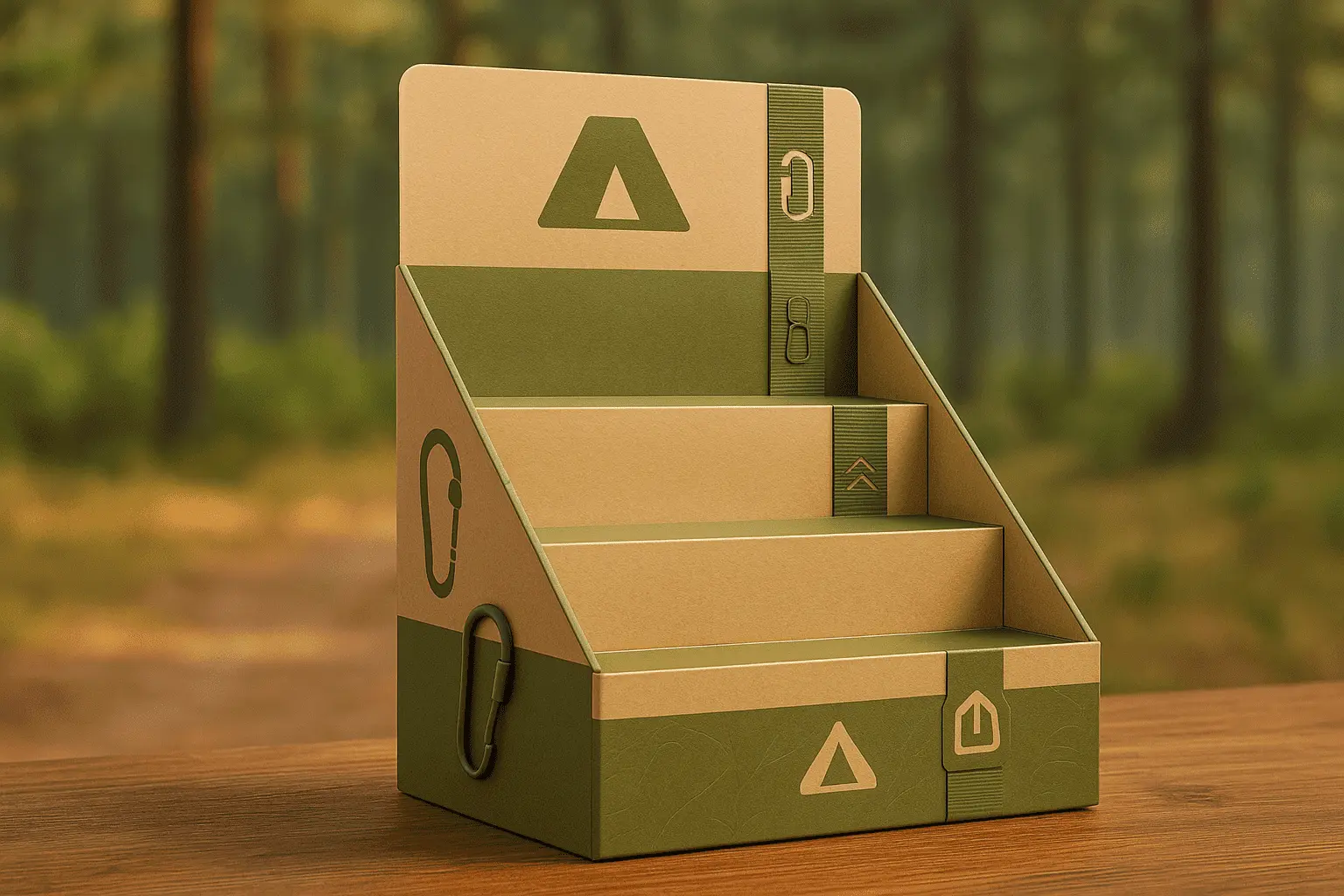
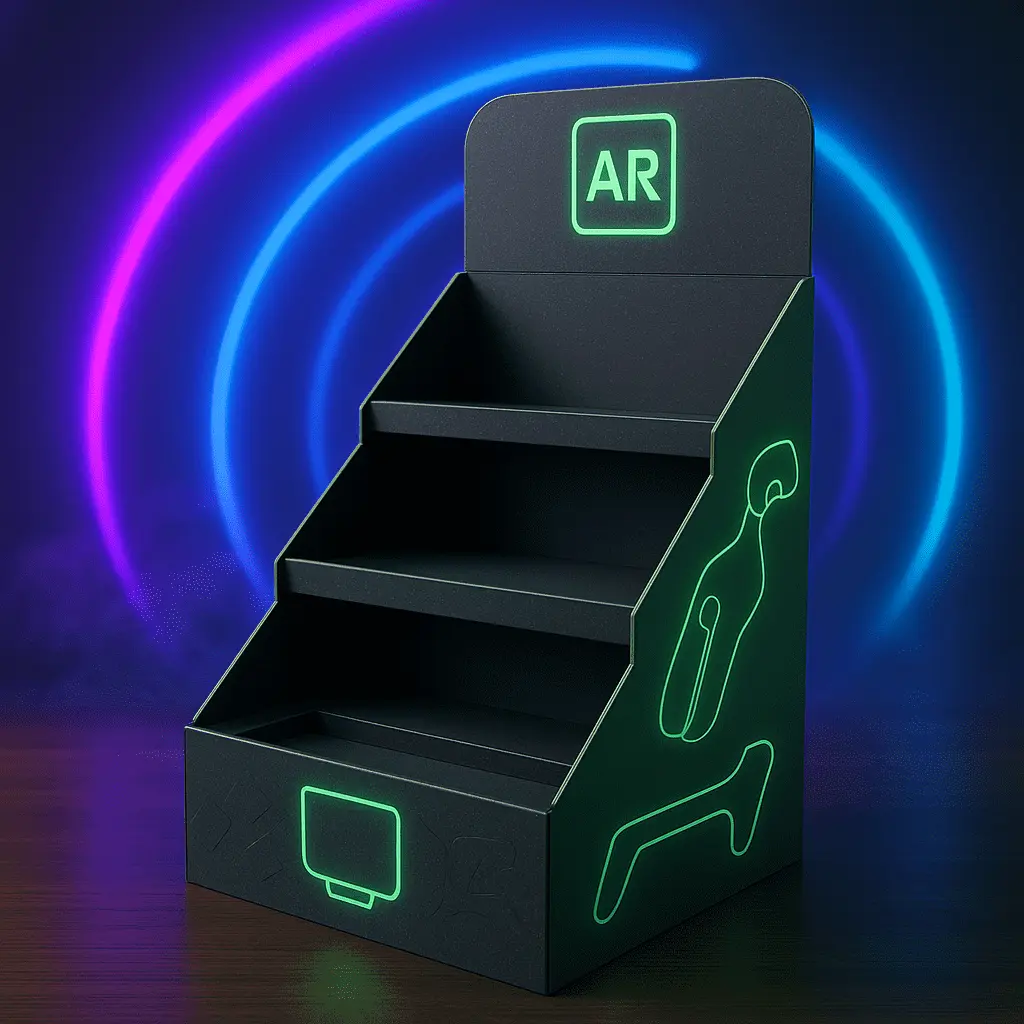
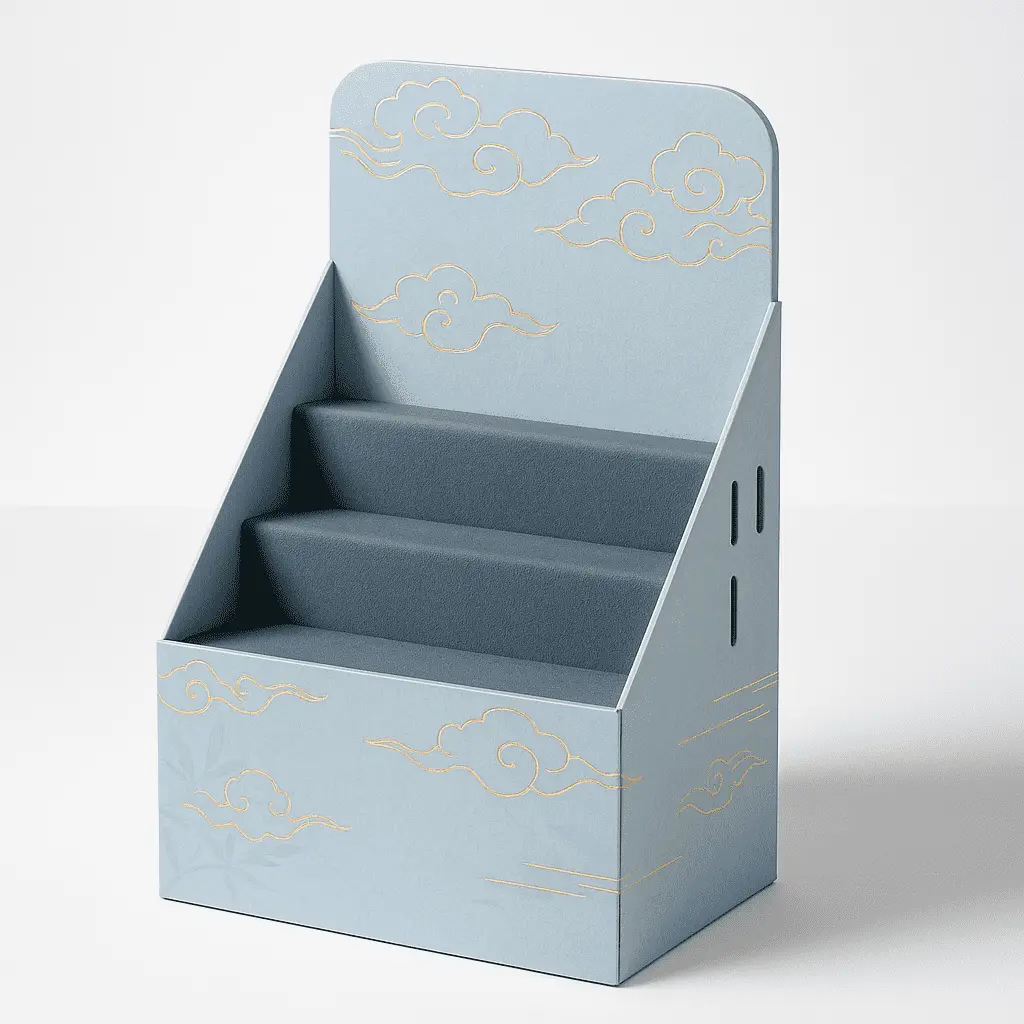
Customization includes making changes to the structure and the graphics so that they fit the needs of the brand. Different product sizes can be accommodated by changing the dimensions, and the inside can be set up with dividers, stepped platforms, or foam inserts to keep things safe while they're being shipped or displayed. Customizing graphics can be as simple as putting a name on something or as complicated as full-coverage lithographic printing that looks like a picture. Special finishes like spot UV coating, embossing, or metal printing give items a more tactile feel and help them stand out as high-end. Die-cut windows let you see the product inside while keeping the structure strong, and open tear-away parts make it easy to change the contents of the shelf quickly.
How do PDQ displays improve inventory management?
These displays make it easier to see what's in stock, so store workers can quickly see how much is in stock without having to move the products around. The contained shape makes cycle counts easier and makes it easier for automatic refilling to happen when PDQ display units hit certain levels of depletion. Gravity-feed systems make sure that older stock sells before younger stock, which keeps dated goods from going bad. Because they are shelf-ready, displays don't need to be stored in the basement as much because they go straight from delivery to the sales floor, which makes better use of limited space in stores.
Partner with Fetching Printing for Superior PDQ Display Solutions
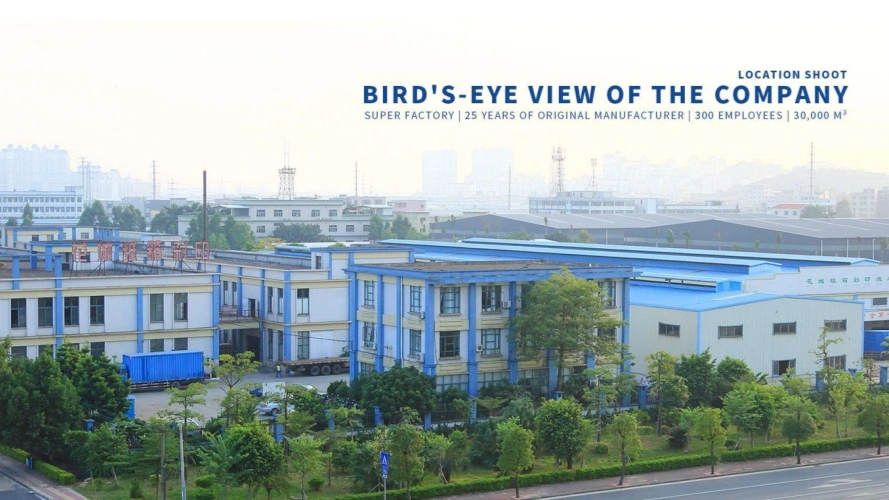
You need a PDQ display maker with technical know-how, quick customer service, and proven production skills to make your merchandising idea come true. Fetching Printing has been providing custom packaging solutions for a wide range of industries since 1999, including cosmetics, consumer electronics, food and drink brands, and more. Our ISO 9001, ISO 14001, FSC, and G7 color management certifications show that we are committed to high quality and protecting the environment. A group of highly trained packaging engineers from our company works with your purchasing and artistic departments to create displays that are best for your products, stores, and budget. We want you to see what a difference 25 years of excellent production makes. You can talk to our solutions team at support@fetchingprinting.com about your needs and ask for sample designs. You can also find out why top brands choose Fetching Printing as their chosen PDQ display provider for important retail projects.
References
Robertson, Gordon L. Food Packaging: Principles and Practice, 3rd Edition. CRC Press, 2012.
Klimchuk, Marianne Rosner and Krasovec, Sandra A. Packaging Design: Successful Product Branding From Concept to Shelf, 2nd Edition. John Wiley & Sons, 2013.
Soroka, Walter. Fundamentals of Packaging Technology, 5th Edition. Institute of Packaging Professionals, 2014.
Lockhart, H. Edward and Paine, Frank A. Packaging of Pharmaceuticals and Healthcare Products. Springer Science & Business Media, 2006.
Hanlon, Joseph F., Kelsey, Robert J., and Forcinio, Hallie E. Handbook of Package Engineering, 3rd Edition. CRC Press, 1998.
Twede, Diana and Goddard, Ron. Materials Handling and Packaging in Distribution. International Journal of Physical Distribution & Logistics Management, Vol. 28, 1998.