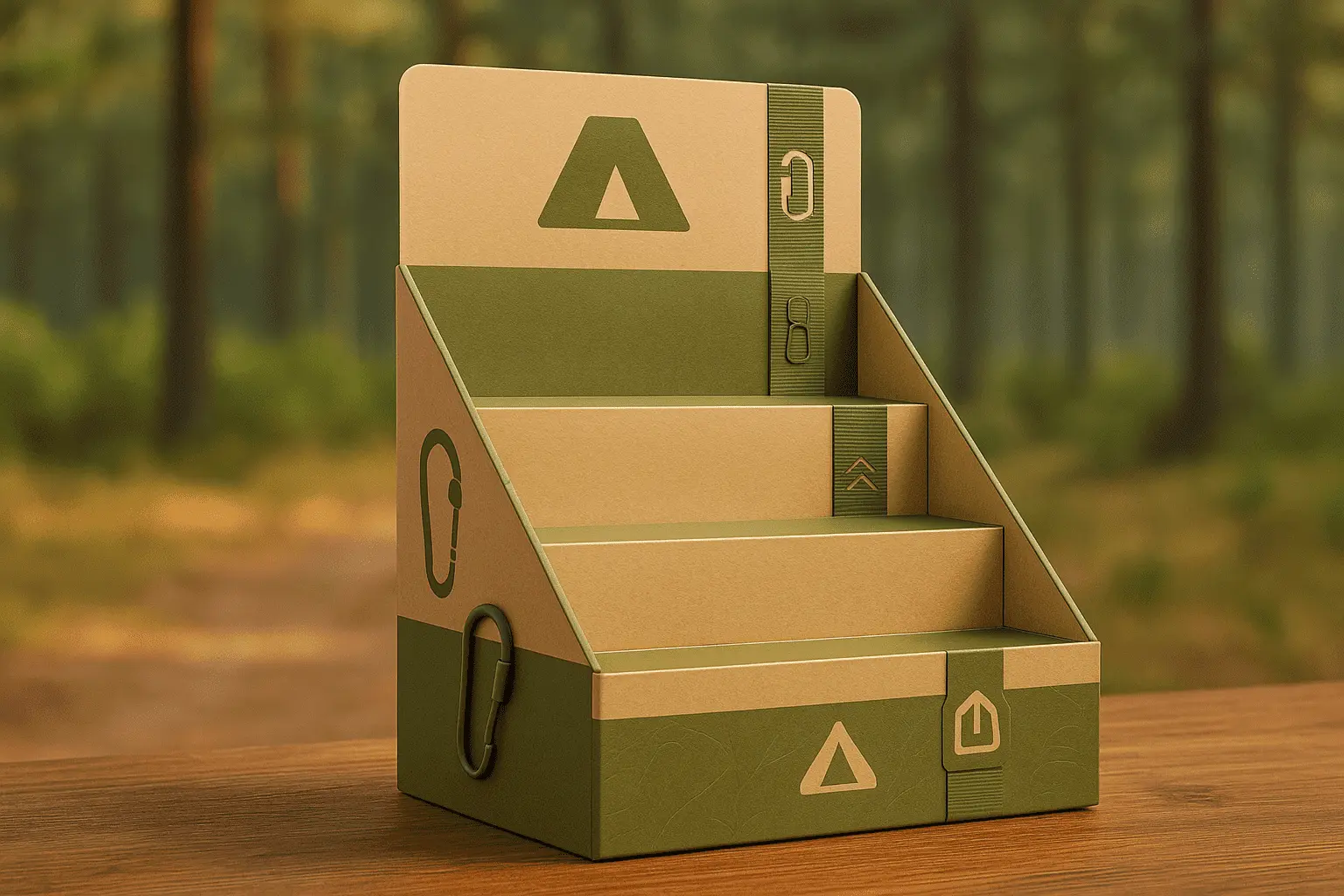
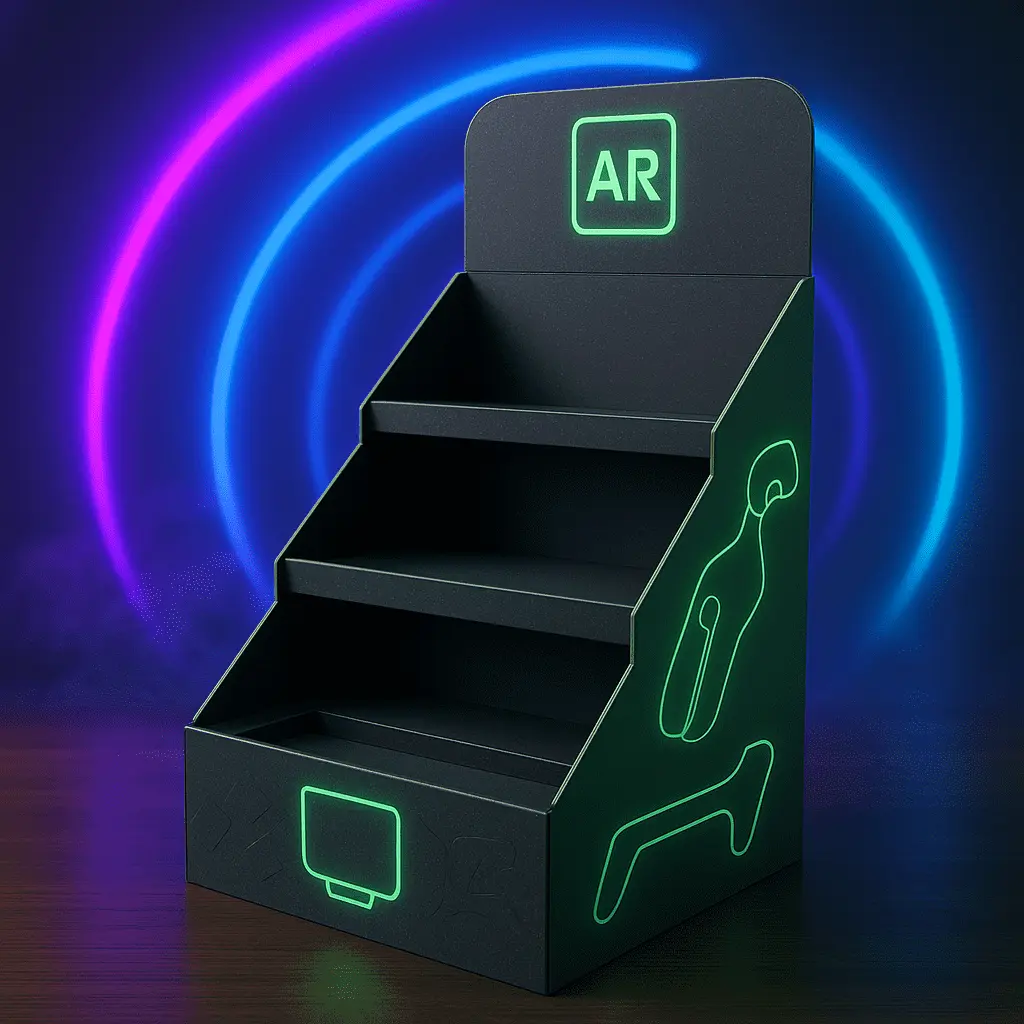
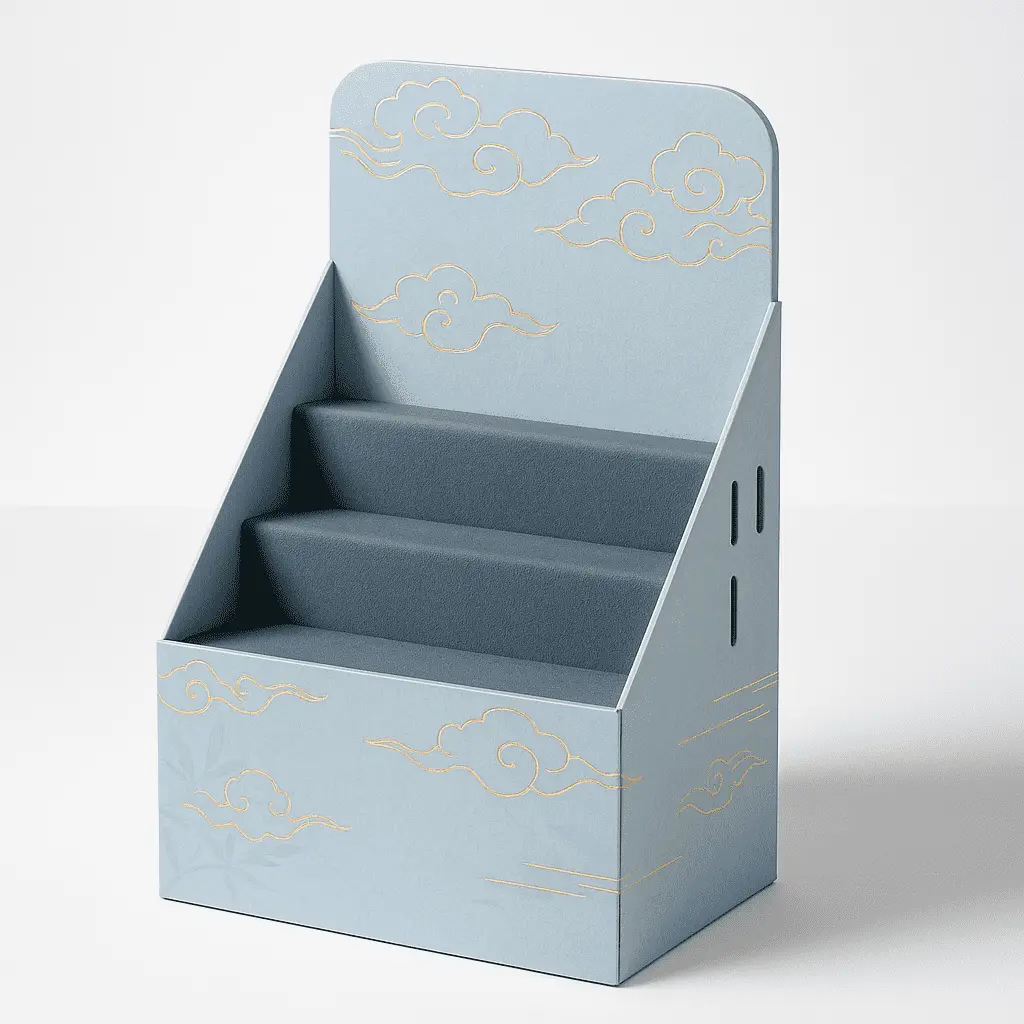
It takes choosing the right materials, making sure the pictures are attention-grabbing, thinking about how it will be built, and making sure it all fits with the brand when you customize floor standing display units for retail stores. The process includes setting goals for the display, deciding if it should be made of cardboard, metal, or wood, adding parts that show off the brand, making sure that the product placement zones are as good as possible, and working with makers who know a lot about the limits of store space and how people shop.

Understanding Floor-Standing Displays and Customization Benefits
Floor-standing displays are retail selling units that don't need anything else to stand on and are made to show off goods in stores. These useful marketing tools come in a range of setups, such as fixed screens for long-term use, retractable units that are easy to carry around, and flexible systems that can be changed to fit your business's changing needs.
Types and Material Options
Retail display units use different materials depending on how long the unit needs to last and how it should look. For short-term advertising, corrugated cardboard is a cheap option, and for long-term installs, metal is the way to go. Wood displays look great with high-end names, and eco-friendly composites are strong and help the environment at the same time.
Key Customization Advantages
Personalizing standard display units makes them great at promoting your brand. The following important benefits show why companies put money into custom store displays:
- Enhanced Brand Recognition: Custom graphics, colors, and messaging create consistent brand experiences that reinforce customer loyalty and increase purchase likelihood.
- Space Optimization: Tailored dimensions ensure optimal fit within specific retail environments, maximizing product visibility while maintaining traffic flow.
- Targeted Consumer Engagement: Strategic design elements guide customer attention toward featured products and encourage interaction with displayed merchandise.
- Competitive Differentiation: Unique display characteristics help brands stand out among competing products in crowded retail spaces.
According to research, well-thought-out displays near the checkout can boost sales of those items by 20–30% compared to regular store placement.
Step-by-Step Process to Customize Floor-Standing Displays
Systematic planning that takes both looks and functionality into account is needed for successful customization. The first step in the process is to clearly define the goals. Next, materials are chosen, designs are made, and plans for action are created.
Defining Display Objectives and Requirements
Setting clear goals for floor standing display helps with every customization choice that comes next. Think about the age, gender, and other characteristics of the people you want to reach, as well as the types of products you sell, the way your store is organized, and the times you have sales. Electronics stores may put more focus on security and interactivity, but beauty brands may focus on making products easier to use and making them look fancy. Companies that make food and drinks need materials that are safe for food and can stand high and low temperatures.
Material Selection and Design Principles
The performance and lifespan of a device are greatly affected by the materials used to make it. Cardboard signs are great for printability and recyclability in situations where cost matters and short-term ads are used. Metal buildings are good for places with a lot of traffic where they need to be durable and resistant to theft. Wood displays give high-end products a more polished look, but they are more expensive to buy and set up.
A name that is consistent, an interaction that is easy to use, and eco-friendly actions are all part of design concepts. Using the same colors, fonts, and messages across all customer interactions makes your brand more recognizable. People-friendly designs make it easier to get to the goods and get knowledge. Sourcing materials, making goods, and throwing them away at the end of their life are all sustainable practices.
Implementation Planning and Quality Control
A thorough plan, coordination with suppliers, and quality assurance are all parts of effective execution. Make detailed instructions that cover the size, images, how to put it together, and performance standards. Set up quality checks at every stage of production to make sure that the work is always the same and meets the standards of the brand.
Procurement Considerations and Supplier Selection
Choosing the right providers ensures the project will be a success and people will be happy in the long run. The standards for evaluation go beyond just the price. They also include quality, production skills, and service dependability.
Supplier Evaluation Criteria
A full supplier review looks at a number of different success metrics. The ability to produce affects the order completion delays and the choices for scalability. Quality badges show that you want to use the same methods and get the same results every time. Client reviews from before give you an idea of how reliable the service is and how well they can fix problems.
Shipping costs, arrival times, and how well people can talk to each other are all affected by where the package is going. International manufacturers might be cheaper for big orders, but domestic sellers have shorter lead times and make it easy to check on quality. Take these things into account with the needs and budget limits of the job.
Procurement Metrics and Budget Management
Key buying measures for floor standing display help people decide what to buy and how to spend their money. The amount of time it takes to get goods affects the timing of advertising campaigns and the planning of supplies. The number of units that must be ordered affects the storing needs and cost per unit. Shipping choices affect how much the job costs and how reliably it gets delivered.
Quality warranties protect people from mistakes in making and fails in performance. Service level agreements set standards for how to talk to each other, make changes, and solve problems. During the buying process, these contractual aspects make sure that everyone is safe and responsible.
Practical Installation and Usage Tips for Custom Floor-Standing Displays
Correct placement makes the monitor work better and keeps it working longer. Installation factors include how to put things together, where to put them, and how to keep them working.
Assembly and Placement Strategies
The way things are put together changes depending on how hard the show is to make and what it's made out of. Modular designs have parts that fit together like puzzle pieces, and more complicated units may need people who know how to put things together. Retractable signs make it easy to store and set up temporary ads because they are small and portable.
The amount of customer involvement changes a lot based on where products are placed in stores. Store entrances are most noticeable in places with a lot of foot traffic, and end-cap sites make the most of natural buying patterns. You can help your other ads by coordinating your display with their plans and by changing your goods for the season.
Maintenance and Longevity Considerations
Regular care keeps the display looking good and makes it last longer. It helps cardboard displays to be kept safe from dust and moisture, and metal units need to be cleaned every so often to keep the quality of the finish. Wood displays may need to be conditioned so they don't crack or bend in different levels of humidity.
Protective coatings, reinforcing areas that get worn down easily, and teaching store staff how to handle things properly are all ways to avoid damage. Set up repair plans that are in line with how the store works and don't bother customers too much.
Innovative Design Ideas and Trends for Floor-Standing Displays
Modern store display design uses new technologies and eco-friendly methods that make the shopping experience better while also being good for the earth.
Technology Integration and Interactive Elements
These days, more and more screens have built-in lighting that makes goods stand out and sets the right mood. LED strips light up spaces using little energy, and they let you choose the color and brightness level. With digital screens, you can update information on the fly and connect with customers.
Interactive technologies turn screens that don't do anything into fun experiences. While QR codes link real-life displays to digital content and ways to buy things, touch screens show and compare information about products. These new inventions make it easier to shop both online and in-person.
Sustainability and Future Trends
The need to protect the environment has led to new ways of making and designing things. Recycled materials keep efficiency levels up while lowering the environmental effect. Biodegradable materials are great for disposing of things at the end of their life, especially when they are used for short-term promotional shows.
Smart screens with data analysis and AI integration will be the next big thing. These high-tech systems keep track of how customers connect with products and put them in the best places based on how customers have acted in the past. The circular economy is based on ideas that support making things that can be taken apart and reused.
Conclusion
It takes a lot of thought to customize floor-standing displays when it comes to materials, design rules, how to get everything, and how to make it all happen. Success depends on making sure the display features match the goals of the brand, the target group, and the store where it will be shown. Good providers have the knowledge and skills needed to turn original ideas into useful marketing materials. Proper placement and upkeep help build a brand in the long run and get the most out of an investment. As the world of retail changes, new display technologies and eco-friendly methods will affect how customers can personalize their purchases in the future.
FAQs
What materials work best for durable floor-standing displays in high-traffic retail areas?
Metal and high-grade wood excel in high-traffic environments due to superior durability and resistance to wear. Metal displays offer exceptional strength and longevity, making them suitable for permanent installations. Wood provides aesthetic appeal while maintaining structural integrity. Reinforced cardboard serves temporary promotions effectively. Consider factors like weight requirements, environmental conditions, and maintenance capabilities when selecting materials.
How long does the customization and delivery process typically take for bulk orders?
Standard lead times range from 4 to 8 weeks depending on order complexity, design requirements, and material availability. Simple cardboard displays may complete faster, while complex metal or wood constructions require additional production time. Rush orders are possible with premium pricing. Plan promotional campaigns well in advance to accommodate normal production schedules.
Can eco-friendly materials maintain quality standards for retail display applications?
Modern eco-friendly materials meet rigorous quality standards while supporting sustainability goals. Recycled cardboard maintains structural integrity and printability. FSC-certified wood ensures responsible forestry practices. Bio-based composites offer durability comparable to traditional materials. These options satisfy environmental requirements without compromising display performance or brand presentation quality.
Partner with Fetching Printing for Your Custom Display Needs
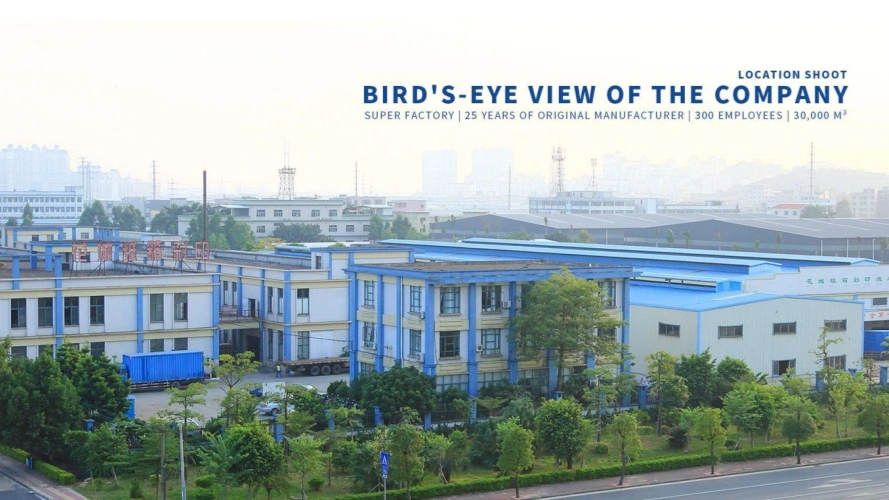
Fetching Printing combines 25 years of manufacturing expertise with cutting-edge technology to deliver exceptional floor standing display solutions. Our 50,000㎡ facility houses advanced machinery operated by skilled craftsmen who understand retail merchandising requirements. We specialize in custom packaging and display manufacturing for electronics, cosmetics, food, and luxury goods industries. Our R&D team of experienced packaging engineers provides comprehensive design support, material innovation, and process optimization. As a trusted floor standing display supplier, we maintain ISO certifications and environmental standards that ensure consistent quality and responsible manufacturing practices. Transform your retail environment with displays that capture attention and drive sales. Contact us at support@fetchingprinting.com to discuss your customization requirements and receive detailed project proposals.
References
Johnson, M. & Peterson, K. (2023). "Retail Display Effectiveness: Impact of Customization on Consumer Behavior." Journal of Retail Marketing Research, 45(3), 112-128.
Williams, S. (2022). "Sustainable Materials in Point-of-Purchase Display Manufacturing." Environmental Packaging Quarterly, 18(2), 45-62.
Chen, L. et al. (2023). "Technology Integration in Modern Retail Display Systems." International Conference on Retail Innovation Proceedings, 78-94.
Rodriguez, A. & Thompson, R. (2022). "Procurement Strategies for Custom Retail Fixtures: A Comprehensive Guide." Supply Chain Management Review, 29(4), 33-47.
Davis, P. (2023). "Floor-Standing Display Design Principles for Maximum Customer Engagement." Retail Merchandising Today, 41(7), 22-35.
Anderson, J. & Brown, H. (2022). "Material Selection Criteria for Durable Retail Display Construction." Packaging Technology International, 56(8), 67-81.