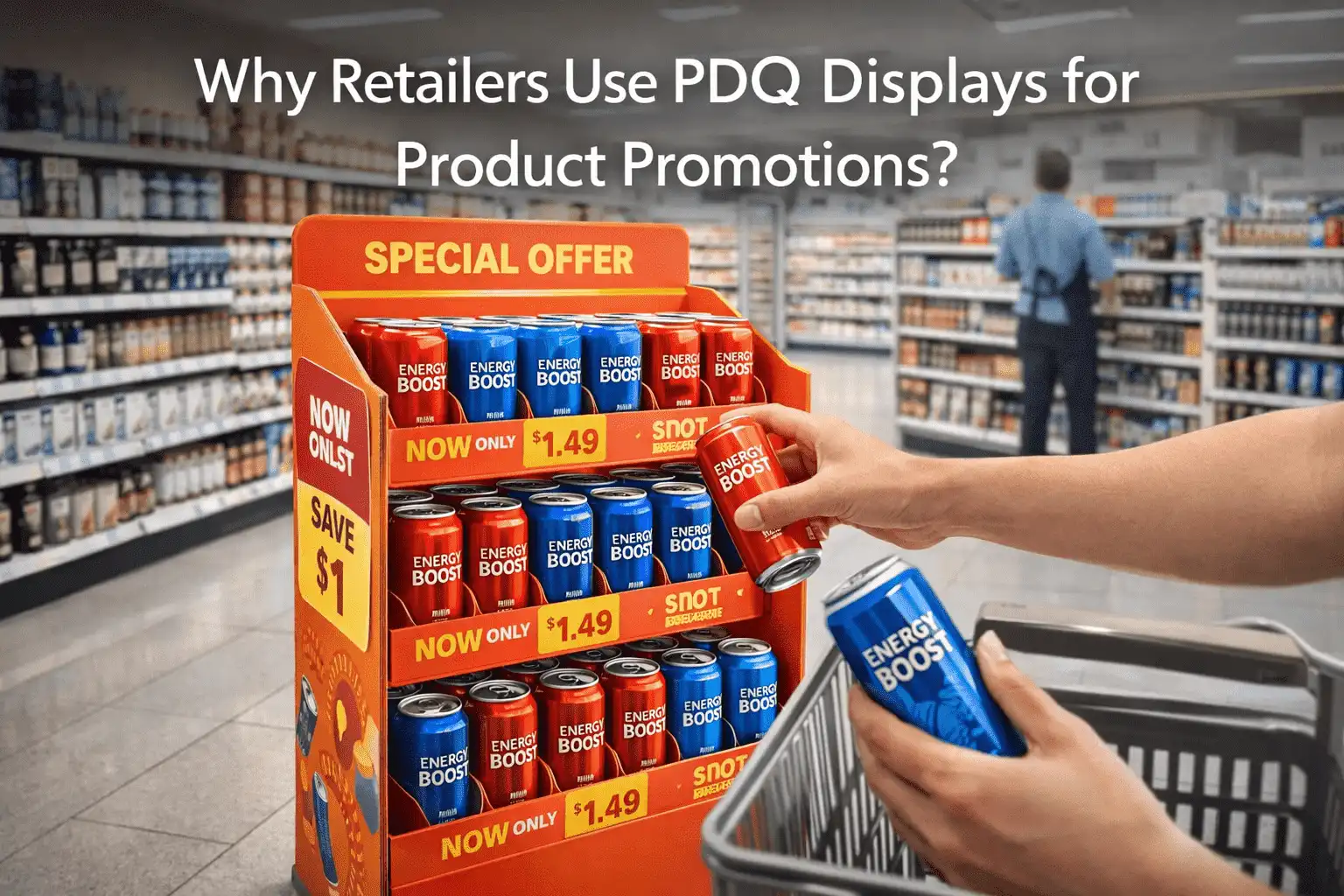
More and more, stores use PDQ screens to promote products. These useful, money-saving tools make products more visible at important times when customers are making decisions. A PDQ display puts products in places with a lot of foot traffic on purpose, catching people's attention right when they are about to make a purchase. These new store pieces turn normal product displays into interesting advertising chances that make people buy things they weren't planning to buy and learn more about the brand. Studies show that well-planned displays at the point of purchase can boost sales by up to 20% compared to regular shelf placement. This makes them an important part of modern retail.
Understanding PDQ Displays: Meaning, Types, and How They Work
Quick units are a special kind of store device that is designed to make it easier for people to see and interact with products quickly. These displays focus on quick setup and encouraging impulse buys through smart placement and attention-grabbing design features. This is different from traditional shelving or fixed point-of-purchase installs.
Common Types and Material Construction
The store business uses different PDQ setups to make sure they work for different types of products and sales goals. Here are the main types of things that current merchandising tactics are based on:
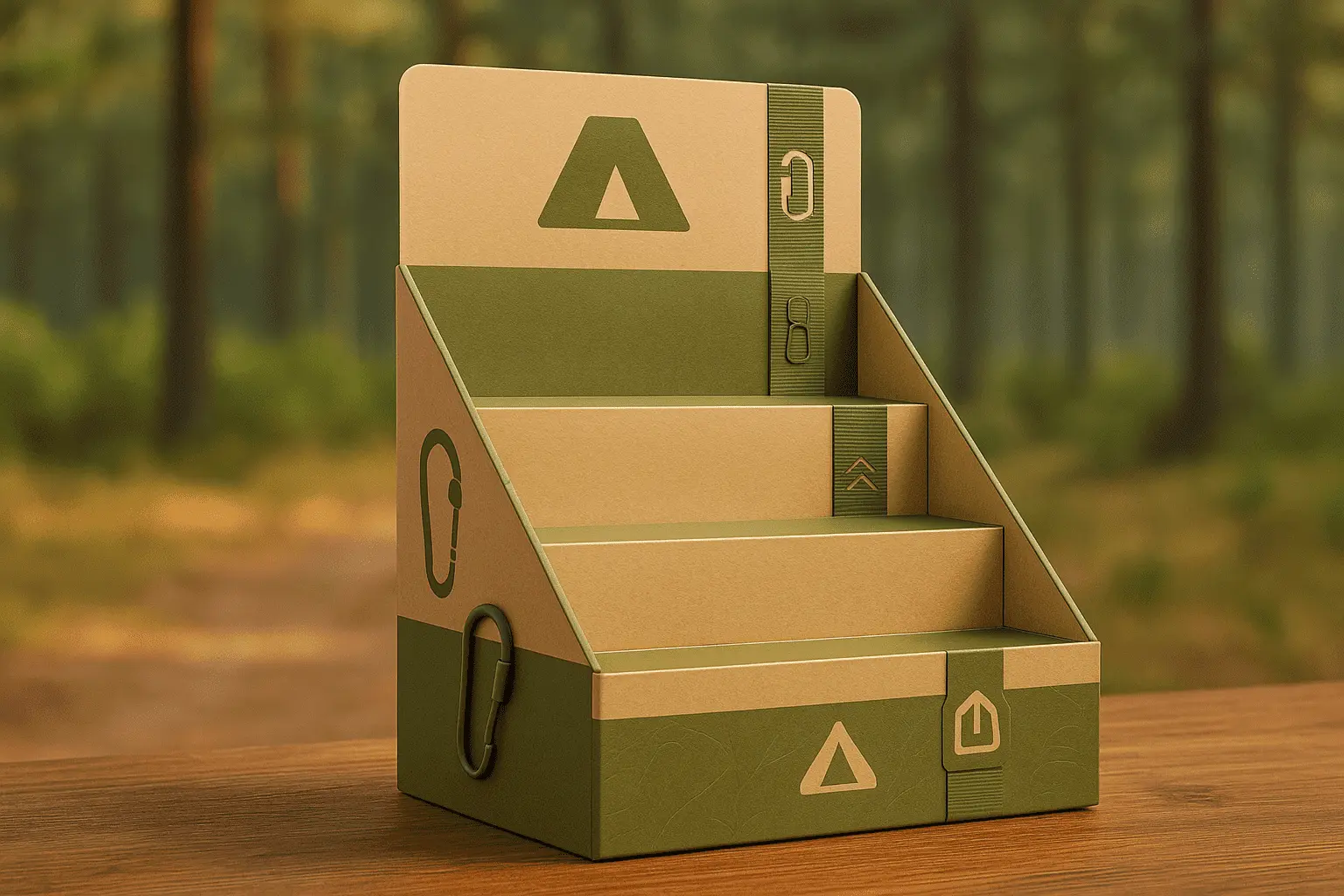
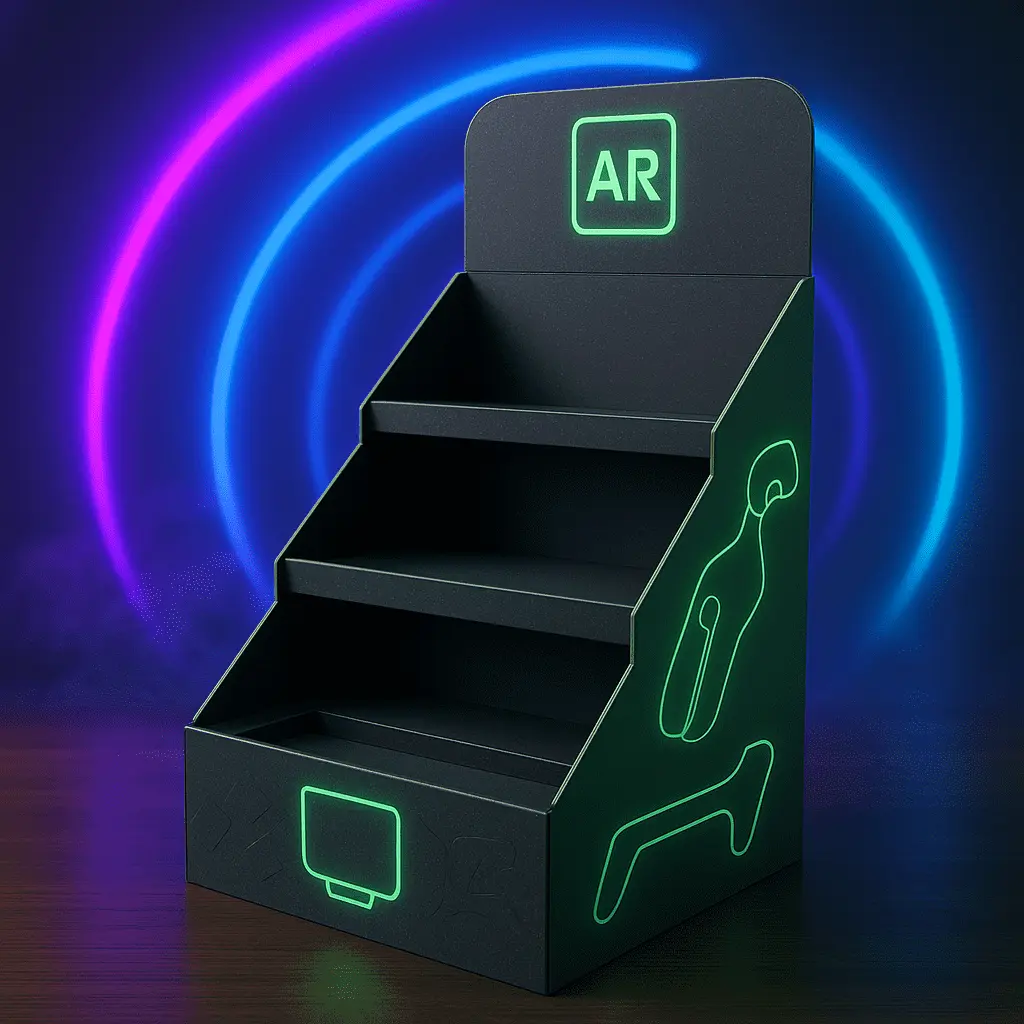
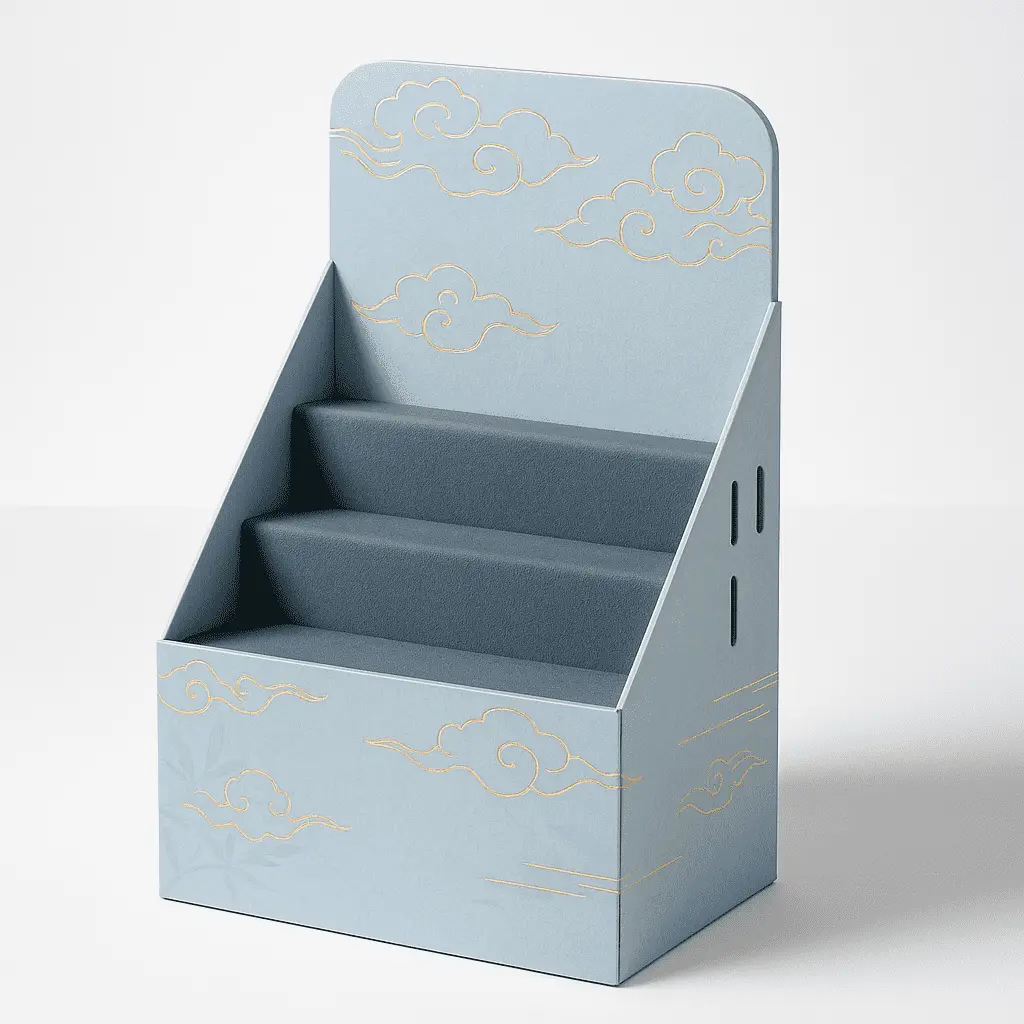
- Clip strips and hanging displays: These lightweight solutions attach directly to existing fixtures, offering maximum flexibility for small items like accessories, snacks, or beauty products while requiring minimal floor space investment.
- Shelf trays and counter units: Positioned at checkout areas or high-visibility zones, these displays capitalize on customer waiting time and facilitate last-minute purchase decisions through strategic product placement.
- Floor stands and tower displays: Freestanding units that create dedicated promotional spaces within retail environments, allowing for comprehensive product showcases and brand storytelling opportunities.
These useful tools for selling products are made from a wide range of materials, like cardboard and strong plastic blends. Each one is chosen based on the brand's positioning strategy, taking into account factors like how long it needs to last, the surroundings, and the look it needs to have.
Strategic Functionality in Retail Environments
Putting goods where they can be seen easily and in areas with a lot of foot traffic is an important part of PDQ. These displays work by interrupting the way people normally shop, making planned connections that make people interact with the product and buy it without thinking. The planned placement turns normal shopping trips into active promotional meetings that are good for both stores and brand makers.
Key Benefits of Using PDQ Displays for Product Promotions
Today's stores need marketing solutions that keep the business running smoothly while also delivering clear results. Point-of-purchase screens are great at many performance tasks that have a direct effect on overall business success and customer happiness.
Enhanced Product Visibility and Consumer Engagement
Customers are drawn to well-thought-out PDQ display sales displays that add interest to standard shelves and draw attention to certain goods. According to research, putting displays in the right places can make people more aware of the products by 65% compared to putting them on regular shelves. Brands that do this get big benefits over others in the same market. These increases in interaction lead straight to higher rates of people considering buying and actually buying.
Cost Efficiency and Rapid Implementation
Promotional display solutions offer much better value than changing fixed fixtures or completely redesigning the store. The simple setup lets stores start sales events in hours instead of weeks, which lets them quickly react to market opportunities and seasonal needs. This ability to change operations quickly is especially useful for time-sensitive sales and new product launches that need to be available in the market right away.
Flexibility Across Product Categories
Successful merchandising strategies must be able to change to fit different kinds of products, sales times, and shop designs. Today's screens are great at this kind of flexibility; they can show anything from gadgets and makeup to food and clothing items. The fact that many designs are flexible makes it easy to reconfigure and reuse them in different sets of promotions, which gets the most money out of the investment.
Case studies show that strategically placing products can help sales. For example, a lot of stores have said that the performance of promoted products went up by 15–30% during sales events.
Strategic Design Tips for Effective PDQ Displays
There are many design elements that need to be carefully thought out so that the advertising displays will get attention, show worth, and help people decide to buy. Professional display creation combines looks and functionality to get the best results.
Material Selection and Structural Integrity
Choosing the right materials that take into account how long the display needs to last, the impact on the environment, and the cost is an important first step in display creation. If you need something that can be easily customized and recycled, corrugated cardboard is a great choice. On the other hand, plastic options last longer, which is helpful for longer promotional times. The decision relies on the projected lifetime, deployment conditions, and sustainability goals that are in line with the company's duty to do good.
Visual Branding and Messaging Optimization
Clear messages and interesting images are the most important ways to get people to pay attention and be interested. Effective designs use strong colors, easy-to-read fonts, and carefully planned product pictures that show people what the value offer is right away. In competitive retail settings, brand uniformity in all visual elements strengthens the business's character and helps customers trust and recognize the brand.
Layout optimization for PDQ display means finding the right balance between the size, weight, and ease of building for show so that it can be used in a variety of stores. When this offer is used with other marketing efforts, it reaches more people and gives customers a consistent experience across multiple communication platforms and touchpoints.
How Retailers Decide on PDQ Displays: Comparing Solutions and Vendors
When procurement decisions are made about advertising displays, many things must be carefully considered that will affect both the short-term success of the campaign and the long-term efficiency of the business. Retail buyers need to be able to standards and budget at the same time as making sure that vendors help with the overall goals of the business.
Vendor Selection Criteria and Customization Capabilities
Professional sellers use a number of important performance indicators to judge possible providers. These indicators can help professionals predict the result of a relationship. Here are the most important things that affect the choice of vendor:
- Customization flexibility and design support: Leading suppliers provide comprehensive design services that translate brand requirements into effective display solutions while offering rapid prototyping and approval processes that minimize time-to-market delays.
- Production capacity and lead time reliability: Successful partnerships depend on suppliers who can meet volume requirements and delivery schedules consistently, particularly during peak promotional periods when timing proves critical to campaign success.
- Quality assurance and material certifications: Reputable manufacturers maintain strict quality control processes and provide necessary certifications for food-grade, safety, and environmental compliance standards that protect brand reputation and regulatory compliance.
These standards for judging proposals help procurement teams find providers who can both help the project succeed right away and build long-term partnerships that support changing business needs and plans for market growth.
Cost Analysis and Procurement Logistics
The cost of something isn't just the price per unit; it also includes the cost of owning it, such as shipping, storage, and dumping costs. Minimum order number requirements and bulk buying possibilities have a big effect on budget planning and inventory management strategies. Procurement that is smart about costs and operating flexibility makes sure that the total campaign success is better.
PDQ Display Setup and Usage: Practical Guide for Retail Success
Systematic distribution processes that make sure consistent setup quality and optimal placement strategies are used in all store sites will lead to implementation success. Professionals know how to set up a show so that it works better, without taking too much time or interrupting business.
Assembly and Deployment Best Practices
Simplified assembly makes things quicker and lessens the chance of mistakes that could hurt the steadiness or look of the display. With clear guidance papers and intuitive design, store staff can quickly set things up without needing to be trained first. Effective displays can be put together quickly and stay intact during long ad times.
Strategic Placement and Performance Measurement
The best placement tactics focus on places with a lot of foot traffic where people naturally focus, like entrances, checkout lines, and the ends of aisles. Key performance factors, like the percentage of more sales, the rate of customer interactions, and the return on investment for promotions, are used to measure success, figure out how successful displays are, and help with the planning of future campaigns.
Examples from the industry show how big stores have used strategic placement of displays to get great results. For example, electronics brands have reported a 40% rise in accessory sales through checkout displays, and cosmetics companies have seen a 25% increase in trial purchases through sampling stations that are part of promotional fixtures.
Fetching Printing: Your Trusted PDQ Display Manufacturing Partner
Fetching Printing's specialty is creating and planning new show solutions that meet the needs of businesses like yours around the world. Since our start in 1999, we've learned a lot about making promotional pieces that help brands in the electronics, makeup, food, and luxury goods industries, among others.
Advanced Manufacturing Capabilities
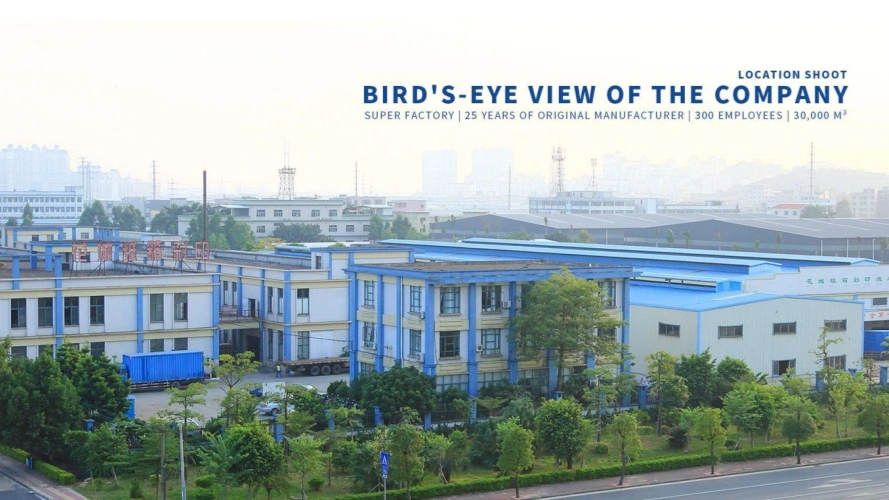
Our 50,000-square-meter factory is home to cutting-edge equipment, and over 300 skilled professionals work there with the goal of providing outstanding product and service. The research and development team is made up of more than ten packaging engineers with a lot of experience in structural design, artwork development, material uses, and process optimization. This guarantees that every project meets strict performance standards.
Comprehensive Certification and Quality Assurance
We have several industry certificates, such as SMETA, FSC, ISO14001-2015 for Environmental Management, ISO9001-2015 for Quality Management, G7 for Color Management, and Disney. These certificates show that we are dedicated to environmental responsibility, social corporate responsibility, and making sure that everyone follows the same rules when it comes to doing business. They also make sure that we follow international rules for quality and safety.
Our full-service method for PDQ display covers everything from the first meeting to help after deployment. This makes sure that the new system works well with your current retail strategies and operations. We invite potential customers to look at our tailored options that meet specific purchasing goals and help the store succeed in measured ways.
Conclusion
Stores continue to use PDQ screens for product marketing because they are useful in many areas of performance and continue to be cost-effective and easy to use. The benefits of this strategy include making the products more visible, getting customers more involved, and increasing sales in a way that shows that promotions are worth the money and that they will help the business succeed in the long run. Newer display technologies are more flexible than ever, making it easier to use a wide range of environmental friendly display products and advertising strategies that support sustainability goals and brand image goals. Stores are becoming more competitive, so well-thought-out special displays are a great way to stand out, get customers' attention, and encourage them to buy at important times during their shopping trip.
FAQs
What is the typical lead time for custom PDQ display orders?
Custom display orders typically require 3-6 weeks for completion, depending on design complexity, order volume, and specific customization requirements. This timeline includes design approval, material procurement, production scheduling, and quality assurance processes that ensure optimal results.
Can PDQ displays be reused for different products or campaigns?
Many modern displays feature modular designs that facilitate reuse across multiple promotional cycles and product categories. The reusability depends on construction materials, design specifications, and campaign requirements, with many clients successfully repurposing displays for seasonal promotions and new product launches.
How do PDQ displays compare environmentally with other retail display options?
Contemporary displays often utilize recyclable or biodegradable materials, making them significantly more environmentally friendly than plastic-heavy alternatives or permanent fixtures. Sustainable material choices and end-of-life disposal options support corporate environmental responsibility initiatives while maintaining performance standards.
Ready to Elevate Your Product Promotions with Custom Display Solutions?
Discover how Fetching Printing can transform your promotional strategies with expertly designed PDQ display solutions tailored to your specific merchandising needs. As a leading PDQ display manufacturer, we combine decades of industry experience with cutting-edge production capabilities to deliver results that exceed expectations. Our comprehensive design and manufacturing services ensure your promotional campaigns achieve maximum impact while maintaining cost efficiency and sustainability standards. Contact us at support@fetchingprinting.com to discuss your upcoming projects and request custom samples that demonstrate our commitment to excellence.
References
Johnson, R. & Smith, M. (2023). "Point-of-Purchase Display Effectiveness in Modern Retail Environments." Journal of Retail Marketing Research, Vol. 45, Issue 3.
Anderson, L. (2022). "Consumer Behavior and Impulse Purchase Triggers: A Comprehensive Study of Display Impact." International Business Review, Vol. 28, Issue 7.
Chen, K. & Williams, D. (2023). "Sustainable Retail Display Solutions: Environmental Impact and Cost Analysis." Packaging Innovation Quarterly, Vol. 12, Issue 2.
Thompson, J. (2022). "Strategic Merchandising: The Role of Promotional Displays in Sales Performance." Retail Management Today, Vol. 34, Issue 5.
Rodriguez, A. & Martinez, S. (2023). "Material Science in Retail Display Manufacturing: Trends and Innovations." Industrial Design Journal, Vol. 19, Issue 4.
Brown, C. (2022). "B2B Procurement Strategies for Retail Display Solutions: A Comprehensive Guide." Supply Chain Management Review, Vol. 41, Issue 8.