How to Reduce Lead Times for Custom PDQ?
To cut down on wait times for custom PDQ display options, you need a plan that looks at both your internal processes and your relationships with suppliers. Time-to-market is very important for retail success because PDQ (Product Display Quantity) displays can be used as both shipping cases and quick retail merchandising units. Businesses can cut production times by a lot while still keeping quality standards by streamlining design processes, making the most of their partnerships with suppliers, and using advanced manufacturing techniques. Finding problems early on, setting clear communication rules, and choosing manufacturing partners with up-to-date production tools and a history of quick turnaround packing solutions are all important.
Assessing Current Lead Times and Identifying Bottlenecks
Any plan to make things better starts with figuring out where the problems are in your PDQ display buying process. Most businesses have to deal with longer deadlines without understanding it because they don't keep track of the days that slip away during production cycles.
Mapping the Complete Production Timeline
The typical custom PDQ display development process has several steps, and each one has its own problems. Conceptualizing a design usually takes three to five business days, but making a prototype can take seven to ten days, based on how complicated it is and how many changes need to be made. The schedule for production depends a lot on the supply of materials and the factory's ability to make them. Standard runs take 10 to 15 business days to finish.
A lot of buying teams don't think about how small delays at each stage can add up over time. A two-day delay in plan approval and three days of trouble finding materials can cause big problems for the project. Smart businesses keep detailed records of their timelines so they can find trends and repeated problems that slow down progress.
Common Internal Process Bottlenecks
One of the most manageable but often ignored sources of delays is internal approval processes. Complex organizational hierarchies often need multiple sign-offs from stakeholders, which can cause approval bottlenecks that make project timelines longer than they need to be. There are also a lot of delays caused by design iteration processes, especially when feedback isn't clear or comes in pieces from different areas.
Communication problems between internal teams and outside sources make things even more difficult. When design requirements aren't clear or are missing information, manufacturers have to ask for it, which takes extra time and adds days to the production plan. Setting up dedicated project managers makes these exchanges easier and keeps things moving along during the development stages.
External Manufacturing and Supply Chain Challenges
Supply chain problems are still making it hard for companies in the packing industry to get materials and make as much as they want for custom PDQ display. Shortages of corrugated materials, ink, and equipment that needs to be serviced can all affect production plans without warning. Knowing about these outside factors helps buying teams make backup plans and find other ways to get the goods they need.
Manufacturing capacity problems are especially bad during busy shopping times, when demand rises across many client projects at the same time. Suppliers with few production lines may not be able to meet urgent requests. To keep up regular shipping performance, it is important to plan ahead and be flexible with schedule.
Principles and Strategies to Optimize Custom PDQ Production
For optimization to work, the planning, production, and communication processes must all be improved in a planned way. Instead of working on single areas of efficiency gains, the most successful businesses take all-encompassing methods that work on many areas at once.
Advanced Digital Design and Prototyping Tools
Modern software for designing packaging allows for fast development and virtual testing, which greatly reduces the need for real samples. 3D modeling tools let designers see how the structure will look and how well it will hold up before they spend money on making real prototypes. These tools help find problems early on, so expensive changes don't have to be made later in the production process.
Digital teamwork platforms get rid of the need for long email lines that slow down decision-making by letting people give feedback and get approval in real time. Cloud-based design sharing lets many people look over ideas at the same time, which speeds up the process of coming to an agreement and cuts down on the number of revisions that usually take too long and push back project deadlines.
Strategic Material Selection and Sourcing
Material choices directly impact both production speed and final product performance. Standard corrugated types can be processed more quickly than unique materials that need to be made to order. But finding the right balance between speed and usefulness is still very important, especially for screens that need to be more durable or have certain structural features.
Having ties with more than one seller of a material gives you options when your main sources have problems with quality or capacity. Diversified buying strategies help make sure that materials are always available and give you power during talks and when you need to meet urgent project needs right away.
Collaborative Vendor Relationships and Communication
Clear communication between customers and producers for custom PDQ display gets rid of the confusion that causes delays in production. Detailed project reports with full specs, expected timelines, and quality standards help providers make good plans and assign the right resources. Regular reports on progress keep everyone informed about what's going on in production and let problems be fixed before they become a problem.
Preferred vendor relationships often give clients who buy from them often better timing and price options. When providers have long-term relationships with customers, they are more likely to put in the time to understand their unique needs. This makes projects run more smoothly and cuts down on setup times for future orders.
Implementing Advanced Manufacturing and Supply Chain Techniques
Modern methods for manufacturing can cut production times by a huge amount while still meeting quality standards. The best methods get consistent results by combining advanced technology with excellent operational skills.
Expedited Production Services and Bulk Ordering Strategies
Many manufacturers offer faster output levels for projects that need to be done quickly, but it's important to carefully compare what the products can actually do with what the companies say they can do. Instead of just skipping lines on standard equipment, real expedited services have specialized production lines, priority material placement, and shorter setup times.
Strategic methods to bulk buying can lower the cost per unit while getting priority production times for when they are needed in the future. Making a promise to buy a lot of something can help you get better price and scheduling, especially during busy shopping times when the industry's capacity is limited.
These are the main benefits of using faster production services:
- Priority Production Scheduling: Assigning dedicated equipment to projects makes sure they get instant care instead of waiting in regular production lines. This lowers the risk of missed deadlines and allows for accurate planning of delivery.
- Streamlined Setup Procedures: Standardized material handling procedures and pre-configured equipment settings get rid of the usual setup delays in specialized rapid-production routines.
- Enhanced Quality Control: Intensive inspection routines and real-time tracking systems that catch problems right away help keep strict quality standards even when production speeds up.
- Flexible Capacity Allocation: Advanced makers keep extra capacity available for important projects. This makes sure that they are available during times of high demand when normal scheduling becomes hard to follow.
These benefits make it possible for buying teams to act quickly on market opportunities while keeping their package portfolios cost-effective and meeting quality standards.
Regional Sourcing and Logistics Optimization
Total lead times for custom PDQ display are affected by how close manufacturing sites and transport areas are to each other. Regional buying strategies cut down on shipping times and give you more control and insight over the supply chain. In addition to making it easier to communicate, local providers may also save you money by cutting down on shipping costs.
Logistics optimization means matching the end of production with shipping plans so that warehouse dwell time is kept to a minimum. With careful planning ahead of time, final goods can be sent out right away instead of sitting around waiting for transportation to become available.
Technology Integration for Real-Time Tracking
Modern factories use combined management tools to keep track of production in real time. Users can see the progress of a project, how much material is being used, and when it is expected to be finished. This lets schedules be changed ahead of time and delivery accuracy better.
Tools for insight in the supply chain help find problems before they affect transport times. Early warning systems allow for backup plans and other sources of supply when main sellers face unexpected problems or capacity limits.
Summary of Best Practices to Reduce Custom PDQ Lead Times
To reduce lead times in a way that lasts, you need to use complete methods that address many areas for change at the same time. The most successful organizations implement systematic changes across design, supplier management, and operational processes rather than pursuing isolated efficiency gains.
Comprehensive Process Optimization Framework
Clear design specifications early on cut down on change processes that add time to projects that aren't needed. Suppliers can plan well and assign the right resources from the start of a project when they have full project briefs that include specific requirements, expected timelines, and quality standards. As business needs change, regular process review finds new bottlenecks and ways to make things better.
Integration of technology makes contact easier and gives real-time information on the state of a project, which lets problems be fixed before they affect delivery dates. Automated workflow systems cut down on the need for human planning and make sure that the same process is followed for all projects that are running at the same time.
Strategic Supplier Partnership Development
The foundation of effective custom PDQ display procurement plans is a list of trustworthy, certified vendors. Long-term relationships urge suppliers to put money into building up their skills and increasing their capacity, which is good for everyone. Regular meetings of performance review and feedback keep service levels steady while finding ways to make things better.
Diversified supply groups give businesses freedom when they can't meet demand at the same time that they keep prices low by encouraging healthy competition. Formal capacity promises and preferential scheduling deals that help both parties during times of high demand should be part of strategic relationships.
Conclusion
To cut down on wait times for ordering custom PDQ display solutions, you need to pay close attention to how efficient your designs are, how well you work with your suppliers, and how to make the best products possible. To be successful, you need to find specific bottlenecks in the way things are done now and then put in place thorough growth plans that deal with a lot of sources of delay at once. Companies that cut down on timelines the most use advanced digital design tools, smart partnerships with suppliers, and regional buying methods. Investing in process improvement and building relationships gives you long-term competitive advantages by making you more responsive to the market and cutting costs, which helps with both short-term project needs and long-term business greatness.
FAQ
What factors most significantly impact custom PDQ display lead times?
The main things that affect production deadlines are the complexity of the design, the availability of materials, the manufacturing capacity, and the speed of the approval process. Most companies can make the most progress when they have clear specifications and streamlined communication procedures.
How can companies balance expedited production with cost considerations?
Strategically buying in bulk and planning ahead can help you get better prices and keep your schedule flexible. When working with long-term suppliers who value stable business relationships, making volume promises can often get you faster services at standard prices.
What role does regional sourcing play in lead time reduction?
Having regional providers cuts shipping times by a large amount and improves communication and supply chain insight. Local manufacturing also lets you order in smaller batches and restock more often, which makes inventory management more efficient overall.
Partner with Fetching Printing for Optimized Custom PDQ Display Solutions
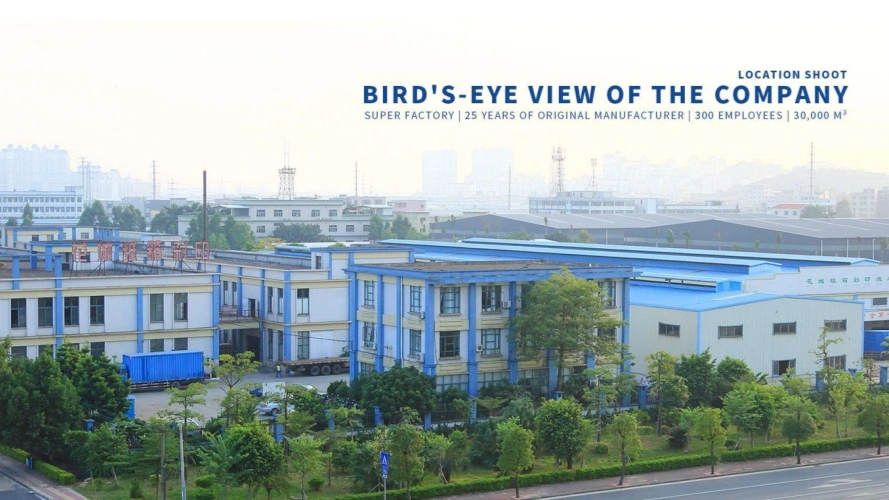
Accelerating your packaging procurement timelines requires experienced manufacturing partners equipped with advanced capabilities and proven rapid-turnaround expertise. Fetching Printing combines 24+ years of packaging excellence with state-of-the-art production facilities spanning 50,000 square meters and over 300 skilled professionals dedicated to delivering exceptional results. Our specialized R&D team of packaging engineers provides comprehensive design support, material optimization, and process innovation that streamlines development cycles while maintaining superior quality standards. With certifications including ISO9001-2015 Quality Management and FSC sustainability standards, we deliver reliable custom PDQ display solutions that meet stringent retail requirements. As your trusted custom PDQ display manufacturer, we offer expedited production services, real-time project tracking, and dedicated account management that transforms complex procurement challenges into streamlined success stories. Contact our packaging experts at support@fetchingprinting.com to discover how our advanced manufacturing capabilities can optimize your timeline requirements.
References
"Supply Chain Optimization in Retail Packaging: Best Practices for Lead Time Reduction" - Journal of Packaging Technology and Research, 2023
"Digital Transformation in Custom Packaging Manufacturing: Impact on Production Efficiency" - International Packaging Institute, 2023
"Regional Sourcing Strategies for Retail Display Packaging: A Comprehensive Analysis" - Packaging World Manufacturing Review, 2022
"Advanced Manufacturing Techniques in Point-of-Sale Display Production" - Society of Packaging Professionals Quarterly, 2023
"Collaborative Design Platforms and Their Impact on Packaging Development Timelines" - Modern Packaging Technology Journal, 2022
"Cost-Benefit Analysis of Expedited Production Services in Custom Display Manufacturing" - Retail Packaging Economics Review, 2023