Retail Floor Displays That Increase Impulse Sales
Strategically placing products and using visual marketing have a big effect on what people buy when they walk into a store. Floor display stands are very good at getting people to buy things without thinking about it. They can turn normal shopping trips into exciting sales possibilities. These carefully placed merchandising solutions break up the way customers normally shop, drawing attention to promoted items and helping stores in a wide range of industries make the most money per square foot.

Understanding the Role of Retail Floor Displays in Impulse Sales
Visual marketing is a big part of retail settings because it helps draw people in and get them to buy things they didn't plan to. Studies of modern shopping behavior show that about 62% of purchases are made on the spot, without much thought. For brands and stores who know how to use smart product placement well, this psychological effect opens up a world of possibilities.
When placed in high-traffic areas like store entrances, aisle crossings, and checkout areas, floor display boxes work as independent sales cars. In contrast to traditional shelf-based merchandising, these freestanding devices build brand environments that separate goods from competing products. The planned placement of these units takes advantage of the way people naturally move around, making sure they are easy to see during busy shopping times.
The Psychology Behind Impulse Purchasing
Consumer behavior study shows that buying things on the spur of the moment is caused by emotional reactions to visual triggers, the ease of access to the product, and the perceived value of the product. Display merchandising that works uses these psychological triggers to its advantage by using smart color schemes, engaging messages, and easy-to-understand product organization. The three-second rule in retail marketing says that signs need to grab people's attention within this short amount of time in order to make them want to buy.
Operational Benefits Beyond Sales Impact
Aside from making money right away, well-done floor displays also help stores and brands run their businesses in big ways. These units add more room for selling things without having to make expensive changes to the store's layout or improvements. They also help with high-volume marketing efforts because they can hold more items than regular shelving systems, which cuts down on the cost of work needed for frequent restocking.
Types of Retail Floor Displays That Maximize Impulse Purchases
In the merchandise business, there are many different types of display options that are made to fit different types of products, store settings, and marketing goals. Procurement professionals can make choices that are in line with their strategic goals and budget limits when they know the specific features and uses of each type of display.
Freestanding Display Units
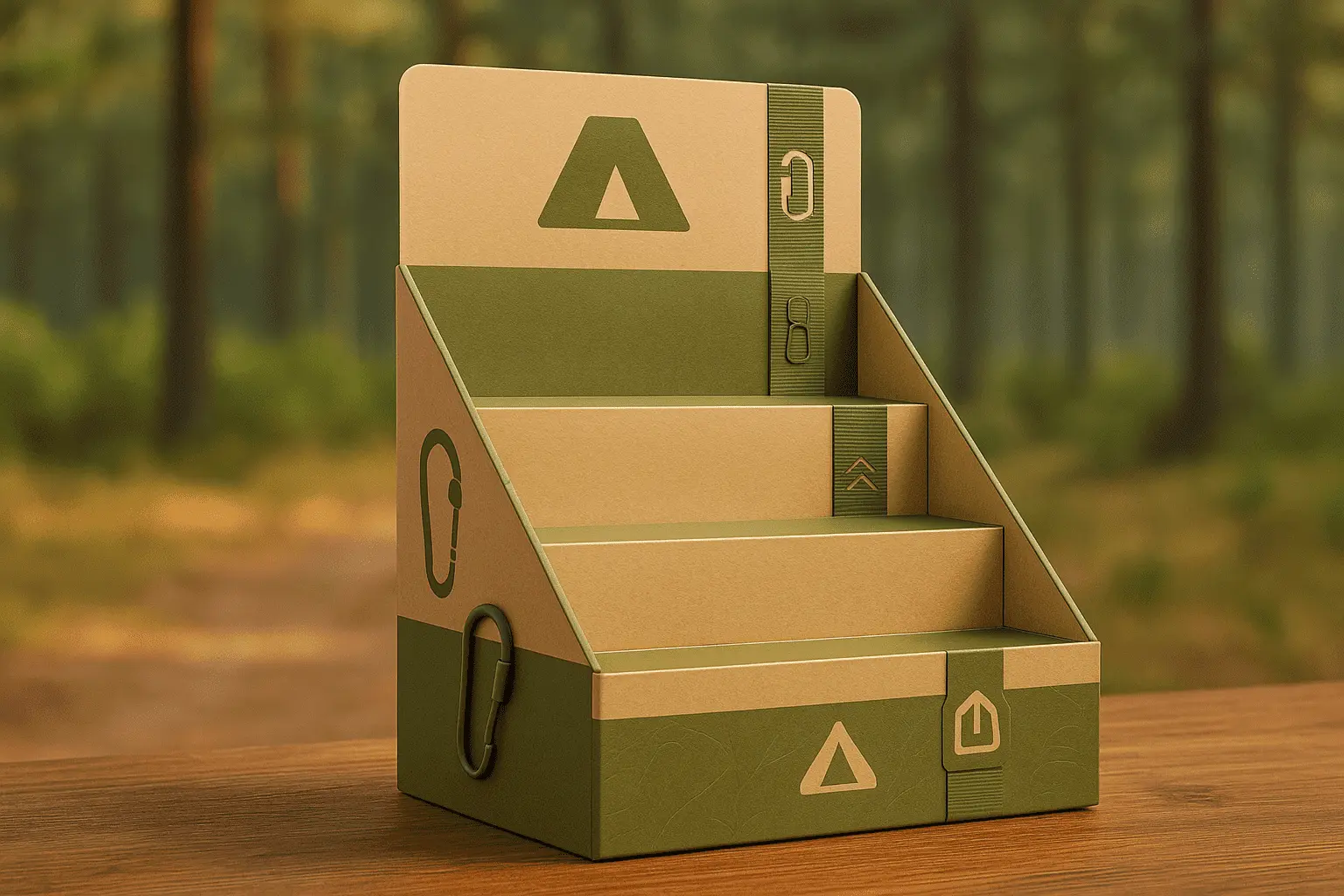
The most flexible type of store merchandising fixtures is the freestanding floor display box. These self-contained systems can handle a range of product sizes and weights and give designers full control over how the products look and what they say about the brand. Modern independent units use advanced structure engineering to hold heavy loads of goods while still being portable so they can be moved around the house during different seasons.
Professional freestanding displays are carefully engineered so that weight distribution, structural stability, and installation requirements are all taken into account. Standard cardboard designs can safely hold 5 to 10 kilograms per shelf, while strengthened designs with metal support bars can safely hold 25 to 40 kilograms per shelf. With these specs, standalone units can hold anything from light makeup to heavy electronics for the home.
Interactive and Digital Display Solutions
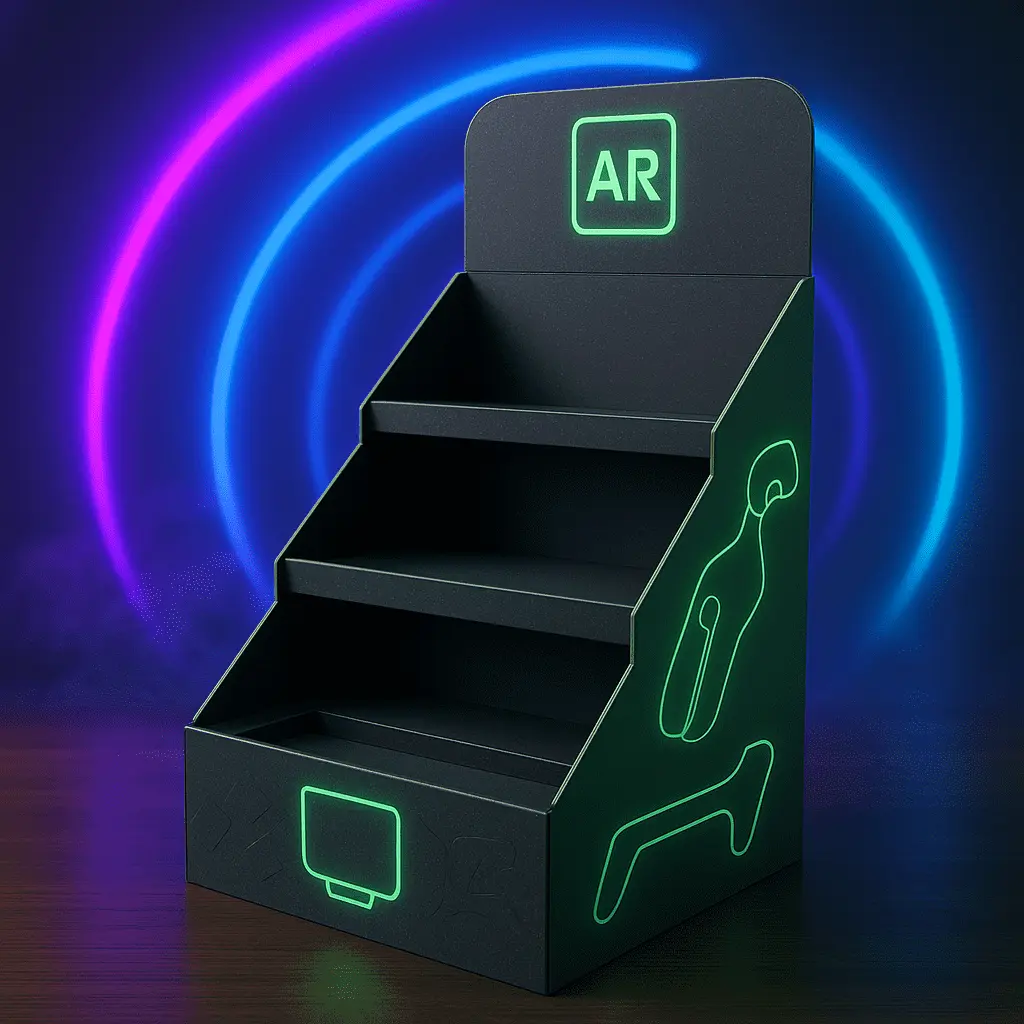
Adding technology to standard display merchandising has changed it, making it possible to collect more data and involve customers more. The rate of conversion is much higher for interactive displays with touchscreens, product demos, and virtual reality experiences than for idle displays. These high-tech systems work especially well in electronics stores where customers like to try out products before buying them.
When using interactive screens for expensive items, security concerns become very important. Professional setups use hidden wire management, automatic security tethers, and heavy-duty steel bases to keep things looking good and stop theft. Most of the time, investing in these advanced solutions pays off because the average deal value goes up and customer happiness goes up.
Sustainable Display Options
Environmental awareness is affecting buying choices in all fields more and more, which is increasing the need for eco-friendly display options. Recycled materials, water-based printing methods, and biodegradable building materials are used in sustainable merchandising choices that don't lose any of their visual effect or functionality. These options are good for customers who care about the environment and help businesses with their sustainability efforts.
FSC (Forest Stewardship Council) compliance, ISO 14001 environmental management standards, and different recycling suitability scores are some of the certifications that can be used for sustainable displays. Many brands that use sustainable display tactics see higher customer engagement and a better opinion of their brand. This is especially true for younger generations who care about the environment.
Designing Retail Floor Displays for Different Product Categories and Store Layouts
To make a good display, you need to know a lot about the product, your target audience, and the limitations of the store space. Each type of product has its own set of problems and chances that affect design choices, the choice of materials, and the needs of structure engineering.
Electronics and Technology Products
Consumer gadgets need special floor display options that strike a mix between product safety, interactivity, and good looks. For live demos, these screens must be able to handle complicated wiring systems while also being strong enough to keep theft and damage out. Anti-scratch laminations, precision foam inserts, and structurally strengthened parts keep the product's integrity during long promotional times.
The technical specs for electronics displays often include built-in systems for managing cables, shelves that can be arranged in different ways, and the ability to expand in modules. With these features, retailers can change displays to fit new products while keeping brand appearance standards the same across all of their stores.
Beauty and Cosmetics Merchandising
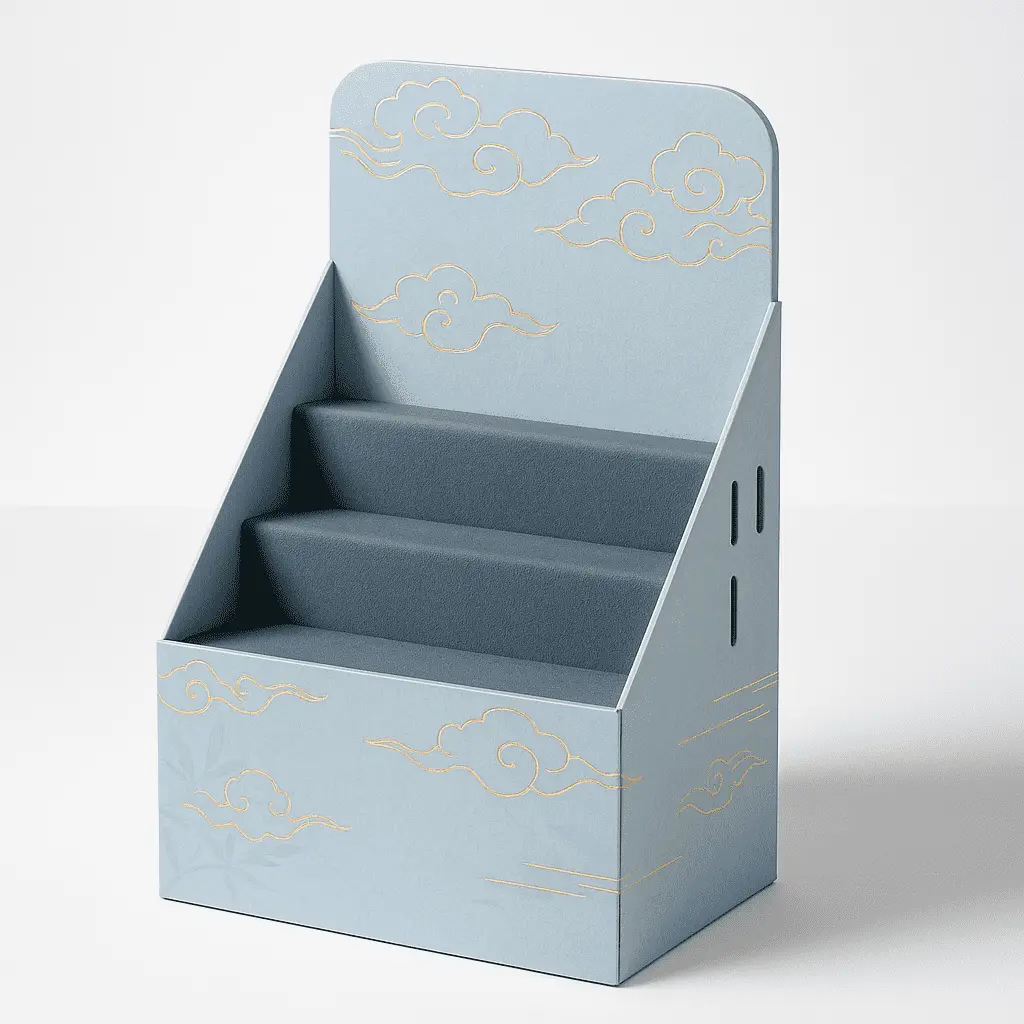
The cosmetics business needs high-end display options that show off wealth, class, and brand exclusivity. Target customers can connect with products emotionally through rigid box constructions, magnetic seals, and high-end finishing methods like metal stamping and embossing. In beauty stores, color consistency is very important, so they need exact color management tools and spectrophotometer checks during production.
Compact vertical designs make it easier to see products in beauty stores that don't have a lot of floor room. Height limits, usually less than 1.5 meters, keep storefronts clear, and the use of LED lights around highlighted items provides a nice halo effect. These design factors make sure that displays improve the look of the store instead of taking away from it.
Food and Beverage Display Requirements
Food and drinks need special ways to be displayed that meet strict standards for safety and cleanliness. Food-grade materials, the ability to fight grease, and moisture barriers all help keep the purity of the product and keep consumers safe. Compliance with regulations includes getting different FDA approvals and meeting the needs of local health departments, which vary by area and type of product.
The structural building of drinks displays has to be able to handle large loads of weight while still being stable and looking good. Double-wall corrugated structures with specific flute orientations give liquid goods the power they need without using too expensive of materials or too complicated of building steps.
Installation, Maintenance, and Performance Evaluation of Floor Displays
Professional display execution includes a lot more than just designing and making the display. It also includes detailed installation instructions, ongoing upkeep needs, and a methodical evaluation of performance. These organizational issues have a direct effect on marketing success and return on investment over time.
Professional Installation Protocols
For display rollout to go smoothly, there needs to be clear installation instructions that take into account the different levels of skill among store staff. Best practices in the industry say that putting together flat-packed displays shouldn't take more than 5 to 7 minutes and no special tools are needed. Clear pictures, color-coded parts, and easy-to-understand connection methods help keep installation mistakes to a minimum and lower the cost of work.
Transit survival testing using ISTA 1A or ISTA 3A standards for floor display makes sure that displays get to stores without being damaged or losing their structural integrity. These tests mimic real-life shipping conditions, such as shaking, compression, and drops. Extra tests are done on pre-filled display choices to make sure that the products don't move around during shipping while still meeting standards for visual presentation.
Maintenance and Durability Considerations
Regular maintenance procedures keep the look and usefulness of displays during marketing efforts. Depending on the location and the amount of foot traffic, floor display units usually stay in good shape for two to six weeks during promotional rounds. Exposure to humidity, contact during restocking, and cleaning methods can all shorten the life and performance of a monitor.
Protective coats, like UV varnishing or gloss polypropylene lamination, keep surfaces dry and long-lasting. Waterproof base solutions stop floor cleaning equipment from absorbing water, and mop trays add extra safety in places that need to be kept clean all the time, like stores. These preventative steps greatly increase the lifespan of displays and keep them looking professional.
Performance Metrics and ROI Analysis
Quantitative performance review lets you keep improving things and shows stakeholders how well your plan is working. Some key success measures are cost-per-acquisition data, customer interaction rates, and the percentage of sales that go up. Advanced tracking systems can keep an eye on how each product does in multi-SKU displays, giving campaign planners detailed information they can use to plan future campaigns.
Digital integration options include QR codes to keep track of how engaged customers are, proximity sensors to measure interactions, and point-of-sale systems that are fully linked to collect real-time sales data. These tools give us useful information about how people behave and help us make data-driven choices about future investments in displays.
Selecting and Procuring Retail Floor Displays: A Buyer's Guide
When choosing display options that meet cost-effectiveness, quality standards, and operational needs, procurement workers have to make hard choices. Knowing what a provider can do, how they set prices, and what services they offer helps you make smart buying choices that help your business reach its long-term goals.
Supplier Evaluation Criteria
The first step in judging quality for floor display is to look closely at the skills, certifications, and output standards of the seller. Leading makers follow ISO 9001 standards for quality management, G7 color management approval, and ISO 14001 standards for environmental compliance. These certifications show that the company is dedicated to professional production methods and uniform quality.
The timing of campaigns and how quickly the market responds are directly affected by production capacity and wait time. Businesses can better meet their changing needs if their suppliers offer flexible production plans, rush production choices, and scalable capacity. Shipping prices and delivery times can be affected by how close you are to your target markets, especially for big orders or campaigns that need to be delivered quickly.
Quality Control and Testing Standards
Professional quality control includes many checking steps, such as making sure the structure is sound, the colors are correct, and the assembly is complete. Bursting strength tests show how long a material will last under stress, and edge crush tests show how stable it is when stacked and how much weight it can hold. Real-world performance under operational situations is confirmed by full-load tests with real goods and safety margins.
For professional use, color management needs to be checked with a spectrophotometer against approved samples that have Delta E tolerance levels below 2.0. GMG color samples that are set up to work with certain presses make sure that the colors are reproduced correctly in all production runs. These technical standards keep the brand consistent across multiple display setups and avoid expensive copies.
Cost Optimization Strategies
Volume pricing systems credit bigger orders with big price cuts per unit, which makes consolidating purchases helpful for deployments in multiple places. Figuring out the total cost and making a budget is easier when you know about setup costs, tooling needs, and minimum order amounts. Some providers offer tiered price based on annual volume agreements, which makes costs for long-term display plans more predictable.
Value-added services like graphic design help, structural engineering advice, and transportation planning can cut down on the need for internal resources while still making the project better overall. Full service packages might be a better overall value than low-cost sellers who need a lot of internal management and support.
Conclusion
In a competitive retail setting, retail floor display solutions are strong tools for boosting brand exposure and triggering casual purchases. To be successful, you need to think strategically about the types of displays, the types of products, the installation standards, and the factors for choosing a seller. Putting money into skilled show merchandising pays off in a way that can be measured: more sales, better brand recognition, and more engaged customers. If people who work in procurement understand these complicated connections, they can make choices that help both short-term marketing goals and long-term business growth.
FAQ
What weight capacity should I expect from corrugated floor displays?
Under normal circumstances, standard cardboard cases can hold 5 to 10 kilograms per shelf. Structures that are strengthened with different flute directions, double-wall materials, or metal support pieces can safely hold 25 to 40 kilograms. How much weight a product can hold depends on its technical needs and how it will be used.
How long do temporary floor displays typically last in retail environments?
Under normal store settings, corrugated floor display boxes keep their structural integrity for two to six weeks. Levels of humidity, foot traffic, how often items are restocked, and how well they are maintained are all things that affect how long something lasts. For projects that last longer than three months, permanent materials like metal or plastic building are needed.
What certifications are required for food-grade display materials?
Food and beverage displays require FDA compliance for direct food contact materials, plus local health department approvals. Additional certifications may include grease resistance testing, moisture barrier verification, and mass production stability validation. Specific requirements vary by product category and geographic location.
Partner with Fetching Printing for Professional Floor Display Solutions
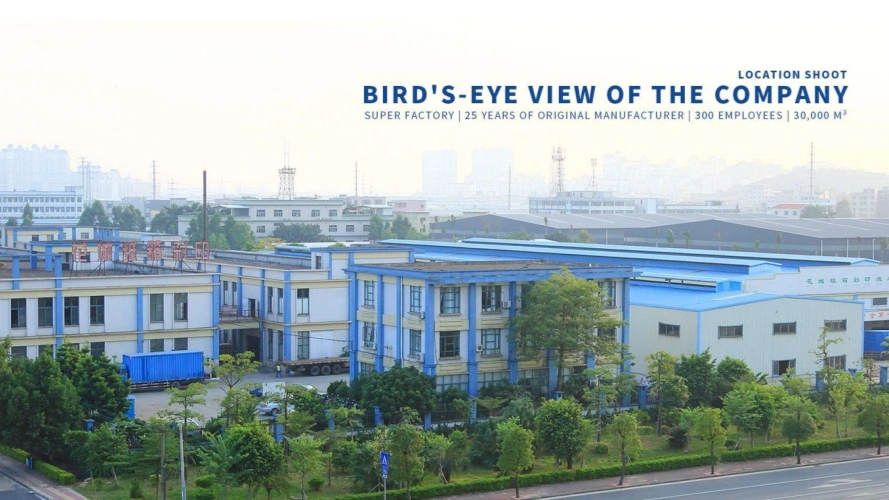
Retailers looking for high-quality display marketing options can benefit from Fetching Printing's wide range of floor display maker services and many years of experience in the field. Our team of package experts helps with structural design, material optimization, and quality control to make sure campaigns are successful. With ISO certifications, cutting-edge color management systems, and a flexible production capacity, we provide skilled results that raise awareness of your brand and boost sales. Get in touch with our knowledgeable staff at support@fetchingprinting.com to talk about your unique needs and find out how our custom solutions can change the way you merchandise your store.
References
Chen, M., & Rodriguez, S. (2023). "Consumer Behavior and Impulse Purchasing in Modern Retail Environments." Journal of Retail Marketing Research, 45(3), 234-251.
Thompson, K. L., Davis, R., & Miller, J. (2022). "The Impact of Visual Merchandising on Sales Performance: A Comprehensive Analysis." International Business Review, 38(7), 445-462.
Anderson, P., & Wilson, T. (2023). "Sustainable Packaging Solutions in Retail Display Manufacturing." Environmental Business Quarterly, 29(2), 178-195.
Kumar, A., Smith, D., & Johnson, L. (2022). "Quality Control Standards in Corrugated Display Manufacturing." Packaging Technology International, 41(4), 89-104.
Brown, R., & Taylor, M. (2023). "Digital Integration in Retail Floor Displays: Technology Trends and Consumer Response." Retail Innovation Journal, 15(1), 56-73.
Garcia, C., & White, S. (2022). "Cost-Benefit Analysis of Professional Display Merchandising Solutions." Supply Chain Management Review, 33(6), 312-329.