Monthly Subscription Boxes: Packaging That Scales with Growth
The huge popularity of monthly subscription boxes has changed how companies send carefully chosen events right to customers' doors. The subscription box business strategy has changed how businesses interact with customers and make money on a regular basis. But in this fast-paced market, success depends on one important thing: packaging options that can grow with your business. Companies have to deal with changing customer standards, changing order numbers, and different product sizes while keeping costs low and brand stability. When you have 10,000 monthly shipments, the packaging that works for a company with 100 customers will definitely break. This is why scalability is not only helpful, but also necessary for long-term growth.

Understanding the Subscription Box Industry and Packaging Challenges
The market for subscription boxes has grown a lot. In 2022, it was worth $22.7 billion, and it's expected to grow another 65% by 2027. This fast change is because people want more personalized experiences and find it easier to find products that have already been chosen for them. When you ship something every month, you have to package it in a way that standard retail models have never had to.
Managing Fluctuating Order Volumes
Growth trends for subscription businesses are hard to predict, which can make packing operations harder. In January, a beauty box company might send out 5,000 boxes. During the holidays, that number could jump to 15,000 boxes. These changes in volume make it hard to buy things when normal buying ways don't work. Companies need package partners that can handle quick increases in demand without affecting delivery times or the safety of the products they pack. Being able to easily scale up production stops bottlenecks that could hurt relationships with customers and the brand's image.
Product Variety and Dimensional Challenges
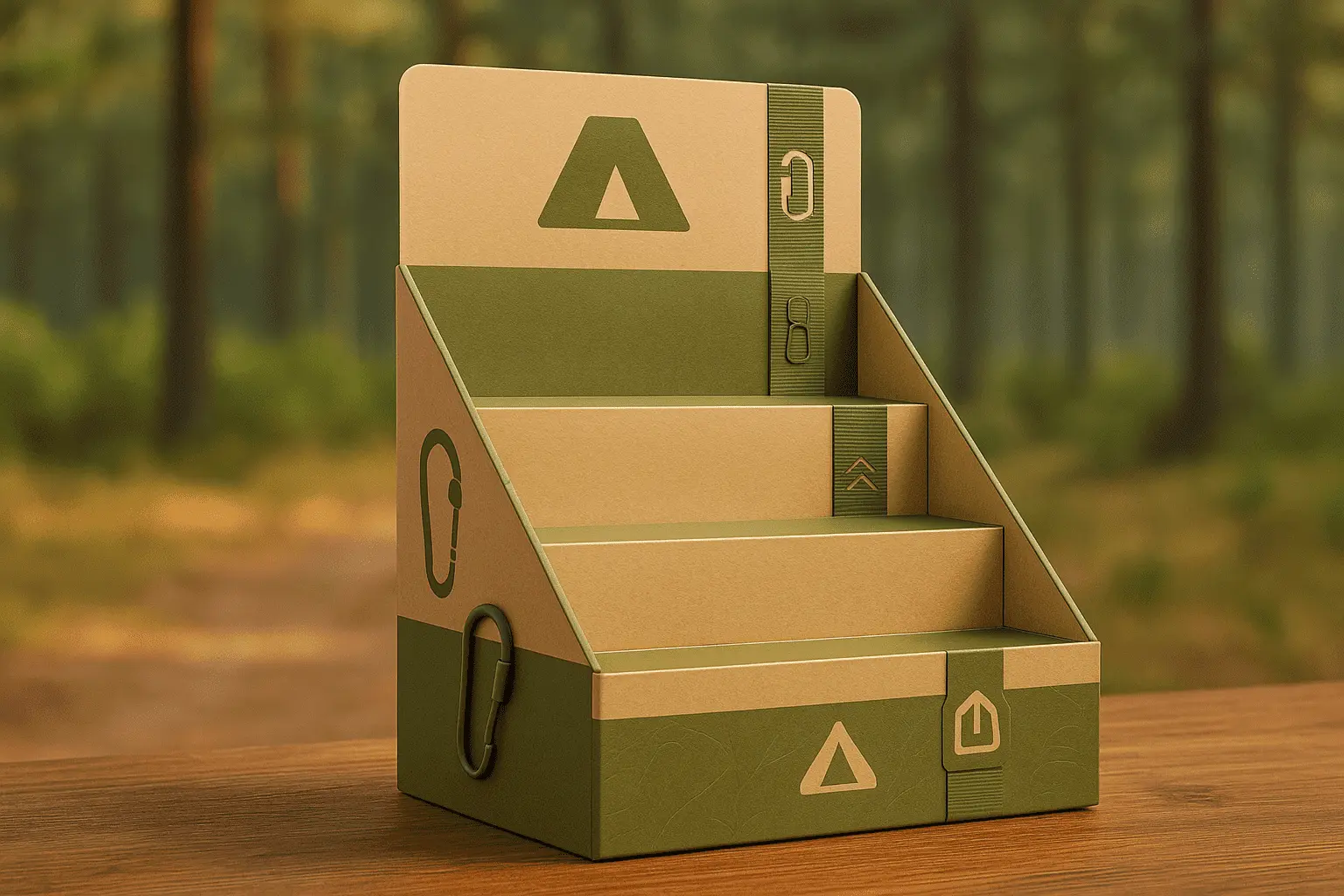
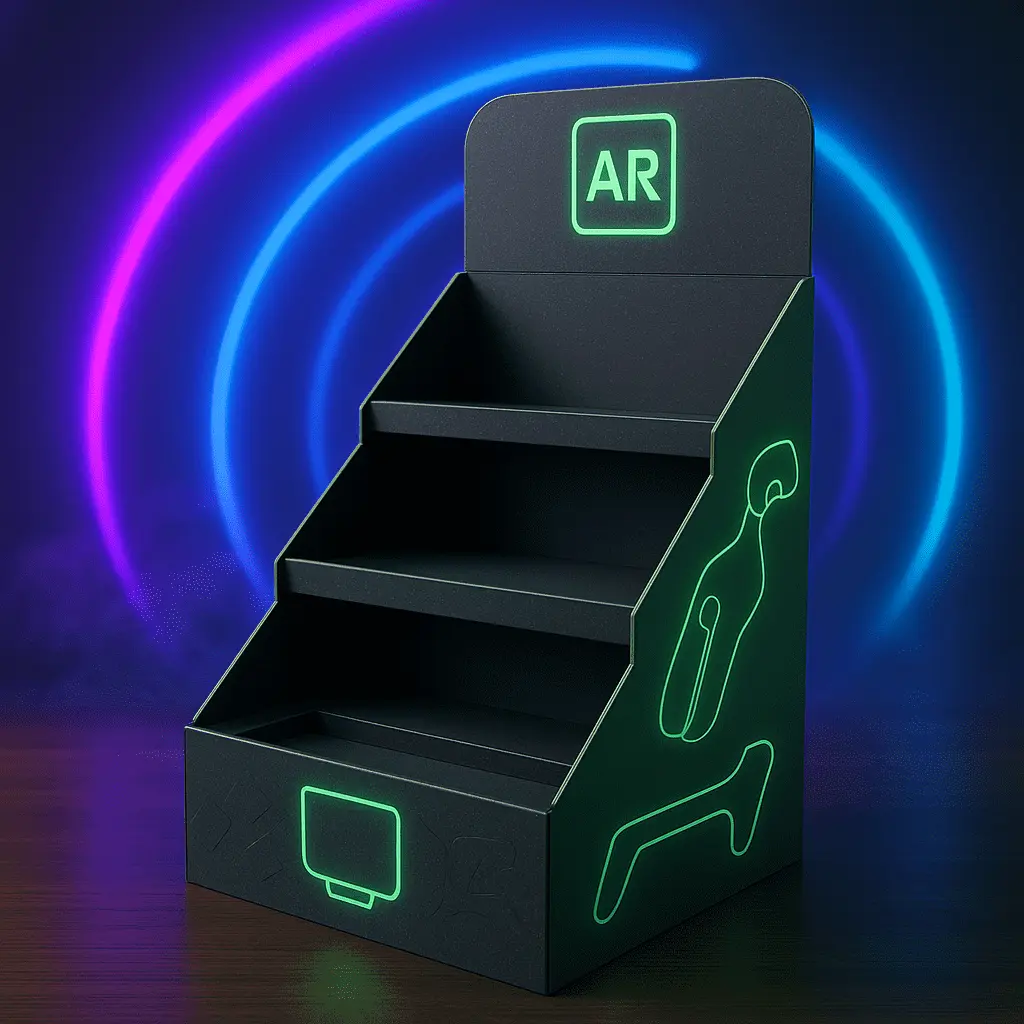
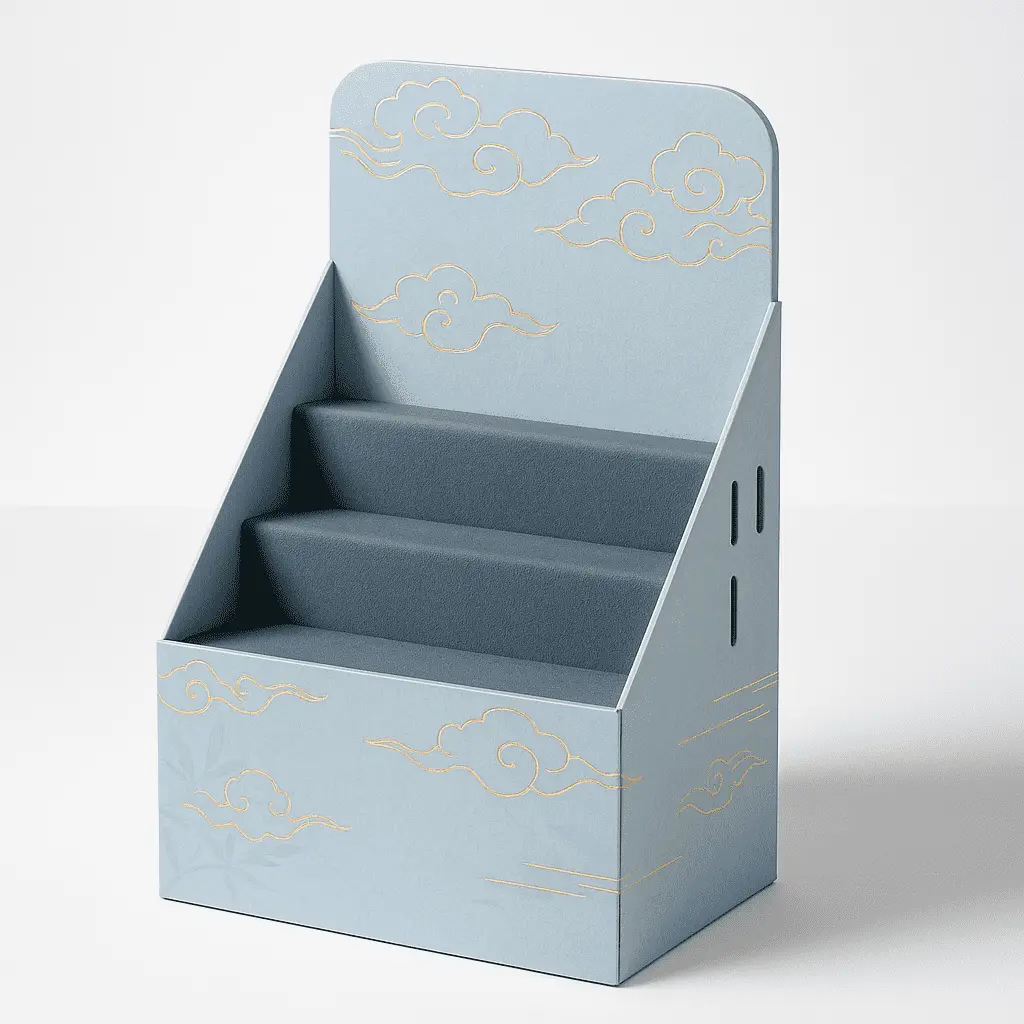
In contrast to shipping of a single item, subscription boxes include a variety of items with different sizes, weights, and levels of fragility. There could be skin care items, jewelry, and gourmet treats in a lifestyle box. Each of these things needs a different amount of safety. Because of this, flexible package designs are needed that can change to fit different materials while still keeping the structure strong. Smart packing uses modular inserts and customizable sections to hold a wide range of products without having to be completely redesigned for each shipment.
Cost Control and Sustainability Pressures
A big part of the costs of running a subscription box is the packaging. Usually, 15 to 25 percent of all delivery costs go to packaging. As customer demands for environmentally friendly practices grow, businesses must find a balance between the need to protect consumers and the need to cut costs. 73% of customers are willing to pay more for eco-friendly packaging, showing that care for the environment has become an economic advantage. This trend puts pressure on companies to use materials that can be recycled and reduce trash without putting the safety of goods in travel at risk.
Core Principles for Scalable Subscription Box Packaging
Effective flexible packing is based on basic ideas that allow for growth while keeping operations running smoothly. Businesses can make smart decisions that avoid future problems and improve customer experiences by understanding these basic ideas.
Durability and Protection Standards
Before they get to customers, subscription boxes go through a lot of different handling points in a very complicated shipping network. Impacts, compression, and environmental forces must be able to go through packaging without damaging the goods. Newer perforated materials with stronger corners offer better safety while still being affordable for mass production. When sending fragile items like electronics or makeup, anti-crush technology is very important because damaged products have a direct effect on customer happiness and return rates.
Flexibility and Modularity Design
Modular package systems can be changed to fit new product lines without having to be completely redesigned. Different types of subscriptions can fit in the same base package thanks to removable dividers, adjustable inserts, and customizable compartments. This makes it easier to keep track of supplies and makes regular changes possible without having to make big changes to what you buy. Companies can keep the same wrapping and brand recognition while adding limited-edition items or changing what's inside the box based on what subscribers want.
Brand Engagement Through Customization
Packaging is a strong marketing tool that helps people remember your brand and makes opening an experience to remember. Functional packaging can become brand champions with custom printing, labeled inserts, and unique messages. But tailoring has to find a mix between how it looks and how it can be used in mass production. Digital printing technologies allow customization to be done at a low cost, even for smaller batch runs. This means that brands can keep personalization without losing business efficiency.
Strategic relationships with packaging makers with a lot of experience give you access to design knowledge and production skills that help your business grow. By working together, brands can use experts' knowledge in areas like choosing materials, building structures, and following rules, while they focus on their main business tasks.
Innovative Packaging Solutions Driving Efficiency and Growth
To deal with the unique challenges of subscription box delivery, modern packing solutions use cutting edge technologies and methods. These new ideas help businesses grow while also making them more efficient and less harmful to the world.
Automation and Digital Integration
Automated packing systems cut down on work costs by a large amount and make high-volume processes more consistent. Based on digital order details, smart packing machines can change the size of the boxes, put in the right dividers, and put on custom labels. This technology cuts down on mistakes made by people and boosts output, so companies can handle growth spurts without having to pay their workers more. Integrating with inventory management systems makes sure that products are put in the right place and cuts down on mistakes in delivery that make customers news.
Sustainable Material Innovations
Being environmentally responsible used to be a nice-to-have trait, but now it's a business must. New materials like mushroom-based packing foam, biodegradable bubble wrap alternatives, and cardboard boards made from recycled content offer environmentally friendly choices that don't sacrifice safety. Using water-based inks and soy-based glues is even better for the environment because they keep the beauty of the picture and the structure intact. Companies that have complete sustainable programs often see better brand image and customer loyalty, especially among groups that care about the environment.
Smart Packaging Technologies
New technologies like NFC tags, QR codes, and temperature signs are turning packing into tools for communicating that can be used interactively. With these features, brands can add more information about a product, offer special content, or confirm that a product is real right on the package. Temperature-sensitive signs are especially useful for subscription boxes that contain fragile items like food or cosmetics. They show that the goods were handled properly all along the supply chain.
Putting these new ideas together needs careful planning and working with package makers who are on the cutting edge of technology and who know both what's possible now and what will be popular in the future. When businesses adopt these new technologies, they set themselves up for long-term growth and meet changing customer needs.
Selecting the Right Packaging Partner for Your Subscription Box Business
Picking the right package provider is a big strategic choice that affects every part of running a subscription box business. The right relationship gives you more than just packaging materials; it also helps you with all of your scaling problems and growth possibilities.
Quality and Consistency Evaluation
Reliable package partners keep quality standards the same even when order numbers and deadlines change. Protocols for testing materials, quality control methods, and statistical quality measures should all be part of the evaluation factors. Partners who have ISO recognition show that they are dedicated to using standard quality management systems. Regular quality checks and batch tests make sure that the performance of the packaging stays the same even when the number of orders changes. Recording quality measures gives us useful information for making packaging standards better and finding ways to make things better.
Scalability and Production Capacity
Packaging providers need to show that they can adapt to changing growth patterns without lowering the quality of their services. This means looking at things like output potential, the abilities of tools, and the flexibility of the staff. Suppliers with more than one production facility lower the risks in the supply chain by providing regional alternatives. Knowing the minimum order quantity and wait time needs helps make sure that the availability of packaging matches the growth of the business. Clear information about capacity limits keeps shocks at bay during busy times or times of rapid growth.
Innovation and Development Support
Partners in progressive packaging put money into research and development that helps their clients. Having access to packaging engineers, material scientists, and design experts lets you keep improving the performance of your packaging and lowering its costs. These relationships help people learn about new trends, changes in the law, and new technologies. Customized solutions that give businesses a competitive edge and meet their unique practical needs can come from collaborative development programs.
Future Trends in Subscription Box Packaging and Market Adaptation
Technology progress, shifting customer tastes, and changes in the law are all causing the subscription box packing environment to change quickly. Knowing about these trends lets you make plans and change things before they get out of hand.
Personalization and Mass Customization
Large-scale personalization is now possible with the help of advanced digital printing and industrial technologies. Variable data printing lets each subscriber see different text, images, or product details. Personalization engines that are run by AI can make the best use of subscriber tastes, buy history, and demographic data to improve the content of packages. Because of the move toward mass customization, package partners need to have advanced digital skills and adaptable production systems.
Circular Economy Integration
Innovative reuse and returnable packing systems are being made because of a growing focus on circular economy ideas. Some subscription services try out containers that can be used more than once, and customers return them to be cleaned and used again. Designing things so they can be recycled is becoming more important as cities and towns make recycling easier and put in place rules for extended producer responsibility. Packaging makers need to keep up with changing rules and give advice on how to meet the needs of different markets.
Supply Chain Resilience
Recent events around the world have shown how important it is to make supply chains more resilient and diverse. In the future, packaging tactics will focus on local sources, working with various suppliers, and managing inventory to avoid running out. Technology solutions like blockchain tracking and prediction analytics make it easier to see how the supply chain is working and what problems might happen. To create strong packaging supply chains, you need to think strategically about more than just lowering costs. You also need to think about reducing risks and planning for business stability.
Conclusion
Monthly subscription boxes are a lively and quickly growing market area that needs high-tech packing options that can grow with the business. To be successful, you need to know how to deal with the unique problems that come up when numbers, product varieties, and cost pressures change while keeping your brand consistent and your customers happy. Strategic relationships with packaging companies with a lot of experience give you access to new ideas, technical know-how, and production tools that help your business grow in a way that lasts. The future of subscription box packaging lies in accepting technological advancements, sustainability efforts, and trends toward personalization while also building strong supply lines that can adapt to shifting market conditions.
FAQ
How can subscription box companies reduce packaging costs while scaling operations?
Among the ways to cut costs are finding the best box sizes to get the best shipping deals, using modular package designs that can fit a variety of product shapes, and making deals with suppliers that base prices on volume. By using the same packaging parts for all of your products, you can simplify your inventory and save money by buying in bulk. Regular checks of packaging find ways to use materials more efficiently and cut down on waste.
What sustainability options are available for subscription box packaging?
Some environmentally friendly choices are high-recycled cardboard materials, biodegradable protection materials, water-based printing inks, and simple designs that use less material. Models for the circular economy include return programs and packages that can be used more than once. Shipping choices that don't release carbon and strategies for buying locally also help the earth.
How should businesses evaluate potential packaging suppliers for subscription services?
Production capacity and scalability, quality control systems, sustainability credentials, the ability to come up with new ideas, and regional reach are some of the things that are used to judge a business. Check to see if the seller is financially stable, how responsive they are to contact, and how they work with you to solve problems. Check the company's skills by asking for samples, building tours, and recommendations from clients who have bought similar subscription boxes.
Partner with Fetching Printing for Scalable Subscription Box Solutions
Businesses that sell subscription boxes need packing partners that know how to help them grow while keeping quality and costs low. Fetching Printing has been providing full package solutions to e-commerce and subscription box companies for more than twenty years. Our 50,000-yen building and team of more than 300 workers give you the space and skills you need to keep growing. We offer unique packaging solutions that change with the needs of your business thanks to our high-tech equipment, quality systems that are recognized by organizations like ISO9001-2015, and dedicated packaging engineers. Email our support team at support@fetchingprinting.com to talk about how our scalable packing solutions can help your subscription box business and help you reach your long-term growth goals.
References
Smith, Jennifer A. "Subscription Commerce Market Analysis and Growth Projections 2023-2027." Journal of E-commerce Research, vol. 45, no. 3, 2023, pp. 112-128.
Rodriguez, Michael B. "Sustainable Packaging Innovations in Subscription Box Fulfillment." Packaging Technology Quarterly, vol. 28, no. 2, 2023, pp. 67-84.
Chen, Lisa M. "Automation Technologies in High-Volume Packaging Operations." Industrial Engineering and Management Review, vol. 39, no. 4, 2023, pp. 203-219.
Thompson, David R. "Consumer Expectations and Unboxing Experience Design." Marketing Communications Journal, vol. 52, no. 1, 2023, pp. 89-105.
Williams, Sarah K. "Supply Chain Resilience in Packaging Procurement." Operations Management Today, vol. 31, no. 3, 2023, pp. 145-162.
Anderson, Robert J. "Cost Optimization Strategies for Scalable Packaging Solutions." Business Efficiency Review, vol. 19, no. 2, 2023, pp. 78-95.