Storytelling Through Subscription Box Packaging Design
Ordinary unboxing experiences are transformed into potent brand tales that deeply engage customers through subscription box packaging design. These days, subscription box packaging does more than just protect the items inside; it also lets brands show what they stand for and who they are. When carefully put together, these packages make emotional ties with customers that keep them coming back and help people remember the brand. Companies can stand out in a market that is getting more and more competitive by strategically combining visual elements, tactile experiences, and messages in their package design. This helps them build relationships with their customers.

Understanding Subscription Box Packaging and Its Storytelling Power
Because of the subscription economy, brands connect with customers in very different ways. Packaging is now an important part of the customer path. In addition to basic functions like shipping and protecting items, subscription box packaging is also a complex marketing tool that communicates brand personality and creates memorable experiences.
The Psychology Behind Unboxing Experiences
According to research, customers have strong emotional reactions when they open boxes. Dopamine is released in customers' brains when they receive a carefully made package. This makes them feel good about the brand. Because of this neural reaction, companies spend a lot of money on making packaging that looks good on Instagram and encourages people to share and talk about their products.
Customers are often ready to pay more for items that come in unusual packaging, because it makes the items seem more valuable as they wait to open them. A brand can learn a lot about a customer's loyalty and how often they buy from them in the first few seconds after they open a gift.
Building Brand Recognition Through Consistent Design Elements
Storytelling packaging works best when it has consistent visual features that help customers remember the company at all of its touchpoints. Color schemes, fonts, and images all work together to tell a story that customers can understand right away. Dollar Shave Club and Birchbox are experts at this method because they use unique design features that make their packages easy to spot.
Strategic message that shares the company's beliefs and goal is also part of brand storytelling through packaging. These messages help buyers understand what the brand stands for besides its goods, whether they're about pledges to sustainability, artisanal workmanship, or new technologies.
Designing Subscription Box Packaging to Tell Your Brand Story
Careful thought goes into making sure that many design elements work together to make packaging that tells your brand's story. The best designs strike a mix between how something looks and how it works, all while keeping the cost of mass production low.
Step-by-Step Design Process for Narrative Packaging
The first step in the design process is to figure out what your brand's main story is and how you want customers to feel. This first step sets the tone for all the other design choices and makes sure that the visual and tactile parts work together.
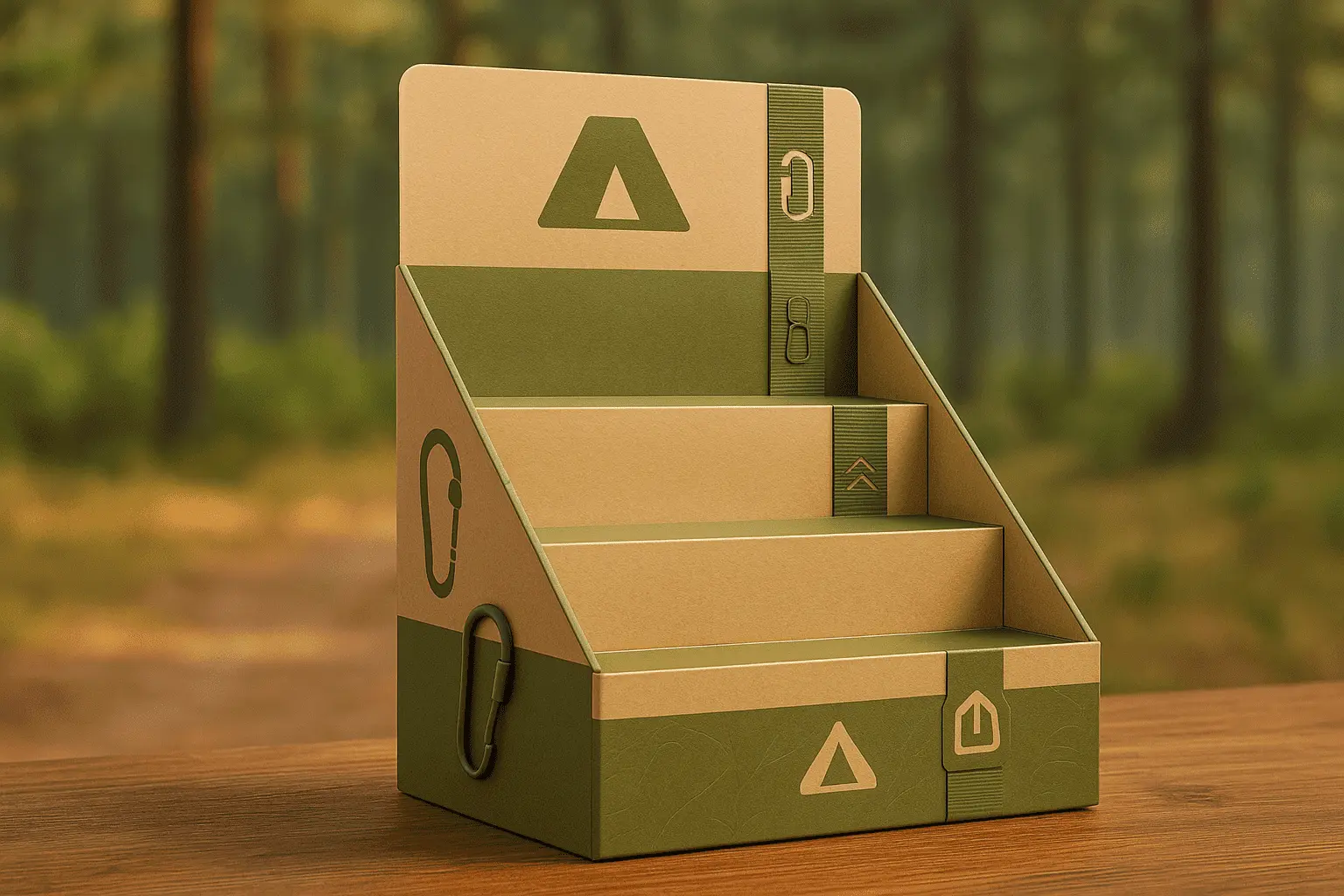
It's important what you use when you tell a good story. Brands that charge a lot for their goods often use tough boxes with cool finishes like metal pressing or stamping to show that their goods are special and strong. Firms that care about the environment can pick recycled materials with natural looks that fit with their eco-friendly message. People often choose materials to protect their electronics that look clean and up-to-date. You can think of new technology and reliability when you look at these things. The same is true for subscription box packaging, which is often made to show off the personality of the brand. This makes opening the box an event that makes the item seem more valuable overall.
When brands use custom printing methods, they can add complex patterns, photos, and messages that support their story. New printing technologies let you print with changeable data, which lets you personalize your products and make each customer feel like they are important.
Visual and Tactile Elements That Enhance Story Communication
Color psychology has a big effect on how people think about brands when they see their packages. Warm colors, like orange and red, make you feel energized and excited. Cool colors, like blue and green, make you think of trust and long-lasting things. Successful brands carefully choose color choices that match the personality of the brand and the tastes of its target audience.
The fonts, sizes, and layouts used in typography show what kind of brand it is. Modern sans-serif fonts make you think of new ideas and speed, while script fonts make you think of style and a personal touch. Customers are led through the intended story order by the placement and hierarchy of text parts.
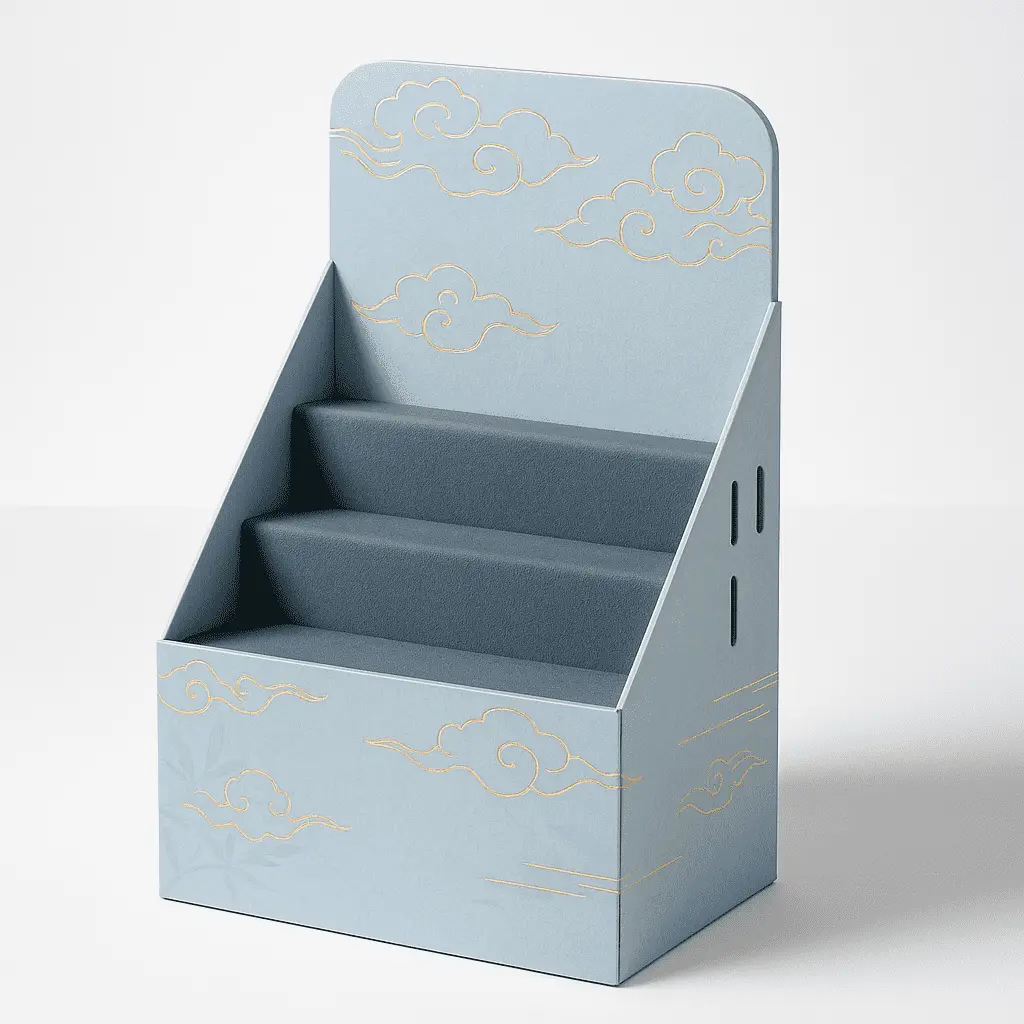
Texture and finishing methods add depth to stories and get people to interact with them through touch. Soft-touch coats make things feel expensive, and uneven surfaces can make things feel natural or hand-made. These physical experiences make memories that last and make brand ties stronger.
Customization Options for Diverse Product Lines
Modern production techniques allow for a wide range of customization choices that meet a wide range of product needs. Modular insert systems keep items safe while making organized, aesthetically pleasing displays that make unpacking more enjoyable. Custom-cut cardboard sections, foam inserts, and molded pulp can be used to make boxes that show off goods best and keep them safe during transport.
Brands can save money on shipping costs by using different package sizes, but the design looks the same across all product types. This gives businesses the freedom to grow their subscription services while keeping the plot parts that make their brand unique.
Sustainable & Eco-Friendly Subscription Box Packaging as a Storytelling Tool
Being aware of the environment has become an important part of modern brand writing, which makes choosing sustainable subscription box packaging an important part of building the story. Companies are becoming more aware that the way they package their products shows what they stand for and attracts customers who care about the environment.
Regulatory Compliance and Consumer Awareness Trends
As environmental laws get stricter across the US, companies have to think more carefully about how their product will affect people over its entire life. Extended producer responsibility laws have been passed in some states, like California. These laws hold brands responsible for the trash that comes from packaging, which leads to new ideas in sustainable design.
Consumer study shows that 73% of people around the world are willing to pay more for goods that come in sustainable packaging. This is a big market chance for brands that can use package design to show they care about the environment.
Material Selection for Sustainable Storytelling
Shaped wood and plant-based plastics that are safe for the earth and break down over time can be used to tell fun stories. You can make your own shapes and textures with these things for subscription box packaging. This makes a unique sound when you open the box, which shows that you care about the world.
Materials that can be recycled and have a lot of post-consumer value show how the circle economy works. Brands can use messages about recycling and lowering the impact on the environment right in the design of their packages. This teaches customers and supports their green stories.
Reusable packing creates ongoing brand touchpoints that give you more chances to tell a story after the delivery. Customers are more likely to reuse items that are well-designed, which creates permanent memories of good brand experiences.
Lifecycle Impact Minimization Strategies
Getting the right package size and weight can cut down on shipping pollution while keeping the protective qualities. Engineers can use advanced design tools to make structures that are efficient and use as little material as possible without affecting the safety of the product.
Local sourcing methods help area businesses grow and lessen the damage that transportation does to the earth. Brands can draw attention to these options by putting messages on their products that talk about how they care about the community and the environment.
Comparing Subscription Box Packaging Solutions: Making Informed Procurement Decisions
When choosing package solutions that combine brand storytelling goals with practical needs, procurement professionals have to look at a number of factors. When you know the pros and cons of each choice, you can make smart choices that help with both marketing and logistics.
Supplier Evaluation Criteria and Quality Assurance
If people choose the right service company, they will get better service more often and value the company more. If you buy from a well-known business that does full quality control, you can be more sure that the results will be the same. It's generally like this for subscription box packaging. Get ISO9001-2015 and G7 color management badges to show that you follow good rules that make your brand look good.
Suppliers can grow with their customers as long as they don't hurt quality or delivery times by increasing production capacity and scalability. Companies that want to grow quickly should give priority to providers who have the facilities to handle higher volume needs.
More complex ways of telling stories are possible with the help of technology like advanced printing tools, finishing choices, and design support services. Suppliers with their own design teams can give you good advice on how to make the best package for both story effect and production efficiency.
Cost-Benefit Analysis for Bulk Purchasing
When you buy in bulk, you usually save a lot of money, but you have to be careful with your cash flow and storing. When it comes to seasonal or limited-edition package designs, procurement teams have to weigh the cost savings per unit against the costs of keeping stockpiles and the risk of items going out of style.
Minimum order amounts make it harder to make changes to designs and add new products to the line. Suppliers with smaller minimums may offer less favorable price systems, but they can make design changes more often. When companies make these choices, they need to look at how they plan to evolve their brands.
During busy times or when a new product is released, lead times become very important. Building ties with providers who keep enough raw materials and production capacity on hand helps make sure that deliveries are always on time.
Logistics and Supply Chain Integration
Shipping prices and warehouse productivity are directly affected by the size of the package. Optimized designs that make the best use of shipping containers can cut down on hauling costs by a large amount and help reach sustainability goals by making operations more efficient.
Integration with current delivery systems needs to take into account how the packaging needs to be put together, how well it works with automation, and how quality control is done. Complex packaging designs that need to be put together may raise delivery costs and mistake rates, which could cancel out any design benefits.
Future Trends and Innovations in Subscription Box Packaging Design
The packaging industry is still changing quickly, with new technologies opening up new ways to tell stories and get customers involved. Companies can make smarter choices about investments in subscription box packaging and partnerships with suppliers when they understand these trends.
Smart Packaging Technologies and Digital Integration
Packages can be used as entry points to digital experiences thanks to near-field communication (NFC) and QR code interaction. By scanning the codes that are written right on the package, customers can get to special content, information about the product, or personalized notes. This technology connects the real and virtual experiences of a brand while collecting useful information about how engaged customers are.
Temperature-sensitive inks and other interactive parts make packing experiences that change based on the surroundings or how the user interacts with it. These new ideas get people's attention and show that the brand is innovative and up-to-date with technology.
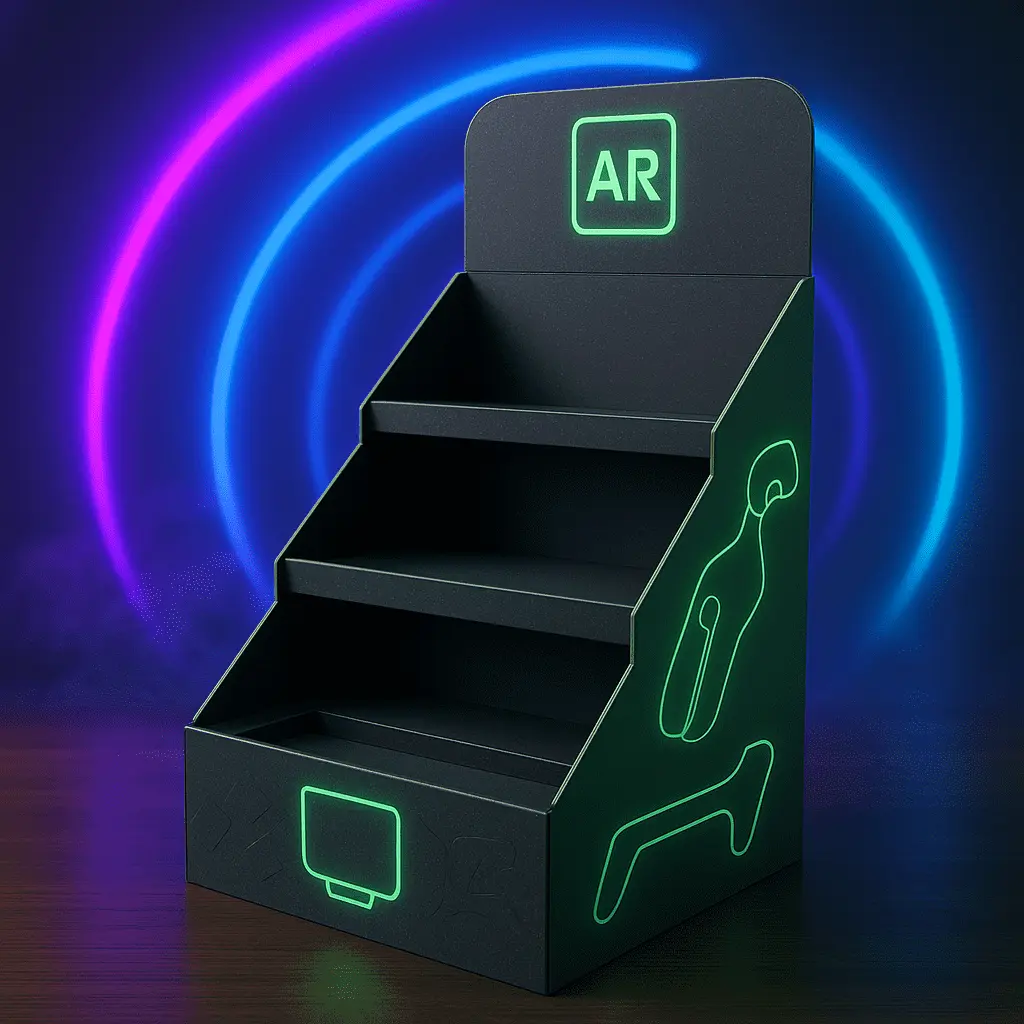
With augmented reality apps, boxes can be turned into dynamic storyboards. Customers can use the cameras on their smartphones to access virtual experiences that share company history, explain product features, or show how to use a product in fun and interesting ways.
Data-Driven Personalization Opportunities
Modern printing technologies make it possible to personalize items in a way that makes each customer feel like they are important. Variable data printing lets businesses change text, images, or design elements based on what customers like, what they've bought in the past, or personal data.
Predictive analytics help companies guess what their customers will want and then create better packages based on that. Companies can keep improving their package storytelling by looking at unboxing comments, social media interaction, and buying habits.
Sustainability Innovation and Circular Economy Principles
New materials, such as packages made from mycelium and videos made from seaweed, open up new ways to tell stories that are good for the environment while still being as useful as old materials. These new ideas show leadership in protecting the earth while also giving customers new and interesting experiences.
The next step forward in sustainable packing is closed-loop methods, in which customers return used packages so that they can be used again. When these systems are used by brands, they can tell strong stories about caring for the environment and build better relationships with customers through ongoing communication.
Conclusion
Sharing stories through subscription box packaging design is a great way for brands to connect with customers in a meaningful way and stand out in competitive markets. Companies can successfully share their values while providing exceptional unboxing experiences by combining visual elements, eco-friendly materials, and new technologies. As people's needs for more personalized and eco-friendly products continue to change, companies that master the art of package storytelling will have a big edge over their competitors. Putting thought into the design of the package pays off in the long run by keeping customers longer, making the brand more recognizable, and increasing the number of people who keep their subscriptions.
FAQ
What are the key factors to consider when selecting a subscription box packaging supplier?
When choosing a supplier, you need to look at a lot of things, such as their production ability, quality standards, technical skills, and design support services. Look for manufacturers that have ISO quality management systems, the right production facilities to support your growth plans, and a wide range of finishing choices that let your brand tell its story effectively. Being close to each other geographically can lower shipping costs and wait times, and a financially stable supplier will make sure that the relationship always works well.
How can we ensure our packaging design aligns with our brand identity while remaining cost-effective?
To connect your brand effectively, you must first clearly define your brand story and the standards of your target customers. Work with suppliers who can help you with design and suggest materials and printing methods that will meet your needs without breaking the bank. To save money and keep the brand's look consistent, you might want to make some design features the same across all of your products. Modular design methods let you make changes to standard frames, which strikes a balance between individuality and cost-effectiveness.
What are the real costs and durability considerations for eco-friendly packaging materials?
Sustainable packing materials usually cost more than standard ones, but the difference in price keeps getting smaller as more of them are made and technology gets better. Look at the total cost of ownership, which should include any possible marketing benefits, changes in customer trust, and benefits for following the rules. Many eco-friendly materials are now just as durable as traditional ones. This is especially true for monthly boxes, where high levels of safety aren't needed as often as they are in stores.
How do minimum order quantities affect packaging design flexibility and inventory management?
Lower minimum order amounts give designers more freedom and lower the cost of keeping supplies, but they usually mean higher prices per unit. When figuring out the best amount to buy, look at how your brand has changed over time and how it changes with the seasons. To get the most freedom and the best prices, you might want to build relationships with suppliers who offer graduated pricing systems or can handle mixed orders across multiple product lines to optimize both flexibility and cost efficiency.
Start Your Custom Subscription Box Packaging Journey with Fetching Printing
With Fetching Printing's full range of subscription box packaging options, you can turn your brand story into engaging packaging experiences. Our team of skilled packaging engineers and designers makes custom letter boxes, branded shipping containers, and safe packaging systems that get people's attention and make businesses run more smoothly. We are a trusted subscription box packaging maker with more than 25 years of experience in the field. We help with everything from coming up with ideas to production and delivery. Contact our experts at support@fetchingprinting.com to talk about your specific needs and find out how our eco-friendly materials, advanced printing choices, and many ways to customize can help you meet your buying goals while also enhancing your brand's story.
References
Smith, Jennifer L. "The Psychology of Packaging: How Design Influences Consumer Behavior." Journal of Marketing Research, vol. 58, no. 3, 2023, pp. 145-162.
Anderson, Michael K. "Sustainable Packaging Solutions in the Digital Commerce Era." International Packaging Technology Review, vol. 42, no. 7, 2024, pp. 78-91.
Chen, Lisa Wong. "Consumer Preferences and Unboxing Experiences: A Comprehensive Market Analysis." Business Strategy Quarterly, vol. 29, no. 2, 2023, pp. 203-218.
Thompson, Robert J. "Circular Economy Principles in Modern Packaging Design." Environmental Business Management, vol. 16, no. 4, 2024, pp. 334-347.
Rodriguez, Carmen M. "Digital Integration and Smart Packaging Technologies: Industry Trends and Applications." Technology Innovation Review, vol. 31, no. 1, 2024, pp. 89-104.
Williams, David P. "Supply Chain Optimization for Subscription-Based Business Models." Logistics Management Perspectives, vol. 38, no. 6, 2023, pp. 267-283.