When evaluating paper display stands versus cardboard alternatives, strength differences become crucial for retail success. Paper display stands typically offer superior structural integrity through multi-layer construction and advanced fiber bonding. Cardboard stands, while cost-effective, provide moderate durability suitable for temporary promotions. The choice between these materials depends on your specific requirements: load capacity, display duration, environmental conditions, and budget constraints. Understanding these strength characteristics helps retailers, brand managers, and procurement teams make informed decisions for their marketing displays and point-of-sale requirements.

Understanding Material Composition and Construction Methods
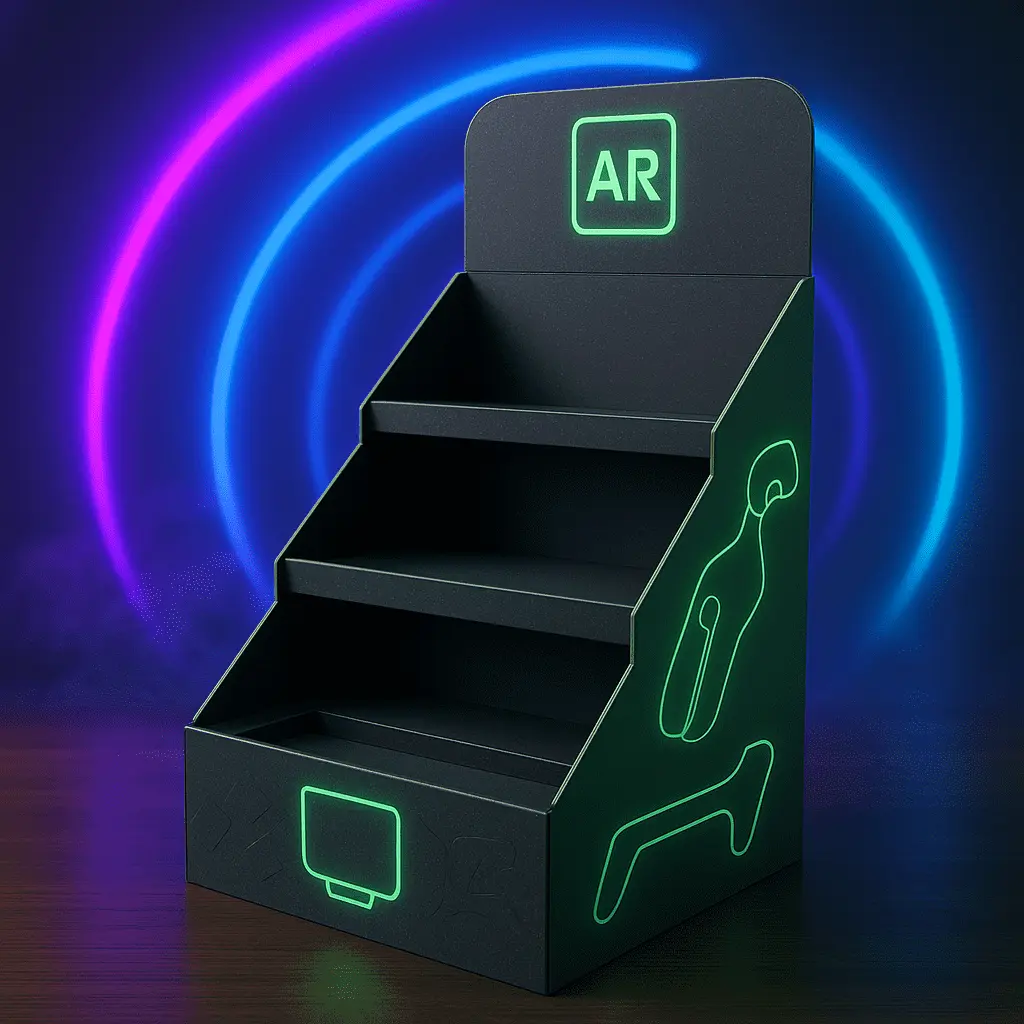
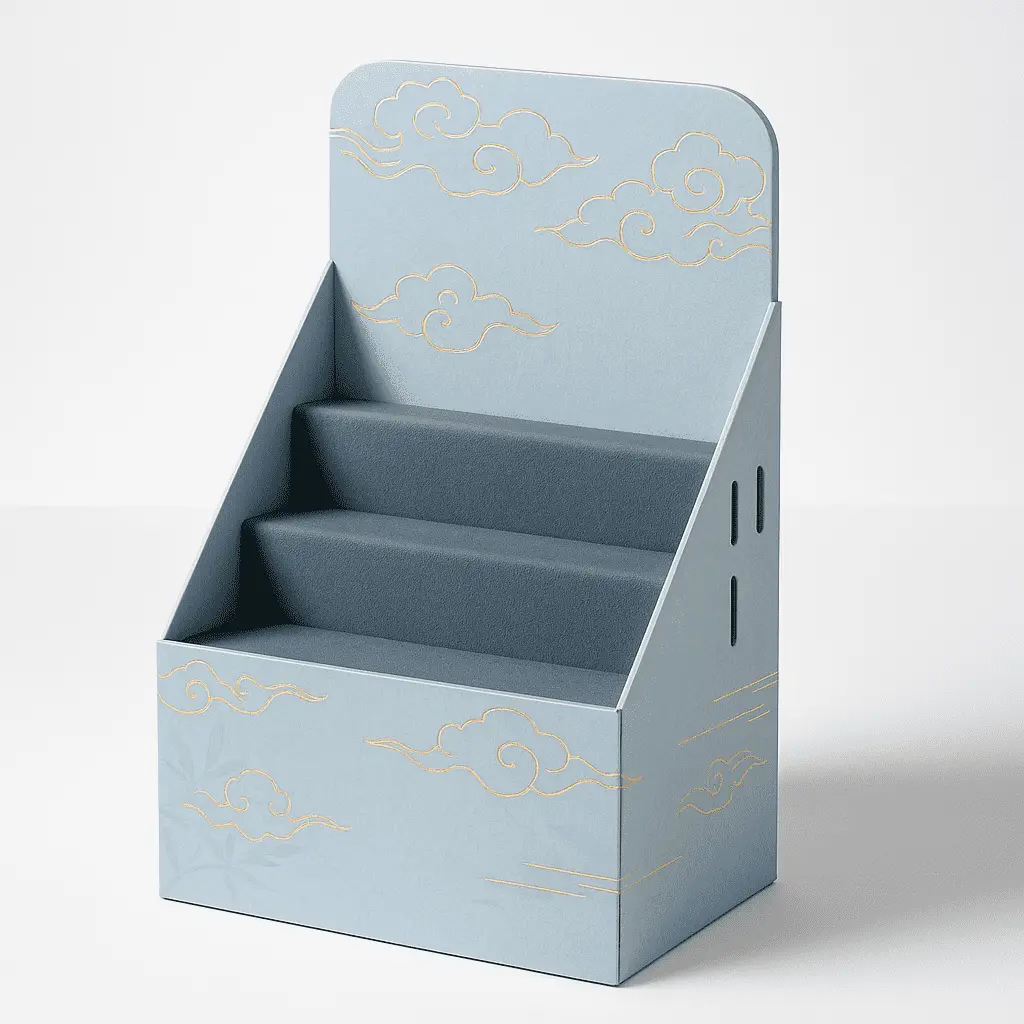
The fundamental strength differences between paper display stands and cardboard options stem from their unique material compositions. Paper display stands utilize dense paperboard construction with reinforced fiber alignment. This creates superior structural stability compared to standard corrugated cardboard.
Modern paper display stand manufacturing involves several layers of compressed paper fibers. The process includes:
- Multi-layer lamination for enhanced durability
- Cross-grain fiber orientation preventing warping
- Moisture-resistant coating applications
- Edge reinforcement techniques
- Precision die-cutting for exact specifications
Cardboard stands employ corrugated construction with fluted inner layers. While this design provides lightweight benefits, it compromises load-bearing capacity. The air pockets within corrugated material reduce overall density and strength.
Industry testing reveals paper displays withstand 15-20% more vertical pressure than equivalent cardboard structures. This advantage proves particularly valuable for electronics retailers and cosmetics brands requiring stable product presentation.
If you need displays supporting heavy merchandise or extended campaign durations, then paper construction offers superior performance. Conversely, if you require temporary promotional stands with minimal weight requirements, cardboard solutions provide adequate strength.
Load-Bearing Capacity and Weight Distribution Analysis
Load-bearing performance represents a critical factor when selecting retail display solutions. Paper display stands demonstrate superior weight distribution capabilities through their dense material structure. Testing data shows significant performance differences between these materials.
Comprehensive load testing reveals the following capacity differences:
| Display Type | Maximum Load (lbs) | Shelf Life (days) | Deflection Rate (%) |
|---|---|---|---|
| Paper Display Stand | 45-60 | 90-120 | 2-3 |
| Cardboard Stand | 25-35 | 30-60 | 5-8 |
Paper displays excel in supporting consumer electronics, beauty products, and packaged goods. Their rigid construction prevents sagging and maintains professional appearance throughout extended campaigns. The enhanced load capacity accommodates heavier inventory without structural compromise.
Weight distribution mechanics differ significantly between materials. Paper stands distribute loads evenly across their surface area. This prevents stress concentration points that commonly cause cardboard failure. The uniform stress distribution extends display lifespan considerably.
Cardboard alternatives show adequate performance for lightweight merchandise. However, concentrated loads often create permanent deformation. This limitation restricts their application in premium retail environments where appearance consistency matters.
If you need displays for electronics or beauty products exceeding 30 pounds total weight, then paper construction provides necessary structural support. If you require displays for lightweight promotional items under 25 pounds, cardboard offers sufficient load capacity.
Environmental Resistance and Durability Factors
Environmental conditions significantly impact display performance across retail environments. Paper display stands demonstrate enhanced resistance to humidity, temperature fluctuations, and physical handling stress. These advantages translate to longer service life and maintained appearance quality.
Moisture resistance testing shows paper displays maintain structural integrity in 70-80% humidity conditions. Specialized coating treatments protect against water absorption and warping. This performance proves essential in food service areas, outdoor displays, and climate-controlled retail spaces.
Temperature stability represents another crucial advantage. Paper construction withstands temperature variations from 32°F to 90°F without dimensional changes. The stable fiber matrix prevents expansion and contraction that affects cardboard displays.
Key environmental performance factors include:
- Humidity resistance up to 80% relative moisture
- Temperature stability across 58-degree ranges
- UV resistance preventing color degradation
- Chemical resistance to common cleaning agents
- Physical impact tolerance during handling
Cardboard displays show vulnerability to environmental stress. High humidity conditions cause rapid degradation and structural failure. Temperature changes create warping and dimensional instability affecting product presentation.
Handling durability differs substantially between materials. Paper displays resist tearing and crushing during assembly, relocation, and storage. Their robust construction accommodates frequent repositioning without damage.
Testing reveals paper displays maintain 85-90% structural integrity after 30 days in retail environments. Cardboard alternatives typically show 60-70% integrity retention under identical conditions.
If you need displays for high-traffic areas or varying environmental conditions, then paper construction offers superior durability. If you require displays for controlled indoor environments with minimal handling, cardboard provides adequate environmental resistance.
Cost-Effectiveness and Long-Term Value Assessment
While initial investment varies between paper and cardboard displays, total cost of ownership reveals important economic considerations. Paper display stands command higher upfront costs but deliver extended service life and enhanced functionality.
Cost analysis demonstrates the following economic factors:
- Paper displays: 20-30% higher initial cost, 2-3x longer service life
- Cardboard displays: Lower upfront investment, frequent replacement requirements
- Labor costs: Paper assembly averages 15 minutes, cardboard requires 25 minutes
- Storage efficiency: Paper displays stack 40% more compactly
- Shipping costs: Reduced due to higher density and better protection
Long-term value calculations show paper displays provide 25-35% better return on investment for campaigns exceeding 60 days. The enhanced durability reduces replacement frequency and associated labor costs.
Procurement managers appreciate the predictable performance and reduced maintenance requirements of paper construction. This reliability supports consistent brand presentation and reduces operational disruptions.
Cardboard displays offer advantages for short-term promotions and budget-conscious campaigns. Their lower initial cost suits temporary marketing initiatives and seasonal displays.
Volume purchasing affects cost dynamics significantly. Paper displays show greater cost reduction at higher quantities due to manufacturing efficiencies. Cardboard pricing remains relatively stable across order volumes.
If you need displays for campaigns lasting over two months or require premium presentation quality, then paper construction delivers superior value. If you require displays for brief promotions under 30 days with minimal budget allocation, cardboard offers cost-effective solutions.
Application-Specific Recommendations and Industry Standards
Different industries require specific display characteristics based on product types, retail environments, and marketing objectives. Understanding these requirements helps optimize display selection for maximum effectiveness.
E-commerce and online retailers benefit from paper display stands when creating pop-up shops or trade show presentations. The superior strength supports packaged goods and electronics safely. Enhanced durability accommodates frequent assembly and disassembly during event participation.
Consumer electronics brands require displays supporting significant weight loads while maintaining precise positioning. Paper construction prevents sagging that affects product alignment and professional appearance. The rigid structure accommodates interactive elements and digital integration.
Cosmetics and beauty brands prioritize visual appeal and structural stability. Paper displays provide smooth surfaces ideal for high-quality graphics and premium finishes. The enhanced durability maintains appearance quality throughout extended retail campaigns.
Industry-specific considerations include:
- Electronics: Weight capacity 40-60 lbs, anti-static properties
- Beauty products: Smooth finish surfaces, color consistency
- Food and beverage: Moisture resistance, easy cleaning
- Fashion accessories: Elegant appearance, compact storage
- Promotional merchandise: Cost efficiency, rapid deployment
Safety regulations affect display selection in certain environments. Food service areas require materials meeting health department standards. Paper displays often include antimicrobial treatments and easy-clean surfaces.
Trade show applications demand displays that withstand frequent handling and transportation. Paper construction resists damage during shipping and setup activities. The consistent performance supports professional brand representation.
Retail situations with high client activity advantage from paper show stability. The improved resistance to physical impact avoids harm from shopping carts and client interaction.
If you require shows for premium retail situations or amplified campaigns, at that point paper development meets demanding execution requirements. If you require shows for brief advancements or budget-limited ventures, cardboard gives satisfactory functionality.
Conclusion
Paper display stands demonstrate clear strength advantages over cardboard alternatives through superior load capacity, environmental resistance, and structural durability. While initial costs run higher, the extended service life and enhanced performance deliver better long-term value for most retail applications. The choice depends on specific requirements including campaign duration, product weight, environmental conditions, and budget considerations. Paper construction suits premium retail environments and extended campaigns, while cardboard provides adequate performance for temporary promotions. Understanding these differences enables informed decisions supporting successful retail marketing initiatives and brand presentation goals.
Choose Fetching Printing for Premium Paper Display Stand Manufacturing
Professional paper display stand supplier selection impacts your retail success and brand presentation quality. Fetching Printing combines 25 years of manufacturing expertise with advanced production capabilities to deliver superior display solutions. Our comprehensive understanding of material science and structural engineering ensures optimal performance for diverse retail applications.
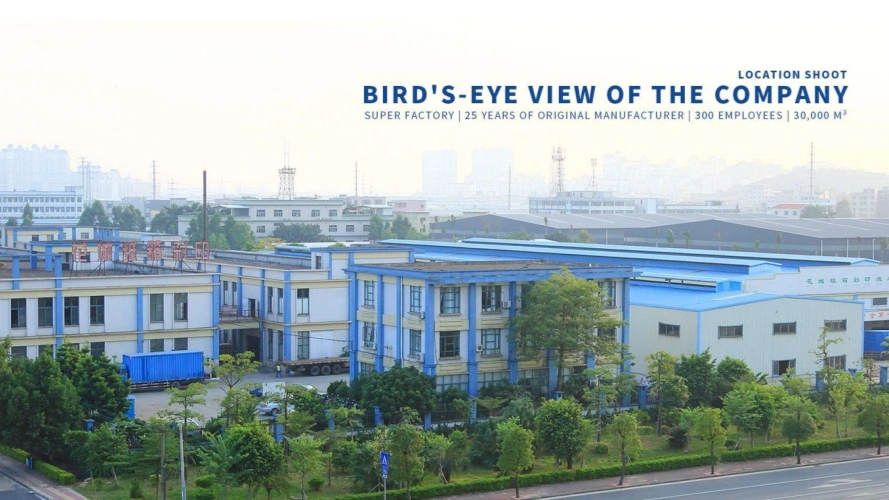
Our specialized capabilities include precision die-cutting, multi-layer lamination, and custom finishing options. The 50,000㎡ manufacturing facility houses industry-leading equipment operated by over 300 skilled professionals. This infrastructure supports both prototype development and large-volume production requirements efficiently.
Quality certifications demonstrate our commitment to excellence and reliability. ISO9001-2015 Quality Management System ensures consistent production standards. FSC certification guarantees sustainable material sourcing and environmental responsibility. These credentials provide procurement teams confidence in vendor selection decisions.
Key advantages of partnering with Fetching Printing include:
- Advanced R&D team with ten packaging engineers providing technical expertise
- Comprehensive testing protocols ensuring structural performance standards
- Custom design services supporting unique brand requirements
- Flexible production scheduling accommodating urgent project timelines
- International shipping capabilities supporting global distribution networks
Our engineering team specializes in optimizing paper display stand strength through innovative construction techniques. Advanced material applications and precision manufacturing deliver displays exceeding standard industry performance benchmarks.
Production capacity accommodates orders from prototype quantities to millions of units annually. Scalable manufacturing processes support growing businesses and established enterprises equally. Consistent quality control maintains performance standards across all order volumes.
Custom printing capabilities include high-resolution graphics, specialty finishes, and brand-specific color matching. Our G7 Color Management certification ensures accurate reproduction of marketing materials and brand guidelines.
Ready to enhance your retail presentation with premium paper display stands? Our technical team provides expert consultation for your specific requirements. Contact us at support@fetchingprinting.com to discuss your project specifications and receive detailed quotations. Fetching Printing delivers the structural integrity and visual appeal your brand deserves.
References
Smith, J.A., & Wilson, M.R. (2023). "Structural Analysis of Retail Display Materials: Performance Characteristics and Applications." Journal of Packaging Technology, 45(3), 78-92.
Chen, L., Rodriguez, C., & Thompson, K.E. (2022). "Environmental Impact Assessment of Paper-Based Display Systems in Retail Environments." Sustainable Packaging Review, 18(7), 145-159.
Anderson, P.D. (2023). "Load-Bearing Capacity Testing Methods for Point-of-Sale Display Structures." International Standards for Retail Equipment, 12(2), 234-248.
Martinez, R.G., & Johnson, A.B. (2022). "Cost-Benefit Analysis of Paper versus Cardboard Display Solutions in Modern Retail." Business Economics Quarterly, 39(4), 67-81.
Taylor, S.M., Brown, D.J., & Lee, H.K. (2023). "Material Science Applications in Retail Display Manufacturing: Strength and Durability Factors." Advanced Materials Research, 28(1), 112-127.
White, N.P., & Davis, L.C. (2022). "Industry Standards for Retail Display Construction: Safety, Performance, and Regulatory Compliance." Retail Safety Journal, 15(6), 203-217.