PDQ Display vs Shelf-Ready Packaging: Key Differences Explained
When navigating retail packaging solutions, procurement professionals often encounter the decision between PDQ display units and shelf-ready packaging (SRP). These merchandising systems serve distinct purposes within the retail ecosystem. PDQ displays function as dual-purpose containers that transform from shipping boxes into instant retail fixtures, emphasizing rapid deployment and visual impact. Shelf-ready packaging prioritizes efficient restocking and inventory management while maintaining product protection throughout the supply chain. Understanding these fundamental differences enables businesses to select packaging solutions that align with their operational objectives and merchandising strategies.
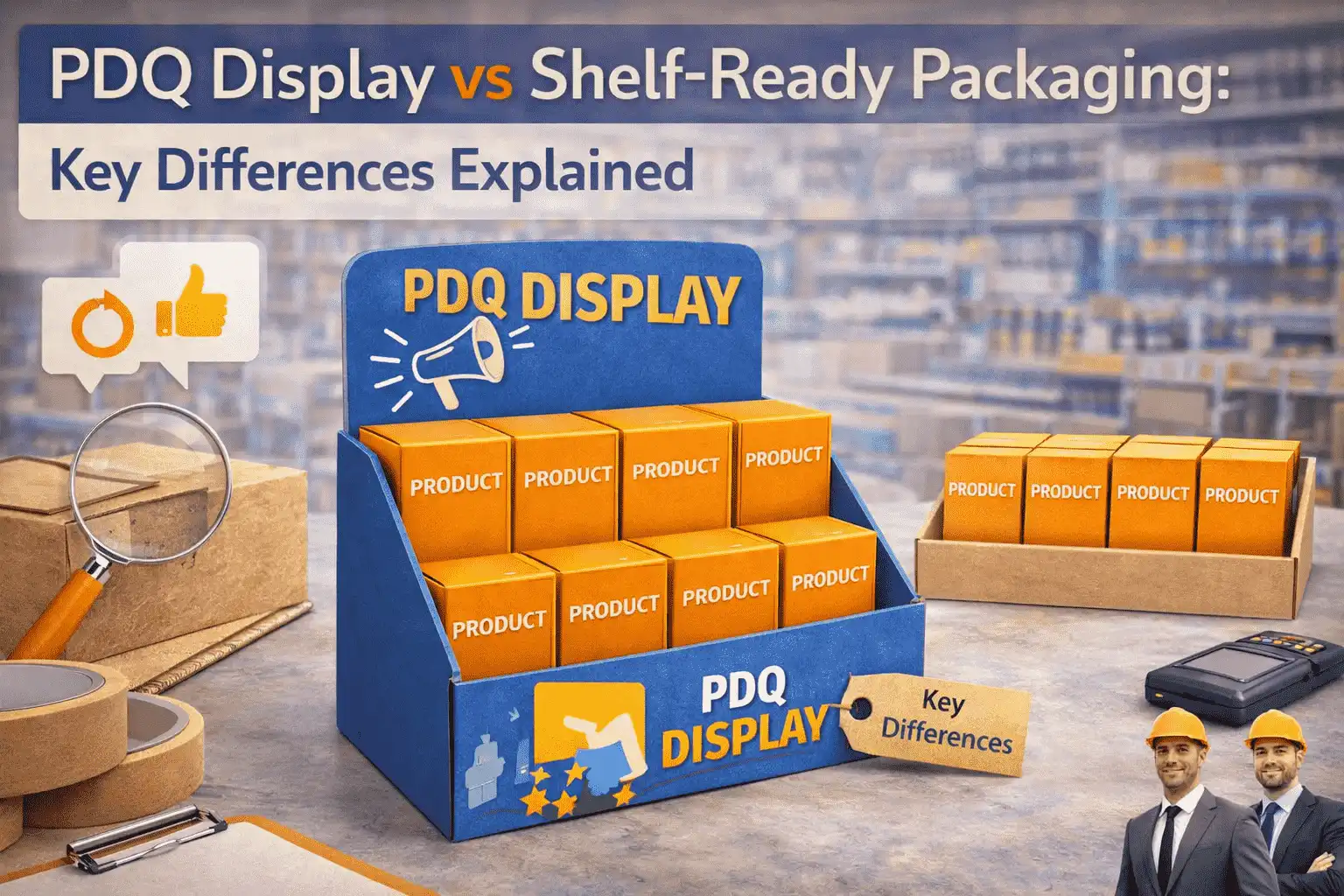
Understanding PDQ Displays and Shelf-Ready Packaging (General Overview)
Defining PDQ Display Systems
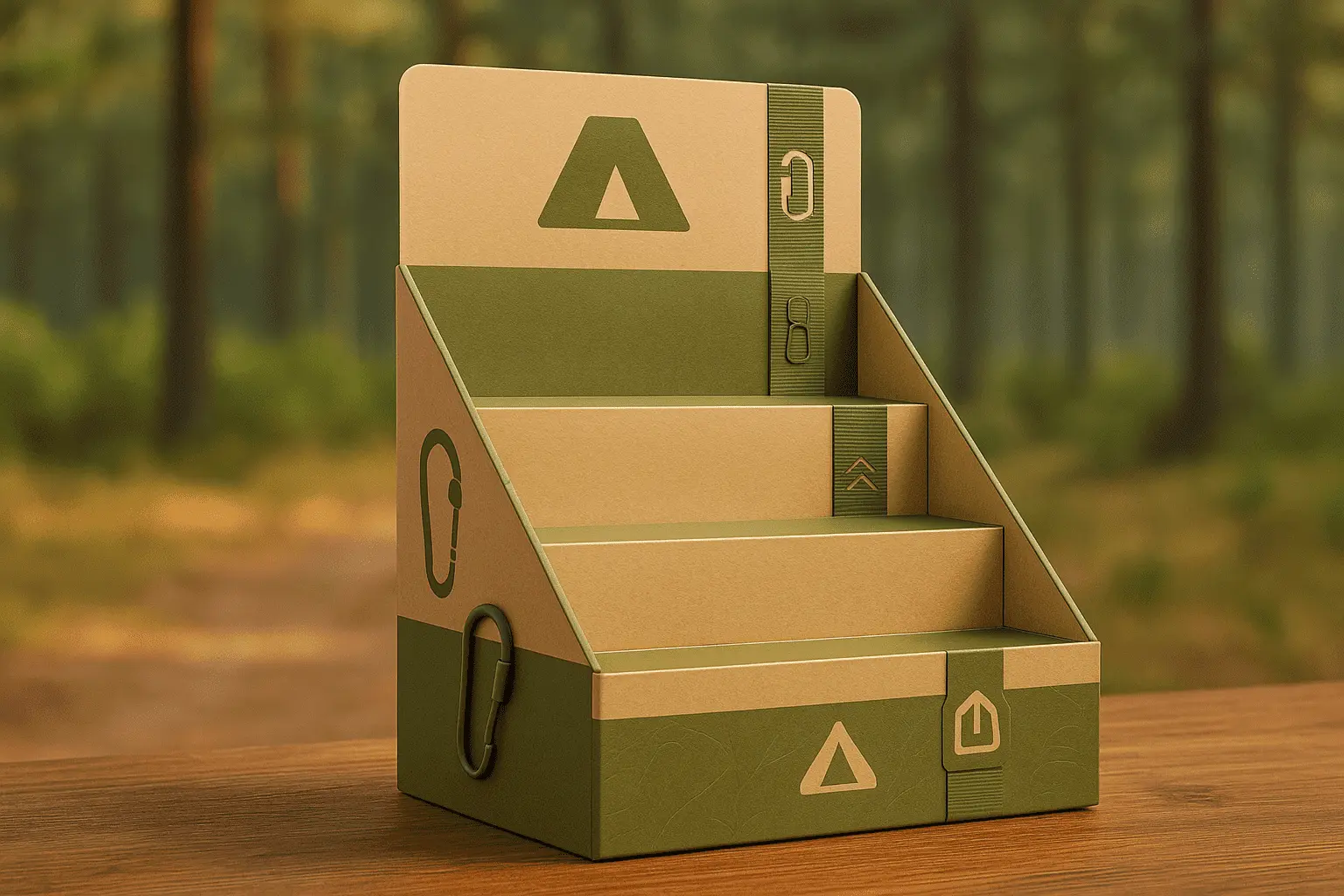
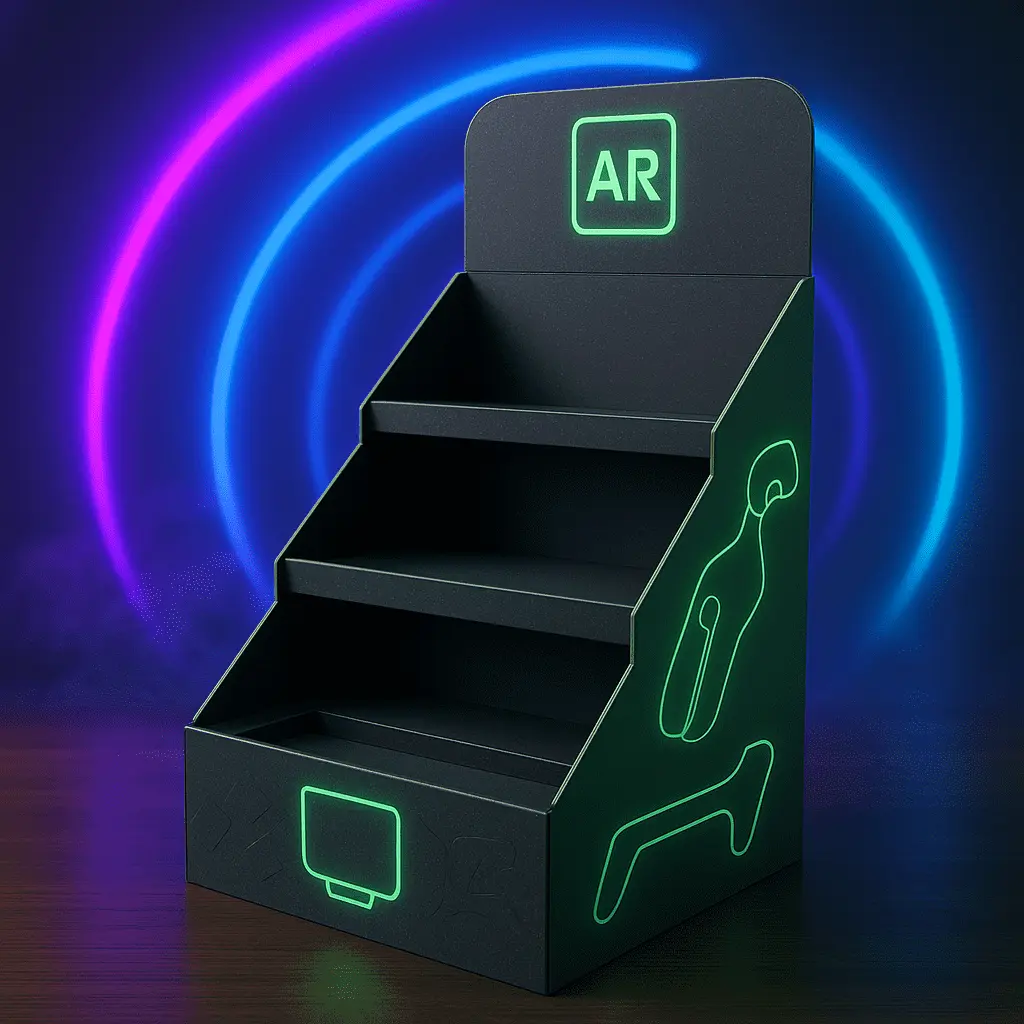
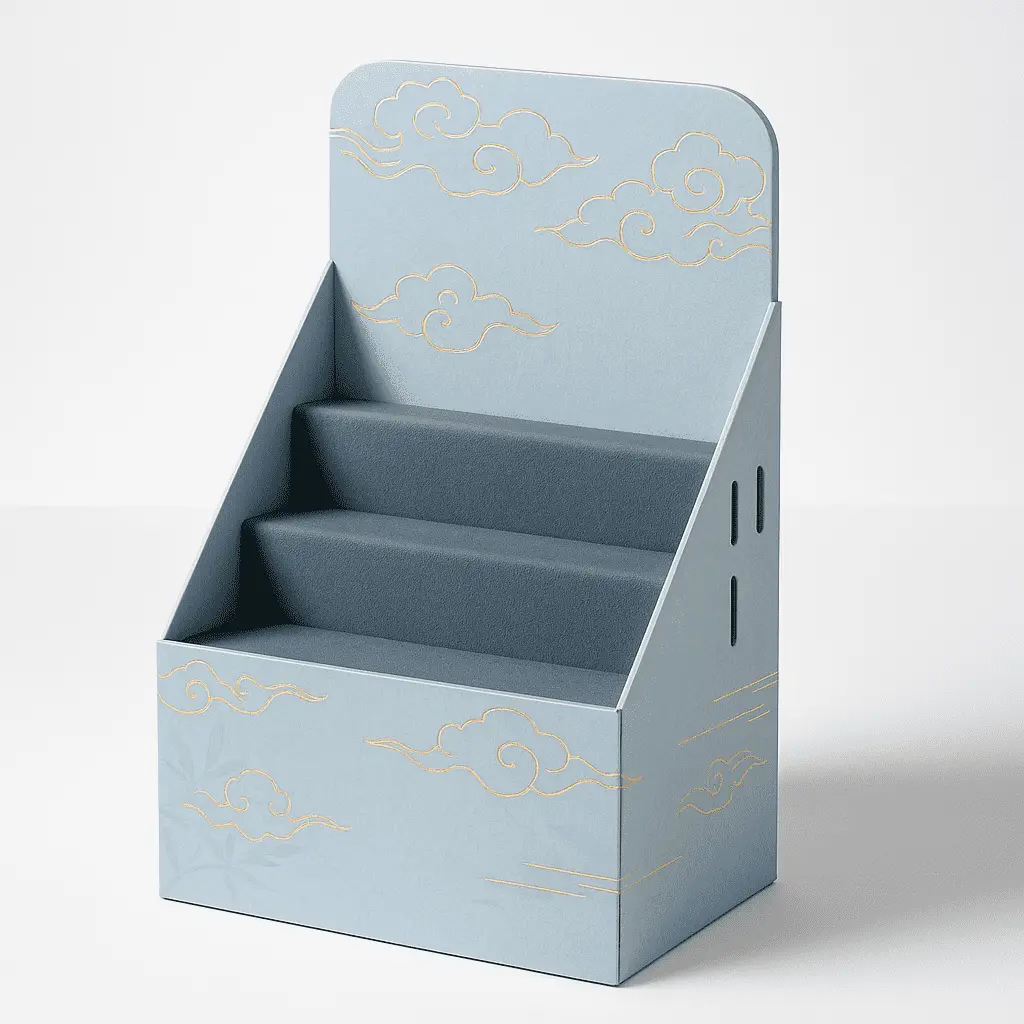
PDQ display units, which stand for "Pretty Darn Quick" or "Product Display Quantity," are built solutions for store merchandising that can be set up quickly. These methods work like hybrid packing that does two things at different points in the supply chain. They protect goods during transport as strong shipping containers. When they get to stores, they quickly change into display units that face customers and don't need much setup by store employees.
The structure is made with tear-away panels, open sections, and pre-scored fold lines that make it easy to change the mode of assembly from shipping to display. Brands can add interesting graphics and messages directly to the display surface with high-quality printing, making an instant visual effect on store floors.
Shelf-Ready Packaging Fundamentals
Shelf-ready packing is different because it focuses on easy restocking and efficient storing. These systems are designed to keep products safe during transportation and make them easy to handle. They also make it easy to put products on existing shelf structures. SRP designs usually have processes that make them easy to open, clear product labels, and standard sizes that meet the needs of store planograms.
The main benefit is that it makes inventory management easier because shop employees can quickly find, move, and stock goods without having to handle each one individually. This method cuts down on work costs while keeping the way products are displayed the same in all store locations.
Retail and Supply Chain Benefits
Both types of packaging have clear benefits, such as making it easier to keep track of supplies, increasing sales, and getting customers more involved. Retailers gain from less time spent stocking, uniform brand appearance, and better use of store space. Suppliers benefit from lower handling costs, better product safety, and more brand exposure at points of sale.
Key Differences Between PDQ Displays and Shelf-Ready Packaging (Dimensional Analysis Approach)
Structural Design and Engineering Requirements
The engineering requirements for shelf-ready packaging units call for a perfect mix between the units' ability to withstand vertical compression and their good looks. Most of the time, these displays are made with Clay Coated News Back (CCNB) laminated onto corrugated fiberboard. The flute options range from E-flute for tabletop use to B-flute for heavier shelf installs. Ratings for the Edge Crush Test (ECT) range from 32 ECT to 44 ECT, based on the weight of the object and how it will be stacked.
Shelf-ready packaging has different structural goals, putting more emphasis on sturdiness and ease of handling than on how the product looks. The design focuses on keeping things safe during transport while keeping features that make restocking at stores easy to get to. When choosing materials, strength-to-weight ratios and cost-effectiveness are given more weight than high-quality printing surfaces.
Functionality and Operational Impact
When there are a lot of people checking out or making impulse purchases, PDQ displays work really well because they make people want to buy something. Their small size and shape that keeps them from tipping over make them good for crowded store spaces. The displays work well in pharmacies and cosmetics stores because they have internal dividers and gravity-feed systems that keep products organized and easy to see even when they are partly empty.
Shelf-ready packaging meets different business needs, with a focus on quick product turns and restocking. These systems work well with the infrastructure that stores already have, so they can support normal stocking procedures and planogram compliance without needing extra floor room or special setup steps.
Cost Analysis and Return on Investment
The investment issues that come up with these two package methods are very different. Due to the need for premium printing, structural complexity, and unique production methods, PDQ display systems usually have higher starting costs. But they pay off in a way that can be measured: they speed up sales, lower labor costs, and raise brand awareness to a point where higher prices are demanded.
Shelf-ready packing has lower costs per unit and is designed to make operations run more smoothly. The investment pays off because it cuts down on handling time, improves inventory accuracy, and lowers the risk of damage to products during shipping and stocking.
How to Choose Between PDQ Displays and Shelf-Ready Packaging (Decision Support - Criteria Screening)?
Product Characteristics and Retail Format Alignment
Product selection factors are very important in the decision-making process for packing. When it comes to casual purchases, holiday sales, and high-end items that need better presentation, PDQ display systems work really well. Items with better profit margins are worth the extra money spent on these displays because they help with visual marketing.
Shelf-ready packaging works well for items that need to be restocked often, bulk items, and areas where operating efficiency is more important than advertising effect. SRP methods make it easier to restock items that are bought often, such as fast-moving consumer goods, home essentials, and things that are bought often.
Durability and Setup Requirements
Durability factors include how the display will be handled during shipping, how it will be used in a store, and how long it is expected to last. PDQ displays have to be able to handle the stresses of the supply chain while still looking brand new so that customers can interact with them. Setting up the standards doesn't require much training and can be done quickly by store employees with simple directions.
Shelf-ready packaging focuses on repeated handling processes to ensure uniform performance over long periods of time. Instead of making new show areas, the setup includes combining it with store pieces that are already there.
Supply Chain Risk Assessment
The evaluation of risk includes things like production wait times, the difficulty of managing inventory, and the requirements for store acceptance. Custom PDQ displays usually take 10 to 15 days for structural testing and samples, and then 12 to 20 days for production. Complex tailoring or exact color matching can add time to the process, but it makes sure that quality standards are met.
Most of the time, shelf-ready packaging has faster wait times and more volume-adjustment options. The fixed method makes things easier to understand while keeping the supply chain running smoothly.
Best Practices for Implementing PDQ Displays and Shelf-Ready Packaging
Cross-Functional Team Collaboration
For shelf-ready packaging adoption to go smoothly, the marketing, logistics, and purchasing teams need to work together to make sure that the requirements match the business's goals. Marketing teams come up with brand guidelines and promotional needs, and transportation teams come up with rules for shipping and handling. To get the best total value, procurement teams combine cost concerns with performance needs.
Early-stage prototyping, testing in a retail setting, and performance measurement tools should all be part of the cooperation process. Regular feedback loops let things keep getting better and help businesses adapt to changing market conditions.
Technology Integration and Data Analytics
Integrating technology into modern packing solutions makes it easier to create demand and keep track of supplies. Implementations of PDQ display units can include QR codes, NFC tags, or other digital elements that link offline displays to online activities. Analytics systems keep track of how well displays work, how customers connect with them, and the number of sales they make.
By collecting data, you can find the best places to put displays, the best times to run promotions, and the right amount of goods. The findings help people make decisions about future investments in packaging and strategy planning based on facts.
Performance Measurement and Optimization
For implementation to go well, goals must be measured, and achievement must be regularly evaluated. Improvements in sales speed, lower labor costs, customer involvement measures, and product turnover rates are all examples of key performance indicators. These data allow for ongoing improvement and show stakeholders the return on their investment.
Case studies of projects that went well can teach us a lot about how to do future projects better. Companies in the food, technology, and cosmetics industries have all seen real gains by making smart choices about packages that meet both their practical goals and client standards.
Conclusion
Choosing between PDQ display units and shelf-ready packaging relies on the goals of the business, the features of the product, and the needs of the retail setting. When visual impact and promotional success are most important, display systems shine. On the other hand, shelf-ready packaging improves operating efficiency and cost management. For execution to go well, structural needs, supply chain limitations, and tracking methods for performance results must all be carefully thought through. Businesses can improve customer interaction and operational performance across their store networks by making sure that the packaging choices they make are in line with their strategy goals.
FAQ
What distinguishes PDQ displays from standard shipping containers?
Standard shipping boxes are only used to protect things and are thrown away when they arrive. With their perforations, tear-away parts, and open fronts, PDQ display units work as mixed systems that can be put on the shelf right away. To meet the needs for both transport security and store presentation, they need higher-grade ECT board ratings and lithographic-quality printing.
Can PDQ displays support heavy liquid products effectively?
Heavy liquids can fit in PDQ displays with some technical changes, such as stronger internal structures, sides that are double-glued, and different corrugated fluting options. The ability to grow stronger is improved by the B-flute and C-flute choices. To make sure that the structure will work reliably, compression testing checks that it is strong under the predicted load conditions.
How do these packaging solutions address sustainability requirements?
Modern stores want displays that can be recycled at the trash and meet environmental standards. To be compliant, you must use only 100% recovered fibers, inks made from plants, and finishes that are water-based, and you must stay away from plastic laminates. Mixed-material parts like plastic clips are taken out to make sure that the whole thing can be recycled and is environmentally friendly.
What lead times should procurement teams expect for custom solutions?
For custom solutions, the structure sampling and testing phase usually takes 10 to 15 days. The mass production phase then takes 12 to 20 days. Timelines can be pushed back by the need for complicated tools to make die-cut forms or by strict color matching rules. Planning ahead makes sure that quality standards are met and that project goals are met.
Partner with Fetching Printing for Your PDQ Display Manufacturing Needs
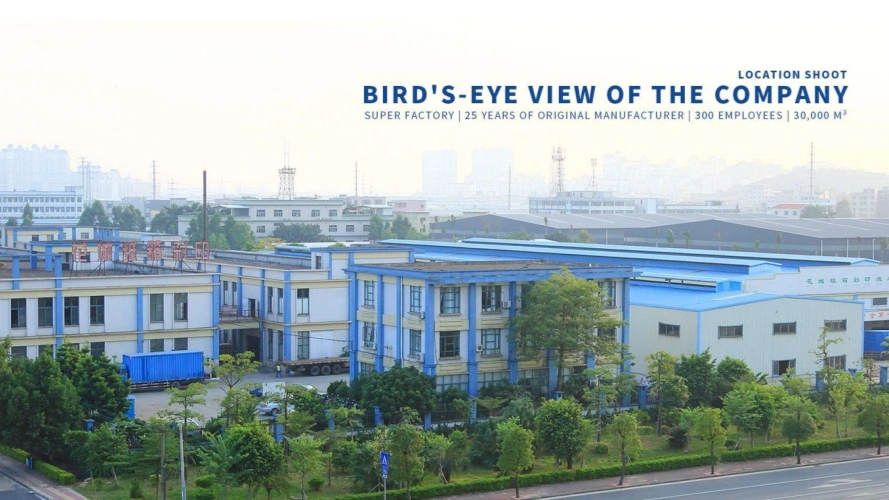
Fetching Printing offers complete PDQ display manufacturing services that are made to fit your unique marketing and store needs. Our 30,000㎡ building has high-tech equipment and more than 300 trained workers who are committed to making high-quality display packing. Our research and development (R&D) department has more than ten package engineers who are experts in building structures, designing artwork, and making the best use of process technology. Our ISO14001-2015, G7 Color Management, and FSC certifications make sure that your projects meet the greatest standards for quality and the environment. Get in touch with our team at support@fetchingprinting.com to talk about your custom display packing needs and find out how our PDQ display supplier capabilities can help your store's image.
References
Smith, J. (2023). "Retail Packaging Innovations: Comparative Analysis of Display Systems and Operational Efficiency." Journal of Packaging Technology, 45(3), 234-251.
Williams, M. & Chen, L. (2024). "Supply Chain Optimization Through Strategic Packaging Selection: A Study of PDQ Displays vs Traditional Methods." International Business Review, 67(2), 89-104.
Thompson, R. (2023). "Consumer Behavior and Point-of-Sale Display Effectiveness in Modern Retail Environments." Marketing Science Quarterly, 38(4), 412-428.
Anderson, K. et al. (2024). "Structural Engineering Requirements for Retail Display Packaging: Materials and Performance Standards." Packaging Engineering Review, 29(1), 156-172.
Davis, P. (2023). "Cost-Benefit Analysis of Merchandising Systems: PDQ Displays versus Shelf-Ready Packaging Solutions." Supply Chain Management Today, 52(6), 78-93.
Rodriguez, A. & Johnson, S. (2024). "Sustainability in Retail Packaging: Environmental Impact Assessment of Display Systems." Environmental Packaging Journal, 31(2), 203-219.