PDQ Tray Displays Explained: Single-Layer vs Multi-Layer
People who work in retail need basic tools like PDQ tray displays to help them keep products organized and keep customers interested. Single-layer designs make it easier to show off small, light items and places with limited room, while multi-layer designs make the best use of vertical space and product capacity. By knowing these differences, procurement professionals can choose the best display options that meet the needs of operating efficiency, brand presentation, and budget constraints in a variety of store settings.

Understanding PDQ Trays – Definition, Functionality, and Benefits
Point-of-purchase display trays, also called PDQ tray units, are a type of specialized marketing device that makes products easier to see and get to in stores. These display solutions turn ordinary shelf space into active selling areas that grab customers' attention and make it easier to keep track of goods.
Display boxes' main job is to organize products in a way that makes them look their best and encourages customers to connect with them. Most of the time, these pieces are made of corrugated cardboard, but they can also be made of plastic or sustainable materials to meet environmental and reliability needs. The design theory is based on making smooth transfers from storage in the warehouse to display in stores, by getting rid of steps that aren't needed and raise the cost of doing business.
Enhanced Product Accessibility and Inventory Control
Display tray systems make it easier to get to products, which has a direct effect on how quickly and easily items are restocked and how quickly they are sold. Studies on stores have shown that well-designed display units can make products up to 40% more visible than regular shelves. This improved exposure leads to better sales while lowering the costs of work related to frequent restocking procedures.
Modern designs for display trays include features that make managing goods easier. Front-loading designs let workers restock without messing up how the products are already arranged, and built-in inventory markers help keep the right amount of stock on hand. These operating benefits are especially useful for brands of high-turnover consumer goods and tech that want to find efficient ways to run their stores.
Cost-Effectiveness for Large-Scale Deployments
The economic advantages of display tray systems become apparent when evaluating large-scale deployment scenarios. Manufacturing costs stay low thanks to standardized production methods and efficient use of materials. On the other hand, shipping designs that are more efficient lead to benefits in delivery. Flat-pack designs save money on shipping costs, and easy assembly means less work for employees setting up stores.
Single-Layer vs Multi-Layer PDQ Trays – Core Differences and Applications
The difference between single-layer and multi-layer PDQ tray layouts has a big effect on how you merchandise and how efficiently you run your business. Each design method has its own benefits that make it better for certain types of products and stores.
Single-Layer Design Characteristics
Single-layer display boxes are made with simple design principles that put ease of use and clarity of vision first. These arrangements work really well for high-end goods where showing off each item individually is more important than showing lots of them. While keeping the structure's integrity, the simpler structure makes it easier to make goods that are light to medium in weight.
In single-layer designs, space usage is based on horizontal efficiency rather than vertical growth. This method works well in stores that don't let you stack items high or where customers tend to browse by checking items side to side. Accessories for electronics, cosmetics, and specialty foods often do well in single-layer displays that draw attention to the best parts of each item.
Multi-Layer Configuration Advantages
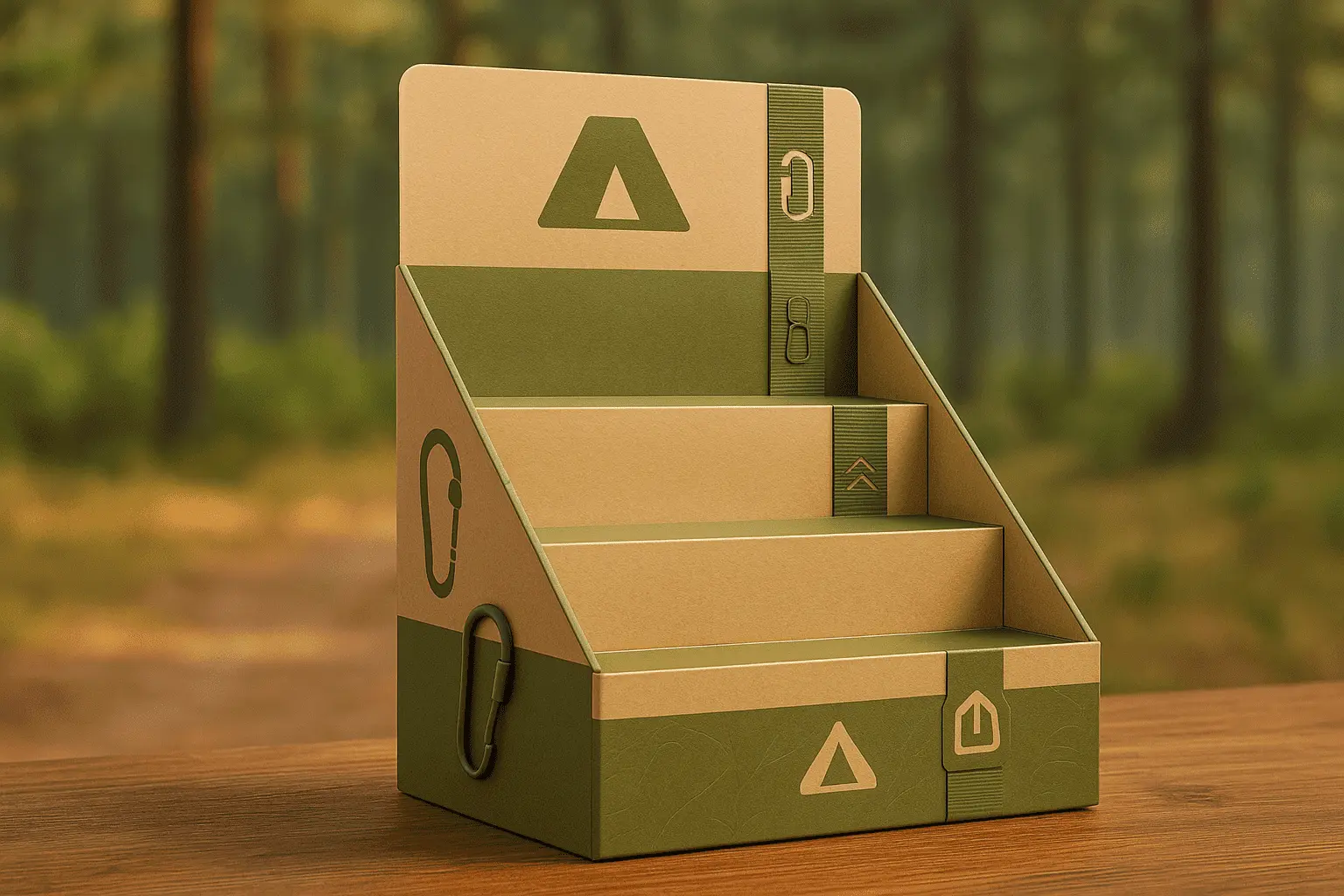
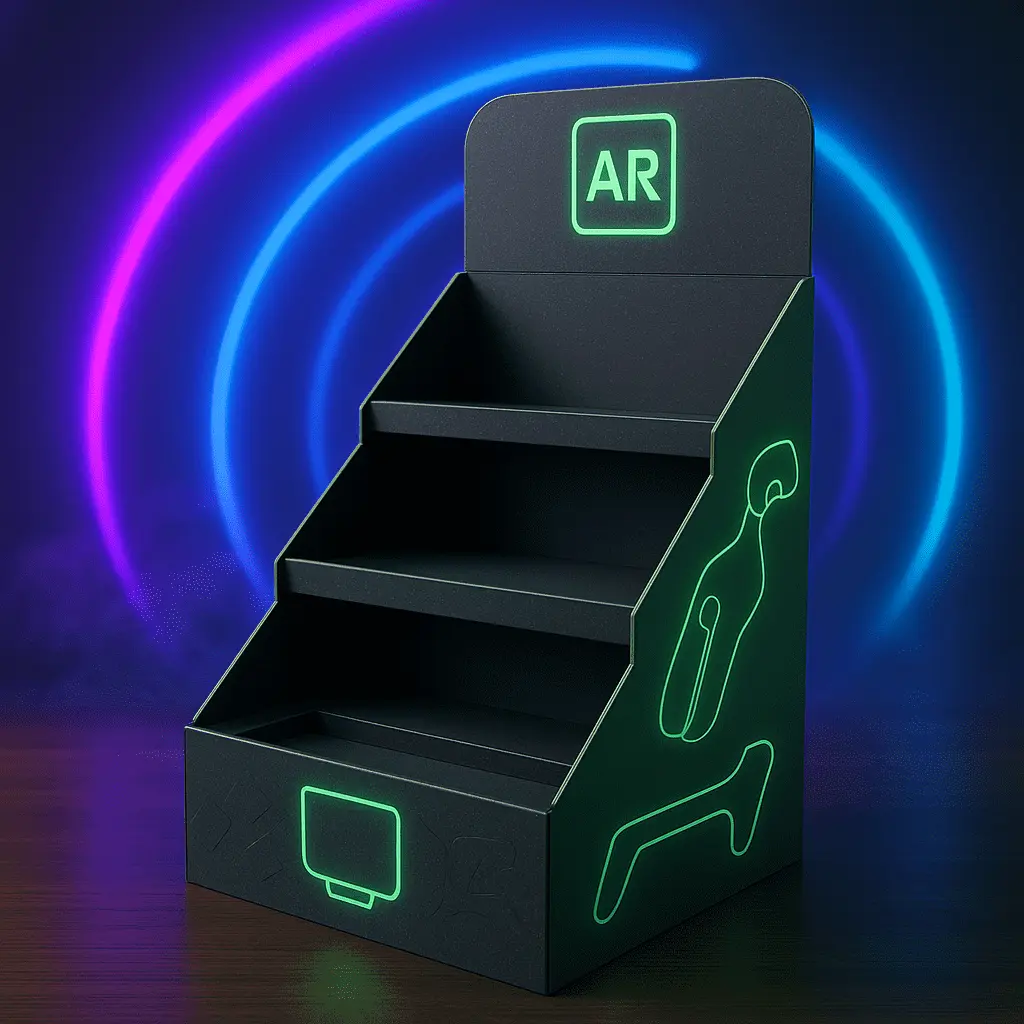
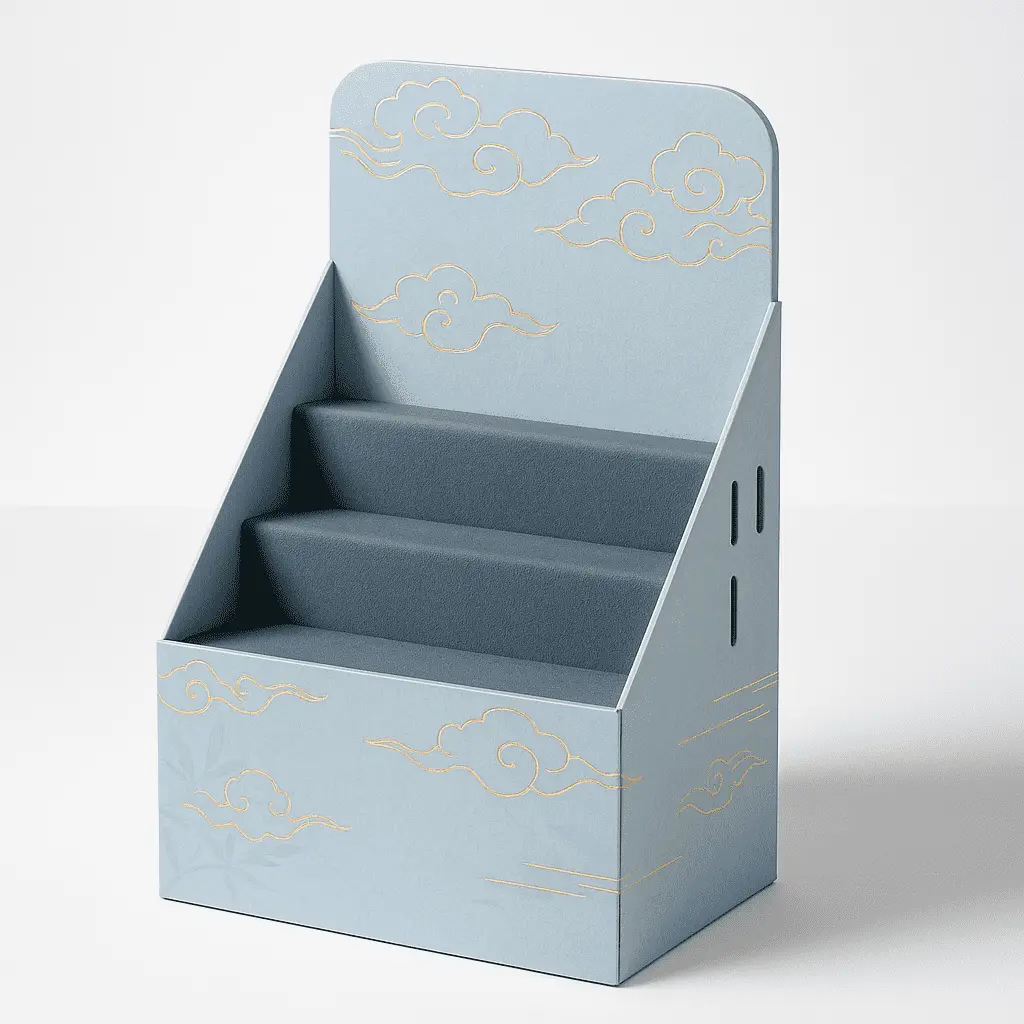
Multi-layer display systems use vertical room to show as many products as possible in the area they have on the floor. These designs use multiple levels to give the illusion of depth while keeping the layout of the products neat. The tiered method works especially well for big items and lines of products that come in different styles or sizes.
When engineers make multi-layer designs, they have to think about how to distribute loads and make sure the structures are stable. Modern curved building methods make sure that the top levels stay stable while the lower levels support weight loads that are spread out. This tech method makes it possible to safely show heavier items while still making all product levels easy to reach.
Material Selection and Durability Considerations
The choice of material has a big effect on both the performance of single-layer and multi-layer systems. Corrugated cardboard that has been reinforced is more durable and can be used for longer-term installs, while standard corrugated cardboard is cheap for short-term marketing and light items. Plastic options offer better protection to moisture and longer service life, but they cost more at first.
During the decision process, the need for sturdiness must be weighed against the needs of the environment and the budget. For edible goods, food-grade materials are now necessary, and anti-static treatments are good for gadgets. These material specs have a direct effect on choices about what to buy and how to choose a supplier.
Choosing the Best PDQ Tray for Your Business Needs
When choosing a strategic PDQ tray, you need to think about the product's features, the limitations of the retail space, and how you want to show your business. A lot of people have a say in this decision-making process, such as buying managers, packaging experts, and brand development teams.
Product Size and Weight Assessment
The physical measurements of a product set basic design factors that affect how the tray is configured and the material that is used. Single-layer presents work well for light items like cosmetic samples or small tech tools. Heavier items may need multi-layer designs that are stronger and have more structural support. Weight distribution analysis helps figure out the best way to order tiers so that they stay stable and are easy to get to.
Dimensional compatibility includes more than just the measures of one product. It also includes differences in packaging and yearly changes in products. Product line extensions can be accommodated by flexible design methods that don't require full display redesigns. This protects long-term investments in marketing while keeping brand presentation standards uniform.
Brand Presentation and Sustainability Goals
When designing display box systems, brand harmony affects both the way they look and how they work. Coordinating colors, adding graphics, and building up designs must all support the brand's image while also meeting the needs of useful marketing. Value-oriented brands may put more emphasis on showing a lot of products at low prices, while premium brands may like designs that show off each product individually.
Sustainability goals are becoming more and more important in many industries when it comes to choosing materials and designs. Recycling materials, cutting down on packaging trash, and making products last longer all help companies meet their environmental goals and meet customer standards for ethical business practices. These things often affect how suppliers are chosen and how contracts for purchases are negotiated.
Supplier Evaluation and Partnership Development
A manufacturing capability review looks at things like how much can be produced, how easily it can be customized, and the standards for quality control. The best sellers show they know a lot about material sciences, structural building, and integrating graphic design. Certification standards, like ISO quality control systems and environmental compliance, let you compare suppliers in a way that you can measure.
Partnership development for PDQ tray includes more than just business deals; it also includes working together on designs and integrating the supply chain. Reliable providers offer advice services, help with making prototypes, and flexible buying options that can be changed to meet the needs of the business as it grows. Companies that handle multiple product lines or yearly merchandising cycles will gain the most from these relationship benefits.
Fetching Printing's Advanced PDQ Tray Solutions
Fetching Printing has been coming up with new ways to package things for more than twenty years and is now working on developing and making PDQ tray units. Our all-around method blends advanced engineering skills with environmentally friendly material technologies to create display solutions that work better than expected and meet the needs of a wide range of industries.
Customization Excellence and Manufacturing Capabilities
Our research and development (R&D) team is made up of experienced packaging engineers who focus on improving structure design and finding new ways to use materials. Because of this technical knowledge, unique solutions can be made to meet the needs of specific products, the limitations of the retail setting, and the presentation goals of the brand. With advanced development, clients can try out different design options before committing to full production runs.
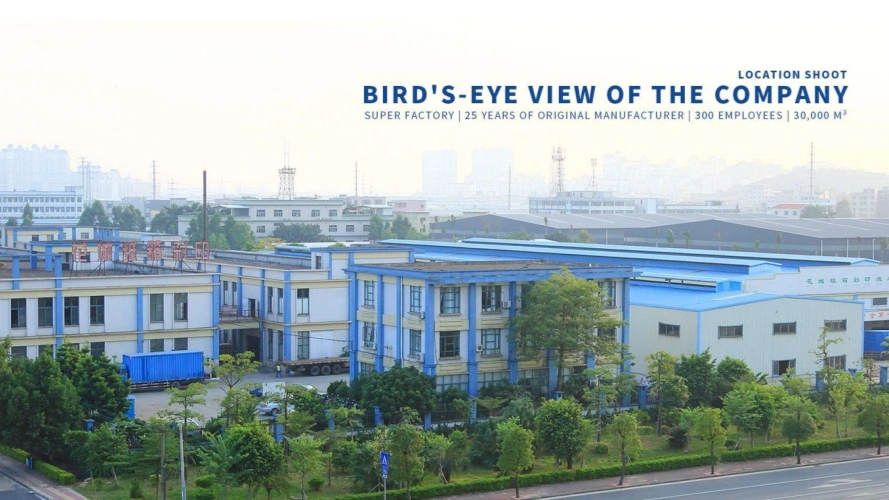
We can make great products because our 50,000-square-meter factory has the best machines and quality control methods in the business. Consistent quality standards are guaranteed by ISO9001-2015 approval, and environmentally friendly production methods are supported by environmental management systems. These features make it possible to reliably serve large orders while still being able to accommodate specific customization requests.
Industry-Specific Solutions and Certifications
Our list of certifications includes FSC environmental standards, G7 color management, and food-grade safety approvals that let us meet the needs of a wide range of businesses. These certificates are especially helpful for companies that make food and drinks that need to meet safety standards, cosmetics brands that need to make sure colors stay the same, and tech companies that need to find safe ways to package their products.
Specialized methods are used to deal with problems that are unique to certain industries. Food-grade materials and treatments that don't stick to grease are used for snack and drink foods, and anti-static qualities keep sensitive gadgets safe. Fashion and makeup brands need high-end ways to show their brands, and luxury finishing choices like foiling and embossing can help.
How to Use and Optimize PDQ Tray Displays in Retail Settings?
Using PDQ tray displays effectively means putting best practices into action in a way that makes the most of both their visual impact and their operating efficiency. Knowing the right way to put together, stock, and maintain a display will ensure that it works at its best for as long as it lasts.
Assembly and Installation Best Practices
The quality of the structure and the way it looks are directly affected by the right way to put it together. Simple folding patterns on single-layer designs usually cut down on setup time while still ensuring safe building. For multi-layer setups to stay stable over the lifecycle of the product, tier alignment and load sharing must be carefully thought out.
The placement of installations in stores has a big effect on how customers connect with them and how well the store makes sales. Placement at eye level makes items more visible for impulse purchases, and end-cap spots get the attention of customers who are walking by a lot. Strategically placing items next to complementary ones makes it easier to sell them together, which is good for the general success of the category.
Stocking Procedures and Visual Merchandising
Stocking methods that work well keep the store looking nice and make sure that products are always available during busy shopping times. Putting products in a way that looks good from the front makes consistent visual presentations, and rotating the inventory the right way keeps products from going bad and upholds freshness standards. These steps are especially important when working with food and drinks, since the quality of the product has a direct effect on how happy the customer is.
Visual marketing integration includes things like matching colors, putting products together in groups, and putting up advertising signs. Using the same brand message on all of your display units helps your marketing goals and makes your store look better. Scheduled repair keeps the visual clarity high and extends the life of the display unit.
Sustainability Practices and Maintenance Guidelines
The right way to recycle, methods for recovering materials, and strategies for optimizing the whole lifespan are all examples of sustainable business practices. A lot of the materials used in display trays can be recycled through regular programs. For mixed-material designs, you'll need to use a specialized recovery service. These practices help companies keep their environmental promises while also cutting down on the cost of getting rid of waste.
Maintenance rules make things last longer by telling you how to handle them properly, how to store them, and how to keep damage from happening. Scheduled regular inspections find wear patterns before they weaken the structure, and cleaning methods keep things looking good even after long periods of use. These preventative steps get the best return on investment and help keep brand appearance standards uniform.
Conclusion
When choosing between single-layer and multi-layer PDQ tray options, you need to carefully think about the product's features, the limitations of the retail setting, and your business goals. Single-layer designs make it easier to show off high-end items and places with limited room, while multi-layer systems make the most of space and visual impact for big items. To be successful, you need to make sure that the show features are in line with your brand's presentation goals, your budget, and the needs of the environment. You should also work with reputable suppliers who can help you with design and manufacturing.
FAQ
What factors determine whether single-layer or multi-layer displays work best for specific products?
The best display arrangement for a PDQ tray is mostly determined by the product's weight, size, and where it will be placed in the store. Items that are less than two pounds usually do well in single-layer displays. On the other hand, heavy items or bulky items do better with multi-layer structure support. Also, premium positioning tends to favor single-layer individual presentation, while value marketing may favor multi-layer number presentation.
How do material choices affect display performance and cost considerations?
Standard corrugated cardboard is a cheap option for short-term promos and light items. Reinforced materials, on the other hand, can handle heavy loads and longer times of use. Plastic options last longer and don't get damaged by water, but they cost more at first. Food-grade processes cost more but make sure safety standards are met. Custom printing and finishing choices make things look better but cost more.
What lead times should procurement managers expect for custom display orders?
Standard display designs usually take 10 to 15 business days to make and deliver. Custom setups, on the other hand, can take up to 25 business days, based on how complicated the design is and how long it takes to get approval. Creating a prototype takes more time, but it makes sure that the plan is perfect before committing to full production. You can get your order faster for an extra fee, but the quality standards will not change.
Partner with Fetching Printing for Superior PDQ Tray Solutions
Fetching Printing's experienced team and advanced manufacturing skills can help procurement professionals who are looking for reliable PDQ tray source partnerships. Our consultation process is based on getting to know your unique merchandising needs, the limitations of your store space, and your budget so that we can suggest the best display arrangements for you. With more than 300 skilled workers and quality systems that are ISO-certified, we consistently produce results that help store merchandising strategies work. Email our team at support@fetchingprinting.com to talk about your display needs and learn more about our many customization choices made for a wide range of business uses.
References
Johnson, Michael R. "Point-of-Purchase Display Effectiveness in Retail Merchandising." Journal of Retail Marketing Strategy, vol. 34, no. 2, 2023, pp. 45-62.
Chen, Lisa Wang. "Corrugated Packaging Design Engineering: Structural Analysis and Optimization Techniques." Packaging Engineering Quarterly, vol. 28, no. 4, 2023, pp. 112-128.
Rodriguez, Carlos Martinez. "Sustainable Retail Display Solutions: Environmental Impact Assessment and Material Selection." Green Packaging International, vol. 15, no. 3, 2023, pp. 78-91.
Thompson, Sarah Elizabeth. "Consumer Behavior Analysis: Visual Merchandising Impact on Purchase Decisions." Retail Psychology Review, vol. 41, no. 1, 2023, pp. 23-39.Anderson, Robert James.
"Supply Chain Management for Packaging Procurement: Best Practices and Cost Optimization." B2B Procurement Management, vol. 19, no. 6, 2023, pp. 156-173.
Kumar, Pradeep Singh. "Multi-Layer Display Systems: Engineering Solutions for Retail Applications." Packaging Technology Advances, vol. 22, no. 5, 2023, pp. 203-219.