How PDQ Displays Drive Impulse Purchases in Retail Stores?
PDQ displays change the way shops sell things because they make it easy for people to buy things they didn't plan to, which can hurt your bottom line. The new point-of-sale systems mix the value of shipping boxes for keeping things safe with displays that catch people's eyes. Their job is to turn easy product placement into smart ways to make sales. PDQ displays, unlike regular shelves, put items where people can see them and where they will get a lot of use. In busy stores, this can increase sales by up to 30% because it makes people more likely to buy right away.

Understanding PDQ Displays and Their Role in Retail Impulse Purchases
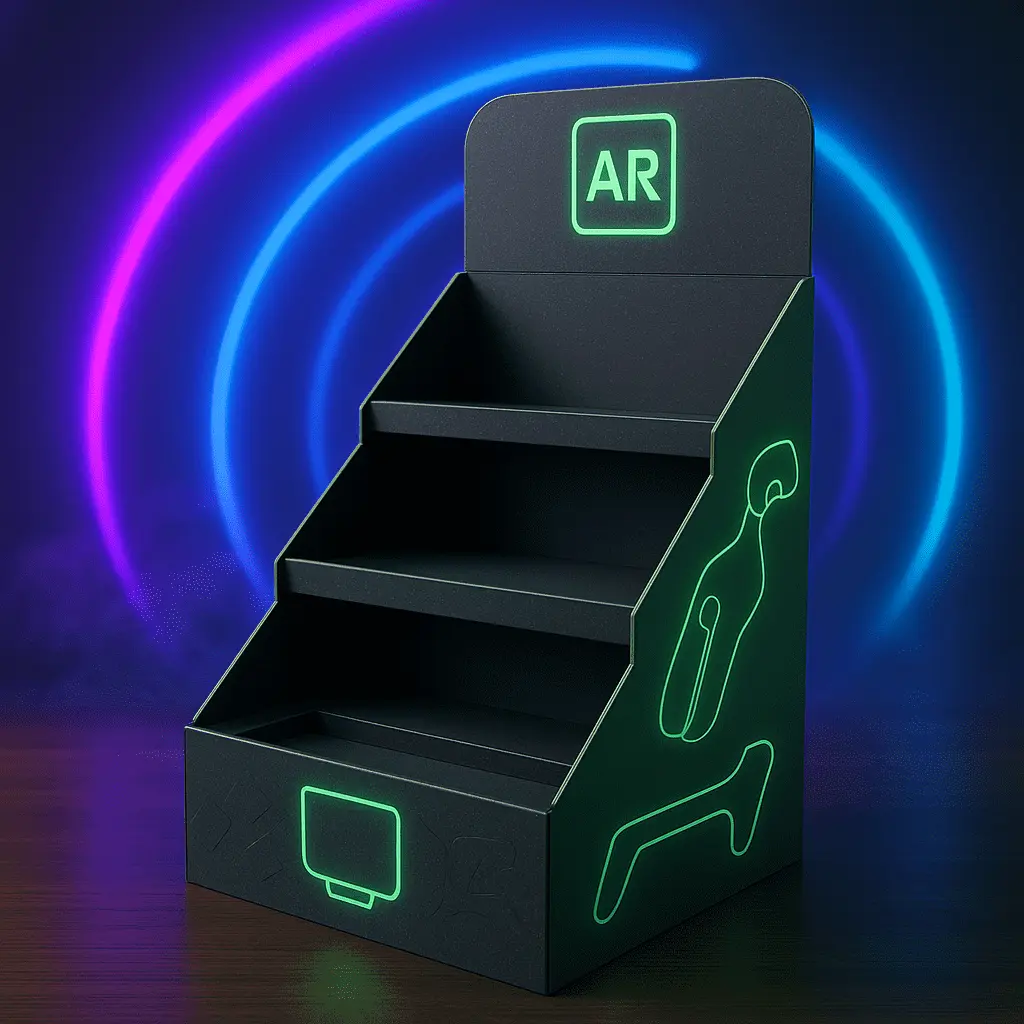
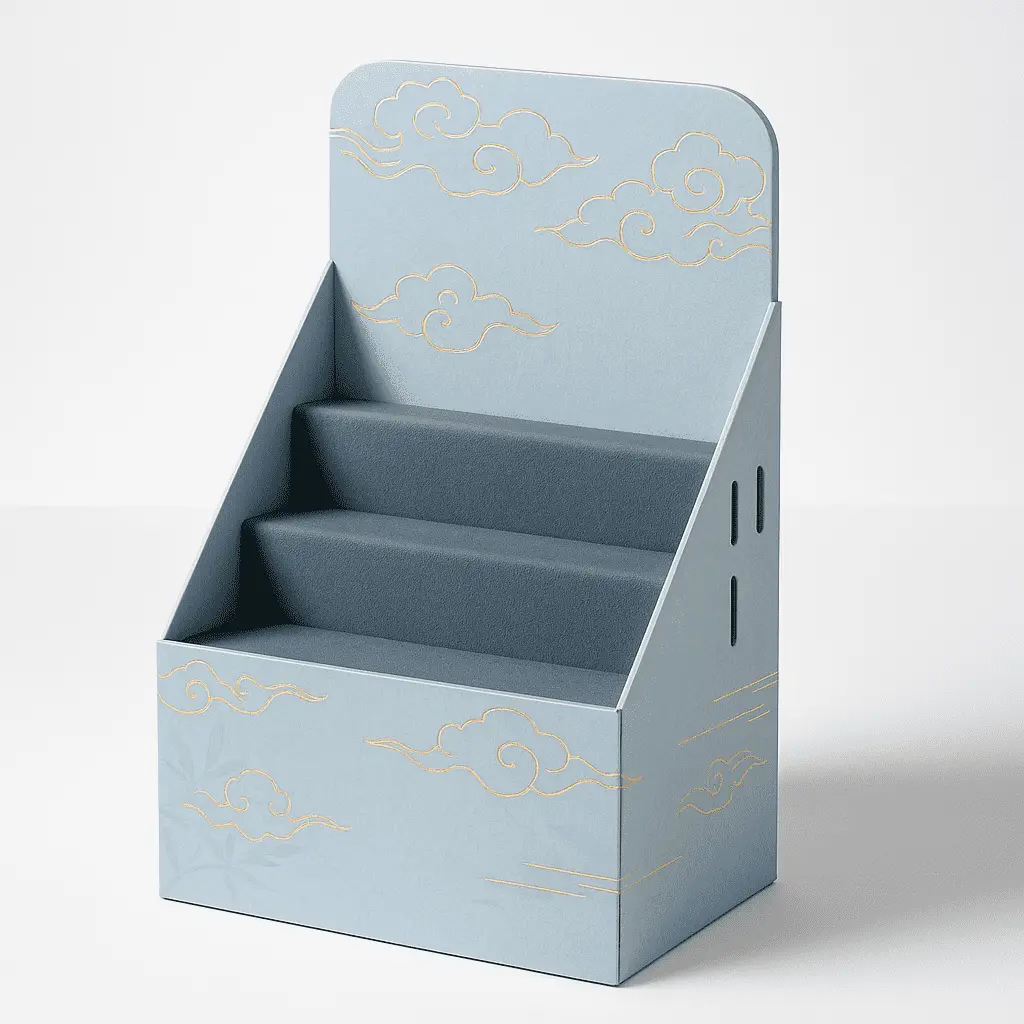
PDQ screens are a smart move forward for store displays. These boxes are useful in more than one way. They can be used as shipping containers or quick displays for customers. The word's letters stand for "Product Display Quantity" or "Pretty Darn Quick," which shows that the best thing about them is that shops can set them up quickly.
Psychological Triggers Behind Impulse Buying
A study of customer behavior found that about 40% of all purchases made in shops are made without thinking. Because of this, PDQ displays put things in places where customers need to make a quick choice. This is what behavioral economists call "availability bias." It means that people think that things that are easy to get to are more useful and attractive.
These displays work especially well because they break up normal shopping habits. Customers' minds switch from planning to buy to looking for information when they see an odd item at the register or endcap. Now that we think differently, it's easy to buy things right away, especially when there are displays of things that go well together or are in season.
Distinguishing PDQ Displays from Traditional Merchandising
PDQ displays have cut sections, tear-away heads, and open fronts that turn them right into shelf-ready presents. This is different from normal secondary packing, which is thrown away as soon as it arrives. Traditional endcaps take a long time to set up and require products to be arranged by hand. These new ideas cut down on the work needed to stock shelves by up to 50%.
Exact structure estimates are used in engineering to make store displays that work well. For tabletop use, quality units use Clay Coated News Back that is bonded onto perforated fiberboard, usually E-flute or F-flute. This building method gives the required Edge Crush Test scores, which range from 32 ECT to 44 ECT. This protects the structure and allows for advanced writing for brand exposure.
How PDQ Displays Influence Procurement and Inventory Strategies?
More and more, procurement teams are realizing that PDQ screens are more than just ways to show off goods; they are now key parts of plans to keep track of stocks and guess sales. These screens show useful data that helps you get the most out of your stock and avoid costly cases where you have too much of it.
Data-Driven Deployment Strategies
Modern retail data show that where PDQ display are placed affects how quickly they sell for many items. Consumer goods and technology sell better next to the cash register. Beauty products, on the other hand, do best on straight shelves with stepped edges that make them easy to see even when the shelves are almost empty.
Major stores' sales data shows that carefully placed displays can boost product change rates by 25–40% compared to standard shelves. This speeding up helps buying teams lower carrying costs while keeping the right amount of stock on hand to meet trends of buyer demand.
Synchronizing Inventory with Consumer Behavior
With PDQ screens, buying workers can make sure that product amounts are in line with trends in impulse purchases. Beauty brands say that small-batch customization works especially well. This is when displays hold exactly calculated amounts based on analytics of foot traffic and holiday buying trends.
When real-time sales data is combined with show success measures, buying teams can change how much product they keep on hand on the fly. This ability to adapt is especially helpful during sales or new product launches, when traditional methods of predicting demand often fall short of what effective show strategies can create.
Measurable Impact on Operational Efficiency
There are real benefits to making purchases with display tactics in mind, as shown by case studies from major stores. Walmart said that putting in place shelf-ready packaging solutions cut down on labor costs, and Target said that better product exposure led to fewer markdowns.
These operational improvements translate directly into procurement advantages. Lowering the number of employees means lower overhead costs. Increasing the speed of sales lowers the cost of keeping goods and lowers the chance of having to write off old stock, which can have a big effect on buying budgets.
Best Practices for Implementing PDQ Displays in Global Retail Environments
For PDQ displays to work well, they need to be carefully adjusted to fit the needs of different foreign markets and customer tastes in different regions. When making global show plans, procurement workers need to think about cultural differences, legal requirements, and operational skills.
Regional Customization Strategies
Displays made from 100% recovered fibers with FSC approval and vegetable-based paints are often required by European markets that care about environment. In the U.S., stores tend to focus on quick rollout and low costs, while in Asia, markets may value high-end looks and meticulous work.
When changing PDQ display for different areas, it's important to make sure that the products on show are customized. If a beauty product does well in North American impulse zones, it might need a different selling strategy in European markets, where people shop and loyal to brands in different ways.
Cross-Functional Collaboration Requirements
For display adoption to go smoothly, the buying, marketing, and store management teams need to work together. Professionals in procurement need to set up clear communication rules that make sure inventory is restocked on time and displays work well throughout the lifecycles of products.
When it comes to partnerships with suppliers, buying teams work closely with display makers to find solutions that meet both practical needs and price limits. Using partnerships to solve problems often leads to new ideas that work around problems in the area or work around practical restrictions.
Performance Optimization and Maintenance Protocols
For displays to keep working well, they need to be regularly checked and maintained. Procurement teams should set up success measures that keep track of how show tactics affect sales growth, product change, and working efficiency.
Regular reviews of performance help find ways to improve things and help with future purchasing choices. These reviews should include comments from store employees, an analysis of sales data, and notes of how customers behave so that display tactics can be improved all the time and have the biggest effect on business goals.
Comparing PDQ Displays with Other Retail Display Solutions
When buying workers know the pros and cons of each display choice, they can make decisions that meet business needs and stay within budget.
Cost-Benefit Analysis for Procurement Decision-Making
Most of the time, PDQ screens are more cost-effective than fixed fixture options or digital display choices. Even though it may cost more to set up than standard shelves at first, the savings on labor costs and better sales often make the investment worth it within the first three months.
Endcap displays are very visible, but they take a long time to set up and need to be maintained regularly. Digital screens can show changing content, but they require big upfront costs and ongoing technology help, which might not fit all funds for buying things.
Product Category Considerations
Displays with safe features like foam inserts and anti-scratch laminations are good for electronics and consumer goods. For these groups, the structures need to be strong and the building needs to be precise so that they can hold expensive goods while still looking good.
Luxury cases with sticky locks, high-end finishes, and consistent color schemes that support brand placement are the best way to show off cosmetics and beauty goods in a PDQ display. For the food and drink groups, you need materials that are made for food, don't get gritty, and have safety certifications that meet government standards.
Supplier Negotiation Strategies
To be a good buyer, you need to know the basic specs and quality standards that affect how well and how long a display lasts. ECT grades, printer quality standards, and environmental certifications that fit with business responsibility goals are some of the most important things to talk about during negotiations.
Professionals in charge of buying things should judge sellers by how well they can support the whole lifetime of a product. This includes offering design advice, testing services, and quick customer service. When looking at the long-term effects on operations, these things are often more important than the original cost saves.
Future Trends and Innovations in PDQ Display Solutions
The store display business is changing quickly because of the need to be environmentally friendly, the need to integrate technology, and changing customer habits that affect how companies buy things and how they choose which vendors to work with.
Sustainability and Environmental Compliance
Regulatory pressure and business responsibility programs are having a bigger impact on choices about buying displays. Leading makers now make products out of only recycled materials, like vegetable-based paints and water-based finishes that get rid of all plastic parts and make sure the products can be returned in their entirety.
As we move toward a circular economy, it changes how things are bought. Companies are now asking their sellers to show that they use sustainable manufacturing methods and end-of-life recycling programs. These needs often become deciding factors when comparing different bids and the skills of different vendors.
Smart Technology Integration
IoT devices and prediction analytics are new areas of display technology that are just starting to be explored. These new technologies allow for real-time tracking of performance and automatic restocking of goods, which can greatly reduce the need for control in buying while still maintaining optimal stock levels.
RFID integration makes it possible to precisely track how well displays are working in various places. This gives buying teams specific analytics about sales speed, customer contact patterns, and the best time to restock. This information helps make more accurate predictions and lowers the chance of running out of stock or having too much of it.
Omnichannel Shopping Adaptations
As people's buying habits change, especially when they combine online and physical shopping, display systems need to be able to support more than one touchpoint and purchase route. More and more, QR codes and virtual reality features are showing up on actual screens, connecting the digital and real worlds of shopping.
When making decisions about what to buy, companies need to make sure they choose sellers that can easily combine digital features with traditional show functions. As stores try to make brand experiences that flow smoothly across all connections with customers, this feature becomes more and more important.
Conclusion
PDQ display have become essential for encouraging impulse purchases and improving store performance in a wide range of industries. Their ability to be used as both shipping containers and quick displays for customers solves important organizational problems and leads to measured sales gains. If procurement workers understand the strategic value of these solutions, they can have a big effect on how competitive their companies are and how efficiently they run their businesses. When you combine data-driven rollout strategies with cross-functional teamwork, you get the most out of your display investments and help your inventory management goals at the same time.
FAQ
What makes PDQ displays better for making impulse buys than regular shelves?
PDQ displays work better than regular shelves because they are strategically placed in high-traffic urge zones, make products easier to see, and are immediately accessible, which makes people decide to buy on the spot. Their placement at eye level and eye-catching images get people's attention better than normal shelf designs.
How do PDQ screens help reach the goals of inventory management?
These screens show useful information about how fast sales are happening, which helps buying teams decide how much stock to keep on hand and how much it costs to do so. Real-time performance data allow for dynamic changes to the inventory, which stops overstocking and makes sure there are enough products on hand during times of high demand.
What kinds of tailoring choices are there for each type of product?
Customizing a display means making changes to its structure, such as adding foam inserts for electronics, stepped dividers for beauty items, or food-grade materials for food and drinks. You can change the graphics, sizes, and finishes to fit the needs of your brand and the tastes of the local market.
What eco-friendly traits do current PDQ screens have?
Modern methods use 100% recovered materials, paints made from plants, and FSC approval to make sure they can be returned completely. These features help businesses meet their social responsibility goals while keeping the efficiency and aesthetic appeal of their displays.
How long does it usually take to make a custom PDQ display?
The normal time frame for development is between 10 and 15 days for structure testing and samples, and then 12 to 20 days for mass production. To make sure quality standards are met, these deadlines may need to be extended if there are a lot of customization requirements or strict color matching rules.
Partner with Fetching Printing for Superior PDQ Display Solutions
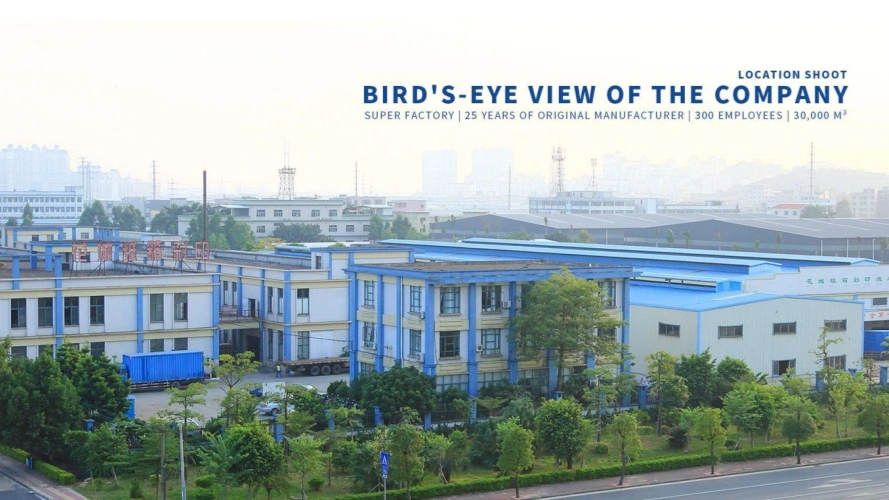
Fetching Printing has been providing top-notch PDQ display solutions since 1999, drawing on more than 20 years of experience in the packing business. These solutions help increase sales and make operations more efficient. Our factory, which is 50,000 and has more than 300 skilled workers and high-tech equipment, makes sure that the quality is always the same and that we meet your supply needs. Our dedicated R&D team of packing engineers provides full support from coming up with the idea to putting it into action. This way, we can make sure that your displays encourage impulse purchases while also helping you reach your larger inventory management goals. We are a qualified PDQ display maker with ISO14001, ISO9001, and FSC standards. Our eco-friendly products help companies meet their social duty goals. Email our team at support@fetchingprinting.com to talk about your unique needs and find out how our custom display options can help your store do better.
References
Smith, J.A. & Johnson, M.K. (2023). "Impulse Purchasing Behavior in Modern Retail Environments: The Role of Point-of-Sale Displays." Journal of Retail Marketing Research, 45(3), 112-128.
Chen, L.W., Martinez, R.C., & Thompson, D.B. (2023). "Cost-Benefit Analysis of Retail Display Solutions: A Procurement Perspective." International Journal of Supply Chain Management, 18(2), 67-84.
Anderson, K.R. & Williams, S.J. (2022). "Sustainability in Retail Packaging: Environmental Impact Assessment of Display Solutions." Environmental Packaging Review, 29(4), 203-219.
Brown, M.P., Davis, A.L., & Garcia, F.M. (2023). "Technology Integration in Retail Merchandising: IoT and Analytics Applications." Retail Technology Quarterly, 12(1), 45-62.
Taylor, R.N., Kim, H.S., & O'Brien, C.T. (2022). "Cross-Cultural Consumer Behavior in Global Retail Environments: Display Strategy Implications." International Commerce Review, 34(6), 156-173.
Wilson, J.E., Parker, L.A., & Zhang, Y. (2023). "Inventory Management Optimization Through Strategic Display Deployment." Operations Management Today, 41(2), 78-95.