Understanding POS Displays: The Checkout Champions
Definition and Purpose of POS Displays
POS displays, short for Point of Sale displays, are marketing tools strategically positioned near checkout counters or high-traffic areas within retail stores. These displays are designed to capture customers' attention during the final stages of their shopping journey, encouraging last-minute purchases and impulse buys. The primary purpose of POS displays is to boost sales by showcasing products in an attractive and easily accessible manner.
Key Features and Benefits of POS Displays
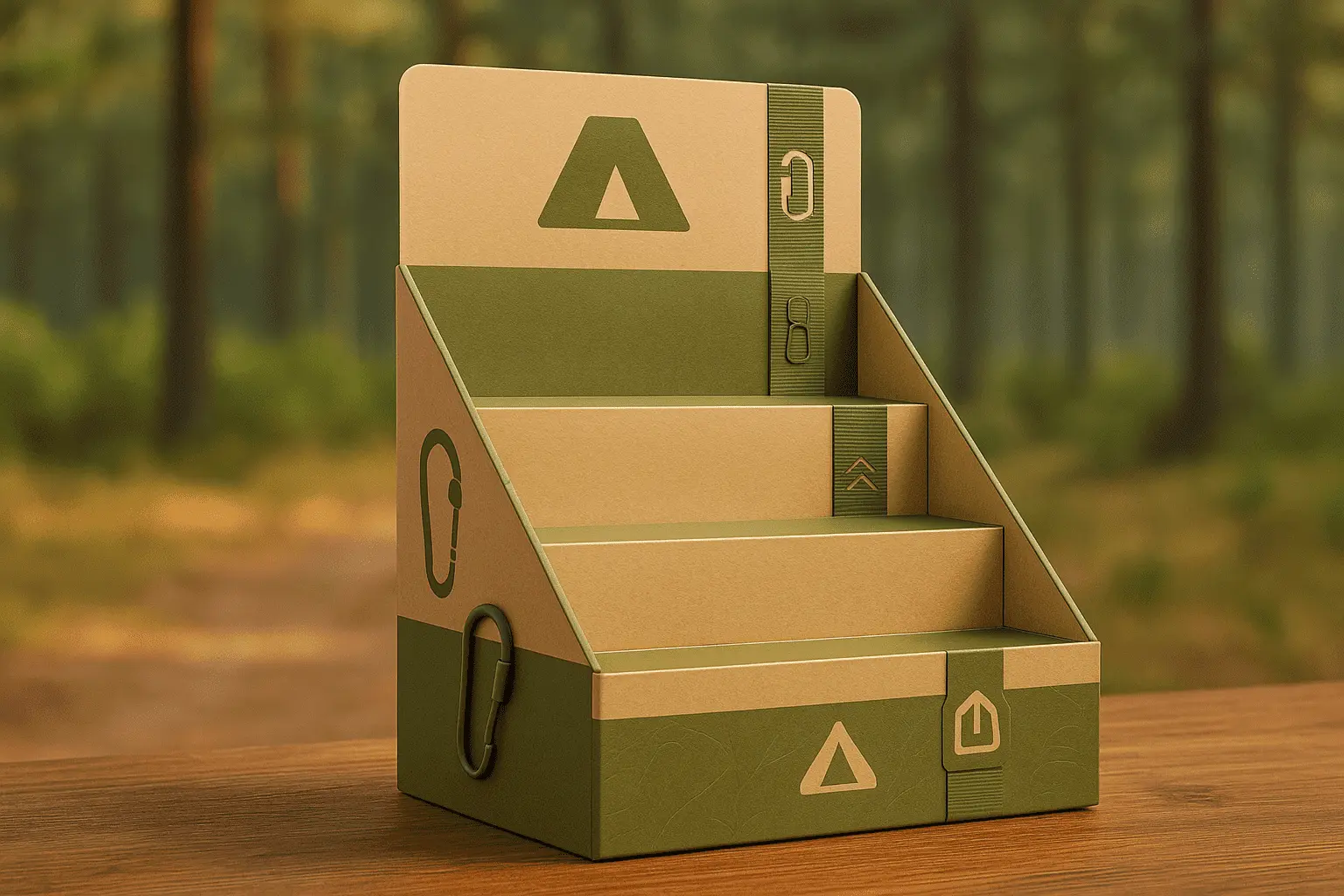
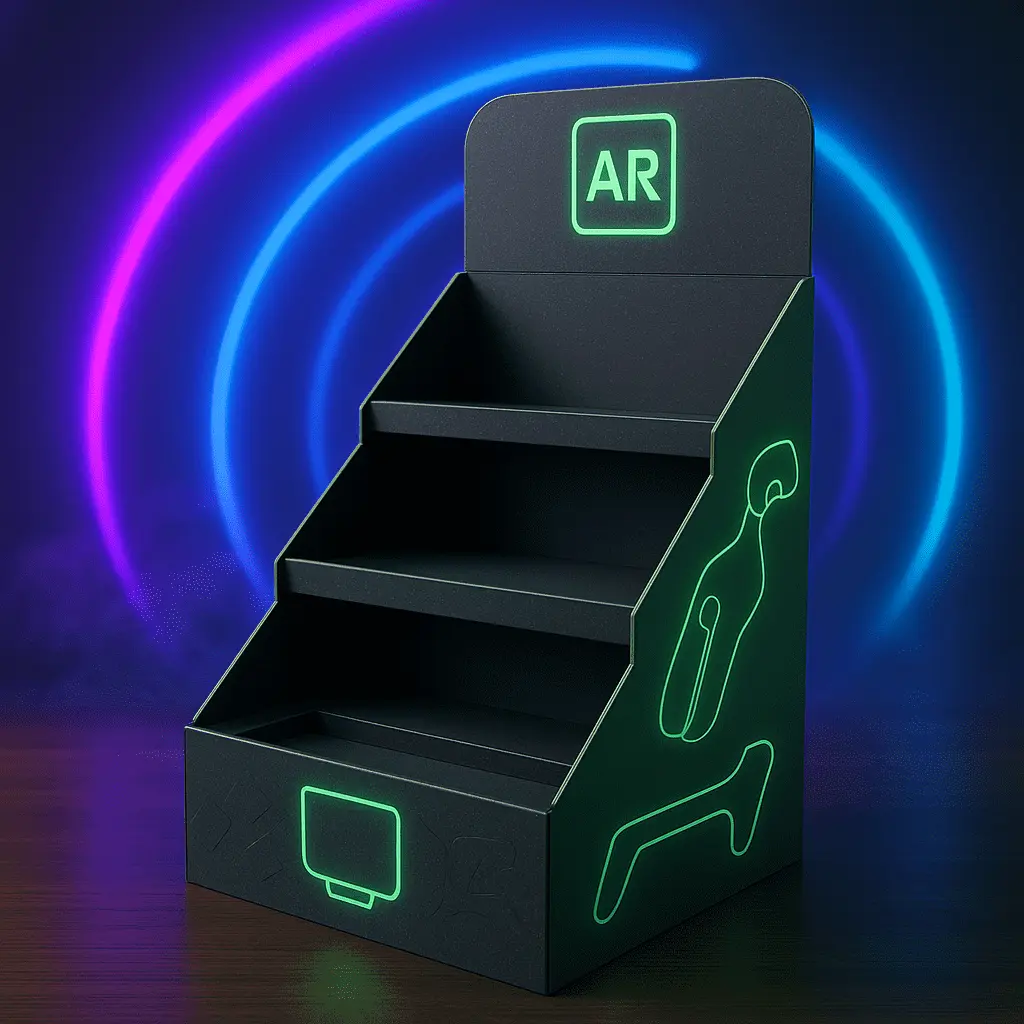
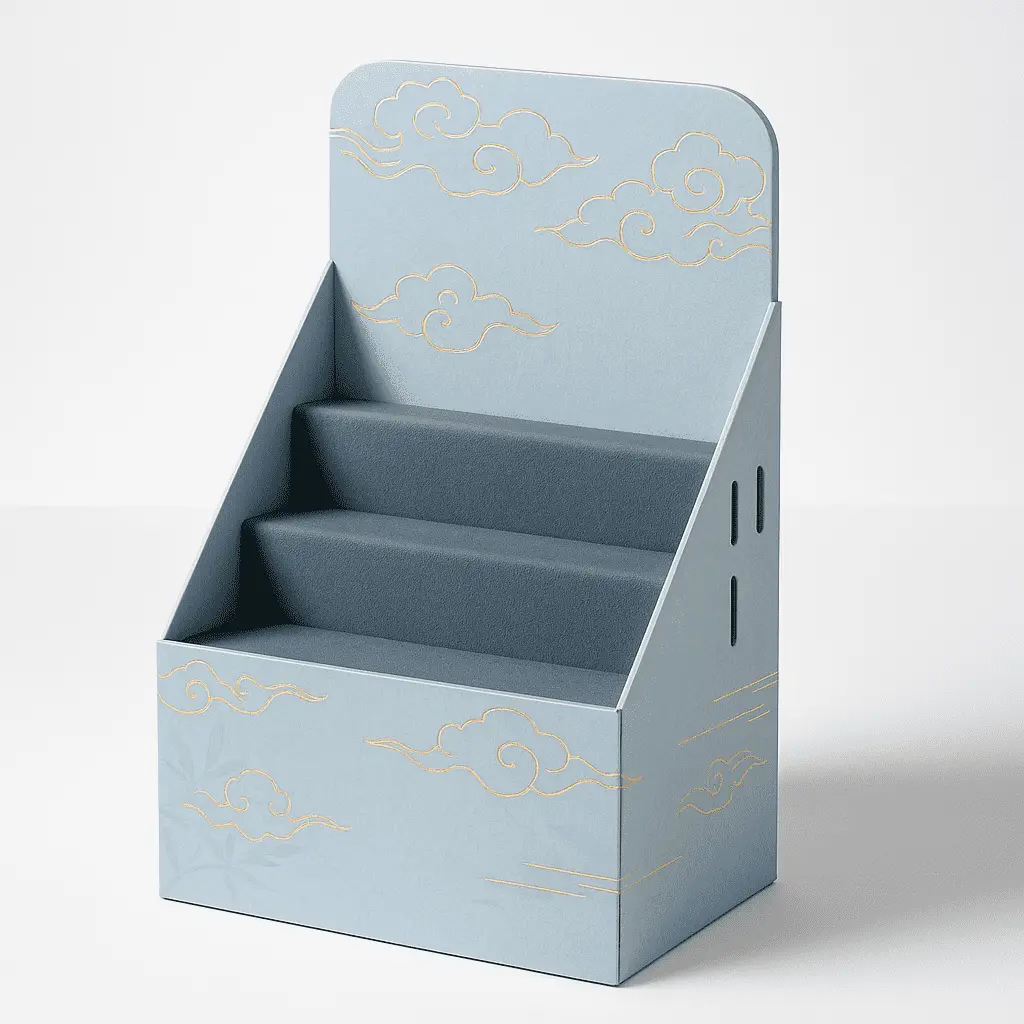
POS displays come in various forms, including countertop units, floor stands, and hanging displays. They often feature eye-catching graphics, bold colors, and informative messaging to draw customers' attention. One of the main benefits of POS displays is their ability to increase product visibility and promote brand awareness. By placing items at eye level or within arm's reach, these displays make it convenient for customers to add products to their purchase, potentially increasing the average transaction value.
Effective Placement Strategies for POS Displays
To maximize the impact of POS displays, retailers must carefully consider their placement. High-traffic areas near cash registers, entrances, or popular aisles are ideal locations. It's essential to rotate products and update displays regularly to maintain customer interest and capitalize on seasonal trends or promotions. Additionally, ensuring that POS displays don't obstruct customer flow or impede the checkout process is crucial for a positive shopping experience.
Exploring PDQ Displays: Quick and Convenient Solutions
What Are PDQ Displays and How Do They Work?
PDQ displays, which stands for Pretty Darn Quick, are pre-filled, ready-to-use merchandising units designed for rapid setup in retail environments. These displays arrive at stores fully stocked with products and require minimal assembly, allowing for quick and efficient placement on the sales floor. PDQ displays are typically made from corrugated cardboard or lightweight materials, making them easy to transport and deploy.
Advantages of Using PDQ Displays in Retail
One of the primary advantages of PDQ displays is their time-saving nature. Retailers can quickly set up these displays without the need for extensive merchandising efforts. This efficiency is particularly beneficial during peak shopping seasons or promotional periods. PDQ displays also offer flexibility in terms of placement, as they can be easily moved to different locations within the store to optimize product visibility and sales performance.
Best Practices for Implementing PDQ Displays
To make the most of PDQ displays, retailers should focus on strategic placement within the store. High-traffic areas, end caps, or near complementary products are ideal locations. It's important to ensure that PDQ displays are visually appealing and aligned with the overall store aesthetic. Regular monitoring of stock levels and replacing empty units promptly is crucial to maintain the display's effectiveness. Additionally, incorporating clear pricing information and promotional messaging can enhance the appeal of PDQ displays to customers.
Comparing POS and PDQ Displays: Making the Right Choice
Key Differences Between POS and PDQ Displays
While both POS and PDQ displays serve to enhance product visibility and boost sales, they differ in several key aspects. POS displays are typically more permanent fixtures designed for long-term use, often crafted from durable materials like metal or plastic. In contrast, PDQ displays are temporary, disposable units meant for short-term promotions or seasonal products. POS displays usually require more setup time and effort, whereas PDQ displays offer quick and easy deployment.
Factors to Consider When Choosing Between POS and PDQ Displays
When deciding between POS and PDQ displays, retailers should consider factors such as product type, sales objectives, and store layout. POS displays are ideal for high-margin items or products that benefit from impulse purchases near checkout areas. PDQ displays, on the other hand, are well-suited for new product launches, seasonal promotions, or items that require frequent restocking. Budget considerations, available floor space, and the desired duration of the display are also important factors in making this decision.
Combining POS and PDQ Displays for Maximum Impact
For many retailers, the most effective strategy involves using both POS and PDQ displays in a complementary manner. By strategically placing PDQ displays throughout the store to create interest and drive traffic, and utilizing POS displays near checkout areas to capture last-minute purchases, retailers can create a comprehensive merchandising strategy. This combined approach allows for flexibility in product promotion while maximizing sales opportunities at various touchpoints throughout the customer journey.
Conclusion
Understanding the differences between POS and PDQ displays is crucial for effective retail merchandising. POS displays excel at capturing impulse purchases near checkout areas, while PDQ displays offer quick and flexible solutions for product promotion throughout the store. By carefully considering the unique advantages of each display type and implementing them strategically, retailers can create an engaging shopping environment that enhances the customer experience and drives sales. The key to success lies in selecting the right display for specific products and promotional goals, and effectively integrating both POS and PDQ displays into a cohesive retail strategy.
FAQs
What is the main difference between POS and PDQ displays?
POS displays are typically permanent fixtures near checkout areas, while PDQ displays are temporary, pre-filled units for quick setup anywhere in the store.
Which display type is better for impulse purchases?
POS displays are generally more effective for impulse purchases due to their strategic placement near checkout counters.
Can PDQ displays be used for long-term product promotion?
While PDQ displays are designed for short-term use, they can be rotated or replaced regularly for ongoing promotions.
How do I choose between POS and PDQ displays for my products?
Consider factors such as product type, sales objectives, store layout, and promotional duration when deciding between POS and PDQ displays.
Custom POS and PDQ Display Solutions | Fetching Printing
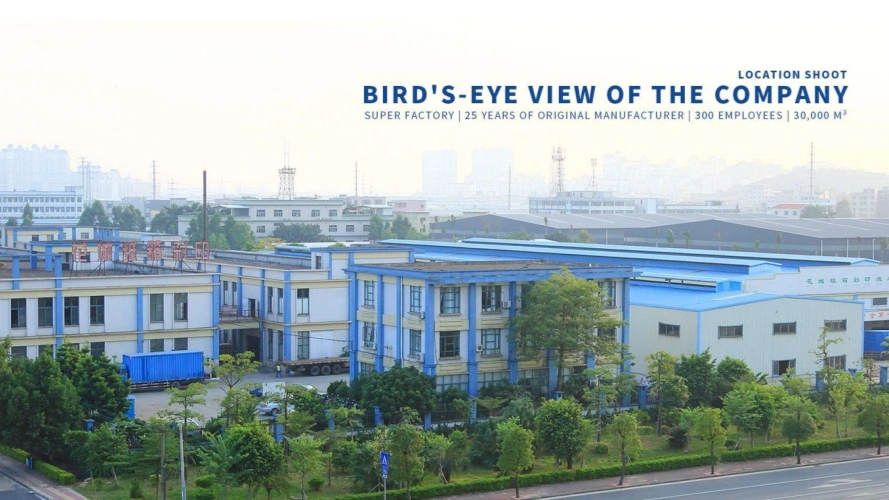
At Fetching Printing, we specialize in creating custom POS and PDQ displays tailored to your specific retail needs. As a leading manufacturer and supplier, our factory offers innovative packaging solutions that enhance product visibility and drive sales. Our team of experienced designers and engineers can develop unique display concepts that align with your brand and marketing objectives. For high-quality, customized POS and PDQ displays that make your products stand out, contact our expert team at support@fetchingprinting.com.
References
Smith, J. (2022). "Retail Display Strategies: Maximizing Sales with POS and PDQ Displays." Journal of Retail Marketing, 15(3), 78-92.
Johnson, A. & Brown, L. (2021). "The Impact of Point-of-Sale Displays on Consumer Behavior." International Journal of Retail & Distribution Management, 49(2), 215-230.
Thompson, R. (2023). "PDQ Displays: Revolutionizing Retail Merchandising." Retail Business Review, 28(4), 56-68.
Davis, M. et al. (2022). "Comparative Analysis of POS and PDQ Display Effectiveness in Grocery Stores." Journal of Consumer Psychology, 33(1), 102-118.
Wilson, E. (2021). "The Evolution of Retail Displays: From Traditional POS to Modern PDQ Solutions." Retail Science Quarterly, 17(2), 45-59.
Lee, S. & Park, H. (2023). "Optimizing Retail Spaces: Strategic Integration of POS and PDQ Displays." International Journal of Retail Design, 12(3), 189-204.