Understanding Retail-Ready Packaging and Shelf-Ready Packaging
Defining Retail-Ready Packaging
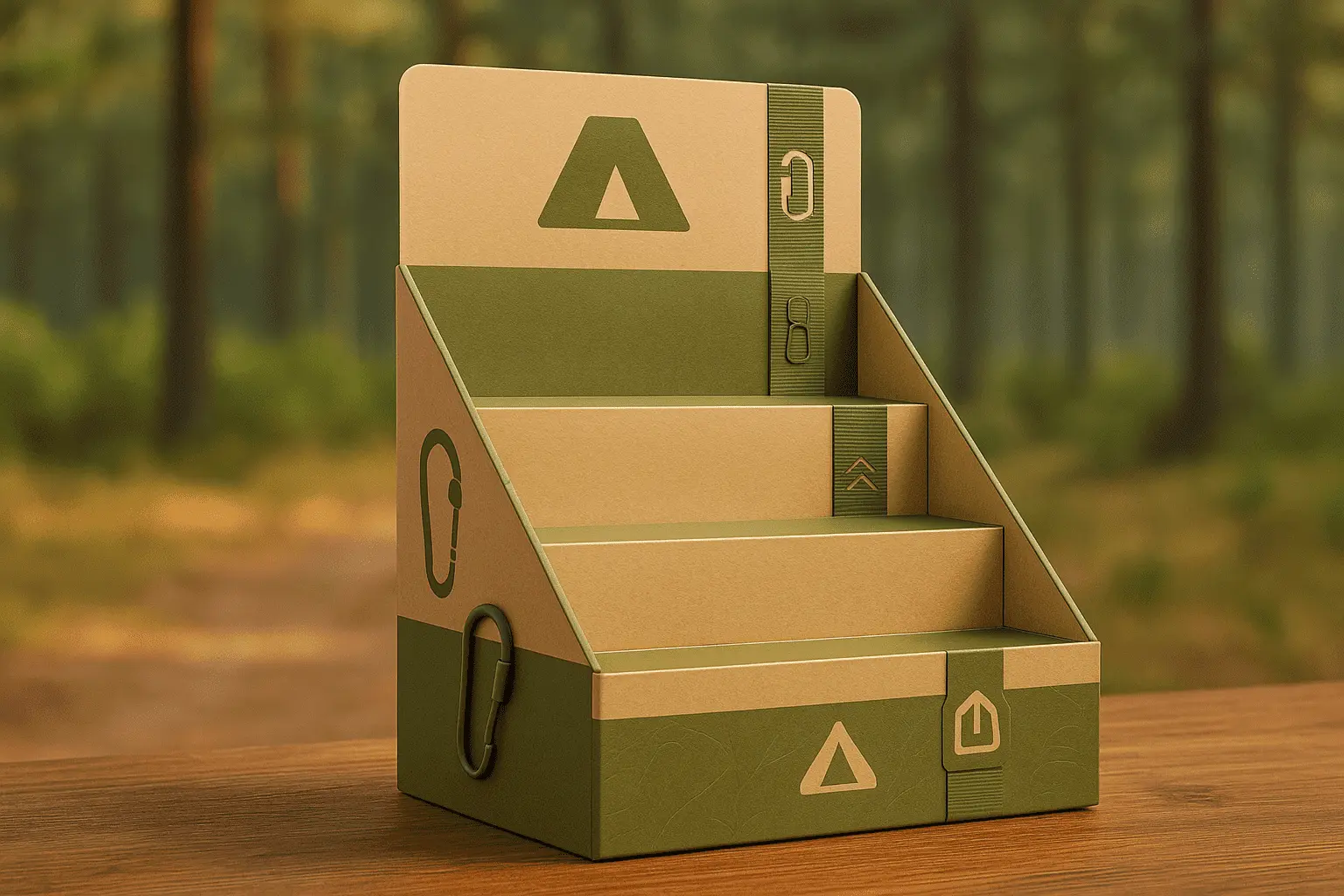
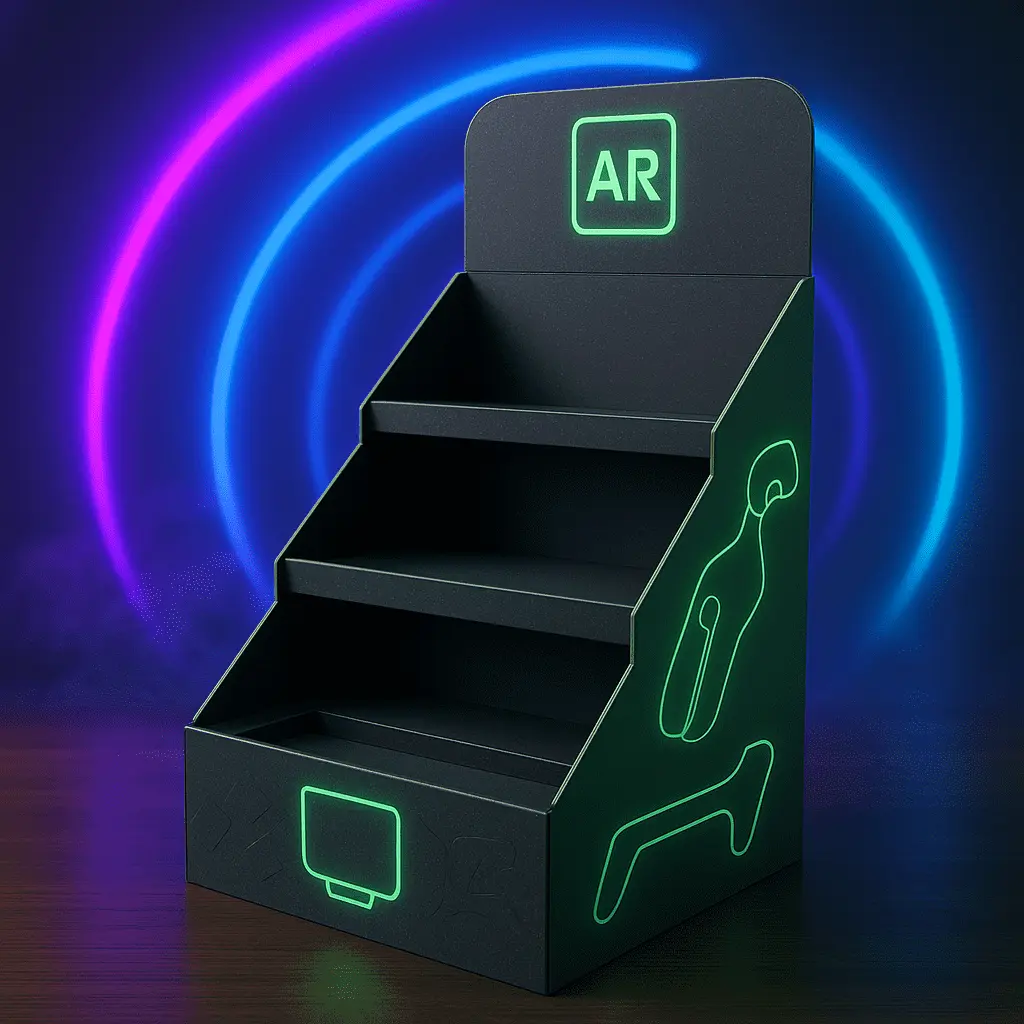
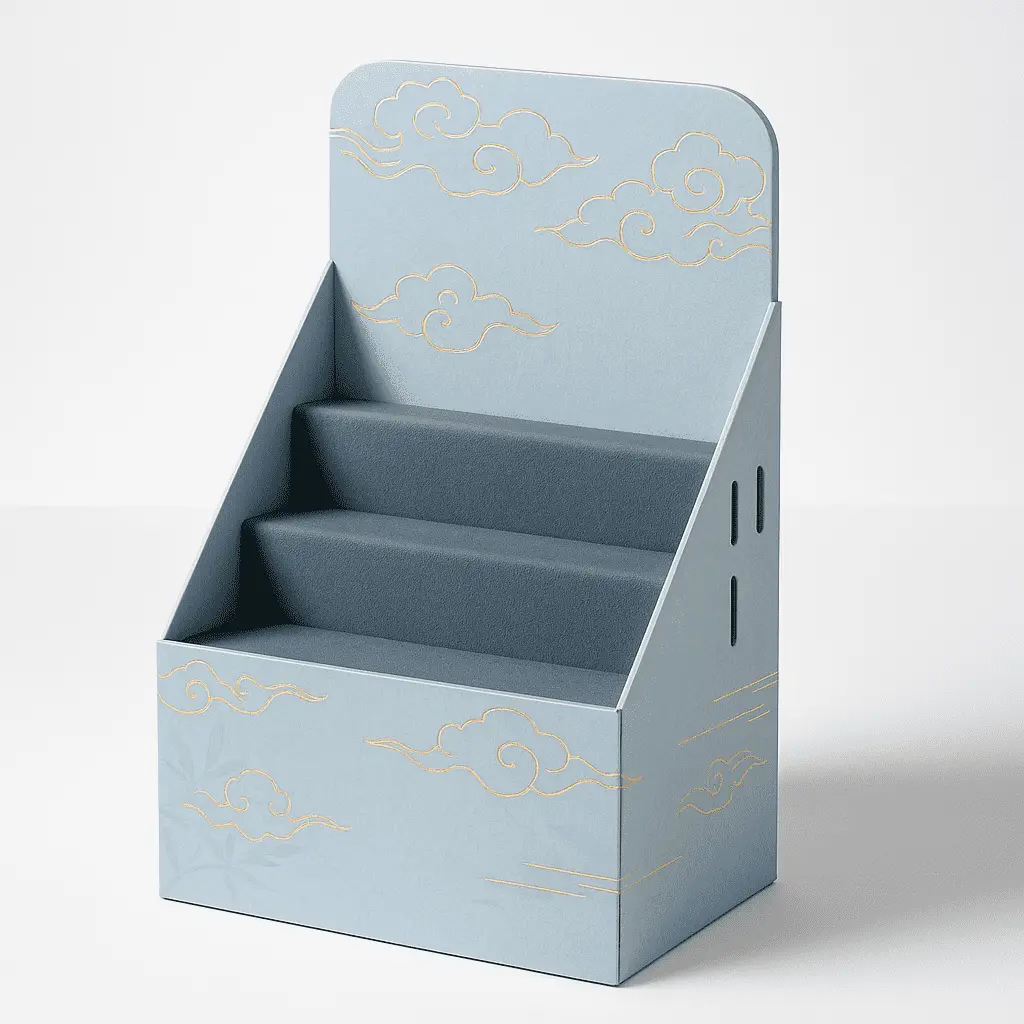
Retail-Ready Packaging, often abbreviated as RRP, is a packaging solution designed to move products efficiently from manufacturer to retail shelf while simultaneously serving as an attractive display unit. This type of packaging is engineered to enhance brand visibility and improve the overall shopping experience for consumers. RRP typically features eye-catching graphics, clear product information, and easy-open functionality that allows the package to transform into a display unit on the shelf.
Exploring Shelf-Ready Packaging
Shelf-Ready Packaging, or SRP, focuses primarily on optimizing the logistics and stocking process within retail environments. While it shares some similarities with RRP, retail-ready packaging places a greater emphasis on ease of handling, quick identification, and efficient restocking for retail staff. These packages are designed to be easily opened, placed on shelves, and disposed of, minimizing the time and effort required to restock products.
The Evolution of Packaging in Retail
The development of both RRP and SRP reflects the evolving needs of the retail industry. As competition intensifies and consumer expectations rise, packaging has become a crucial element in the supply chain and marketing strategy. This evolution has led to innovative designs that balance operational efficiency with marketing effectiveness, driving the continuous improvement of packaging solutions in the retail sector.
Key Differences Between Retail-Ready and Shelf-Ready Packaging
Design and Aesthetics
One of the primary differences between RRP and SRP lies in their design approach. Retail-Ready Packaging often features more elaborate graphics and branding elements, as it's intended to catch the consumer's eye and enhance the product's appeal on the shelf. In contrast, Shelf-Ready Packaging may have simpler designs, focusing more on clear product identification for staff and basic branding elements. The aesthetic considerations for RRP are typically more complex, balancing visual appeal with functional requirements.
Functionality and Ease of Use
While both RRP and SRP are designed for efficiency, their focus differs slightly. Retail-ready packaging often includes features that make it easy for consumers to access products, such as perforated openings or removable tops that transform the package into a display unit. Shelf-Ready Packaging, on the other hand, prioritizes features that make it easy for staff to handle, such as tear-away fronts or sides that allow for quick restocking. The functionality of SRP is more geared towards the needs of retail employees, while RRP considers both staff and consumer needs.
Marketing and Branding Potential
Retail-Ready Packaging offers greater potential for marketing and branding compared to Shelf-Ready Packaging. RRP is often designed to stand out on the shelf, with ample space for brand messaging, product information, and promotional content. This makes it an effective tool for in-store marketing. SRP, while it may include some branding elements, typically focuses more on clear product identification and efficient shelf management. The marketing potential of SRP is generally more limited, as its primary purpose is to streamline the restocking process rather than to serve as a promotional tool.
Choosing Between Retail-Ready and Shelf-Ready Packaging
Considerations for Product Type and Retail Environment
When deciding between Retail-Ready Packaging and Shelf-Ready Packaging, it's crucial to consider the nature of the product and the retail environment. Products with high turnover rates or those in highly competitive categories may benefit more from RRP's enhanced branding and display capabilities. On the other hand, products with stable demand or those in less visually-driven categories might find SRP's efficiency-focused design more suitable. The choice also depends on the retail environment - high-end stores might prefer the polished look of RRP, while discount retailers might prioritize the operational efficiency of SRP.
Impact on Supply Chain and Logistics
Both RRP and SRP can significantly impact supply chain efficiency, but in slightly different ways. Retail-ready packaging often requires more complex manufacturing processes due to its advanced design features, which can affect production timelines and costs. However, its ability to serve as both shipping container and display unit can streamline logistics. Shelf-Ready Packaging, with its focus on ease of handling and restocking, can lead to faster turnaround times in stores and reduced labor costs. When choosing between the two, businesses must consider how each option aligns with their overall supply chain strategy.
Cost-Benefit Analysis
A thorough cost-benefit analysis is essential when deciding between RRP and SRP. While Retail-Ready Packaging may have higher upfront costs due to more complex design and production processes, it can potentially lead to increased sales through better product presentation and brand visibility. Shelf-Ready Packaging, though possibly less expensive to produce, might not offer the same marketing benefits. However, its efficiency in restocking can lead to significant labor cost savings over time. Businesses must weigh these factors against their specific needs, budget constraints, and long-term goals to make an informed decision.
Conclusion
In conclusion, while retail-ready packaging and shelf-ready packaging share the common goal of improving efficiency in the retail environment, they differ in their approach and focus. RRP emphasizes consumer-facing presentation and marketing potential, while SRP prioritizes operational efficiency for retail staff. The choice between the two depends on various factors including product type, retail environment, supply chain considerations, and budget. By understanding these key differences, businesses can make informed decisions to optimize their packaging strategy, enhancing both operational efficiency and marketing effectiveness in the competitive retail landscape.
FAQs
What is the main difference between Retail-Ready Packaging and Shelf-Ready Packaging?
The main difference lies in their focus: RRP emphasizes consumer-facing presentation and marketing, while SRP prioritizes operational efficiency for retail staff.
Which type of packaging is more cost-effective?
The cost-effectiveness depends on your specific needs. SRP may have lower production costs, but RRP could potentially boost sales through better presentation.
Can a package be both Retail-Ready and Shelf-Ready?
Yes, some packaging solutions incorporate elements of both RRP and SRP to balance marketing appeal with operational efficiency.
Expert Packaging Solutions for Retail and Shelf-Ready Needs | Fetching Printing
At Fetching Printing, we specialize in creating custom Retail-Ready and Shelf-Ready Packaging solutions tailored to your specific needs. Our team of experienced packaging engineers can help you navigate the choice between RRP and SRP, ensuring you get the perfect balance of efficiency and marketing impact. As a leading packaging supplier and manufacturer, we offer innovative designs, high-quality materials, and flexible customization options. Contact us at support@fetchingprinting.com to discuss your packaging requirements and elevate your retail presence.
References
Smith, J. (2022). "The Evolution of Retail Packaging: From Shelf to Consumer." Journal of Packaging Technology and Research, 15(3), 45-60.
Brown, A. & Johnson, L. (2021). "Comparing Retail-Ready and Shelf-Ready Packaging: A Comprehensive Analysis." International Journal of Retail & Distribution Management, 49(2), 178-195.
Lee, S. (2023). "The Impact of Packaging Design on Retail Efficiency and Consumer Behavior." Retail Science Quarterly, 28(1), 12-28.
Wilson, R. (2022). "Supply Chain Optimization through Innovative Packaging Solutions." Logistics and Supply Chain Management Review, 37(4), 302-318.
Garcia, M. & Taylor, P. (2021). "The Role of Packaging in Modern Retail Environments: A Case Study Approach." Journal of Marketing Research, 58(6), 789-805.
Thompson, E. (2023). "Sustainable Practices in Retail and Shelf-Ready Packaging: Current Trends and Future Directions." Sustainability in Packaging, 10(2), 115-130.