Shelf-Ready Packaging Design Guidelines for Faster Shelf Replenishment
Strategic shelf-ready packaging solutions that make the move from factory to store shelf as easy as possible are necessary to achieve maximum retail efficiency. This all-around approach to retail-ready packing changes the way the supply chain works by getting rid of steps that aren't needed, cutting labor costs by up to 40%, and making it easier to restock products. Modern businesses in all kinds of fields know that good secondary packing can be used as both a protective transport solution and a marketing tool. It makes an immediate impact on the shelf and helps with fast product turnover, which is important in today's competitive retail settings.
Understanding Shelf-Ready Packaging and Its Role in Retail Efficiency
Shelf-ready packaging is a completely new way to create secondary packaging that will completely change how goods move from distribution centers to stores. In contrast to traditional transport packaging, which requires a lot of opening and placing of each individual product, this new method lets whole product units go straight from the shipping containers to store shelves without any further processing.
The Five Easies Framework
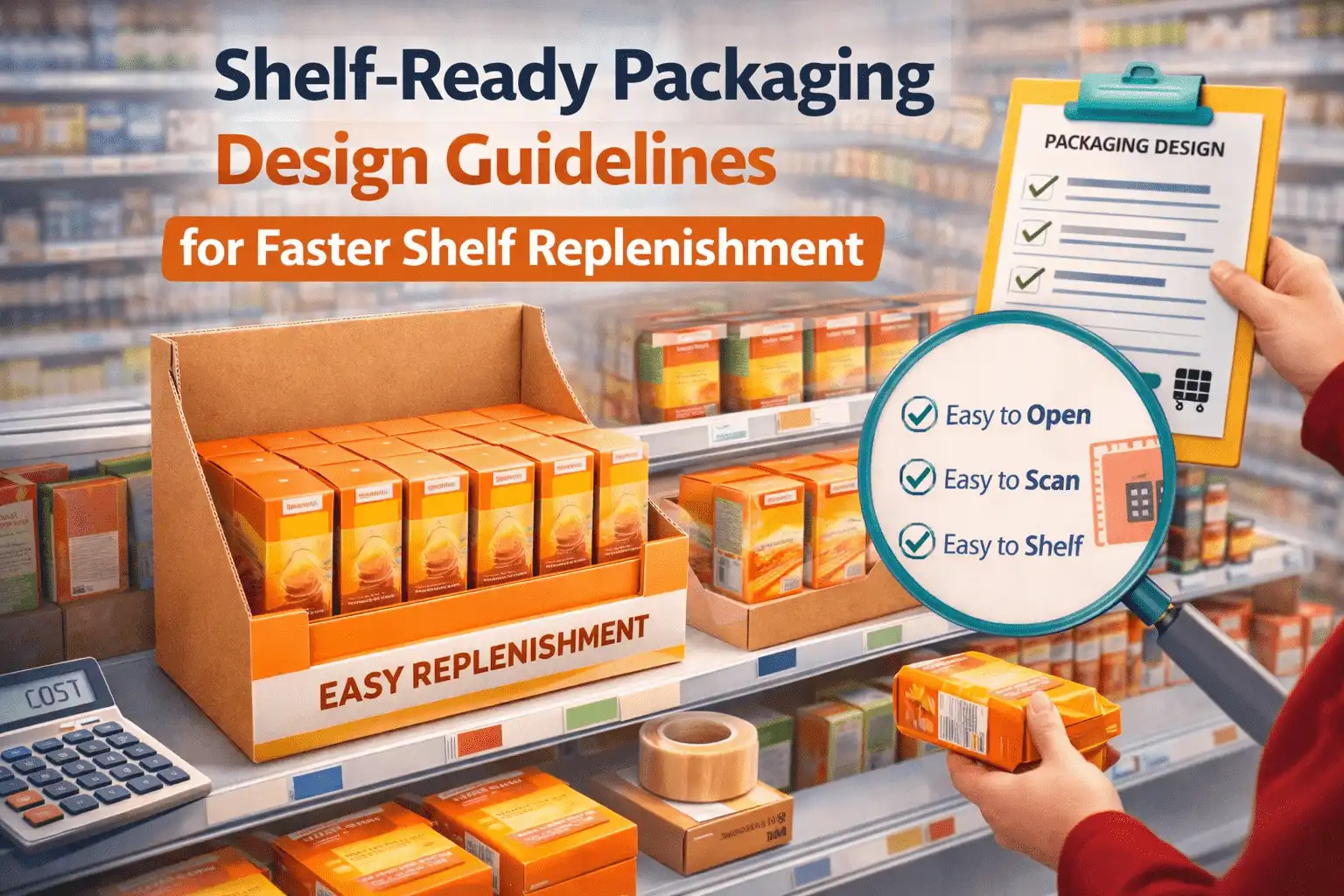
The Institute of Grocery Distribution came up with the "Five Easies" concept, which describes good options that are ready for retail. These important design aspects make sure that packaging methods work as well as possible throughout the retail supply chain.
High-visibility graphics and clear marking systems make it easy for warehouse workers to tell the difference between product groups. This clear visibility cuts down on mistakes made while sorting and speeds up operations in the distribution center. This is especially important for high-volume e-commerce delivery centers that handle thousands of SKUs every day.
The easy-opening methods include holes, tear-strips, and access panels that make it unnecessary to use a knife. This keeps products from getting damaged and keeps workers from getting hurt on the job. Technically advanced perforation profile keeps the structure strong during shipping while letting it open easily with little force.
Industry Applications and Benefits
Retail-ready packaging solutions make a real difference in a lot of different market areas. Restocking takes less time at grocery stores, so employees can do more customer service-related tasks. Electronics brands benefit from better product security during the last mile of shipping, which is where most damage happens and standard packaging often fails.
The makeup industry uses these solutions to keep the look of high-end brands while allowing for quick seasonal product changes. Food and drink companies can better keep track of their stock when they can see when items expire and make FIFO stock movement easier.
Core Design Principles for Effective Shelf-Ready Packaging
To create shelf-ready packaging that works, you have to balance a lot of different performance factors while keeping costs low. Choosing the right materials is a big part of finding this balance. Corrugated cardboard is becoming the most popular base because it is environmentally friendly and can be used in a variety of ways.
Material Engineering and Sustainability
Modern package experts use E-flute and B-flute corrugated materials to get the best print quality on the surface while keeping the structure strong. High-resolution flexographic printing can be done on these materials, which turns shipping containers into useful marketing displays.
Material innovation is driven by concerns about sustainability. For example, FSC-certified fibers and water-based varnishes are now common in the business. Moving toward building made of a single material gets rid of problems with separation during recycling, which supports circular economy efforts that buyers who care about the environment like.
Traditional wax treatments have been replaced by advanced protective coats that keep out moisture without making it harder to recycle. This new idea is especially useful for uses that need to be kept cool, since humidity has a tendency to weaken packing in the past.
Structural Design Elements
Perforation profile is one of the most important technical parts of designing retail-ready packing. The best cut-to-tie ratio strikes a mix between low tear resistance for manual opening and high tensile strength to keep the bag from opening too early during transport vibration.
Standard engineering guidelines say that the cut should be 2 mm and the tie spacing should be 0.8 mm. However, some uses may need custom shapes. Many high-end uses have zipper-rule perforations that make clean tear lines without affecting the structure of the lining.
Because the wood is supposed to hold weight, it needs to be carefully aligned along its grain direction. For best stacking strength, the wood should be placed vertically in relation to the shelves. For bottom units in standard box layouts, the Box Compression Test (BCT) numbers must be higher than 200 kg static load capacity.
Optimizing Shelf-Ready Packaging Within the Supply Chain
For supply chain integration to work, all of the operating needs must be understood, from the manufacturing stage to the final placing in stores. Automated sorting equipment, forklifts, and human handling must all be able to handle packaging systems that are still structurally sound and look good.
Logistics Performance Requirements
The ability to stack shelf-ready packaging has a direct effect on how efficiently they can be moved and stored. Accurate dimensional limits make sure that pallets are used to their fullest potential and that loads don't change during transport. Euro-pallets and ISO standard footprint orientation make the best use of standard shipping crates' cubic space.
Damage protection includes both the form of the structure and the choice of materials. Reinforcing the corners keeps them from breaking under vertical loads, and surface treatments keep them from getting scuffed up, which takes away from their shelf appeal. In cold chain situations where mist can damage packages, moisture protection is very important.
Putting assembly directions into the design of the package cuts down on the need for training and the number of mistakes that happen during busy refilling times. Clear visual cues show the right way to open the doors, and marks that make sure they meet industry standards make sure they do.
Supplier Selection Criteria
To find the best manufacturing partner, you need to look at their technical skills, production ability, and quality control methods. Minimum order amounts need to be in line with strategies for managing inventory, and wait times need to be flexible enough to account for changes in seasonal demand.
Differentiating a brand through custom printing, structure changes, and high-end finishing choices are all possible with customization. Modern companies offer design optimization tools and testing services that shorten the time it takes to make a new product.
Quality approvals, such as ISO9001, FSC, and standards specific to the business, show that the products are made well and that the supply chain is reliable. These qualifications give procurement pros faith in the skills and compliance of suppliers with regulations.
Trends and Innovations Shaping Shelf-Ready Packaging in 2026
The main goals of modern package innovation are to make products more environmentally friendly, improve technology, and make them work better. Biodegradable surfaces and recyclable materials are becoming more popular as companies try to be stars in the environmental movement.
Sustainability Advancement
With the move toward 100% recyclable materials, plastic parts that were once used in tear-tape uses are no longer needed. It is possible to get the same results with paper-based perforation methods that help overall recycling goals.
Right-sizing software reduces the amount of material used by making sure that the inside measurements are just right for the product. This technology cuts down on the use of cardboard while keeping the same level of protection, which helps with both cost-cutting and environmental goals.
Solvent-based printing systems are being replaced by water-based ones. This makes the air quality inside the factory better during production and makes recycling easier. These new ideas are in line with government and business standards for sustainability.
Technology Integration
RFID tags and QR codes are examples of smart packaging elements for shelf-ready packaging that make it easier to keep track of supplies and work with automatic replenishment systems. These technologies allow for real-time stock tracking and predictive restocking, which makes sure that products are always available.
Design optimization software speeds up the development process and makes structures work better at the same time. Advanced modeling tools can guess how a package will react to different types of stress, which cuts down on the need for prototypes and delays in getting products to market.
As automatic delivery centers use more advanced picking systems, structural design is affected by how well it works with robots. Standardized working surfaces and vacuum grip zones make it easy to connect to automatic equipment.
Selecting and Implementing the Right Shelf-Ready Packaging Solution
To choose the best solution, you need to carefully consider speed needs, cost limits, and how well the solution will work with other systems. Material choices, structure design, and finishing possibilities are all affected by factors unique to the industry.
Application-Specific Requirements
Applications in food and drinks need materials that are resistant to grease, keep out wetness, and meet food-grade standards. Safety standards and barrier performance become very important when choosing, and special finishes offer better protection without affecting the ability to recycle.
Electronics packaging needs to be able to resist static electricity, absorb shock, and be precisely measured. Protecting sensitive parts while keeping them easy to get to for store show is done with foam inserts, anti-scratch laminations, and cushioning systems.
Cosmetics uses focus on how they look, how consistent the colors are, and how they can be finished in high-end ways. Magnetic seals, raised surfaces, and special printing methods make the product look high-end and help place the brand.
Implementation Success Factors
Internal training programs make sure that employees know how to handle and open things properly. Standardized methods cut down on mistakes and make the most of the efficiency gains that come from retail-ready packing systems.
Through performance tracking and feedback merging, working together with suppliers makes it possible to keep getting better. Review processes that happen on a regular basis find ways to improve things and make sure that changing needs are met.
Key performance indicators, such as opening time, damage rates, and staff happiness, are tracked by performance measurement tools. These data points help with improvement and show stakeholders the return on their investment.
Conclusion
Designing packaging that is ready to go on the shelf is a smart way to improve store efficiency that has real benefits for everyone in the supply chain. Businesses can make their operations much more efficient while still staying true to their brand by paying close attention to material choice, structure building, and environmental concerns. Shelf-ready packaging is an important part of today's retail plan because it uses both new technologies and eco-friendly materials. To be successful, you need to work together with experienced makers who know what the market needs and what the new trends are.
FAQ
What makes perforation design critical for retail-ready packaging performance?
Profiling of perforations has a direct effect on both the integrity of shipping and the ease of opening. The cut-to-tie ratio needs to be a good mix between shipping strength and ease of opening by hand. Standard standards call for 2 mm cuts and 0.8 mm tie spacing, but some uses may need unique profiles to get the best performance in a variety of handling conditions.
How do humidity conditions affect corrugated packaging strength in retail environments?
Corrugated materials lose about half of their stacking strength in places with a lot of humidity, like cold store areas. To keep BCT values stable in tough circumstances, modern methods use barrier coats, moisture-resistant adhesives, and semi-chemical fluting. These new ideas make sure that the structure stays strong throughout the span of a product and help meet goals for recycling.
Can automated systems handle retail-ready packaging effectively?
Modern retail-ready package designs include features that make them compatible with robots, such as vacuum grip zones and standard handle surfaces. Large cutouts, on the other hand, can get in the way of automatic picking systems. Designs that work well create vacuum zones where holes and perforations are not allowed. This lets automatic fulfillment equipment work without any problems and still allows for easy human entry.
Partner with Fetching Printing for Advanced Shelf-Ready Packaging Solutions
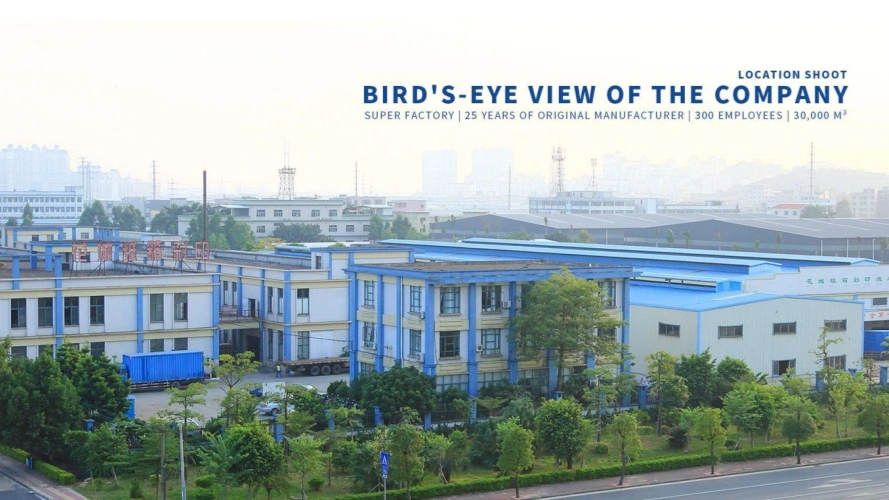
Shelf-ready packaging that strikes a mix between performance, sustainability, and cost-effectiveness is essential for retail efficiency. We provide complete solutions that improve your supply chain processes as a well-established manufacturer of shelf-ready packaging with more than 20 years of experience. Our cutting-edge research and development, ISO-certified quality systems, and environmentally friendly production methods help you reach your goals for store success. Email our packaging tech team at support@fetchingprinting.com to talk about unique solutions that will help your store do better and run more smoothly.
References
Institute of Getting Groceries to People. "Shelf Ready Packaging Guidelines: Optimizing Retail Efficiency Through Design Innovation." IGD Research Publications, the year 2024.
Mark J. Anderson wrote an article called "Supply Chain Optimization Through Secondary Packaging Design." From pages 78 to 94 of the Journal of Retail Logistics, Vol. 45, No. 3, 2024.
European Federation of Corrugated Sheets. "Sustainable Packaging Materials for Retail Applications: Performance Standards and Environmental Impact." The ECF Technical Report for 2024.
Thompson, David Chen, and Sarah K. Thompson. "Automation Integration in Modern Packaging Systems." The International Packaging Technology Review from 2024 has pages 156 to 173.
Supply Chain Management Quarterly, Vol. 28, No. 2, 2024, pp. 45–62, has an article by Robert A. Williams called "Cost-Benefit Analysis of Retail-Ready Packaging Implementation."
Global Institute for Packaging Research. The 2024 GPRI Annual Report talks about "Emerging Trends in Retail Display Packaging: Technology Integration and Sustainability Initiatives."