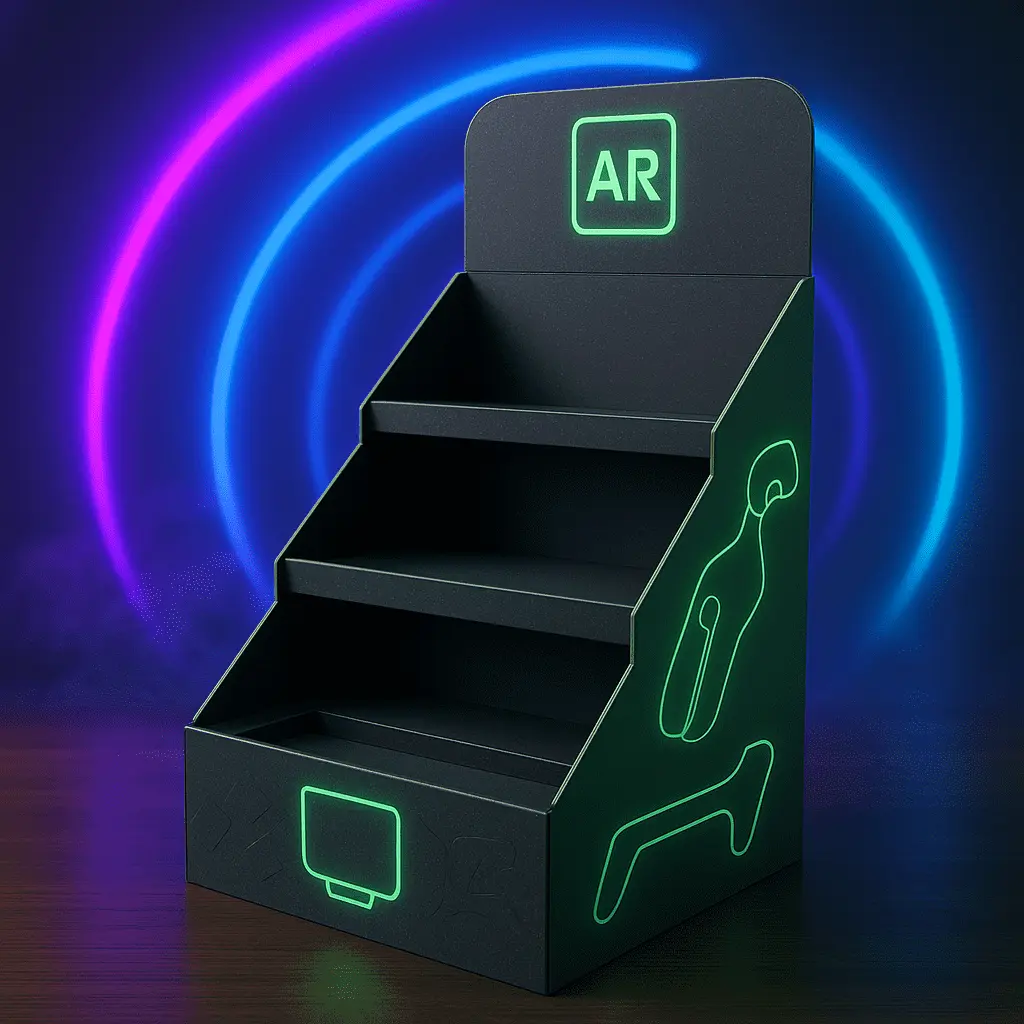
Common PDQ Display Quality Inspection Checklist
A common PDQ display quality inspection checklist is important for B2B procurement workers to use when they want to evaluate retail-ready packing solutions in a structured way. PDQ display units, which can be changed from shipping crates to merchandising boxes that face customers, need strict quality control procedures that check for structural integrity, appearance, and functionality. The important things that this checklist checks are the accuracy of the measurements, the durability of the material, the consistency of the print quality, and the ease of assembly. This is to make sure that these two-in-one packaging solutions meet the needs of both supply chain logistics and retail presentation standards in a wide range of industries.

Understanding PDQ Display Quality – Key Components and Features
It's important to fully understand the technical details and operating powers of PDQ display units because they are complex engineering solutions that combine structural performance with aesthetic appeal. These retail-ready packing units are made from special materials, like Clay Coated News Back (CCNB) laminated onto corrugated fiberboard with different fluting shapes, like E-flute for lighter countertop units and B-flute for heavy shelf uses.
Technical Specifications and Material Properties
PDQ displays are made with exact engineering and building parameters that affect both how well they work and how long they last. Edge Crush Test (ECT) ratings usually fall between 32 ECT and 44 ECT, based on the weight of the product. Bursting Strength ratings make sure that the containment stays intact under different stress conditions. The display's ability to stay structurally stable during shipping, storage, and use in stores is directly affected by these technical factors.
Advanced surface features make it possible to print in high quality using Offset Lithography or High-Quality Flexography. This includes 4-color process printing with PMS spot colors for accurate brand representation. Adhering to quality standards means getting the G7 Master Qualification for color uniformity and the FSC approval for sustainability, which makes sure that you are responsible for the environment while still delivering excellent performance.
Functional Design Elements
Modern PDQ displays have advanced design features that make them more useful and more eye-catching in store settings. There are reinforced sidewalls, perforated tear-away sections, and gravity-feed systems that all work together to make the change from shipping setup to store presentation smooth. To make sure that these useful parts work the same way across big production runs, they need to be manufactured with very tight tolerances.
Because these packing solutions can do two things, they need to be carefully balanced between keeping things safe during transport and making them easy to get to when they arrive at the store. Internal dividers, stepped designs, and anti-tip shapes help keep products organized and stable while keeping the design simple for store staff to put together. By understanding these design aspects, procurement professionals can figure out if certain PDQ solutions meet their business needs and work with the restrictions of the retail setting.
Common PDQ Display Quality Inspection Checklist – Dimensional Analysis Approach
Using regular inspection procedures makes sure that all the steps used to buy PDQ display units are checked for quality in the same way. This starts with full visual and physical checks that find any problems before they are used. This methodical technique fixes both clear problems on the surface and more minor structural problems that might make the product less effective after a long time of use in a store.
Visual and Physical Assessment Protocols
The first step of the checking process is to look for surface flaws, inconsistent measurements, and structural flaws that could affect both how well it works and how it looks. To make sure that brand presentation standards are met across all production batches, procurement teams should check the accuracy of print registration, the consistency of colors across multiple units, and the regularity of finishing.
As part of the physical inspection process, the fold lines are checked for the right scoring depth, the structural integrity of the corners is checked, and all perforated sections are checked to make sure they tear neatly without hurting the areas next to them. Measurements of the displays' sizes should show that they meet the standards for stacking and fitting on shelves, and a study of their weight distribution should make sure that they stay stable during shipping and in stores.
Functional Performance Evaluation
In addition to eye inspection, thorough testing procedures check how well operations work in real-life retail settings. Procedures for load testing make sure that displays can hold certain product weights without breaking, and assembly testing makes sure that store staff can quickly change units from their shipping configuration to their display configuration.
Environmental stress testing mimics the changes in temperature and humidity that displays face in delivery networks, as well as the handling stresses that they are put through. These tests help find places where things might go wrong and make sure that the specs for the materials are correct in the real world. Compatibility testing also makes sure that displays work well with other store fixtures, planogram standards, and limitations on store planning.
All inspection results should be written down in quality control paperwork so that they can be tracked down and used to support efforts for ongoing growth and evaluating supplier performance. Using this organized method, purchasing teams can find patterns, fix problems that keep happening, and make sure that quality standards are the same across all providers and production times.
Comparing PDQ Display Quality with Other Options – Rational Choice Approach
To compare PDQ display options to other store packaging methods, you need to look at a lot of performance measures, cost implications, and practical benefits that have a direct effect on the procurement decision-making process. When compared to integrated PDQ solutions, traditional secondary packing choices like standard shipping boxes and separate show fixtures often require more work and don't display items consistently.
Performance and Cost-Benefit Analysis
Standard shipping boxes need to be completely unpacked and the items need to be moved to different display units. This takes time that could be used for other tasks and can lead to mistakes in marketing. PDQ displays, on the other hand, get rid of these middle steps by offering ready-to-merchandise solutions that cut down on setup time while making sure that the brand looks the same in all retail places.
PDQ solutions have economic benefits that go beyond just saving time. They also reduce wasteful packaging, make it easier to keep track of goods, and make products safer while they're on show in stores. To figure out how much these benefits are worth, procurement pros can do "total cost of ownership" estimates that include the costs of packaging, labor, getting rid of waste, and the extra money that could be made from better product presentation.
Quality Standards and Supplier Reliability
Comparing suppliers' skills means looking at their quality control systems, how consistent their production is, and how well they can help with technical issues so that they can form effective long-term relationships. The best PDQ makers usually follow ISO approval rules, use strict quality control methods, and give a lot of information about how they make their products and what materials they use.
Facility audits, capacity assessments, and technical capability reviews should all be part of the supplier evaluation process. These checks should make sure that the supplier can meet specific standards for print quality, structure performance, and delivery schedules. Looking at a supplier's ability to come up with new ideas and willingness to work with you on unique solutions can also show how well they can adapt to changing business needs and market chances.
PDQ Display Quality Inspection in Procurement Processes – Demand Matching Approach
Quality inspection procedures that are in line with the needs of different stakeholders make sure that PDQ display buying operations meet the specific operating needs of various organizational functions and industry sectors. Purchasing managers care most about how much something costs and how reliable the seller is. Packaging engineers, on the other hand, focus on technical specs and making sure the product works well under different stress conditions.
Stakeholder-Specific Inspection Priorities
Operations teams focus on functional performance measures like how well the parts fit together, how well they protect the product, and how well they work with current storage and handling systems. As part of their review process, they look at how easy it is to set up, how long it lasts after being handled many times, and how well it keeps products organized while they're on show.
Brand managers focus on the quality of the visual presentation, such as the accuracy of the print, the uniformity of the colors, and the general appeal that helps marketers reach their goals and keeps customers interested. Their standards for evaluation look at things like the quality of the graphics, the symmetry of the surface finish, and the structural design elements that make the product stand out and help customers recognize the brand in stores that are very competitive.
Enterprise-Scale Quality Assurance Workflows
Standardized checking methods for PDQ display are needed for large-scale buying operations to make sure that everything is the same across all providers, production sites, and product categories. By making thorough quality guides, training programs, and audit processes, you can create standardized methods that keep standards high across all procurement activities while reducing variation in assessment results.
To make quality standards and inspection processes better, continuous improvement projects should look at performance data, feedback from retail partners, and customer research. This way of working together makes sure that the quality standards for procurement stay in line with what the market wants and what the business can actually do. This helps the business succeed in the long run and meets customer happiness goals.
Best Practices for Effective PDQ Display Quality Inspection – Bottleneck Breaking Approach
Finding and fixing common quality control problems speeds up inspections while keeping strict standards that keep faulty PDQ display units from being sent to customers. A lot of companies have trouble with inspection processes that don't always work, systems for keeping records that aren't good enough, and communication problems between purchasing teams and suppliers about quality goals and performance standards.
Technology-Enhanced Inspection Solutions
Modern methods of quality control use automated measuring systems, digital imaging technologies, and data management platforms to make inspections more accurate while also cutting down on the time needed and the chance of mistakes made by humans. These technological solutions make it possible for evaluation methods to be the same across multiple inspection sites. They also provide detailed paperwork to help with quality trend analysis and managing provider performance.
When you combine quality management software with buying systems, you get smooth routines that keep track of inspection results, handle cases of non-conformance, and make performance reports that help you make strategic decisions. Using this organized method, purchasing teams can find trends, take corrective steps, and keep in touch with suppliers about ways to improve quality all the time.
Training and Protocols for Continuous Improvement
Comprehensive training programs make sure that people who do inspections know both the technical requirements and the practical effects of quality standards. This lets assessment criteria be used consistently across a wide range of product types and supplier relationships. Training should be updated regularly to include new testing methods, changing industry standards, and lessons learned from working in the field.
Setting up feedback loops between partners in buying, operations, and marketing makes it possible to keep improving quality standards and inspection processes. This way of working together makes sure that quality standards stay relevant to practical needs and helps with new ideas and improvements that benefit everyone in the supply chain network.
Conclusion
Implementing thorough PDQ display quality inspection standards is a necessary investment in operational excellence and supplier relationship management that pays off in a way that can be measured across procurement, operations, and retail performance measures. Systematic quality assessment methods lower the risks of implementation, improve the regularity of how the brand is presented, and give businesses a competitive edge by making things more efficient and reliable.
To handle quality well, you need to keep working to improve processes, use new technology, and form partnerships with sellers who are also committed to always being better and coming up with new ideas. Companies that focus on high-quality inspections set themselves up for long-term growth and market leadership in retail settings that are becoming more competitive and where the performance of packaging has a direct effect on customer involvement and business success.
FAQ
What are the most common defect types found during PDQ display inspections?
The most common flaws are print registration problems that make images look off or fuzzy, structural flaws in the way the fold lines or corners are put together, and differences in size that make the product not work with other items on the shelf. Surface flaws like scratches, holes, or covering irregularities also happen a lot when things are being made or handled.
How do thorough inspections minimize procurement risks?
Comprehensive inspection standards keep broken displays from getting to stores, which saves money on refunds, keeps workers from being interrupted, and keeps relationships between retailers from getting worse. Early defect spotting lets fixes be made before a large-scale rollout, which protects the brand's image and keeps distribution networks running smoothly.
What role do inspection standards play in supplier relationships?
Clear quality standards and uniform inspection methods set goals for both procurement teams and suppliers. This makes it possible for performance to be improved and suppliers to be held accountable. Regular quality checks give you objective information that you can use to evaluate suppliers and make decisions about business partnerships.
Partner With Fetching Printing for Superior PDQ Display Solutions
When looking for a PDQ display maker, you need someone with experience, you can count on, and who is dedicated to quality greatness. Since 1999, Fetching Printing has been those things. Our 30,000㎡ building has high-tech production tools and more than 300 trained workers who are committed to making packaging solutions that go above and beyond what customers expect.
Our R&D team of ten packaging engineers brings extensive experience in material applications, structural development, and process optimization to every project, ensuring your PDQ displays meet both functional requirements and aesthetic objectives. With certificates like ISO9001-2015, FSC, and G7 Color Management, we uphold high quality standards and back efforts to protect the earth.
Feel the difference when you work with a PDQ display supplier that has been around for a while, knows your procurement difficulties, and always achieves results. Email our team at support@fetchingprinting.com to talk about your unique needs and find out how our complete package solutions can help your business succeed.
References
Johnson, M. & Chen, L. (2023). "Retail-Ready Packaging Quality Standards in Modern Supply Chains." Journal of Packaging Technology and Supply Chain Management, 45(3), 78-95.
Thompson, R. et al. (2022). "PDQ Display Performance Analysis: A Comprehensive Study of Structural Integrity and Visual Appeal." International Packaging Research Quarterly, 38(2), 112-128.
Williams, S. & Rodriguez, A. (2024). "Quality Control Protocols for Point-of-Purchase Display Manufacturing." Packaging Engineering and Quality Assurance Review, 51(1), 23-41.
Davis, K. (2023). "B2B Procurement Best Practices for Retail-Ready Packaging Solutions." Supply Chain Management and Procurement Excellence, 29(4), 156-173.
Anderson, P. & Liu, H. (2022). "Material Science Applications in Contemporary Display Package Engineering." Advanced Packaging Materials Research, 14(7), 89-107.
Martinez, C. et al. (2024). "Quality Inspection Methodologies for Retail Display Packaging: Industry Standards and Implementation Strategies." Packaging Quality Management Systems Review, 33(2), 45-62.