Sustainable PDQ Display Manufacturing: What Buyers Should Ask
When buyers look for sustainable PDQ display making, it gets trickier to find a solution that meets both environmental responsibility and useful performance needs. Because these retail-ready packing solutions can be used as both shipping containers and quick merchandising displays, it is hard to make them in a way that doesn't harm the environment. If you know what questions to ask possible sellers, you can tell the difference between really being environmentally friendly and falling for greenwashing schemes that don't help the environment.

Understanding the Challenges in Sustainable PDQ Display Manufacturing
The path to environmentally friendly point-of-sale display production has many challenges that buyers need to be aware of before they work with providers. The biggest problem is getting the materials, since standard display making relies on new paperboard, coatings made from petroleum, and glues that can't be recycled. During the whole lifetime of a product, these materials cause trees to be cut down, carbon emissions to build up, and trash to pile up.
Environmental Impact Throughout the Production Cycle
The environmental impact of traditional display production is made worse by wasteful manufacturing. Chemical garbage removal, processes that use a lot of energy, and coating applications that need a lot of water are all big problems for the environment. A lot of sites don't have full environmental management systems, which wastes resources and causes pollution that aren't needed.
Supply chain problems make environmental attempts even harder. A lot of the time, raw materials have to travel long distances, which increases the pollution caused by transportation. Buyers can't be sure of the real environmental effect of the things they buy because sourcing methods aren't always clear.
Integration of Eco-Friendly Materials and Practices
To deal with these problems, forward-thinking companies use recycled cardboard, which is usually made from 70% to 100% post-consumer trash. Instead of standard plastic laminations, biodegradable coatings can be used, and water-based inks can get rid of volatile organic substances. To keep these new materials' structural stability and good looks, which are important in store settings, they need to be carefully engineered.
Certified green production methods include ways to save water, make factories more energy efficient, and cut down on waste. The ISO 14001 Environmental Management System certification sets a framework for improving environmental performance over time. This makes sure that promises to be sustainable are kept and that results can be measured.
Essential Sustainability Criteria Buyers Should Evaluate
Teams in charge of buying things for PDQ display need to set up strict review systems that go beyond simple claims of sustainability. Verification of material approval is the basis for making responsible buying choices. Standards set by the Forest Stewardship Council (FSC) and the Programme for the Endorsement of Forest Certification (PEFC) make sure that paperboard comes from trees that are handled in a good way.
Material Sustainability and Certification Requirements
Recycled content rates are directly linked to less damage to the earth. The companies that make PDQ display units should give thorough lists of the pre- and post-consumer recyclable materials they use in their goods. Post-consumer content is better for the earth because it keeps trash out of landfills and lowers the need to make new fibers.
Biodegradable and compostable materials are new options that can be used in certain situations. But buyers need to make sure that these materials keep the performance qualities they need in normal store settings, such as being resistant to moisture and lasting a long time.
Production Transparency and Compliance Verification
Through thorough sustainability reporting, manufacturing openness helps people make smart choices about what to buy. Suppliers should give you information on how much trash they divert, how much water they use, and how much carbon they leave behind. These claims are checked by third-party reporting services, which protect buyers from false environmental claims.
Following well-known eco-standards includes not only choosing the right materials but also the whole process of making something. Concerns about indoor air quality are addressed by GREENGUARD certification. On the other hand, Cradle to Cradle certification looks at the health of materials, the use of green energy, and social justice throughout the supply chain.
Comparing Sustainable PDQ Display Solutions on the Market
There are a lot of different ways to make displays that are sustainable on the market right now, and each has its own pros and cons. Traditional corrugated options that have been improved with recovered material work well and don't cost too much. Advanced bio-based materials are better for the climate, but they might need to be changed in the way they're designed to work the same way.
Innovative Eco-Designed Options and Materials
Some creative solutions for PDQ display are composites made of wheat straw fibers, materials made from farm waste, and packages made from mushrooms. When it comes to meeting efficiency needs, these new materials show a lot of promise for the world. Scalability and cost issues, on the other hand, might make them less useful right away for high-volume uses.
Modular design methods make the best use of materials by letting parts be reused and making recycling easier. Standardized measurements make shipping more efficient and cut down on packaging waste, and snap-together assembly methods get rid of the need for glue.
Cost Considerations and Total Ownership Analysis
Total cost of ownership research shows how sustainable PDQ display systems really affect the economy. The higher prices at first for eco-friendly materials are often more than made up for by lower waste costs, better brand image, and better compliance with regulations. Investing in sustainability is also a good idea because it can help with customer trust and marketing.
Lifecycle cost modeling includes the costs of getting materials, making things, transporting them, using them, and getting rid of them at the end of their useful life. This all-around method lets you accurately compare traditional and environmentally-friendly options while also finding ways to make things better.
Questions Buyers Should Ask During Supplier Evaluation
To evaluate a provider effectively, you need to ask specific questions that get to the bottom of real sustainability skills, not just marketing claims. Verification of certification is the first step toward real conversation. Buyers should ask for up-to-date certificates, audit reports, and growth plans that show a dedication to environmental greatness that will last.
Certifications and Environmental Performance Reporting
Some important questions to ask are about specific compliance with sustainable standards, methods for measuring environmental effect, and open reporting practices. Suppliers should make it easy for customers to get their carbon footprints, water usage data, and trash recycling figures. Not wanting to share specific environmental data is often a sign of a lack of commitment to sustainability.
Asking about material tracking shows how transparent and responsible the supply chain is. Buyers can figure out the real environmental effect and legal compliance risks by finding out how much recycled or renewable materials are used and where those materials come from.
Material Traceability and Sourcing Specifics
Details about where the fiber came from, how it got from one place to another, and any conflict minerals found are all part of the sourcing process for PDQ display. Responsible sellers keep detailed records of where their raw materials come from and can show that their whole supply networks follow international sustainability standards.
Investments in research and development, goals for improving sustainability, and the ability to react to changing industry standards are all examples of innovation dedication indicators. Suppliers who take an active role in environmental leadership set up their clients for long-term success in markets that are becoming more controlled.
Best Practices and Case Studies in Sustainable PDQ Display Manufacturing
Examples of how sustainable display manufacturing methods have worked in the real world can teach us a lot. Leading consumer electronics brands have made huge strides for the environment by working with approved sustainable suppliers. This has cut carbon emissions from packaging by 40% while still meeting standards for product safety.
Successful Implementation Strategies and Outcomes
Comprehensive lifetime studies that look at environmental effect in many areas are part of optimized material selection processes. Design for teardown principles are often used in successful projects. This makes recycling and material collection easier at the end of a product's life.
Green production methods include using green energy, closed-loop water systems, and efforts to send no trash to landfills. When PDQ display makers use these methods, they show measurable gains in the environment and often lower operational costs by becoming more efficient.
Lessons Learned and Industry Benefits
Sustainability efforts are more likely to succeed when buyers and sellers can talk to each other openly. Setting growth goals on a regular basis, reviewing performance, and working together to solve problems are all examples of partnerships that lead to ongoing progress in the environment. Innovations that help whole industries often come from these kinds of partnerships.
Collaboration between suppliers goes beyond individual deals and includes improving sustainability across the whole business. Individual investments in sustainability have a bigger effect when they are combined with shared research projects, best practice paperwork, and attempts to make things more uniform.
Conclusion
For PDQ display production to be sustainable, all materials, methods, and supplier skills must be carefully looked at. It's important for buyers to dig deeper than just the top claims of environmental benefits. They can do this by asking a lot of questions and checking the certifications. Investing in long-lasting solutions not only improves the environment, but it also helps the company's image and meets legal requirements. To be successful, you need to build honest relationships with suppliers who are committed to always making sustainable manufacturing methods better and coming up with new ones.
FAQ
What certifications should I look for in sustainable PDQ display suppliers?
For responsible fiber sources, look for FSC (Forest Stewardship Council) or PEFC certification. For environmental management systems, look for ISO 14001 certification. For indoor air quality, look for industry-specific certifications like GREENGUARD certification. These certificates show that real green practices have been checked by a third party.
How can I verify a supplier's recycled content claims?
Ask for specific material composition studies that show the amounts of pre- and post-consumer recycled ingredients. Ask for proof of the chain of ownership and evidence from a third party that the information is correct. Reliable providers are happy to give clear proof of how they get their materials.
What are the cost implications of switching to sustainable displays?
Even though the original costs may be higher, sustainable options usually have a lower total cost of ownership because they have lower disposal fees, higher brand value, and better compliance with regulations. Do a full lifecycle cost study that takes into account things like the effect on the environment, durability, and the end of life.
Partner with Fetching Printing for Sustainable PDQ Display Solutions
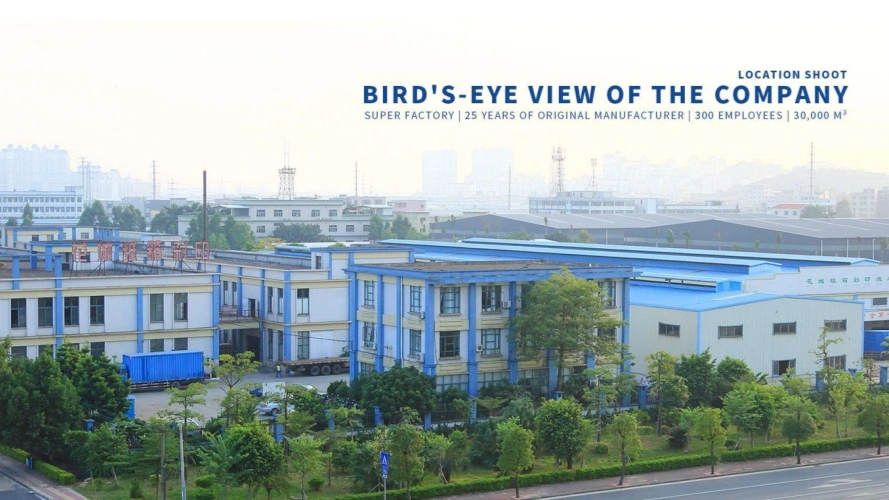
Sustainable packaging quality, you need a PDQ display maker with a track record of innovation and care for the environment. Fetching Printing has been making things for 25 years and has a lot of environmental certifications, such as FSC, ISO 14001, and G7 Color Management standards. Our 50,000㎡ building has high-tech equipment and a specialized research and development team of packing engineers who focus on using eco-friendly materials in creative ways and coming up with long-lasting design solutions. Get in touch with our sustainability experts at support@fetchingprinting.com to talk about your needs for a sustainable show and find out how our approved processes can help your brand's environmental credentials.
References
Sustainable Packaging Coalition. "Guidelines for Sustainable Retail-Ready Packaging Design and Material Selection." Journal of Sustainable Packaging, 2023.
Forest Stewardship Council International. "Chain of Custody Standards for Point-of-Purchase Display Manufacturing." FSC Technical Standards Review, 2024.
International Organization for Standardization. "Environmental Management Systems in Packaging Manufacturing: Implementation and Outcomes." ISO Environmental Standards Quarterly, 2023.
Green Business Certification Inc. "GREENGUARD Certification Impact on Indoor Air Quality in Retail Environments." Environmental Health Perspectives, 2024.
Ellen MacArthur Foundation. "Circular Economy Principles in Display Packaging: Case Studies and Best Practices." Circular Design Report, 2023.
Packaging World Magazine. "Sustainable Materials Innovation in Retail Display Manufacturing: Market Analysis and Future Trends." Industry Analysis Report, 2024.