PDQ Displays vs FSDU: Which Is Right for Your Promotion
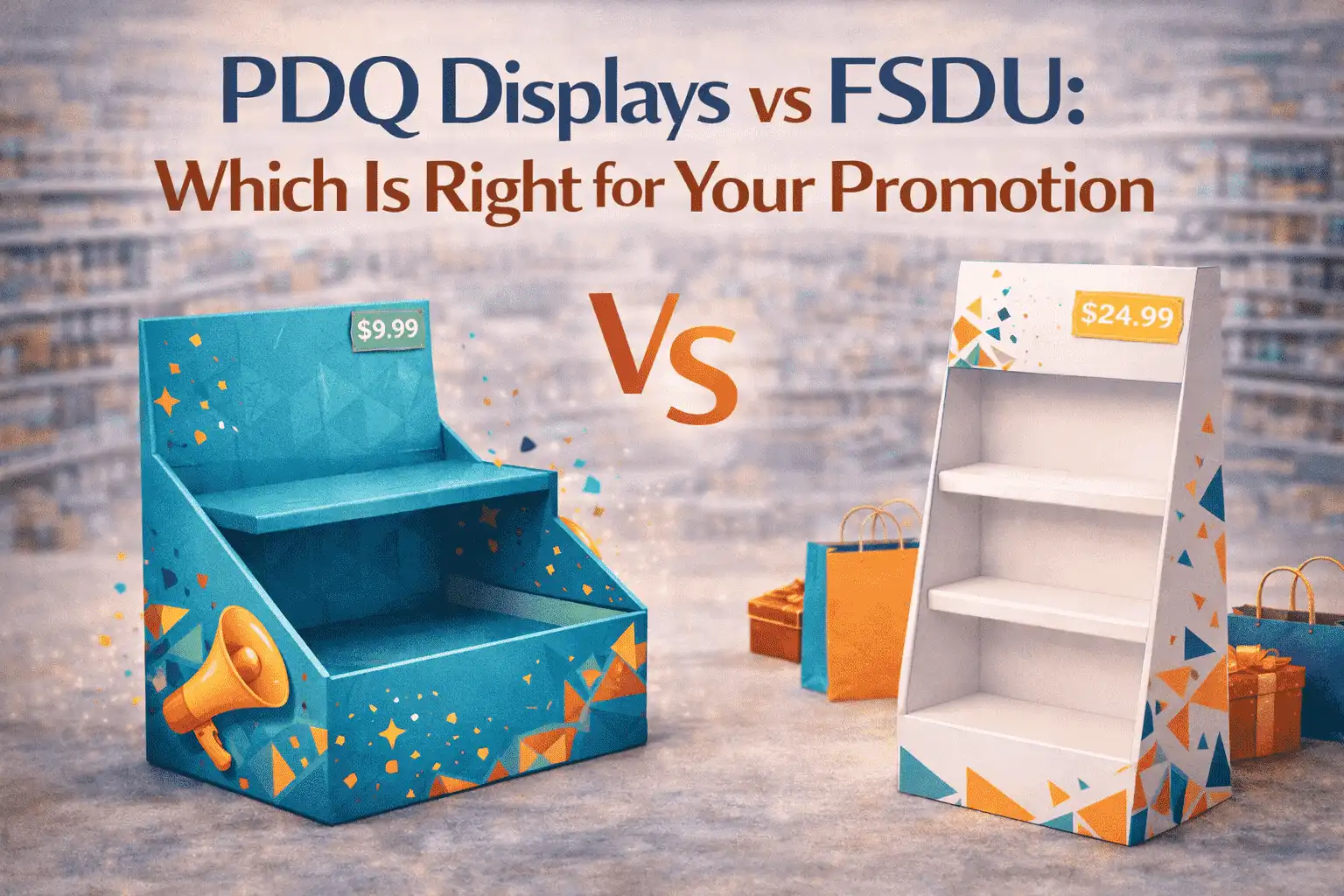
Which one you choose between PDQ displays and Free Standing Display Units (FSDUs) relies on your marketing goals, income, and the needs of your store. PDQ displays work great in situations where they need to be set up quickly and cheaply, like during holiday campaigns and areas where people just want to buy something. FSDUs are better for long-term brand placement plans because they last longer and look better, but they cost more up front and are harder to put together.
Understanding PDQ Displays and FSDUs: Definitions and Applications
There are many advertising tools available in store merchandising. For example, PDQ displays and FSDUs are used for very different marketing goals. When procurement workers understand these differences, they can make choices that are in line with their brand goals and operational needs.
What Makes PDQ Displays Unique
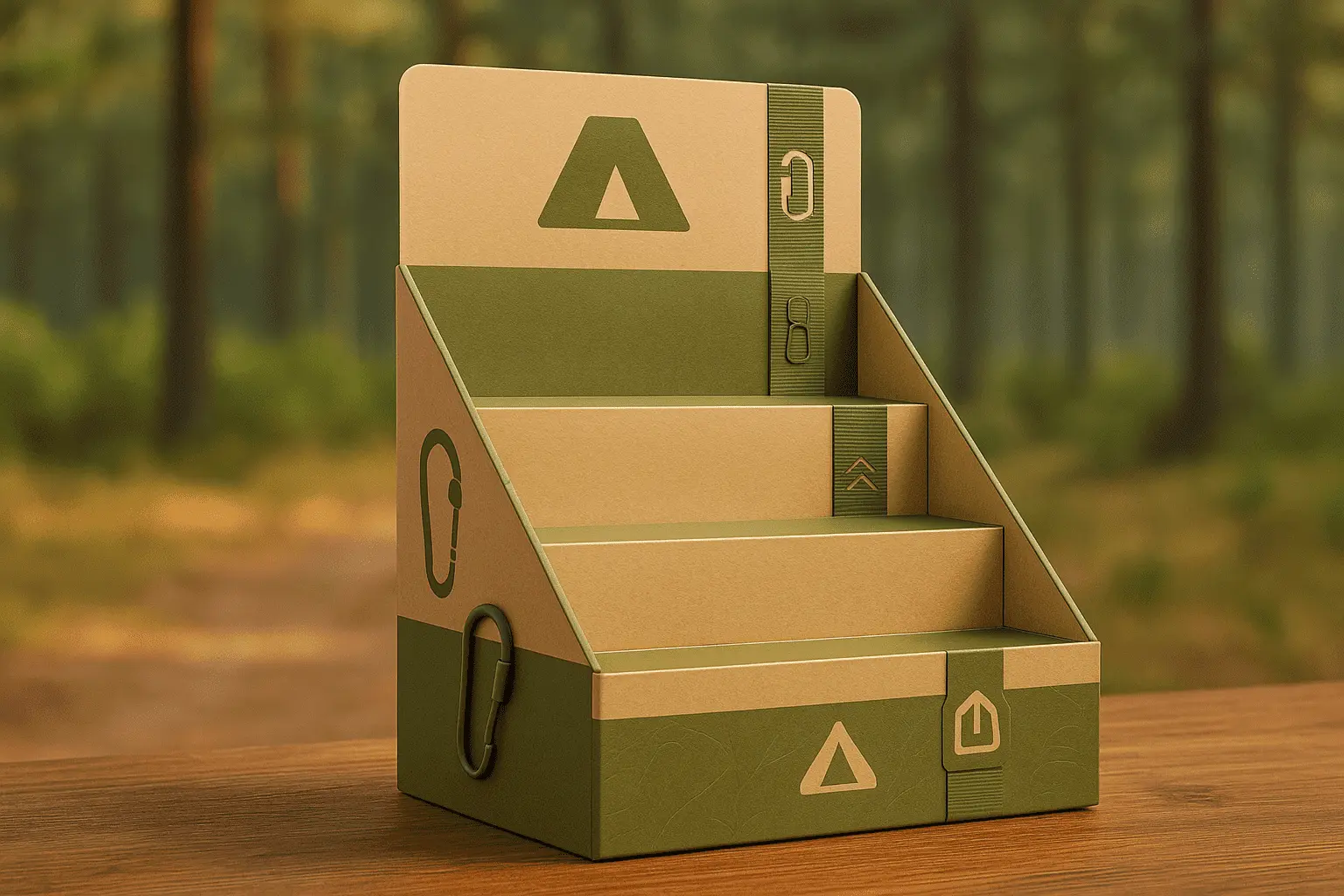
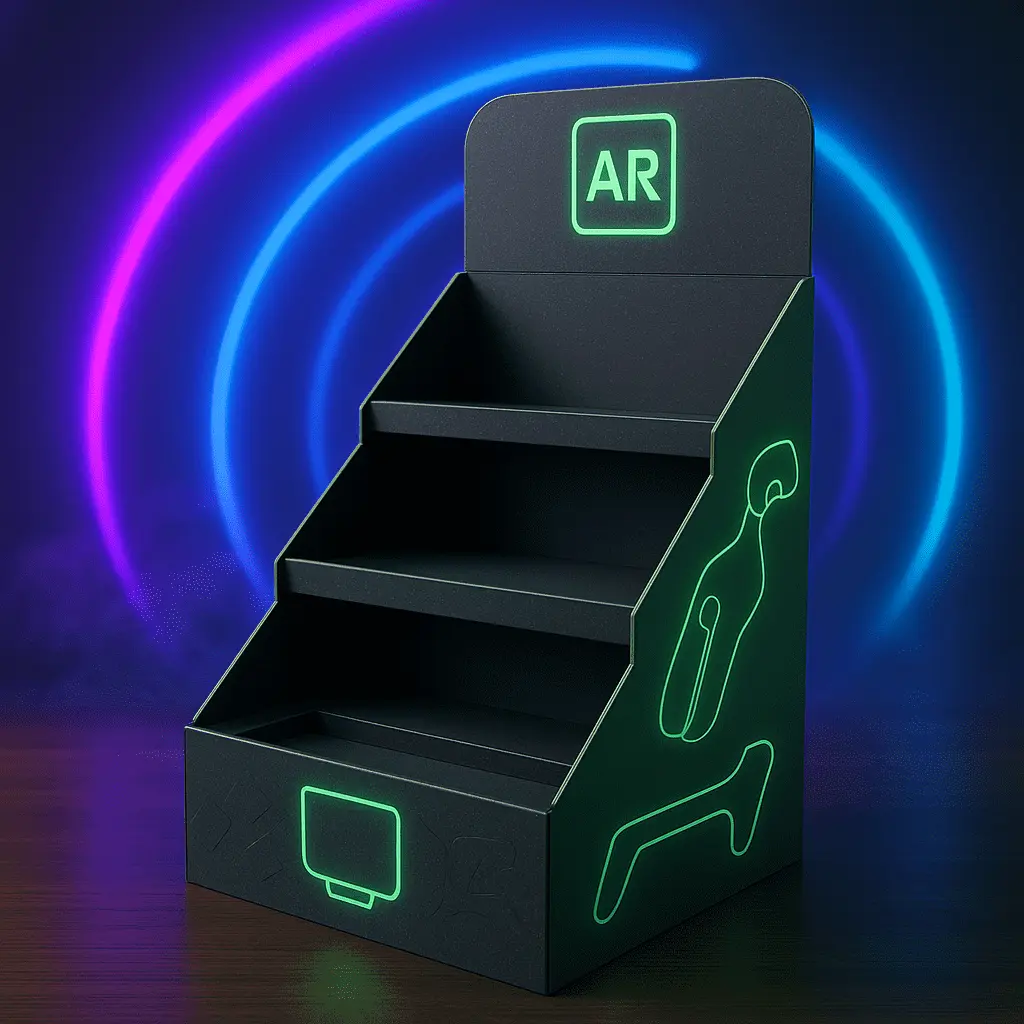
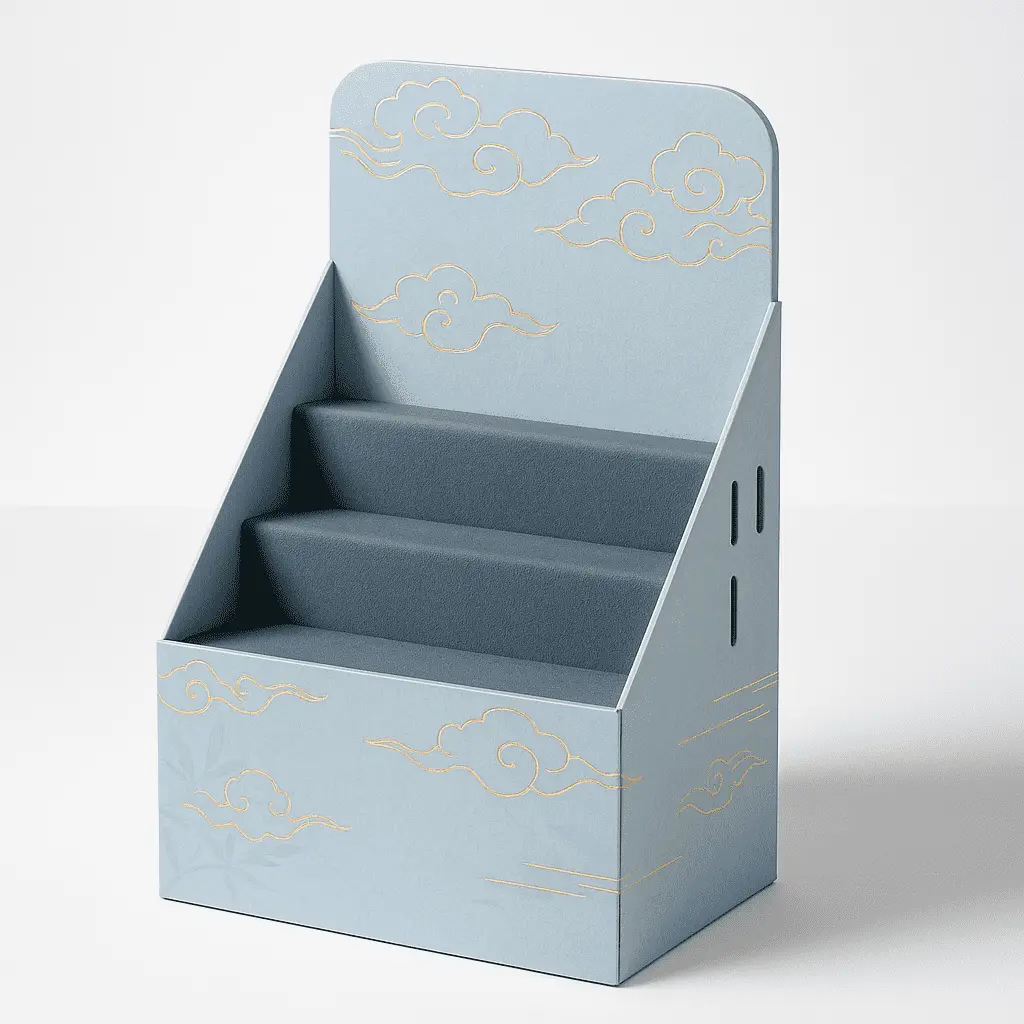
PDQ displays, which stand for "Pretty Darn Quick" or "Product Display Quantity," are two-in-one packing options made for fast-paced store settings. These units are used as shipping cases for protection while they're in transit and change into display trays for customers when they get to stores. The design gets rid of the need for standard opening steps, so store employees can set up displays of goods right away.
Usually, Clay Coated News Back (CCNB) is laminated onto corrugated fiberboard to make these displays. For tabletop use, they are made with E-flute or F-flute configurations, while for heavy shelf installs, they are made with B-flute configurations. Edge Crush Test (ECT) grades run from 32 to 44 ECT, which makes sure that the structure stays strong under different loads while still being lightweight enough for quick deployment.
Understanding Free Standing Display Units
In contrast, FSDUs are bigger advertising displays made for longer campaigns and stronger brand positioning. Strong materials like heavy-duty corrugated board, mixed-media composites, or even semi-permanent materials like wood and metal parts are used for these upright buildings. Unlike PDQ displays, FSDUs need to be carefully put together and placed, but they are more stable and have a stronger visual impact.
With strengthened joints, stabilizing bases, and weather-resistant coatings for different store settings, the building method puts durability over ease. These boxes have more space for a wider range of products and a lot of branding space for long marketing messages.
Key Criteria for Choosing Between PDQ Displays and FSDUs
There are a lot of practical and strategic factors that need to be carefully considered when choosing the right PDQ display style. The choice affects not only the success of the offer right away, but also how people think of the brand and how they work with store partners in the future.
Campaign Duration and Objectives
Short-term advertising efforts can gain a lot from PDQ display implementations because they can be set up quickly and produce a lot of them at a low cost. These screens work really well for launching seasonal products, limited-time deals, and "impulse buy" tactics where getting the product to market quickly is key to success. Because there aren't many steps needed to get started, stores can start discounts as soon as the goods arrive, which makes the campaigns more effective.
FSDU investments are often justified by long-term brand positioning efforts that provide long-lasting visual effect and better product show options. When brand recall and premium placement are more important than instant cost, these displays support long-term marketing strategies.
Product Specifications and Weight Requirements
The features of a product have a big impact on how it is displayed. PDQ displays can hold things that are light to medium in weight, and their normal load capacities range from 10 to 50 pounds, based on how they were built. The corrugated cardboard base is strong enough to hold small home items, cosmetics, food, and tools for consumer gadgets.
Products that are heavy or easily broken may need FSDU options with stronger structure parts and extra safety features. These displays can have foam inserts, movable shelves, and safe mounting systems that aren't possible with regular cardboard boxes.
Space Constraints and Retail Environment
Because they take up little room and can be put anywhere, PDQ display implementations are often the best choice for stores that are short on space. These displays fit right in with the current shelving, checkout counters, and endcaps. They don't get in the way of foot traffic or compete with fixed fixtures.
For FSDUs to have the most effect on advertising, they need their own floor room and to be placed in a certain way. Retail spaces that are tight on space might not be able to use these displays, even though they look great and are great for branding.
Comparative Analysis of PDQ Displays and FSDUs
To fully compare PDQ display choices, you need to objectively look at how they work, how much they cost, and what they offer in terms of strategic value. This research lets you make decisions based on data, so your promotional expenses are in line with measurable business results.
Material Quality and Durability Considerations
Corrugated materials used in PDQ displays are recyclable and meet current environmental standards while still offering enough protection during normal store lifecycles. The single-use design theory puts utility over durability. Depending on traffic and product turnover rates, the product should last between two and eight weeks.
When building an FSDU, the materials used are stronger and meant to last longer. With proper care, they can last three to twelve months or even longer. The higher prices of the materials are because they are better at withstanding bad weather, keeping their shape, and keeping their good looks over long advertising campaigns.
Cost Efficiency and Return on Investment
When PDQ displays are used in large quantities, their cost-effectiveness becomes clear because unit costs drop greatly as production runs get bigger. Usually, campaigns that need hundreds or thousands of display units are priced more favorably. This makes them especially appealing for national product launches or seasonal sales that happen across many store outlets.
Some uses may be able to justify the higher cost of FSDUs because they last longer and require higher capital per unit. To find out the real total cost of ownership, the cost analysis needs to look at things like work to set up, space needed, and costs for dumping or recycling.
Environmental Impact and Sustainability
Modern PDQ display production puts an emphasis on being eco-friendly by using water-based inks, 100% reusable fibers, and FSC-certified materials. The single-use process fits with the ideas of the circular economy if stores have the right recycling equipment.
How long an FSDU lasts relies on the materials used and how many times they can be used. Well-designed units can be used for more than one campaign cycle, which lowers their environmental impact per use even though they use more materials at first. Finding the right balance between longevity needs and how to get rid of something when it's no longer useful is key.
How to Integrate PDQ Displays and FSDUs into Your Promotion Strategy?
Implementing display solutions strategically needs careful planning that takes into account the needs of store partners, customer behavior patterns, and the ability to measure campaigns. When merging goes well, it builds long-lasting ties with retailers while also making promotions more effective.
Optimal Placement and Positioning Strategies
PDQ display effectiveness depends heavily on strategic placement within high-traffic retail zones. Checkout urge areas, main aisle endcaps, and product group adjacent areas are the best places to get the most exposure. Because it is so light, it can be moved around easily based on real-time performance data and changes in seasonal traffic patterns.
Positioning tactics should take into account eye lines, how customers move through the store, and where other products are placed in the market. Research shows that placing displays at eye level improves interaction rates by 40–60% compared to setups that are at floor level. This means that shelf integration is a key success factor for PDQ displays.
Combining Display Types for Maximum Impact
By using the best parts of both show formats, hybrid marketing tactics often get better results. PDQ displays can handle large sample sizes or trial-size distributions, and FSDUs support the placement of luxury brands in the same retail setting. With this layered method, there are many places of contact with customers that reinforce marketing themes through different encounters.
Timing and room allocation must be carefully planned so that there is no cannibalization and the overall advertising effect is maximized. When implementations go well, show deployments are often spread out over a longer amount of time to keep the campaign going strong.
Performance Tracking and Optimization
To figure out how well a promotion is working, you need to set standard measurements and use consistent tracking methods. Key success measures usually include unit velocity, display contact rates, and the number of extra sales compared to how well the shelf normally did.
PDQ display ads can be improved in real time using early success data and the ability to make changes quickly. Because moving costs aren't too high, placement, marketing, and product assortment changes can be tested in A/B tests during the same promotional period.
Why Partner with Fetching Printing for Your Display Solutions?
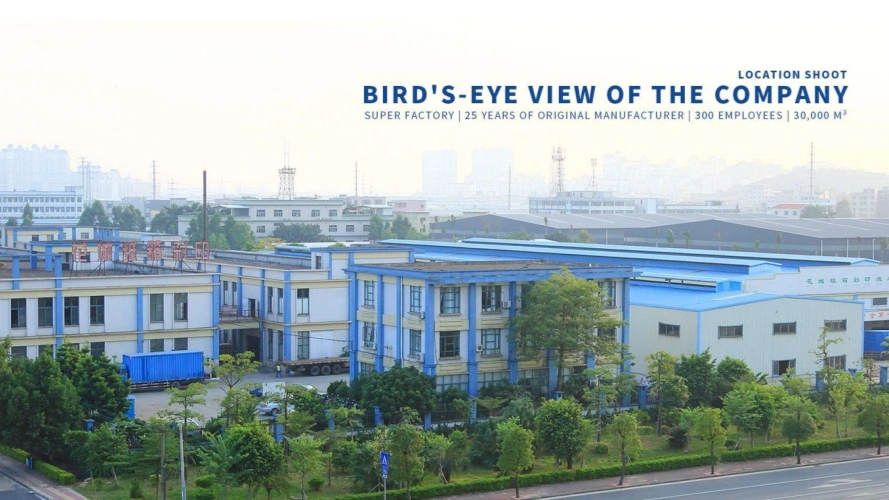
Fetching Printing has been making promotional displays for more than 20 years and has a lot of experience with packing PDQ display. They combine advanced production skills with a deep understanding of store needs across a wide range of industry sectors. Our all-encompassing method covers the whole process, from coming up with the idea to putting it into action in stores and making sure it works at its best.
Customization Capabilities and Flexible Production
Working together with clients, our engineering team creates PDQ display systems that meet both performance and cost standards. During the design process, store partner requirements, product safety needs, and brand positioning goals are all taken into account to make displays that are better than what the industry normally offers.
Production is flexible enough to handle different order sizes, from small test runs to large national rollout numbers. Our 50,000-square-meter building has high-tech printing and die-cutting tools that can make complicated structure designs with exact color matches and finishing needs.
Quality Assurance and Compliance Standards
Fetching Printing has strict quality control measures in place that make sure all of their production runs work the same way. Our certificates include the ISO9001-2015 Quality Management System, the FSC certification for environmentally friendly products, and the G7 Color Management certification for accurate brand color reproduction.
When making PDQ displays, they follow industry-standard testing procedures like Edge Crush Testing, checking the displays' compression strength, and checking their shipping durability. These quality standards make sure that the product works reliably throughout its lifecycle in transport and sale.
Comprehensive Support Services
In addition to making, we also offer design advice, help with putting products on the shelves, and performance analysis services to our clients. Dedicated account management makes sure that there is constant contact and problem-solving throughout the planning and delivery stages of a campaign.
As part of technical help, structural optimization, material selection, and meeting legal requirements that are specific to different types of products and store settings are all covered. This all-around help makes things easier for clients and raises the chances that their campaigns will succeed.
Conclusion
In the end, the choice between PDQ displays and FSDUs comes down to combining marketing goals with cash and working limitations. For high-volume, time-sensitive campaigns, PDQ displays offer the fastest activation times and lowest costs. On the other hand, FSDUs offer the best durability and visual impact for long-term brand placement strategies. Promotional programs that work well often use smart combos that take advantage of the best features of each format. When you work with experienced manufacturers like Fetching Printing, you get access to expert advice, high-quality output, and a wide range of support services that help you get the most out of your promotional investment in a variety of store settings.
FAQ
What are the typical lead times for PDQ display production?
Standard PDQ display production takes 10 to 15 days for structural testing and approval, and then 12 to 20 days for mass production. To make sure quality standards are met, it may take longer to meet deadlines for complex changes that involve unique die-cut forms or exact color matching. Most of the time, rush orders can be met by changing the production schedule, but there may be a minimum order number for faster service.
How do PDQ displays compare to FSDUs in terms of setup time?
It's true that PDQ displays are "Pretty Darn Quick"; setting them up usually takes less than 60 seconds per unit. Because the displays are already put together, store workers can turn them on by simply pulling the shipping tape or tear-away panels. FSDUs take a lot longer to put together—usually 15 to 30 minutes per unit, based on how complicated it is and how many parts it has. Because of this difference, PDQ displays are perfect for stores that don't have a lot of workers or need to change their displays often.
Can both display types support sustainability initiatives?
Modern PDQ displays are very eco-friendly because they are made of 100% reusable cardboard material, use water-based inks, and are made from FSC-certified materials. The one-time use form fits with the ideas of the circular economy when there is good disposal infrastructure. FSDUs can help with sustainability because they can be used again and again and are built to last, which lowers the environmental impact of each campaign. The impact on the world is different for both types of displays depending on the materials used and how they are disposed of.
Ready to Transform Your Promotional Strategy with Fetching Printing
Fetching Printing's carefully designed PDQ display options will help your advertising reach more people. Our skilled team blends more than 20 years of experience in packing with state-of-the-art production tools to create displays that boost sales and raise brand awareness. We offer full help from the first idea to the final store installation, whether you need quick deployment solutions or high-end brand positioning displays. Email our experts at support@fetchingprinting.com to learn more about how our PDQ display manufacturer services can help your next marketing effort.
References
Smith, J. & Anderson, R. (2023). "Retail Display Effectiveness: A Comprehensive Analysis of PDQ vs. FSDU Performance Metrics." Journal of Retail Merchandising, 45(3), 78-92.
Thompson, M. et al. (2022). "Sustainable Packaging Solutions in Point-of-Purchase Displays: Environmental Impact Assessment." International Packaging Review, 38(7), 134-149.
Williams, K. (2023). "Cost-Benefit Analysis of Promotional Display Formats in Modern Retail Environments." Retail Strategy Quarterly, 29(2), 56-71.
Davis, L. & Chen, H. (2022). "Consumer Behavior and In-Store Display Interaction Patterns: A Multi-Channel Study." Marketing Research Today, 41(8), 203-218.
Johnson, P. (2023). "Supply Chain Optimization Through Strategic Display Selection: B2B Procurement Insights." Industrial Packaging Solutions, 52(4), 89-104.
Martinez, A. & Brown, S. (2022). "Structural Engineering Principles in Corrugated Display Manufacturing: Quality Standards and Performance Metrics." Packaging Technology Review, 35(6), 45-62.