What Are Subscription Boxes? Business Model and Packaging Needs?
Businesses choose and send customers goods on a regular basis, usually once a month or three times a year, through subscription boxes. This is a completely new way to do business. This subscription box model changes the way stores work by making steady amounts of income and building stronger connections with customers through personalized experiences. Companies in many fields, from food and beauty to technology and industrial supplies, use this method to build lasting competitive benefits in today's fast-paced market, keep customers coming back, and make managing inventory easier.

Understanding Subscription Boxes: Definition and Business Model
A simple but strong idea behind subscription boxes is that customers pay a regular fee to have carefully chosen goods sent right to their door. This plan makes things good for everyone: subscribers find new items, and businesses get steady income and useful customer information.
The Core Components of Subscription Services
The subscription economy is based on three main factors that make customers happy and help businesses grow. Value statements that make it clear what users will get and why it's important to them are the first step in getting new customers. Keeping customers interested means offering a wide range of products, making sure the quality is always high, and giving them a great opening experience. To keep healthy profit margins, revenue optimization means finding a balance between the price of subscriptions, the cost of products, the cost of packaging, and the processes of delivery.
Modern subscription services use complex data analytics to make choices that are more relevant to each customer based on their comments, buy history, and tastes. Successful membership businesses are different from traditional retail models because they can personalize their services. This helps customers feel connected to the brand, which builds trust over time.
Industry Applications and Market Segments
Subscription boxes are no longer just for consumer goods; they now serve a wide range of B2B businesses. Companies that make beauty products and makeup use subscription models to get customers to try out new goods and get feedback before releasing them to the public. Food and drink companies use subscriptions to give limited versions, special items, and to ship their products all over the world.
Electronics and consumer goods companies are using membership services more and more to sell accessories, repair parts, and products that go well with other items they make. Industrial providers use subscription models for upkeep supplies, safety tools, and materials that are used up quickly. This lets customers know how much they will cost to buy things and automates the management of their inventory.
Because subscription models are flexible, businesses in all kinds of fields can try out new ways to make money and build better relationships with customers by providing regular touchpoints and value.
Subscription Box Business Model Deconstruction
In today's competitive market, traditional retail models face big problems like keeping track of goods, getting new customers, and sales cycles that are hard to predict. These problems can be solved in new ways by subscription boxes, which are good for both businesses and users.
Addressing Traditional Retail Challenges
When businesses know exactly how many customers they serve every month, it's easier to plan their inventory. This certainty cuts down on waste, makes cash flow better, and lets you negotiate better with suppliers. The cost of getting new customers goes down because happy users often spread the word about your brand, which is something that standard advertising can't do.
When businesses can correctly predict demand, supply chain planning gets a lot better. Subscription models make it possible to buy in bulk, save money on storage, and improve delivery processes that work well as the number of subscribers grows.
Success Factors from Leading Brands
Leaders in the industry show how to use key ideas that make subscription boxes successful in many areas. FabFitFun changed lifestyle services by giving customers full-size goods worth a lot more than the membership fees. This created clear value propositions that keep customers coming back. Birchbox changed how people find beauty products by giving them sample sizes so they can try them out before buying the full sizes. This made people less anxious about buying things and increased the number of people who actually bought something.
HelloFresh solved problems with meal planning by sending customers pre-measured items with simple instructions. This saved them time and gave them more food options. These businesses were successful because they knew what problems their customers were having and came up with complete answers that went beyond just delivering products.
Some of the most important things for success are consistently delivering value, providing excellent customer service, and constantly coming up with new ways to curate products and improve the customer experience. Subscription businesses that do well put a lot of money into customer feedback systems that let them respond quickly to changing consumer tastes and market needs.
Packaging Needs and Solutions for Subscription Boxes
In subscription shopping, good packing is the key link between protecting the product and giving the customer a good experience. Subscription box packaging must shine in protection, presentation, and brand storytelling while keeping cost effectiveness across large quantities, in contrast to traditional retail packaging that is mainly designed for store appeal.
Essential Packaging Requirements
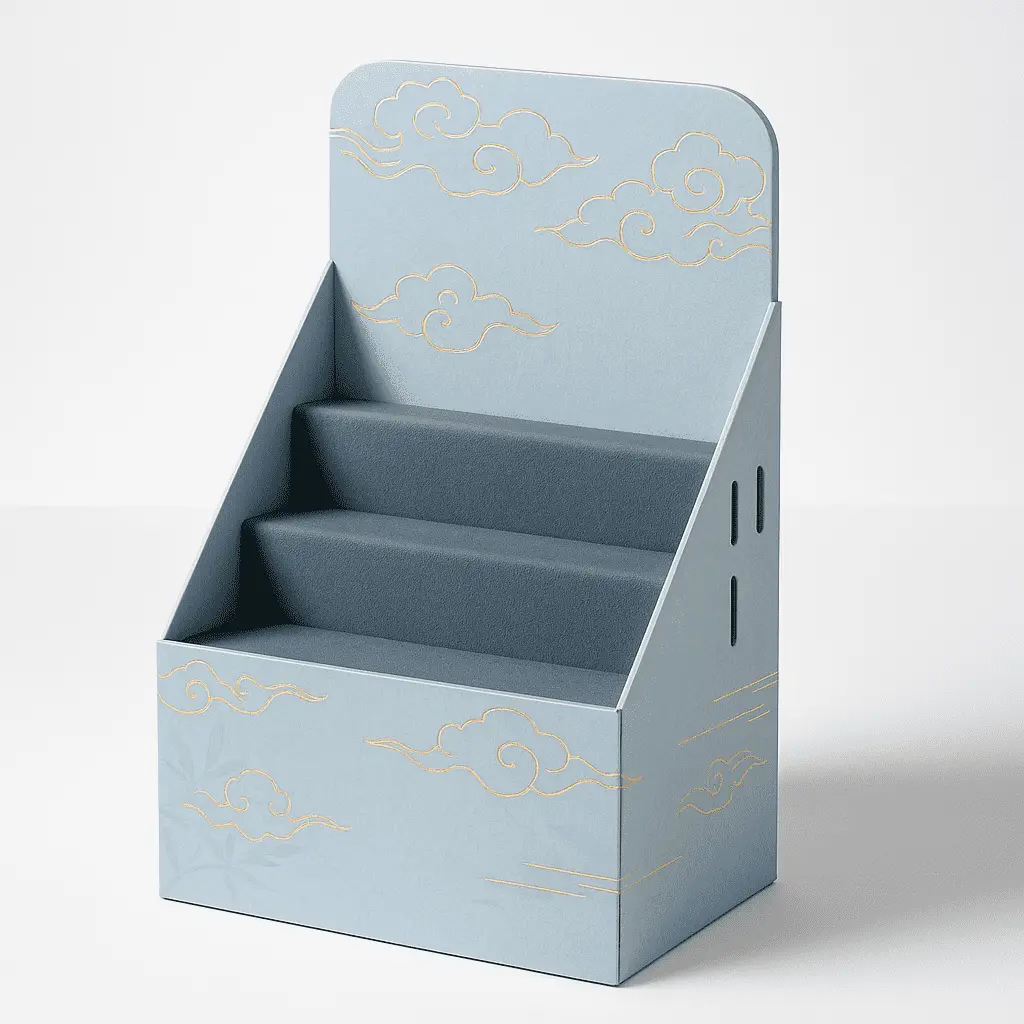
The wrapping for subscription boxes has to meet a lot of different practical and emotional needs at the same time. Protection is still the most important thing, even though goods go through a lot of complicated transport networks before they get to users. Brands can make unique opening experiences that strengthen their brand identity and get people to share on social media by customizing the boxes. Sustainability factors are becoming more important in packing choices as environmentally conscious customers expect materials that are good for the environment and little waste.
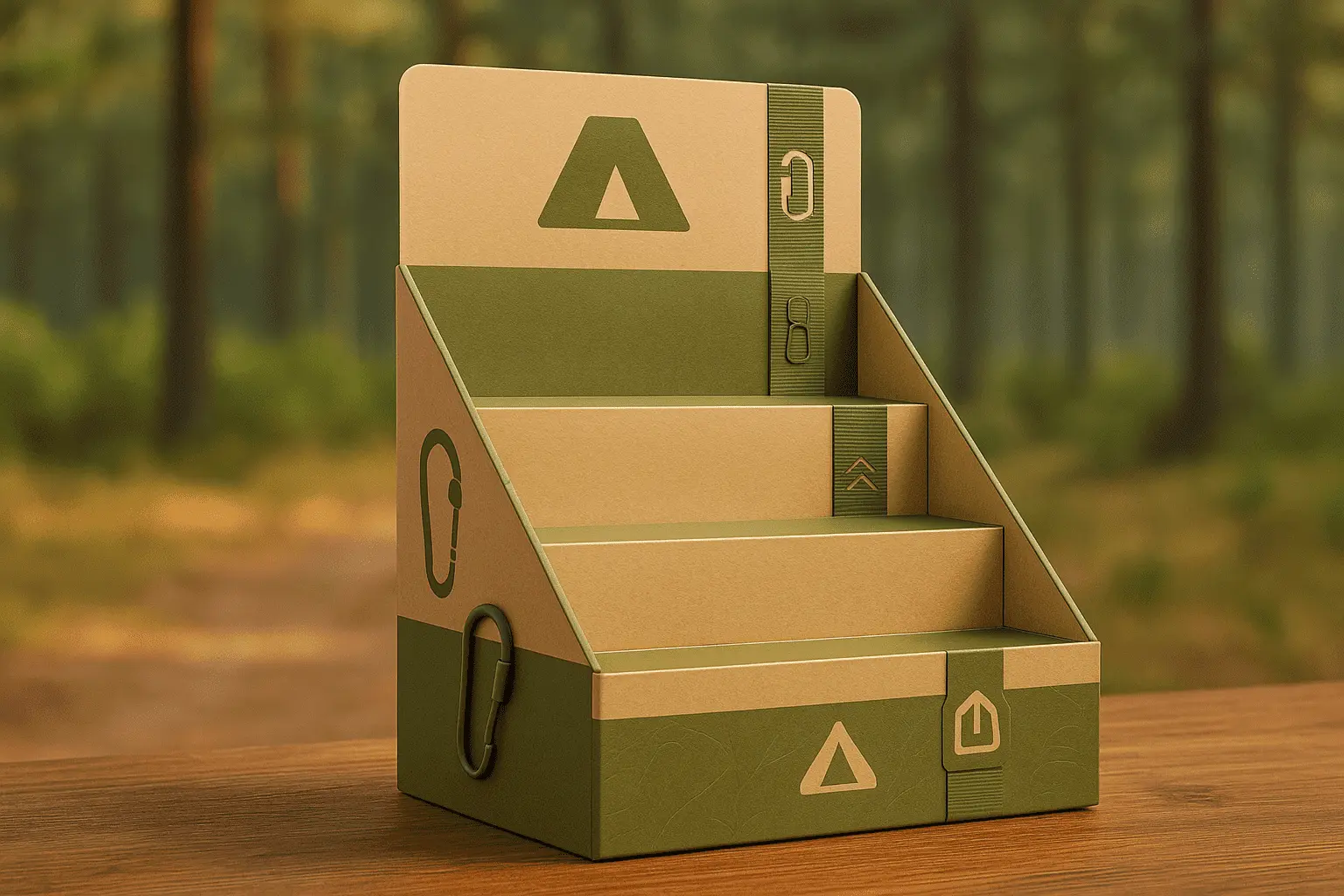
Different kinds of products must fit into the same package, so the packing needs to be able to adapt to different styles and protect fragile items while still looking good. Protective foam, insert systems, and custom compartments make sure that goods come in perfect shape and that presentations are well-organized and look good, which raises the perceived value.
Industry-Specific Packaging Solutions
To meet the wants of each product and customer, each industry needs its own unique packing methods. Subscriptions for beauty and cosmetics need packing that keeps products safe from changes in temperature and physical damage while still keeping a high-end look that fits with the brand's image. Food and drink orders need materials that are safe for food and have the right barrier qualities to keep the food fresh and stop contamination.
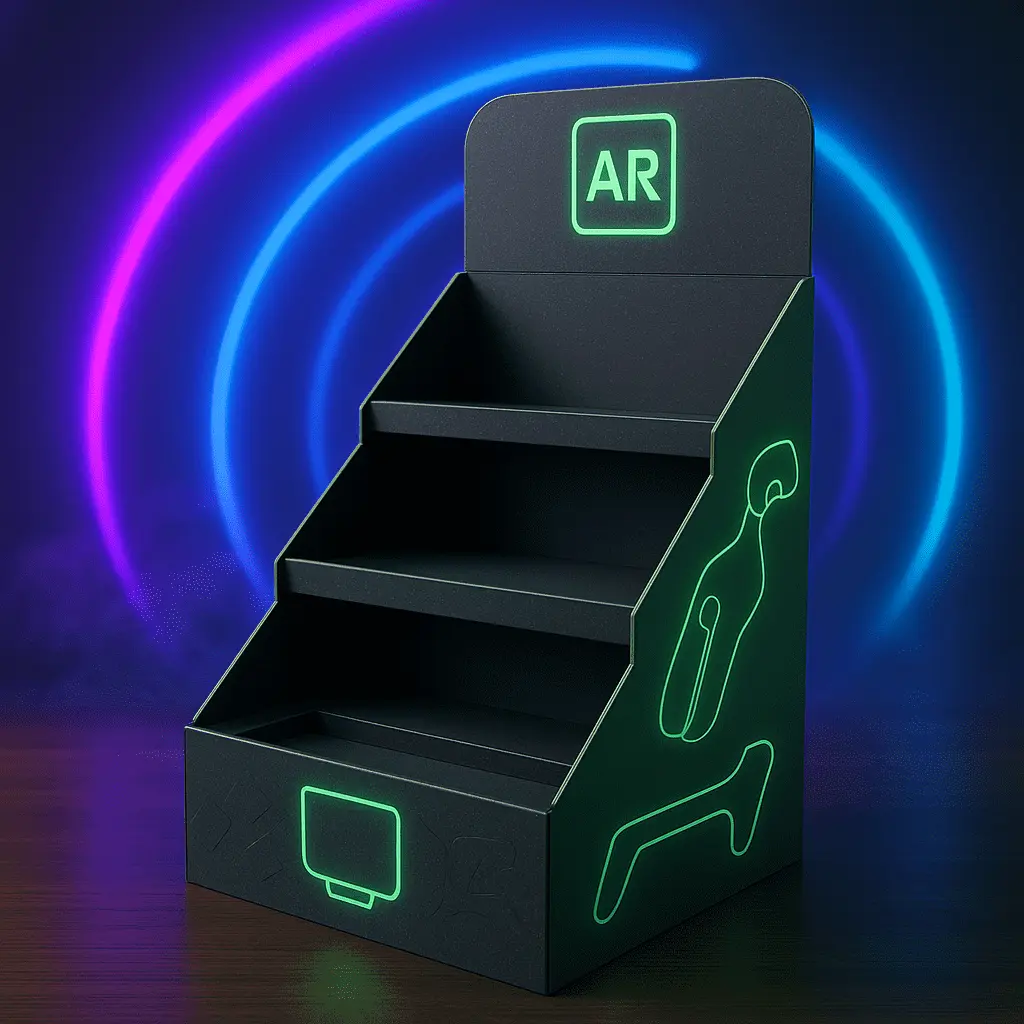
To keep fragile parts safe during shipping, electronics orders need anti-static materials and shock-absorbing plugs. Subscriptions for fashion and jewelry use high-end materials, like hard boxes with magnetic seals and velvet linings, to make experiences that are so luxurious that they are worth the higher price.
These industry-specific needs lead to new ideas in packing materials, building designs, and ways of making things. Biodegradable foams, recycled cardboard composites, and plant-based protective films are some of the new materials that help businesses meet both efficiency and environmental goals.
How to Choose the Right Subscription Box Partner and Packaging Supplier?
To find the right partners for fulfilling and packaging subscription boxes, you need to carefully consider a number of factors that affect working efficiency, customer happiness, and the long-term success of your business. As part of the decision-making process, you have to look at things like prices, scalability, skills, and how well the strategy fits with your business goals.
Key Selection Criteria for B2B Partnerships
Quality standards are the basis of subscription box businesses that do well. Suppliers of packaging must show that their products are always of high quality by getting certifications like ISO 9001, that they use sustainable practices by getting environmental certifications, and that they follow food safety rules when they need to. Rapid prototyping, custom design services, and output numbers that can be changed as the business grows should all be part of the manufacturing skills.
Cost-effectiveness is more than just the price of a single unit. It also takes into account the total cost of ownership, which includes setup fees, minimum order amounts, storing costs, and shipping costs. Businesses can quickly adapt to changes in the market and seasonal needs when they can make changes to designs, production schedules, and production volumes.
Delivery times, shipping costs, and how well material is managed are all affected by how close things are to each other and how well operations work. By having various production sites or strategic stock locations, suppliers can offer better service and lower risk. This is called operating redundancy.
Evaluating Market Leaders and Emerging Suppliers
Established package companies have a history of doing good work, a wide range of services, and a stable financial situation that make them safer to work with. Most of the time, these companies offer a lot of help with design, quality assurance programs, and supply chain management skills that can help membership businesses grow.
New providers may be able to offer better prices, new materials, or specific skills that bigger companies don't have. But working with newer providers needs careful research into their financial security, output capacity, and quality control.
Finding the best provider often means comparing the risks and benefits of several companies. Many successful subscription companies build relationships with primary suppliers for their basic packaging needs and keep extra suppliers on hand for unique needs or times when they need more capacity than they have.
Subscription Box Market Outlook and Strategic Implications for B2B Clients
Market study shows that the subscription economy is still growing quickly, with double-digit growth rates seen in many areas. This growth gives B2B companies chances to improve their relationships with customers, make it easier to predict their income, and make their products stand out in markets where competition is high.
Market Trends Shaping Industry Evolution
People want unique experiences, which drives the need for advanced product selection and customization tools. Artificial intelligence and machine learning technologies make it easier to guess customers' tastes and make the best use of inventory. This makes customers happier and lowers running costs.
Sustainability concerns are having a bigger impact on how subscription boxes are designed and run. Companies that use the circular economy, carbon-neutral shipping, and recyclable packing have an edge over their competitors when it comes to customers who care about the environment and corporate clients who put sustainability goals first.
When subscription models are combined with standard shopping platforms, omnichannel experiences are made that increase the lifelong value of a customer. When businesses successfully combine online services with a real storefront, they keep more customers and make more money from each one.
Strategic Opportunities for B2B Implementation
Businesses to businesses (B2B) can use membership models to change their client relationships from one-way transactions to ones based on partnerships. When industrial providers offer maintenance subscriptions, they make sure that customers get consistent service and create regular revenue streams that help businesses stay stable.
Companies in the tech industry use subscription models for services like software updates, gear improvements, and expert support. This lets them offer complete solutions that meet the changing needs of their customers. Expertise, tools, and ongoing support are all bundled together by professional service providers in membership packages that make good value for busy leaders.
Finding repeating client needs that can be met by providing consistent, useful service is the key to a successful B2B subscription application. Companies need to put money into customer success programs, feedback systems, and ways to keep improving in order to keep their client renewal rates high and their ties with clients good.
Conclusion
Subscription boxes are a revolutionary way to run a business. They meet the needs of modern consumers for ease of use, customization, and finding, while also giving companies stable streams of income and closer relationships with their customers. In this fast-paced market, you need to pay close attention to the quality of your products, your relationships with suppliers, and how you plan the customer experience. As the subscription economy changes, businesses that put money into smart packing, dependable supply lines, and operations that focus on customers will have the best chances to grow and become market leaders.
FAQ
What makes subscription box packaging different from regular e-commerce packaging?
When you open a subscription box, you should have a memorable experience that makes you want to keep paying for it, and the boxes should protect different kinds of products during shipping. Subscription packing, on the other hand, is used as a marketing tool to strengthen brand identity and keep customers by engaging them emotionally and giving them chances to share on social media.
How do I determine the right packaging supplier for my subscription business?
Check out possible providers based on their quality standards, output skills, ability to make changes, commitment to sustainability, and overall cost of ownership. To help your business grow, think about things like minimum order amounts, wait times, location, and the ability to add more units as needed. Ask for examples, see the facilities if you can, and get recommendations from clients who work in the same field.
What packaging materials work best for different subscription box categories?
For beauty subscriptions, rigid boxes with high-end finishing work best, while for food subscriptions, food-grade materials with the right barrier qualities are needed. Electronics need materials that don't conduct electricity and safe inserts, while fashion items use high-end materials like magnetic closing boxes with soft linings. The best choice of material relies on the needs of the product, how the brand is positioned, and the goals for sustainability.
How can subscription boxes help B2B companies improve customer relationships?
By offering regular value delivery, predictable service schedules, and chances for continued improvement based on customer feedback, subscription models turn one-time deals into long-term partnerships. With B2B contracts, businesses can predict what their clients will need, make it easier for them to buy things, and show that they are committed to their success by keeping in touch with them regularly and improving their services.
Partner with Fetching Printing for Your Subscription Box Packaging Solutions
The success of subscription boxes rests on great packaging that keeps items safe and gives customers a unique experience. Fetching Printing can help your subscription business grow with their more than 20 years of experience in production and full range of packing options. Our packaging engineers with years of experience work on research and development. They focus on unique designs, eco-friendly materials, and production methods that can be scaled up or down to fit your business.
Our 50,000㎡ facility has advanced machinery, food-grade capabilities, and ISO certifications, so we can provide uniform quality and short wait times for both subscription box suppliers and new brands. Get in touch with our team at support@fetchingprinting.com to talk about your packing needs and find out how our solutions can improve the experience of your subscribers while also making your business run more smoothly.
References
McKinsey & Company. "The subscription economy: A comprehensive analysis of market trends and consumer behavior patterns in recurring commerce models." Business Strategy Review, 2024.
Packaging Industry Research Institute. "Sustainable packaging solutions for subscription commerce: Material innovations and environmental impact analysis." Journal of Packaging Technology, 2024.
American Subscription Box Association. "Annual market report: Growth patterns and industry benchmarks in the North American subscription economy." Industry Analysis Quarterly, 2024.
Supply Chain Management Review. "Logistics optimization strategies for subscription-based business models: Efficiency improvements through packaging and fulfillment innovations." Operations Management Journal, 2024.
Harvard Business Review. "Customer retention strategies in subscription commerce: The role of packaging and unboxing experiences in building brand loyalty." Marketing Science Quarterly, 2024.
International Packaging Institute. "B2B subscription models and industrial packaging requirements: Quality standards and certification frameworks for commercial applications." Technical Standards Review, 2024