Printing Options for Custom Mailer Boxes: What Buyers Should Know
When choosing printing choices for custom mailer boxes, buyers need to look at a number of different printing methods to get the best brand image and the best value for their money. When you know how flexographic, digital, lithographic, and screen printing work with your desired volume, design complexity, and base materials, you can make smart decisions about what to buy. Each printing method has its own benefits when it comes to quality, durability, and production speed. Businesses that want to get the most out of their packaging investment while keeping their brand message uniform across all of their shipping options need to carefully choose which printing method to use.

Understanding Printing Techniques for Custom Mailer Boxes
There are a number of well-known printing methods used in the packaging business. Each one is made to meet specific output needs and quality standards. These methods are used in modern factories to get uniform results for a wide range of order sizes and design requirements.
Flexographic Printing for High-Volume Orders
For making big quantities of mailers, flexographic printing is still the usual method because it is so fast and cheap. This way of printing uses flexible relief plates that are attached to spinning cylinders. This makes it possible to print continuously on curved materials at very high speeds. The process works best when sales are more than 10,000 units, because that’s when the costs of setting up the plates for the first time become affordable.
Because flexographic paints last a long time, printed images stay looking good even while they’re being shipped. It is possible for water-based and UV-curable inks to stick very well to curved surfaces and not get damaged by scratches or water. Printing can go as fast as 2,000 feet per minute in production facilities, which makes this method perfect for finishing tasks that need to be done quickly.
Digital Printing Technology for Customization
By getting rid of the need for printing plates and allowing changeable data printing, digital printing has changed the way unique packaging is made. With this new technology, buying teams can make smaller amounts more cheaply while still getting great print quality and color accuracy.
The technology is great for making small batches of 100 to 5,000 units, which makes it ideal for launching new products, running seasonal campaigns, or testing the market in different areas. Digital systems don’t charge extra to set up and can handle complicated graphics, photos, and changeable data like QR codes, serial numbers, or custom messages.
Resolutions of up to 1200 DPI can be reached by modern digital printing equipment. This means that text is clear and images are bright, which makes the opening experience better. The technology works with many surfaces, such as recycled corrugated materials and unique papers, giving brands that care about the environment a lot of options.
Lithographic and Screen Printing Applications
Offset printing, which is another name for lithographic printing, is better at showing colors and small details than other printing methods. This makes it a good choice for fancy gifts, like a custom mailer box, where how they look is important for people who want to buy something. The idea behind this method is that oil and water don't mix, so rubber blankets are used as bridges to move ink from film to surfaces.
Screen printing has great ink coverage and clarity, and it works especially well for metallic finishes, spot colors, and thick ink layers that make things feel different to the touch. In this process, ink is pushed through mesh screens and onto packing materials. This makes it possible to use specialty inks and special visual effects that set goods apart in markets where competition is high.
Both ways take longer to set up than digital options, but they offer the best quality for brands that value visual excellence over output speed. The methods allow for different finishing choices, such as foil stamping, debossing, and embossing, which make the package look more valuable.
Key Considerations When Choosing Printing Options for Custom Mailer Boxes
When making a strategic printing choice, you have to weigh a lot of things that affect both short-term prices and long-term business positioning. Professionals in procurement need to think about how the choices they make about printing affect how customers see them while also keeping operations running smoothly and staying within budget.
Brand Image and Customer Experience Impact
During the crucial opening moment, the quality of the printed package has a direct effect on how the customer sees the brand and how trustworthy they think it is. According to research, 72% of people decide what to buy based on the style of the packaging. This means that print quality is an important part of keeping customers and building brand trust.
Using high-resolution printing makes sure that brand colors, logos, and marketing messages look clear and professional. This supports the values and quality standing of the brand. Consistent color reproduction across production runs protects the identity of the brand and keeps customers from getting confused in stores that sell things in more than one way.
The way different printing methods feel on the skin is another factor that affects how much something is worth. Spot UV coatings, metallic inks, and raised printing effects all create visual experiences that make customers happier and more likely to share on social media, which expands the reach of the brand beyond the original purchase.
Cost Optimization and Production Efficiency
Printing costs change a lot depending on the technology used, the number of copies ordered, and how complicated the design is. When procurement teams know how much each printing method costs, they can make the most of their package funds and still get the quality results they want.
For classic printing methods like lithography and flexography, the minimum order quantity needed to get a good deal on setup costs is usually between 5,000 and 25,000 units, but this depends on how complicated the design is. Digital printing doesn’t have setup fees, but the price per unit is higher, so it’s only cost-effective for orders below 2,500.
The number of colors used directly affects the cost of production, since each extra spot color needs its own printing pass or plate. Four-color process printing (CMYK) can handle complicated graphics at a low cost while still producing good enough quality for most business uses.
Environmental Sustainability Requirements
Demand for sustainable printing solutions is driven by regulations and customers who care more about the environment. Soy-based formulations, water-based inks, and recyclable surfaces all help companies meet their environmental goals while still meeting print quality standards.
There are certifications that make sure the wood used in packaging comes from trees that are cared for well, such as FSC (Forest Stewardship Council) and PEFC (Program for the Endorsement of Forest Certification). People often change what they buy because of these rights, especially in the luxury and consumer goods markets where being eco-friendly is very important. For example, using a custom mailer box made from approved materials can make people feel better about a brand.
Printing methods that use less energy and technologies that cut down on trash can help reach environmental goals and might even lower production costs by making better use of materials and maximizing energy use.
Customization Features Enabled by Advanced Printing Techniques
Modern printing technologies allow for complex customization options that help brands stand out and make operations run more smoothly. With these features, companies can make their own unique package experiences while still including useful parts that help with operations and marketing goals.
Premium Finishing and Brand Enhancement
Modern finishing methods turn ordinary packages into high-end brand experiences that make higher prices make sense and build stronger customer relationships. These techniques work well with different printing technologies to make packing presentations that appeal to more than one sense.
The methods of embossing and debossing make areas that are raised or recessed, which give package designs more depth. These steps work especially well with applying logos and making brand messages. They create remembered connections that help people remember the brand and think it’s of high quality.
Foil stamping adds metallic details and bright parts that catch light and get people's attention on store shelves or when they're opening boxes. Foil printing, which comes in gold, silver, copper, and other colors, gives things a high-end look that helps with premium branding strategies.
Traditional foil stamping can be expensive. Hot stamping and cold foiling are cheaper options that still have the same visual impact and longevity. These techniques work well with both digital and flexographic printing, which lets you make complicated drawings that use a lot of different finishing effects.
Variable Data and Smart Packaging Integration
Customization and personalization on a large scale are possible with variable data printing, which lets brands make unique packages for each customer or each area market. This technology helps with supply chain management, marketing efforts, and loyalty schemes.
Adding a QR code to packaging makes digital experiences accessible, allowing for product verification, marketing efforts, and customer involvement projects. Variable QR codes can lead to custom content, systems for registering products, or virtual reality experiences that let people connect with a brand after they’ve bought something.
Sequential numbers and batch coding help with tracking needs and make it possible for limited edition packages and collectible projects. These apps are especially useful for checking warranties, refunds, and steps to stop counterfeiting.
When RFID and NFC technologies are combined, they make smart packaging solutions that make things easier for customers and give useful information about how products are used and how customers behave.
Comparing Printing Options: How to Decide the Best Fit for Your Mailer Boxes
To choose the right printing methods, you need to carefully consider your budget, the amount of work that needs to be done, and the quality standards. A structured comparison approach helps buying teams make smart choices that balance short-term needs with long-term strategy goals.
Quality and Durability Assessment
Print quality changes a lot between technologies, and each has its own benefits that rely on the needs of the design and the conditions of the application. Knowing these differences will help you choose printing methods that will give you good quality for the whole life of the product.
Digital printing is a great way to make copies of photos and drawings with lots of small details and smooth lines. This technology can make words and colors look good because it has a sharpness of up to 1200 DPI. This makes it useful for high-end packaging, like a custom mailer box, where how it looks is what makes people want to buy it.
Flexographic printing gives uniform results for solid colors, simple images, and text. It also lasts a long time even after being shipped and handled. The process works best with simple patterns, company logos, and brand colors that need to be produced quickly in large quantities.
Lithographic methods are great for complicated artwork, brand photos, and designs that need to match colors exactly because they reproduce colors and details more clearly. The technology allows for fine screen decisions and smooth ink laydown, which makes the prints look professional and fit for high-end markets.
Production Timeline and Scalability Factors
Lead times are very different between printing methods, which affects how you plan projects and keep track of your goods. When procurement teams know when products are going to be made, they can plan shipping times for packing that work with when products come out and when demand changes with the seasons.
Digital printing has the fastest response times; once the design is approved, most orders are finished in 3–5 business days. This ability to make things quickly helps with just-in-time inventory tactics and lets you respond quickly to market chances or advertising efforts.
Lead times are longer for traditional printing methods because of the steps needed to prepare the plates, set up the press, and check the quality. Flexographic production usually takes 10–14 business days, while lithographic jobs can take up to 15–20 business days, based on how they are finished and how complicated the order is.
When thinking about scalability, one thing to think about is how to handle future rises in volume and changes to the design without incurring huge costs. Digital printing always charges the same amount per unit, no matter how many are printed, but older methods are more cost-effective when printing in bulk.
Partner Selection and Quality Assurance
To find printer partners you can trust, you need to look at their technical skills, quality systems, and service standards that support consistent results and quick communication. Having established relationships with qualified providers lowers risks and guarantees dependable service.
Getting manufacturing licenses like ISO 9001, ISO 14001, and G7 color management shows that you care about quality standards and making sure your processes are always the same. These licenses give customers faith in the company's production skills and show that it has spent money on technology and training to meet customer needs.
Sample evaluation methods let you see for yourself how good the print is, how long the material lasts, and how well the building is done before committing to full production orders. Stress tests, color checks, and functional tests should all be part of a full sample plan under normal shipping conditions.
Future Trends in Printing Technology for Custom Mailer Boxes
As new technologies come out to meet changing needs for sustainability, customization, and digital interaction, the packaging printing scene is still changing. Keeping up with these changes helps buying teams get ready for the chances and challenges that lie ahead.
Sustainable Printing Innovations
There are people who care about the environment who are making printing methods that are better for the environment and don't lose quality or cost. These new ideas meet the need for eco-friendly packages, like a custom mailer box, that people want more of and that the government requires.
Volatile organic compounds (VOCs) are not present in water-based ink recipes, which also make the colors look great and last a long time. Advanced formulations get performance levels that are similar to solvent-based inks while also helping recycling processes and having less of an effect on the earth.
Alternatives to petroleum-based inks that are made from natural sources like soy, algae, and farm waste are called bio-based inks. These new ideas support the ideas of a revolving economy and often have cost and performance benefits as well.
Printing equipment that is energy-efficient uses less electricity and makes less trash while also increasing production speeds and quality stability. For example, LED-UV curing systems use 80% less energy than standard mercury vapor systems and don’t change the base because of heat.
Digital Technology Advancement
Digital printing keeps getting better, with faster speeds, better clarity, and more material compatibility that make it more useful and profitable. These improvements make it possible for new business models and customization tools to be used, which help current marketing strategies.
New developments in inkjet technology make it possible for wider color ranges, faster writing, and better binding of ink to difficult surfaces. New technologies have made it possible for production speeds to get closer to those of traditional printing methods while still retaining the benefits of freedom that digital printing offers.
Using AI to improve color management, quality control, and production planning cuts down on waste and makes things more consistent. Machine learning systems look at production data to predict and stop quality problems while also making the best use of ink and speeding up work.
Cloud-based workflow systems let you submit jobs from afar, watch production in real time, and have quality checks done automatically. This speeds up the buying process and makes it easier for buyers and sellers to talk to each other.
Conclusion
To find the best printing choices for custom mailer boxes, you need to carefully consider production volumes, quality standards, price limits, and goals for sustainability. Digital printing is best for small amounts and forms that are hard to understand, while flexographic methods are more cost-effective for large amounts of work. Advanced finishing methods and smart package integration make it possible to stand out, which raises the value of the business and gets customers more involved. Procurement teams are successful when they work with qualified providers who can show they have the technical know-how, quality processes, and responsive service standards that help the business reach its long-term goals.
FAQ
What printing method works best for small quantity orders?
Digital printing provides the most cost-effective solution for orders below 2,500 units. This technology gets rid of the setup fees that come with using traditional printing plates. It also provides great quality and quick return times. Digital systems can handle complicated designs and printing with changeable data without setting a minimum number.
How do eco-friendly printing options compare to traditional methods?
Modern printing methods that are good for the climate are just as good as traditional ones in terms of quality and sturdiness. Water-based and bio-based inks reproduce colors well and stick to surfaces well. They also help recycling processes and have less of an effect on the earth. Many environmentally friendly choices also save money by being more efficient and producing less waste.
What factors influence printing lead times for logo applications?
Lead times are mostly based on the printing method you choose and how complicated your order is. Digital printing usually finishes applying logos in three to five business days. Flexographic production, on the other hand, takes ten to fourteen business days because the plates need to be prepared. Approval of the design, supply of materials, and choices for finishing all affect production plans.
How can variable data printing benefit B2B logistics?
Unique identification codes, QR codes, and tracking information can be printed on each box using variable data printing. This helps with inventory management, product authentication, and customer interaction. This technology makes it easier to track products, stop cheating, and run personalized marketing efforts, all while keeping production costs low.
Partner with Fetching Printing for Superior Custom Mailer Box Solutions
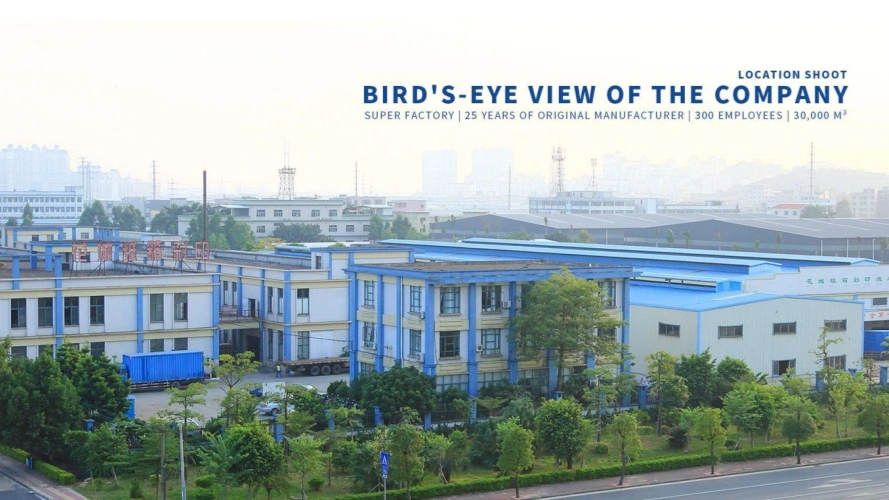
With more than 20 years of experience in the manufacturing industry, Fetching Printing offers top-notch custom mailer box printing services that meet the needs of today's companies. Our 50,000㎡ building has high-tech printing equipment and more than 300 skilled workers whose sole job is to make high-quality packaging that improves your brand's image and the customer experience. Get in touch with our knowledgeable staff at support@fetchingprinting.com to talk about your custom mailer box needs and get unique suggestions that will help you get the most out of your packing budget while still meeting your quality and time constraints.
References
Johnson, Michael R. "Advanced Printing Technologies in Packaging Manufacturing: A Comprehensive Industry Analysis." Packaging Technology Quarterly, 2023.
Chen, Sarah L. "Sustainable Printing Solutions for Commercial Packaging Applications." Environmental Packaging Research Journal, 2023.
Rodriguez, Carlos M. "Digital Printing Revolution in Custom Packaging Production." Modern Manufacturing Technology Review, 2024.
Thompson, Jennifer K. "Cost Optimization Strategies in Commercial Printing Operations." Industrial Printing Management Handbook, 2023.
Williams, David A. "Quality Control Systems in Large-Scale Packaging Manufacturing." Packaging Quality Standards Annual, 2024.
Anderson, Lisa P. "Future Trends in Smart Packaging and Printing Technology Integration." Packaging Innovation Quarterly, 2024