When looking for a trustworthy POS display provider, certifications are the best way to tell if they are compliant, reliable, and offer good quality. A certified supplier shows that they follow global rules for safety, caring for the earth, and making great products. These credentials keep your brand safe from breaking the rules, make sure that your products last in stores, and give you trust that your display solutions will meet customer needs while also helping your business reach its goals.

Understanding the Importance of Certifications for POS Display Suppliers
Certifications are proof that a company always meets quality standards and follows the law in all of their manufacturing processes. These checks make it a lot safer to buy these goods because they make sure that they meet safety standards, environmental rules, and performance goals that are necessary for the product to sell well.
Risk Mitigation Through Certified Suppliers
Working with certified suppliers saves your business from a lot of operational risks. If customers find flaws in your products, they may become unhappy with your brand. Also, if you don't follow the rules, you may get big fines and have legal problems. Regular checks and quality tests on certified suppliers make these expensive interruptions to your store operations less likely.
Brand Credibility and Customer Trust
Certified display options show that you care about quality and safety, which makes your brand look better. Customers can tell when a business puts approved products first. This builds trust and loyalty, which leads to more sales and a good brand image in competitive retail markets.
Real-life cases show how important it is to certify suppliers. Uncertified POS display failures have caused big retail chains major delays and losses. This shows why buying teams need to put documented compliance first when choosing manufacturers.
Key Certifications Every POS Display Supplier Should Possess
When procurement experts are looking at possible suppliers, knowing about important certifications helps them make smart choices. Each certification deals with certain parts of environmental duty, safety compliance, and manufacturing quality that have a direct effect on how well your business does.
Quality Management Certifications
ISO 9001 approval is the standard for quality management systems around the world. It makes sure that suppliers keep making things the same way and keep finding ways to make things better. This proof shows that producers have set up planned ways to check quality, keep customers happy, and run their businesses more efficiently. These actions will help you get better results when you buy things.
Environmental and Safety Compliance
The REACH (Registration, Evaluation, Authorization, and Restriction of Chemicals) and RoHS (Restriction of Hazardous Substances) standards keep harmful chemicals out of POS display materials and make sure they are safe. These licenses are good for people who use the product and show that you care about the world in a way that meets today's standards for sustainability.
FSC (Forest Stewardship Council) and PEFC (Programme for the Endorsement of Forest Certification) credentials verify responsible sourcing of wood-based materials, supporting sustainable supply chain practices that enhance your brand's environmental profile and meet corporate social responsibility objectives.
Regional Compliance Standards
A product must have both a CE mark and a UL sticker to show that it meets all of the safety, health, and environmental protection standards in the European Union and North America. These regional licenses show that you are committed to following the rules in those areas so you can do business in those markets and grow your business internationally.
How to Verify a POS Display Supplier's Certifications?
A systematic approach that checks both authenticity and present validity is needed to correctly verify supplier certifications. This kind of due research keeps your business safe from working with suppliers who might lie about their experience or use certifications that are no longer valid.
Document Verification Process
Start the verification process by asking for official proof and carefully checking expiration dates. To make sure that the certificates are real, the numbers on them should be checked against the files of the groups that gave them out. Real certifications have certain details about the scope, how long they are valid, and how to get in touch with the accrediting group. These details can be checked.
Factory Audits and Inspections
Factory tours make it possible to see how things are made and how quality is checked. These checks make sure that the way things are made follows approved standards. They also give information about the way the business works that affects how long it takes to deliver and how consistent the product is.
Third-party inspection services can confirm the claims and manufacturing skills of suppliers. These professional tests give an unbiased report on the state of the building, the quality systems in place, and how well the company follows certification rules. This helps people feel good about their choice of supplier.
Integrating Certification Criteria into Your POS Display Procurement Process
Adding certification requirements to procurement processes makes sure that suppliers are always evaluated the same way and lowers the risk of making the wrong choice. This method balances the need to make sure things are done right with practical needs like cost effectiveness and delivery timelines.
RFQ and Contract Requirements
Request for quotation papers and supplier contracts should include clear certification requirements. This method makes clear what is expected from the start and gives the business partners a way to deal with non-compliance problems legally if they happen.
Supplier Evaluation Metrics
Make a scoring system that considers the certification status along with other important factors like pricing, wait times, and the ability to customize. This fair method keeps quality assurance as a top goal while also making sure that buying results are competitive and help the business reach its goals.
Long-term benefits of choosing certified sellers first include better dependability, longer warranty coverage, and easier compliance with rules that lower the workload and risks in the supply chain relationship.
Future Trends in Point-of-Sale Display Certifications and Standards
As technology moves forward and people become more aware of environmental issues, the certification scene keeps changing. Staying up to date on new trends makes it possible to plan ahead when buying goods. This helps your business stay ahead of the competition and follow the rules.
Sustainability and Circular Economy Focus
New certificates that stress the use of eco-friendly materials and circular economy ideas show that retail markets are becoming more aware of environmental issues. These rules encourage the use of reusable materials, a smaller carbon footprint, and long-lasting ways of making goods that are in line with both environmental business goals and customer expectations.
Digital Display Standards
Newer, smart, and interactive POS display technologies need extra certifications for data security, electrical safety, and energy economy. These new standards keep the old rules for safety and quality in mind while also taking into account the needs of digital stores.
Expected changes in rules in Europe and North America include new Ecodesign rules and broader policies for buying environmentally friendly products. Procurement teams should keep an eye on these changes so that they can make sure their suppliers stay in line with new laws and customers' wants.
Conclusion
Choosing certified suppliers is a smart move that helps the business stay successful in the long run by making sure things are done right, avoiding risks, and protecting the brand. The broad licensing system for regional standards, quality management, and environmental compliance gives good signs of a supplier's ability and dependability. Procurement professionals who put these qualifications first build supply chain partnerships that always add value and perform well in competitive retail settings and feel good about their sourcing choices.
FAQs
How long do supplier approvals usually last?
Most certifications are good for one to three years. Annual surveillance checks are needed to make sure that compliance continues. Before the end date, suppliers must go through the recertification process to show that they continue to meet the necessary standards.
Are different approvals needed for digital displays versus traditional static ones?
Digital displays need more certifications, such as those for electromagnetic compatibility, electrical safety, and energy economy. These add to the standard ways of certifying the quality of materials and manufacturing while also meeting the special technical needs of electronic display parts.
How can I make sure a supplier's claims about their certifications are true?
Verification includes looking at audit records, making sure that certificate numbers are correct with the groups that gave them out, and checking expiration dates. A lot of groups that give out certifications keep online databases for proof. Also, third-party inspection services can confirm a supplier's credentials and manufacturing capabilities.
Partner with Fetching Printing for Certified Display Solutions
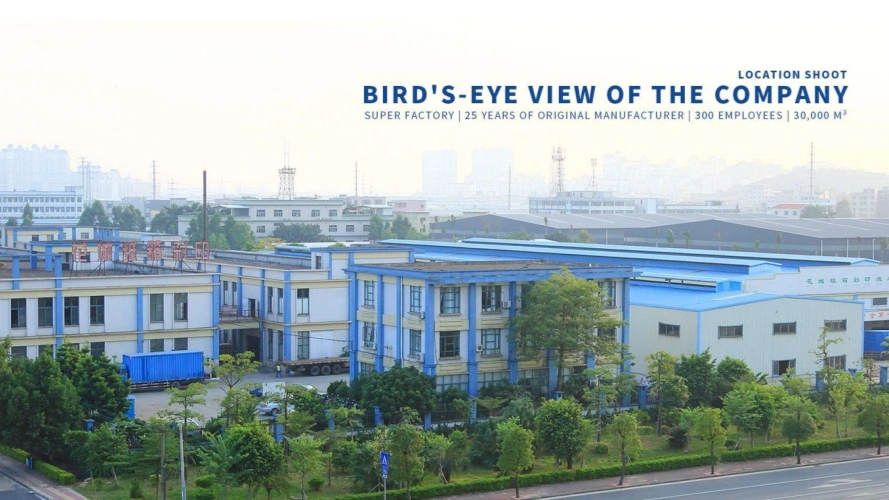
For more than twenty years, Fetching Printing has been a great manufacturer and provider of certifications. Now, they are here to help you with your POS display buying needs. We're committed to quality and environmental duty, as shown by our ISO 9001-2015 and ISO 14001-2015 management systems, our FSC and G7 Color Management certifications, and our participation in the G7 program. We are a trusted POS display maker, and our 50,000㎡ facility upholds high standards while serving a range of industries, from e-commerce and electronics to cosmetics and luxury goods.
Our skilled group of packaging engineers creates unique ways to meet your exact certification needs and business goals. No matter if you need to protect electronics, get high-end hard boxes for makeup, or find safe materials for drink goods, our certified methods guarantee quality and compliance with the rules so your brand stays safe.
Get in touch with us at support@fetchingprinting.com if you want to talk about your certified packing needs and learn more about how our wide range of certifications can help you get what you need.
References
International Organization for Standardization. "Quality Management Systems - Requirements." ISO 9001:2015 Standard Documentation.
European Union Commission. "RoHS Directive 2011/65/EU: Restriction of Hazardous Substances in Electrical and Electronic Equipment." Official Journal of the European Union.
Forest Stewardship Council. "FSC Principles and Criteria for Forest Stewardship." FSC Standard Documentation, Version 5.2.
Underwriters Laboratories. "Standard for Safety of Information Technology Equipment." UL 2089 Certification Guidelines.
American National Standards Institute. "Accessible and Usable Buildings and Facilities." ANSI A117.1 Accessibility Standards.
European Committee for Standardization. "CE Marking Directive 93/68/EEC: Conformity Assessment and Market Surveillance." European Standards Documentation.