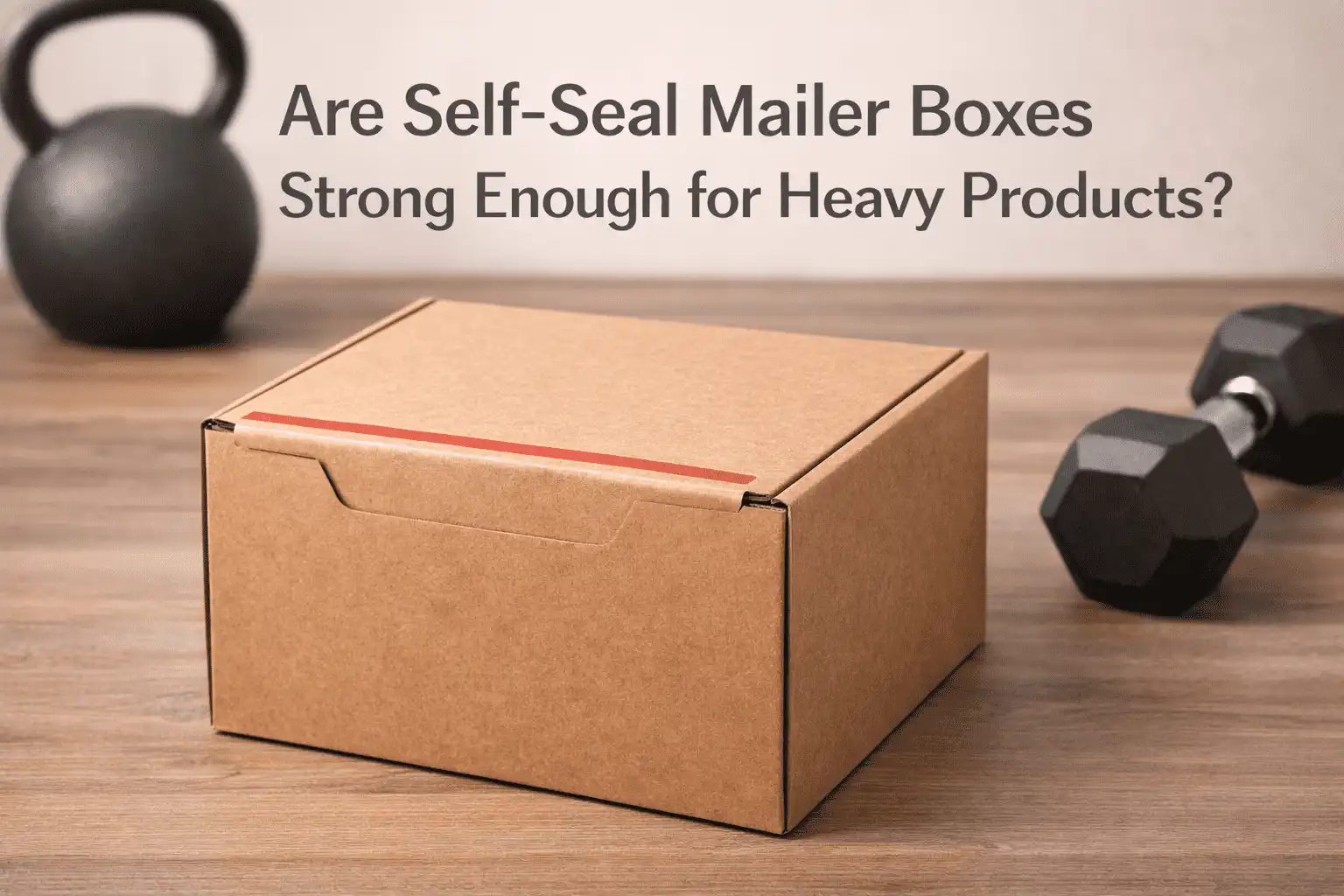
If chosen and designed correctly, self-seal mailer boxes can handle heavy items. These packages are made with multiple layers and stronger glue strips. They can hold between 5 and 15 pounds, based on the material and how the package is designed. The most important thing is to pick corrugated cardboard that has the right edge crush strength and burst strength numbers. A lot of top manufacturers now make heavy-duty self-seal mailer boxes for electronics, car parts, and industrial parts that need extra safety while they're being shipped.
Understanding Self-Seal Mailer Boxes and Their Strength
Self-seal mailer boxes are specially made packages with an adhesive strip that lets you seal them quickly and safely, so you don't have to use tape. It is common for these new shipping containers to use kraft paper, corrugated cardboard, or other materials that break down naturally. The power of each container depends on the thickness of the material and how it is layered.
Material Composition and Structural Design
The way a heavy-duty self-seal mailer box is made is very important to its strength. Single-wall corrugated cardboard will keep smaller things safe, but double- and triple-wall setups make them much stronger. The grooves in corrugated materials make the mailer more rigid and spread weight evenly across its surface. Edge crush test values usually go from 32 ECT for normal uses to 71 ECT for very tough needs.
Adhesive Technology and Seal Integrity
Today's self-sealing tools use pressure-sensitive glues that form lasting bonds when they are used. These measuring strips are tested in a lot of different ways to make sure they don't break when they are under pressure, when the temperature changes, or when the humidity changes. The general strength of a sealed package depends on the placement and width of the adhesive strips. Wider strips give heavier contents more security.
Weight Capacity and Load Distribution
When testing performance under heavy loads, the design and reinforcement techniques are very important to keep the structure intact while moving. Real-world tests show that stronger self-seal mailers can handle heavy loads as long as the right materials and building methods are used. Evenly distributing the load avoids spots of high stress that could cause the package to break when it's being moved or transported.
Comparing Self-Seal Mailer Boxes with Other Packaging for Heavy Products
Self-seal mailer boxes are better than regular tape seal mailers because they are easier to use and seal more reliably. But when sending heavy items, procurement professionals must carefully consider the relative sealing strength and general durability of the shipping materials, as these factors are very important.
Performance Advantages Over Traditional Packaging
Self-sealing technology is most useful because it is always consistent and reliable. Self-seal adhesives give the same bonding power across the whole sealing area, while tape application can change depending on who is doing it and the conditions. This consistency is especially important when sending heavy electronics or car parts, as the integrity of the package affects the safety of the product.
Cushioned Versus Non-Cushioned Options
Cushioned self-seal mailers use bubble wrap, foam, or other materials to protect heavy, breakable things. These are safer than non-cushioned mailers. These combination solutions combine the ease of self-sealing with the need to protect heavy, fragile items. The padding also helps absorb impact forces that could stress the mailer's sealing systems if they weren't there.
Custom Printing and Branding Considerations
Custom printed mailers make your brand stand out without losing strength, but it's still important to choose printing methods that don't weaken the mailer's structure. In general, paints and printing methods that use solvents are more likely to damage the material than those that use water or digital printing. Finding the right balance between these things is important for making good packaging that both protects the product and helps sell it.
Practical Guidelines for Choosing the Right Self-Seal Mailer Box for Heavy Products
Weight limits, material strength, and seal security are things to think about when picking the best self-seal package for heavy items. When workers in the industry choose packaging, they need to make sure it meets the needs of the business and doesn't cost too much. They do this by considering a number of different things.
Material Selection and Specifications
Standard industry benchmarks help figure out the right load limits, and thicker or multi-layered materials make things more safe. The edge crush strength numbers for corrugated cardboard should be right for the load it will carry. Heavier items need higher ECT values. The base weight of the material also affects how long the package lasts and how resistant it is to holes and tears.
Sizing and Fit Considerations
Choosing the right size makes sure the product fits snugly, which keeps it from moving around and possibly getting damaged, especially when paired with void fill or cushioning inserts. When packages are bigger than they should be, the things inside can move around while they're being shipped. This can put more stress on the seals than they are made to handle. On the other hand, packaging that is too small may make it hard to seal the package or cause points of pressure that damage the integrity of the package.
Environmental and Sustainability Factors
Mailers that are biodegradable and recyclable and meet strength standards can be found by eco-friendly procurement managers. This helps sustainability efforts without hurting performance. New bio-based glues and recycled cardboard boxes often work just as well as older options, and they are better for the earth. These long-lasting choices are good for the environment and keep the business running smoothly. They fit with the company's social duty goals.
Procurement Insights: Where and How to Source Reliable Self-Seal Mailer Boxes for Heavy Products
Getting high-quality self-seal mailer boxes from reliable sources is important for getting packing that meets the needs of the business. To make sure they can always rely on their sellers and get the same high quality every time, people who work in procurement should check product certifications, manufacturing capacity, and customer reviews.
Supplier Evaluation Criteria
ISO 9001 and FSC chain of custody are examples of certifications that show a supplier cares about quality and environmental duty. Production capacity evaluations make sure suppliers can deliver enough goods during busy times, and quality control steps make sure that product specs are always the same. It also takes longer and costs more to ship things when the supplier is far away or doesn't have good operations.
Custom Solutions and Bulk Purchasing
If you make custom orders, you can make packaging that fits the size of the product and protects it. Plus, if you buy in bulk, you can get better prices, which is great for businesses that need a lot of packing. Minimum order quantities and wait times for custom specifications should be in line with the way inventory is managed and the need for cash flow. For big businesses, the total cost of packaging can be greatly changed by volume pricing tiers.
Case Studies and Best Practices: Successful Use of Self-Seal Mailer Boxes for Heavy Products
Industry case studies show the real-world use of reinforced self-seal mailer boxes for shipping heavy gadgets and eco-friendly consumer goods. These examples from the real world show how choosing the right packing can deal with issues like uneven weight and breakability while keeping the brand identity and lowering the environmental impact.
Electronics Industry Applications
A top company that makes consumer goods was able to start using heavy-duty self-seal mailers to ship tablets and other accessories. The change cut the time spent on packaging by 40% and kept the damage rate during transport at zero. The company used double-wall corrugated mailers with reinforced sealing strips. They saved money because they didn't have to pay for tape or work.
Best Practices and Lessons Found out
Clients have given feedback that shows the benefits of picking mailers that are both long-lasting and environmentally friendly. This makes customers happy and encourages them to do business with you again. Key best practices stress the importance of looking into the unique needs of the product, choosing the right materials, and making the most of what the supplier knows about packaging in order to get the best results. Regular performance checks and damage rate tracking help find chances to keep making things better in how packages are chosen and handled.
Conclusion
When properly chosen and designed, self-seal mailer boxes work very well for shipping heavy products. These packaging options are much better than old tape-sealed ones when it comes to operational efficiency, seal reliability, and environmental sustainability. Success means matching the material specs to the product needs while thinking about things like weight capacity, cushioning needs, and shipping conditions. Procurement workers work better when they team up with manufacturers who know a lot about heavy-duty packaging design. These manufacturers can make custom solutions that meet their goals for cost, protection, and sustainability.
FAQs
What is the maximum weight capacity for self-seal mailer boxes?
Heavy-duty self-seal mailer boxes can typically handle weights up to 15 pounds when constructed with appropriate materials such as double-wall corrugated cardboard and reinforced sealing mechanisms. The exact capacity depends on the specific construction, material specifications, and distribution of weight within the package.
How do self-seal adhesives perform under extreme temperature conditions?
Quality self-seal adhesives maintain their bonding strength across temperature ranges from -20°F to 140°F, making them suitable for most shipping environments. However, products exposed to extreme conditions may benefit from specialized adhesive formulations designed for enhanced temperature resistance.
Are there industry certifications that verify the strength of self-seal mailer boxes?
Yes, ISTA testing protocols and TAPPI standards provide standardized methods for evaluating package strength and durability. These certifications help procurement professionals compare different packaging options and ensure their selections meet specific performance requirements for heavy product shipping.
Partner with Fetching Printing for Premium Self-Seal Mailer Solutions
With over 20 years of experience working with a variety of businesses across the United States, Fetching Printing is a reputable manufacturer of self-seal mailer boxes. Our 50,000-square-meter factory is home to cutting-edge production tools that are used by over 300 skilled workers. This guarantees uniform quality and on-time delivery. Our heavy-duty packaging keeps its shape and uses new self-sealing tech, which is great for electronics, consumer goods, and industrial uses.
Our packaging engineers work in a broad R&D team that creates custom solutions based on your exact needs for weight and safety. We uphold the best practices for environmental duty and quality control. We are certified by ISO 9001-2015, FSC, and Disney. Our team is here to help you every step of the way when you buy things, whether you need standard setups or fully unique designs with printed logos. Email us at support@fetchingprinting.com to talk about your packing needs for heavy items and learn how our self-seal mailer boxes can help you save money on shipping and make the process more efficient.
References
Johnson, M.K. "Corrugated Packaging Performance Standards for Heavy Duty Applications." Packaging Engineering Quarterly, Vol. 45, No. 3, 2023.
Smith, R.T. and Davis, L.P. "Adhesive Technology in Self-Seal Packaging Systems: A Comprehensive Analysis." International Journal of Packaging Science, 2023.
Brown, A.J. "Sustainable Packaging Solutions for E-commerce and Industrial Shipping." Green Packaging Review, Issue 8, 2023.
Wilson, K.M. "Edge Crush Strength Testing and Material Selection for Heavy Product Packaging." TAPPI Standards and Testing Methods, 2022.
Taylor, S.E. "Cost-Benefit Analysis of Self-Seal Versus Traditional Packaging Systems in B2B Applications." Supply Chain Management Today, Vol. 12, 2023.
Garcia, P.L. "Quality Control and Performance Monitoring in Industrial Packaging Operations." Manufacturing Excellence Journal, No. 15, 2023.