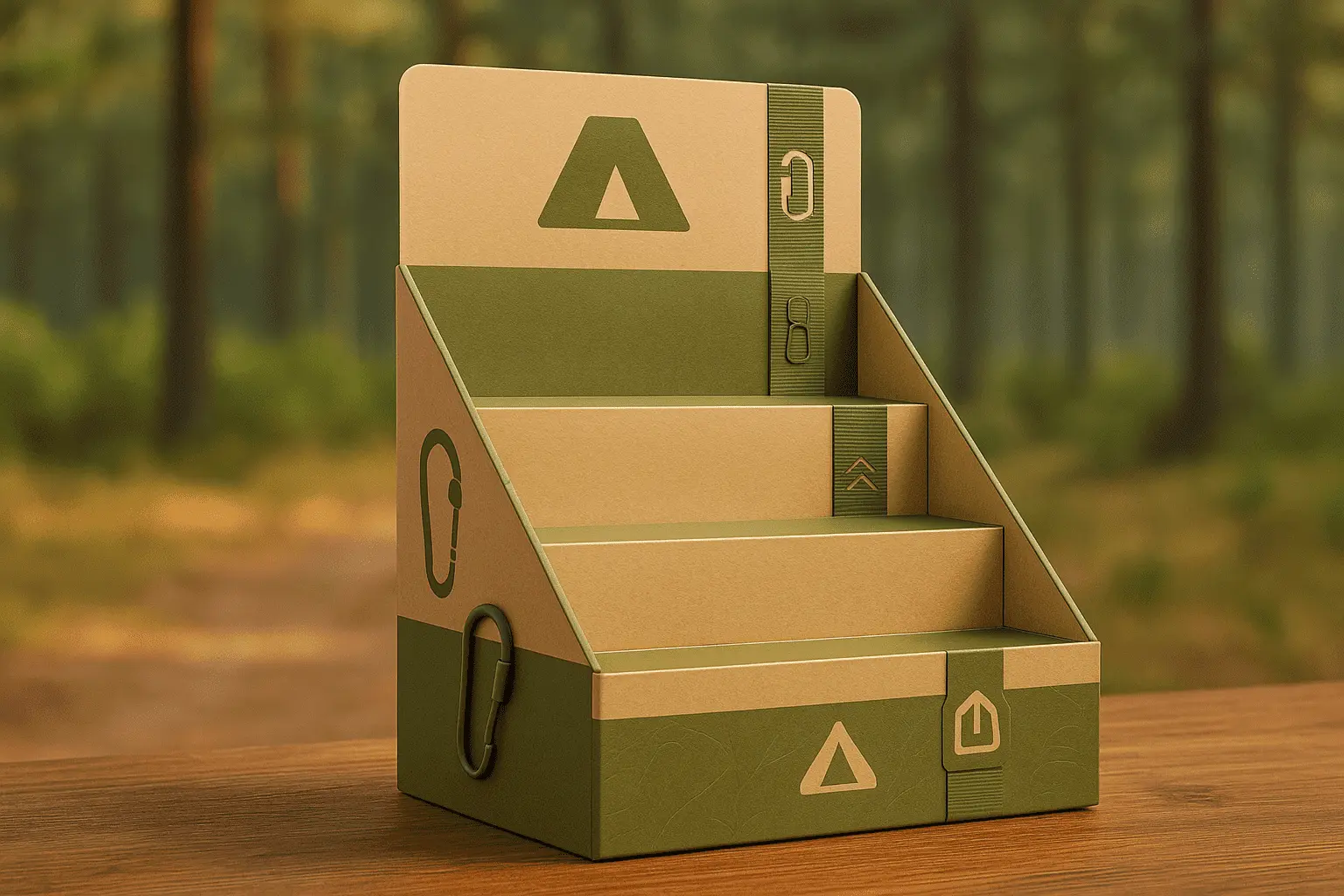
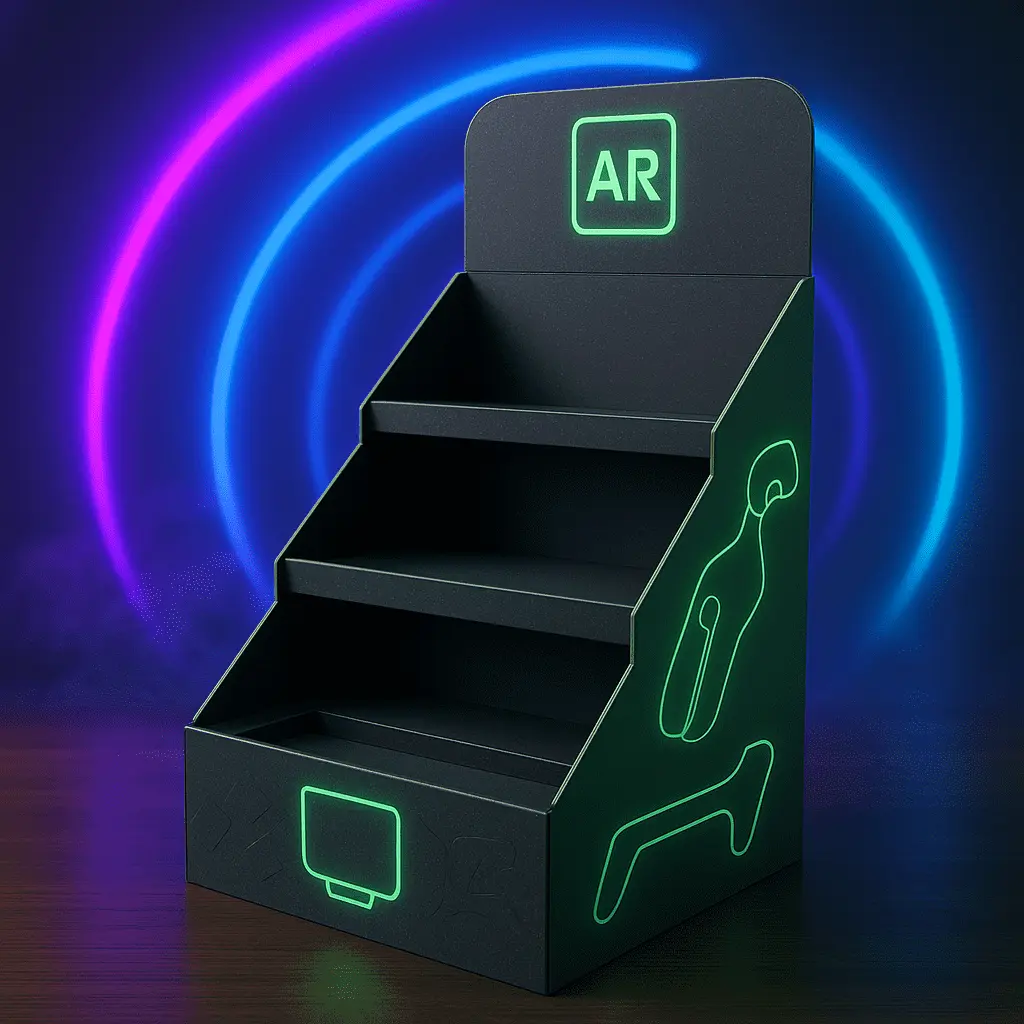
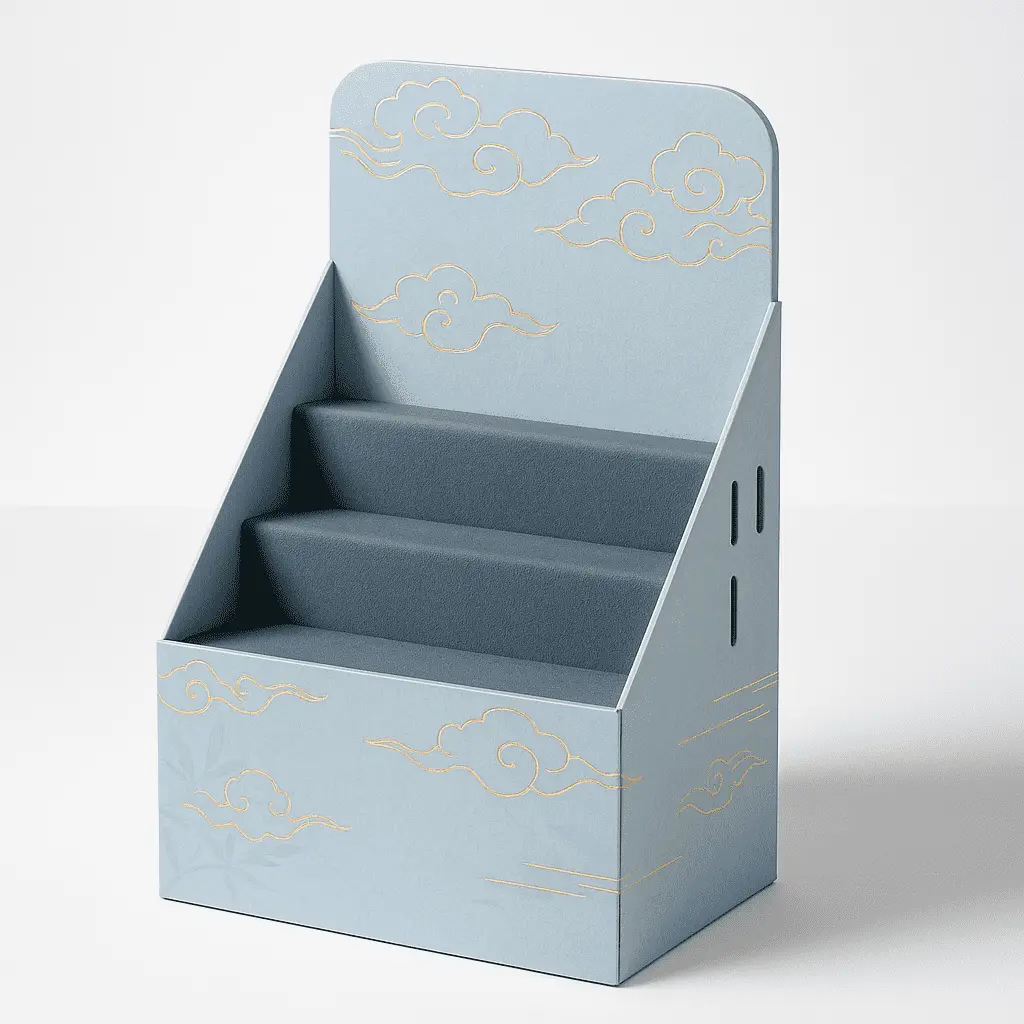
Retail-ready packaging is a planned way of making packages that makes it easier for stores to put products on their shelves while keeping the brand name visible and the packaging process quick. With this special packaging method, goods can go straight from distribution centers to the sales floor without store staff having to pack or unpack them again. Retail-ready solutions are different from regular protective packaging because they focus on protecting the product and making it look good on the shelf. They have features like easy-open perforations, clear sight of the product, and big branding elements that make it easier for customers to recognize the brand and decide to buy it.
Understanding Retail-Ready Packaging: Definition and Importance
Today's stores need packaging that does more than just protect the goods. Retail-ready packaging meets these changing needs by combining features that make the package look good on the shelf with features that make the packaging process more efficient.
Core Components and Features
Retail-ready packaging has a number of important features that set it apart from standard shipping cases. With these packaging solutions, store staff can quickly get products ready for display through easy-access openings without having to follow a difficult unpacking process. Branding features make sure that people know what the product is and that the look of the product stays the same in all kinds of stores.
The structural design focuses on protecting the product while it's being shipped and making it look good when it's on show. Because of this, there is no need for extra packing or repackaging, which saves money and time. While following store merchandising rules, product information panels give customers important information.
Distinguishing Features from Traditional Packaging
Before items are shown to customers, they often have to be fully taken out of traditional packaging systems so that they can be protected while being stored and transported. Retail-ready options keep their protective qualities while adding features that make the product more visually appealing on the shelf.
Adding merchandising features right into the package makes the product stand out on the shelf right away, so it doesn't need any extra advertising. This method cuts down on waste and makes sure that the brand is always shown the same way in different stores and ways of shipping.
When and Why Should Brands Use Retail-Ready Packaging?
Using the right retail-ready packaging can have a big effect on how well a brand does in different types of markets and ways of shipping.
Optimal Implementation Scenarios
Retail-ready packaging solutions are especially helpful for fast-moving consumer goods because they need to be restocked often and the turnover rate is high. Personal care goods, food and drinks, and household necessities are all great examples of where shelf efficiency has a direct impact on sales.
Online-only businesses that want to sell their products in-person can use these packaging options to look professional on the shelf and keep their business running smoothly. The packing has two jobs: it protects the items while they're shipping, and it makes the products look good when they're in stores.
Industry-Specific Applications
Electronics producers use retail-ready packaging to show off the features of their products while still keeping them safe. The package often includes windows or pictures of the product that show important benefits without hurting the quality of the product.
Luxury retail-ready packaging is advantageous for makeup and beauty brands because it presents products beautifully on shelves and makes it simple to restock. These uses often use advanced ways of finishing and high-quality materials that are in line with brand positioning strategies.
Strategic Advantages Over Alternative Solutions
When retail-ready packaging is compared to standard bulk packaging, it shows a lot of operational benefits. Less handling time means lower labor costs, and better store presentation can make more people see and interact with the product. The streamlined method for restocking allows inventory to turn over more often and helps with overall stock management.
Designing Effective Retail-Ready Packaging: Best Practices and Materials
Aesthetic appeal, useful performance, and cost-effectiveness must all be carefully balanced in order for retail-ready packaging design to work.
Essential Design Principles
A very important part of good retail-ready packaging design is visual order. The parts of the brand should be easy for customers to see, and the information about the product should be easy for customers to get to. In competitive stores, it's important that color schemes and images make the brand stand out on the shelf.
Easy-open holes, carrying handles, and stackability are all functional features that make a product easier to use, keep it safe, and help the business run more efficiently. These things need to be added to the design in a way that doesn't hurt how it looks or how well it's built.
Material Selection Considerations
The performance and long-term use of retail-ready packaging options are greatly affected by the materials that are used. Recyclable corrugated materials are great at protecting things and also help the earth. Lightweight design keeps the strength needed to lower shipping costs.
Advanced coating technologies can make moisture protection and printability better while keeping recyclability. These materials make sure that the graphics stay clear and that the products stay safe while they're being shipped and on show in stores.
Customization Opportunities
Brands can make their products stand out on the shelves and meet the needs of different stores at the same time by using customization tools. Changes to the structure can make different sizes and shapes of products fit while keeping the look of the brand the same. Spot UV treatment or embossing can make a product seem more high-end without adding much to the cost of production.
Procuring Retail-Ready Packaging: How to Find the Right Supplier and Managing Costs
A full review of packaging partners' skills, credentials, and strategic connection with business goals is needed to make the right choice.
Supplier Evaluation Criteria
Manufacturing must be able to make the right amount of products that meet the quality standards for store settings. Suppliers should show that they have worked with retail-ready packaging before and have the right certifications, like ISO quality management systems and sustainability awards.
The production capacity and lead time skills have a direct effect on when products are launched and how inventory is managed. Trustworthy providers offer quality that doesn't change and production that can grow with your business.
Cost Structure Analysis
To understand the total cost, you have to do more than just look at the packing costs. The overall value proposition includes the benefits of making stocking easier, which saves on labor; getting rid of extra packaging, which lowers waste; and making shelves look nicer, which might help raise sales.
Both the cost per unit and the minimum number of items that can be ordered depend on volume. Strategic planning can help you figure out how many of each item to order so you can get the best prices while also keeping the right amount of goods on hand and managing your cash flow.
Sustainability and Compliance Requirements
In every part of the economy, packing choices are more and more affected by environmental concerns. Suppliers who use eco-friendly materials and fair manufacturing methods support corporate sustainability programs and meet customers' standards for environmental friendliness.
Following the rules that each individual store has for their products makes sure that they are accepted and distributed without any problems. Knowing these needs early on in the development process avoids expensive changes and delays in launching the product.
Embedding Retail-Ready Packaging Solutions into Your Supply Chain Strategy
Adding retail-ready packaging to the current supply chain must be done carefully across a number of different areas and groups of people.
Supply Chain Integration Benefits
Packaging methods that are more efficient make the whole distribution chain easier to handle, keep inventory accurate, and lower the rate of damage. These changes mean that businesses can spend less money and make customers happier across all store partnerships.
Better product visibility and uniform presentation help build a brand while lowering the need for promotional materials. The packaging is a useful way to market the product because it talks directly to customers about the brand's beliefs and the product's benefits.
Implementation Strategy
To make sure that the packaging both works properly and fits the brand, the buying, operations, and marketing teams must work together. People from different areas of the business coming together to plan can find possible problems and come up with ways to deal with them before production starts.
Pilot programs let people try packaging solutions in a small number of stores before they are used everywhere. This method makes it easier to improve ideas and processes while lowering the risks that come with making big changes.
Partnership with Fetching Printing
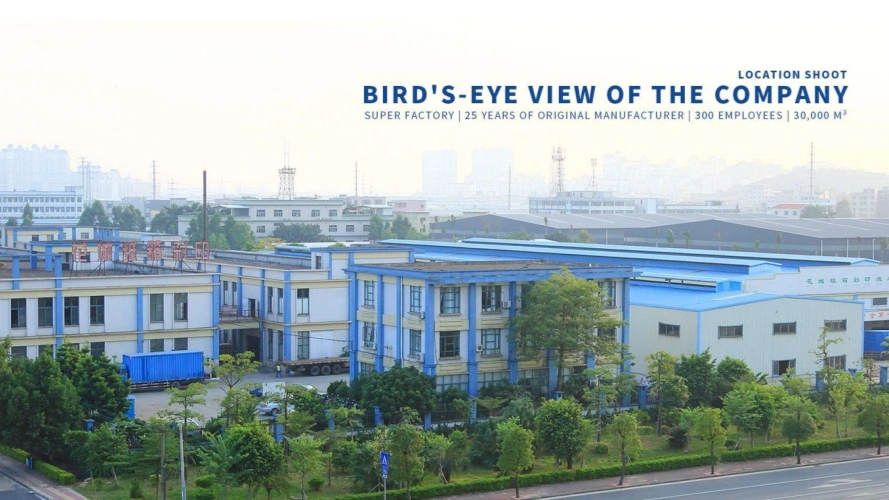
Fetching Printing has been working in the packaging industry for over twenty years, and now they are making store ready packaging. Our 50,000-square-meter factory and team of more than 300 skilled workers make it possible to produce a lot of goods while keeping quality standards high for every type of product.
More than ten packaging engineers with significant experience in retail-ready packaging applications are part of our specialized R&D department. These professionals work with their clients to create unique solutions that meet the needs of the business while also cutting costs and boosting environmental performance.
Conclusion
Retail-ready packaging is a big step toward making operations more efficient and improving the look of your brand. It can have a big effect on business performance across multiple channels. Adding protective, aesthetic, and useful features to packaging makes it possible to meet both operational and marketing goals in a great way.
Careful planning, choosing the right suppliers, and making sure it works with the current supply chain are all parts of a successful execution. Brands that carefully choose retail-ready packaging often find that their products look better on the shelf, their operational costs are lowered, and their customers are more engaged. All of these benefits can be seen in the business's bottom line.
FAQs
How is retail-ready packaging better for sales than regular packaging?
Retail-ready packaging makes products more visible on shelves, speeds up the restocking process, and makes displays that are more eye-catching to customers. Better shelf presentation is more effective than standard bulk packaging, which studies show can increase sales by 15–25%.
When you order unique retail-ready packaging, how long does it usually take to get it?
It usually takes about 4 to 12 weeks for a project to be completed, but this can change depending on how hard it is and how much customization is needed. Making small changes to designs that are already out there might shorten wait times, but completely new designs with new tools might make them longer.
Are there affordable ways for small businesses to get retail-ready packaging?
A lot of companies offer scalable solutions that include semi-custom choices and modular designs. These options keep costs low while still getting the job done for retail. With these methods, smaller companies can get professional packaging without having to buy a lot of it.
Partner with Fetching Printing for Advanced Retail-Ready Packaging Solutions
Change the way you do business with unique retail-ready packaging made just for your brand's needs. Fetching Printing uses its cutting-edge production and deep knowledge of design to make packaging that looks great on the shelf and makes your business more efficient.
For a variety of industry uses, including electronics, cosmetics, food products, and consumer goods, our ISO-certified facility and skilled engineering team specialize in developing retail-ready packaging solutions. We know how hard it is for procurement workers and brand managers to choose packaging partners.
Are you ready to learn how retail-ready packaging can help your brand do better in stores? To talk about your exact needs and find custom solutions that help your business goals, get in touch with our packing experts. To start working on packing that will help you in competitive stores, email our team at support@fetchingprinting.com.
References
Smith, J.A. "Retail-Ready Packaging: Strategic Implementation for Modern Supply Chains." Journal of Packaging Technology, Vol. 45, Issue 3, 2023, pp. 78-92.
Chen, L.M. "Consumer Response to Retail-Ready Packaging in FMCG Categories." International Packaging Research Quarterly, Vol. 28, No. 2, 2023, pp. 145-162.
Rodriguez, M.E. "Cost-Benefit Analysis of Retail-Ready Packaging Implementation." Supply Chain Management Review, Vol. 67, Issue 4, 2023, pp. 34-48.
Thompson, K.R. "Sustainable Materials in Retail-Ready Packaging Applications." Environmental Packaging Technology, Vol. 12, No. 1, 2024, pp. 23-41.
Wilson, D.B. "Retail-Ready Packaging Design Principles for Enhanced Shelf Performance." Packaging Design Innovation, Vol. 19, Issue 2, 2023, pp. 56-73.
Kumar, S.P. "Integration Strategies for Retail-Ready Packaging in Global Supply Chains." International Business Logistics, Vol. 33, No. 3, 2023, pp. 112-129.