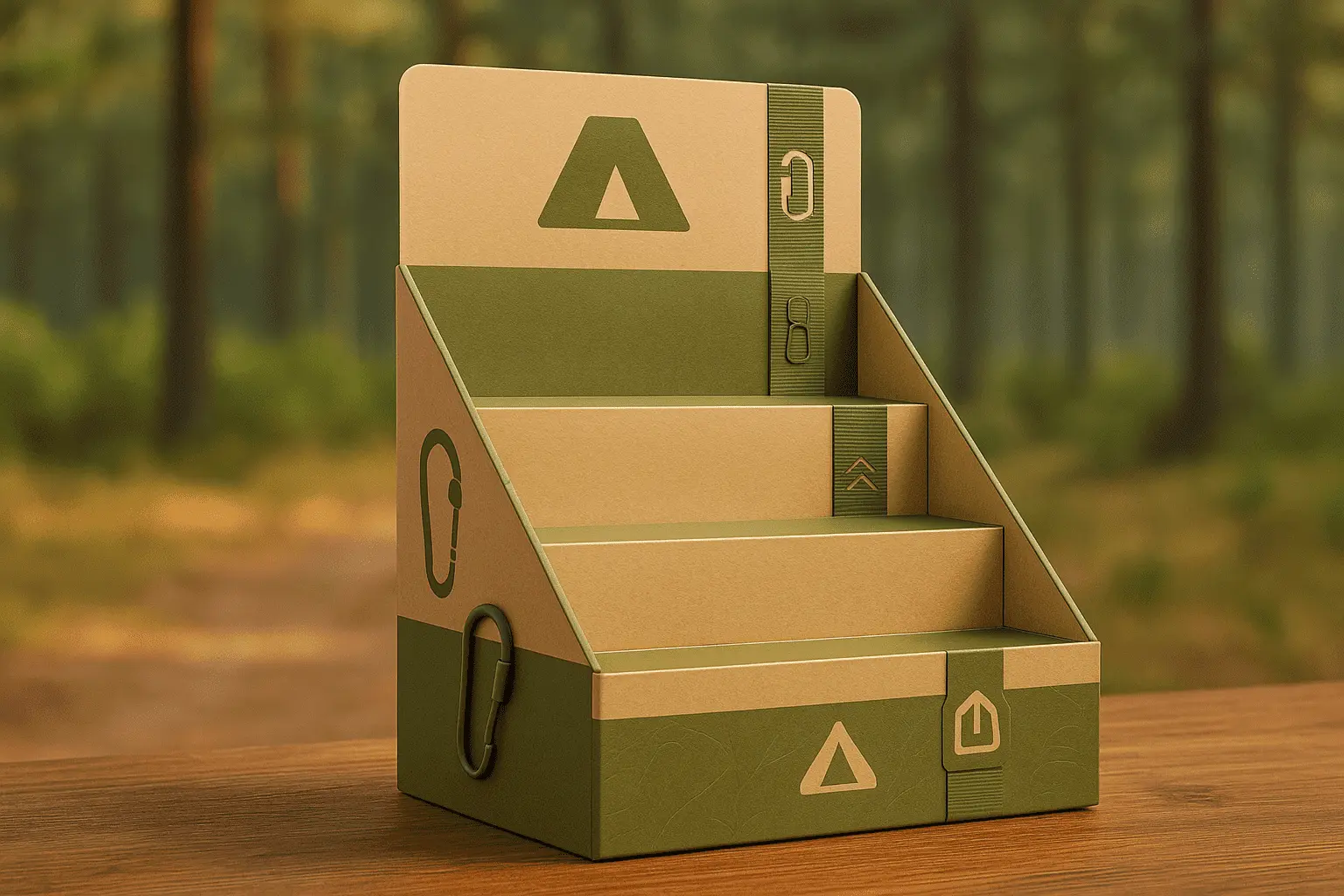
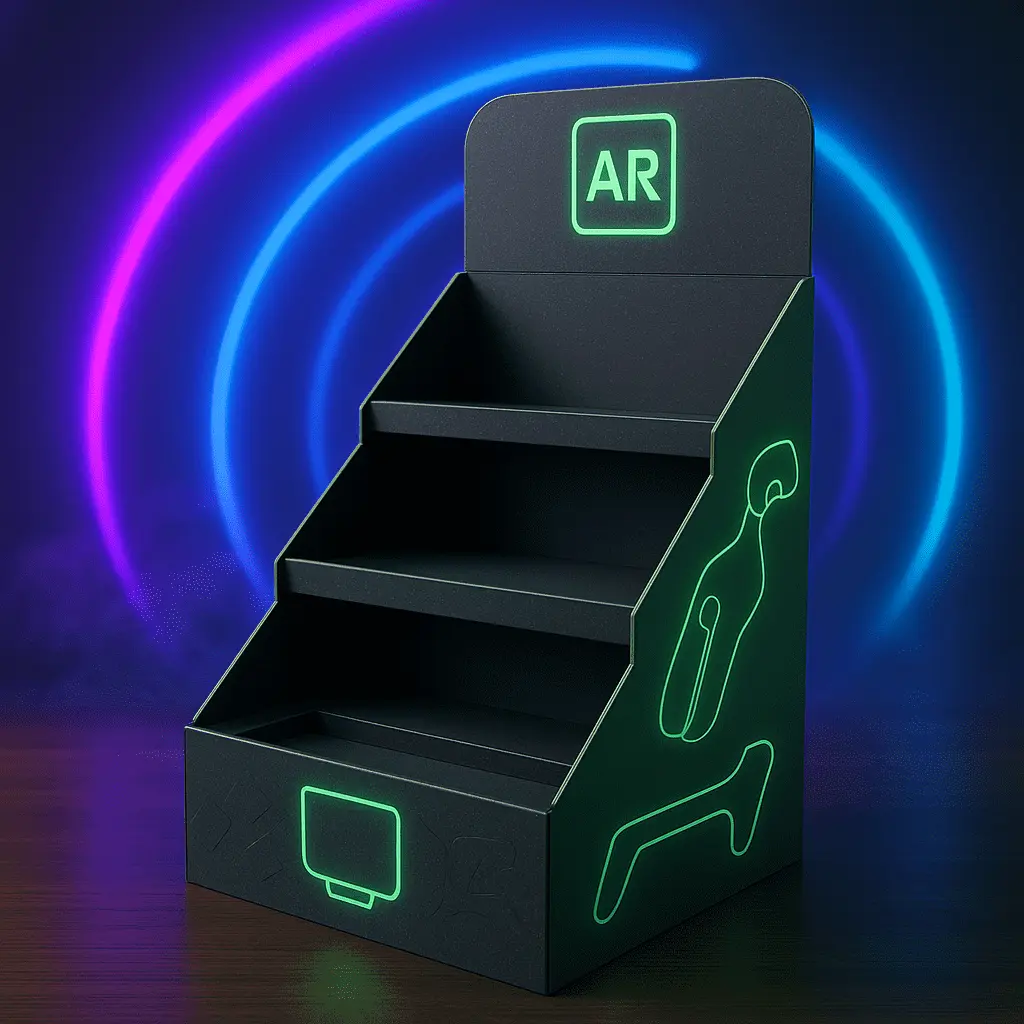
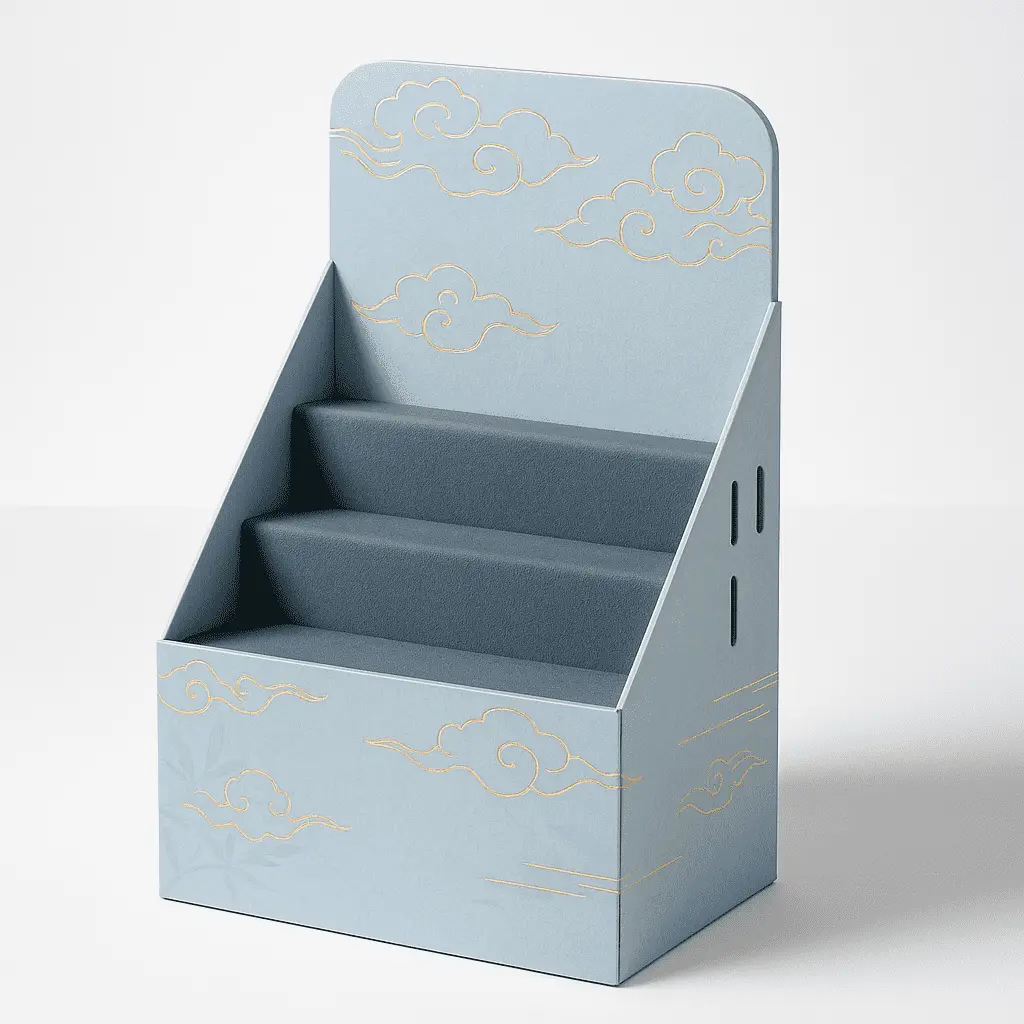
The world of packaging is still changing quickly. In 2025, color mailer boxes will have gained a lot of popularity over standard white ones. A recent study of the industry shows that colored packaging solutions now make up about 67% of all custom mailer orders. This is mostly because e-commerce brands want to better connect customers and set themselves apart from competitors. This change shows that more and more people want visually appealing unboxing experiences. This makes color choice an important factor for businesses planning their packing strategies.

Understanding the Core Differences Between Colored and White Mailer Solutions
The difference between colored and white mailer packaging goes far beyond aesthetic appeal. When modern businesses choose the right shipping containers for their goods, they look at a number of factors.
These types of packaging are set apart by three main differences:
- Making mailers: colored mailers need special printing methods and high-quality paints, while white mailers are made with regular bleached paperboard.
- Possible effects of a brand: Custom color schemes make brands stand out right away, while white packaging relies on printed pictures to show what it is.
- Cost: Because they are easier to make, white boxes usually cost 15 to 25 percent less per unit.
Differences in ability are strongly linked to the composition of the material. Testing done in labs by packaging research facilities shows that colored corrugated materials keep their structure just as well as white ones. The average compression strength number for both types is 32 ECT (Edge Crush Test), when the base materials are the same.
If you want your brand to stand out and give customers a unique experience, colored packaging is the way to go. On the other hand, white boxes are useful if you need to ship things cheaply and don't need to put your logo on them.
2025 Market Performance Data and Consumer Behavior Insights
New market study shows strong preferences for colored packaging solutions in many different types of businesses. E-commerce analytics show that packages featuring branded color schemes produce 43% higher social media sharing rates compared to plain white alternatives.
Studies of consumer behavior show a few important facts:
- Ratings for the unboxing experience: Customers are happier with colored color mailer boxes (4.2 out of 5.0) than white packaging (3.1 out of 5.0).
- Better brand recognition: In the 30 days after arrival, custom-colored packaging makes brands 68% more recognizable.
- Correlation between repeat purchases: Brands that use unique color package report 23% more customers staying with you.
Industry procurement data shows that custom color schemes are most popular in the electronics and cosmetics industries. For example, 78% of beauty brands now use colored mailer options. At 34%, food and drink businesses are the least likely to adopt new technologies, often putting regulatory compliance ahead of aesthetic concerns.
If you need to make choices about packaging for consumer-facing brands based on data, then colored options are more in line with what people want right now. But if you just need simple B2B shipping options, white boxes will still work fine.
Cost Analysis Framework for Strategic Decision Making
When choosing packing, budget is very important, and when doing a full analysis, you need to look deeper than just unit costs to see how much it all costs. Cost structures are very different based on the number of orders, the type of packaging, and the long-term goals of the business.
Patterns can be seen when you directly compare the different types of packing. Prices per unit tend to be higher for smaller orders, while prices are more even for medium-sized orders. The most cost-effective way to make things is in large quantities. Economies of scale help both colored and white boxes. In general, white mailers are cheaper than colored mailers because they require more materials and preparation steps.
However, secret value factors make it harder to compare costs per unit. Many marketing teams say that using brightly colored packaging can cut down on the need for extra advertising materials. This can help improve how people see the brand and lower ongoing marketing costs. This indirect value can help make up for some of the higher initial cost and make the brand stand out more in the long run.
Custom color development adds more setup work, like making changes to the design, calibrating the colors, and getting ready for production. Because of these setup needs, colored packaging works better for brands that have steady long-term demand or marketing plans that don't change. White packaging, on the other hand, usually doesn't need much work to set up. This makes it perfect for businesses that want flexibility, faster production cycles, or testing programs with low commitment.
For those who want to make sure they stick to their budget and don't have to spend a lot of money up front, white boxes are a good option.
Using colored packaging is a better way to reach your long-term goal of building a stronger brand identity and reducing the need for different marketing materials.
Industry-Specific Applications and Performance Requirements
Based on operational objectives and customer expectations, different industries show different preferences. Understanding the unique needs of the industry helps you choose the best packaging.
Online stores are choosing colored options more and more for a number of reasons:
- Improving the customer experience: Unique packaging makes opening moments that people will remember and want to share on social media.
- Colored mailers help products stand out in crowded markets by differentiating brands.
- Taking care of returns: Branded packaging makes it easier to find items during backward logistics activities.
Electronics makers put different things at the top of their lists. Most of the time, anti-static needs and protective skills are more important than how something looks. However, more and more high-end electronics brands are using colored packaging such as color mailer box to reinforce their image as high-end and explain their higher prices.
Colored packaging is an important way for cosmetics companies to show off their brands. According to research in the beauty business, 89% of first-time buyers are influenced by how the packaging looks. This means that choosing the right color is very important for market success.
Food and drink makers have to deal with special problems. FDA rules say that certain printing paints can't be used on food, which limits the colors that can be used and raises the cost of compliance. A lot of food and drink businesses use a mix of methods, with white walls inside and colored graphics outside.
If you need options that are industry-standard and don't involve a lot of rules, white packaging is often a better choice. On the other hand, colored options do better in the market if you need to stand out from the crowd in a crowded store.
Sustainability Considerations and Environmental Impact Assessment
Environmental duty is affecting packaging choices in all fields more and more. Both colorful and white mailers have different levels of sustainability that affect their long-term usefulness.
An study of recyclables shows important differences:
- Standard white packaging can be recycled 94% of the time in municipal recycling systems.
- Different colored options: Keep 87% of the paper recyclable, with a small drop because of the ink.
- Ink systems that use water: Close the gap by making it possible to fully customize the colors and reaching 92% recycling.
Studies of carbon footprints show that making colored packaging releases about 12% more CO2 into the air than making white packaging. The reason for this rise is more printing methods and specific ink needs.
Leading companies now make eco-friendly colored products with inks made from plants and production methods that use green energy. These new ideas cut differences in environmental effect to less than 5% while still letting people make full customizations.
Sustainability issues are also affected by what customers want. According to research, 73% of millennials prefer brands that care about the environment, even if it means paying more for eco-friendly packing.
If you want to be as eco-friendly as possible while still doing some good, white reusable packaging is the best choice. On the other hand, eco-friendly colored solutions are a good compromise between being good to the earth and showing off your brand.
Future Outlook and Technology Integration Opportunities
New technologies keep changing how packing works and how the market works. As new technologies come out, the old differences between black and white may not be as important as they are now.
New developments in digital printing make it possible to customize small batches of items in a cost-effective way that wasn't possible with older methods. Variable data printing lets you customize each color mailer box without having to pay a lot more, so smaller businesses can use colored packaging.
Another important trend is the introduction of smart packaging. With colored backgrounds that give visual contrast and brand meaning, QR codes, NFC chips, and augmented reality features work better. These technologies make it easier for customers to interact with businesses and give them useful tracking data.
The price difference between colored and white packaging keeps getting smaller as production processes become more automated. Price parity may happen within 18 to 24 months for high-volume uses, according to predictions from the industry.
You can use colored platforms to build better foundations for more advanced features if you need packing solutions that are ready for the future and can work with new technologies.
Fetching Printing's Color Mailer Box Advantages
Fetching Printing offers a wide range of colored package options that are tailored to the needs of modern businesses. We offer better value to picky customers because we can make improved products and have a lot of experience.
- Advanced Color Matching Technology: G7 Color Management approval makes sure that all production runs accurately reproduce brand colors, which builds customer recognition.
- Capabilities for Rapid Prototyping: Our research and development team of more than ten packaging engineers can get urgent jobs from design to production in as little as five to seven business days.
- Premium Material Choices: FSC-certified substrates and water-based inks provide eco-friendly options that don't lose any of their visual effect or structural integrity.
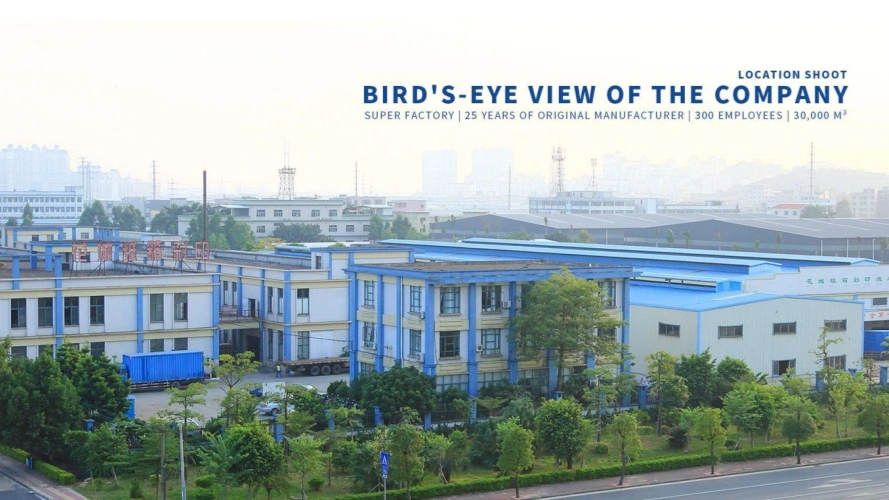
- Production Systems That Can Grow: The 50,000 factory can handle requests of 500 units or more, and the quality standards are always the same.
- Custom insert engineering: Protective foam inserts, dividers, and custom designs keep goods safe while they're being shipped while keeping their good looks.
- Multiple Finishing Options: Matte lamination, spot UV coating, embossing, and foil stamping all make opening feel more special and increase brand value.
- Quality Assurance Systems: ISO9001-2015 approval and thorough testing procedures make sure that every color mailer box meets the highest standards.
- Savings on costs Customization: Setup costs are lower because processes have been streamlined, and prices stay low for both small and large sales.
- Fast Turnaround Times: Standard production can be finished in 7–10 business days thanks to optimized processes, and rush orders are also possible.
- Excellence in Technical Support: Dedicated packaging experts offer ongoing advice on the best design solutions that balance looks, safety, and cost-effectiveness.
Conclusion
Whether you use colored or white mailer packaging depends on your business goals, your budget, and how you want to place your product in the market. While colored options are better for setting your brand apart and getting customers involved, white options are more cost-effective for businesses that want to stick to a tight budget. Market trends for 2025 definitely favor the use of colored packaging in all consumer-facing industries. This is because it makes unboxing more fun and makes it easier to share on social media. To be successful, you need to carefully consider the total costs, which include marketing value that isn't obvious and long-term rewards like building a brand that go beyond just comparing unit prices.
Partner with Leading Color Mailer Box Manufacturer for Your Packaging Success
Choosing the right package partner is important for the success of the project and the growth of the brand over time. Fetching Printing has been in the printing business for 25 years and has state-of-the-art production equipment that allows them to make colored packaging solutions that go above and beyond what customers expect.
Our all-around method covers every part of making custom mailers, from the first idea to the final delivery. When it comes to color mailer box suppliers, we can handle both small-batch samples and large-scale production runs. We can do this while still meeting your strict quality standards.
Our dedication to operational excellence and ethical manufacturing practices is shown by our many prestigious certifications, such as ISO14001-2015, Smeta, and Disney approval. Our more than 300 skilled workers use the best equipment in the business to make packaging solutions that keep goods safe and improve how people think of our brand.
Are you ready to change the way you package things with high-quality colored mailers? Our packaging engineers are ready to talk to you about your unique needs and come up with custom solutions that meet both performance and cost goals. Get in touch with us at support@fetchingprinting.com to start changing your packaging with trust and the help of professionals
References
Johnson, M. & Williams, K. (2024). "Consumer Packaging Preferences and Brand Recognition Patterns in E-commerce Markets." Journal of Packaging Science and Technology, 45(3), 127-142.
Chen, L., Rodriguez, A., & Thompson, R. (2024). "Sustainability Assessment of Colored vs. Traditional Packaging Materials: A Lifecycle Analysis." Environmental Packaging Quarterly, 18(2), 89-104.
Anderson, P. & Davis, S. (2025). "Digital Transformation in Custom Packaging Manufacturing: Cost and Quality Implications." International Packaging Review, 52(1), 34-48.
Miller, J., Brown, C., & Lee, H. (2024). "Social Media Impact of Branded Packaging on Consumer Behavior." Marketing Communications Research, 31(4), 156-171.
Taylor, N. & Wilson, M. (2024). "Industry-Specific Packaging Requirements and Compliance Standards Across Sectors." Packaging Engineering Annual, 67(8), 203-218.
Foster, D., Garcia, R., & Kumar, A. (2025). "Emerging Technologies in Smart Packaging Applications and Market Adoption Trends." Future Packaging Technologies, 12(1), 45-62.