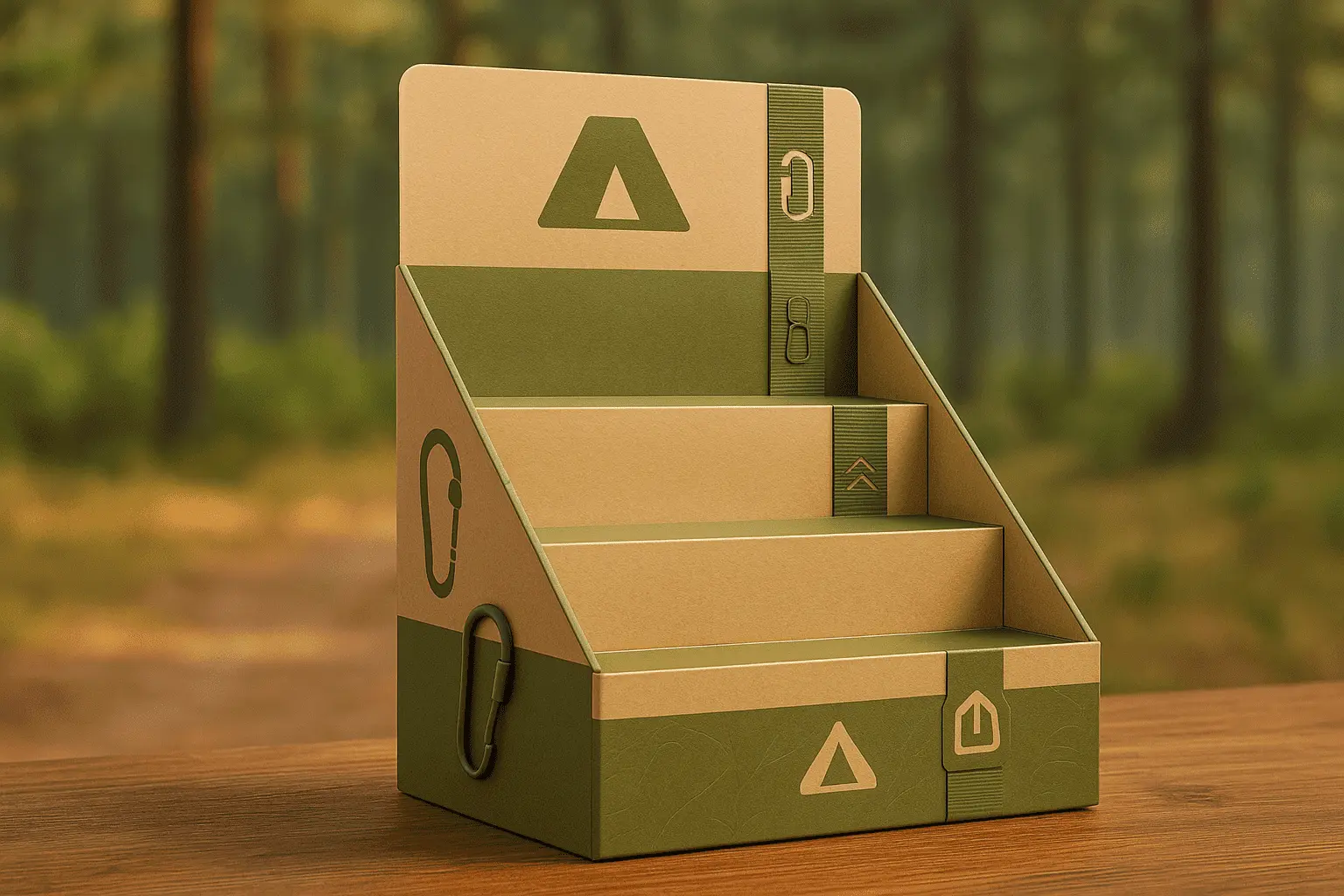
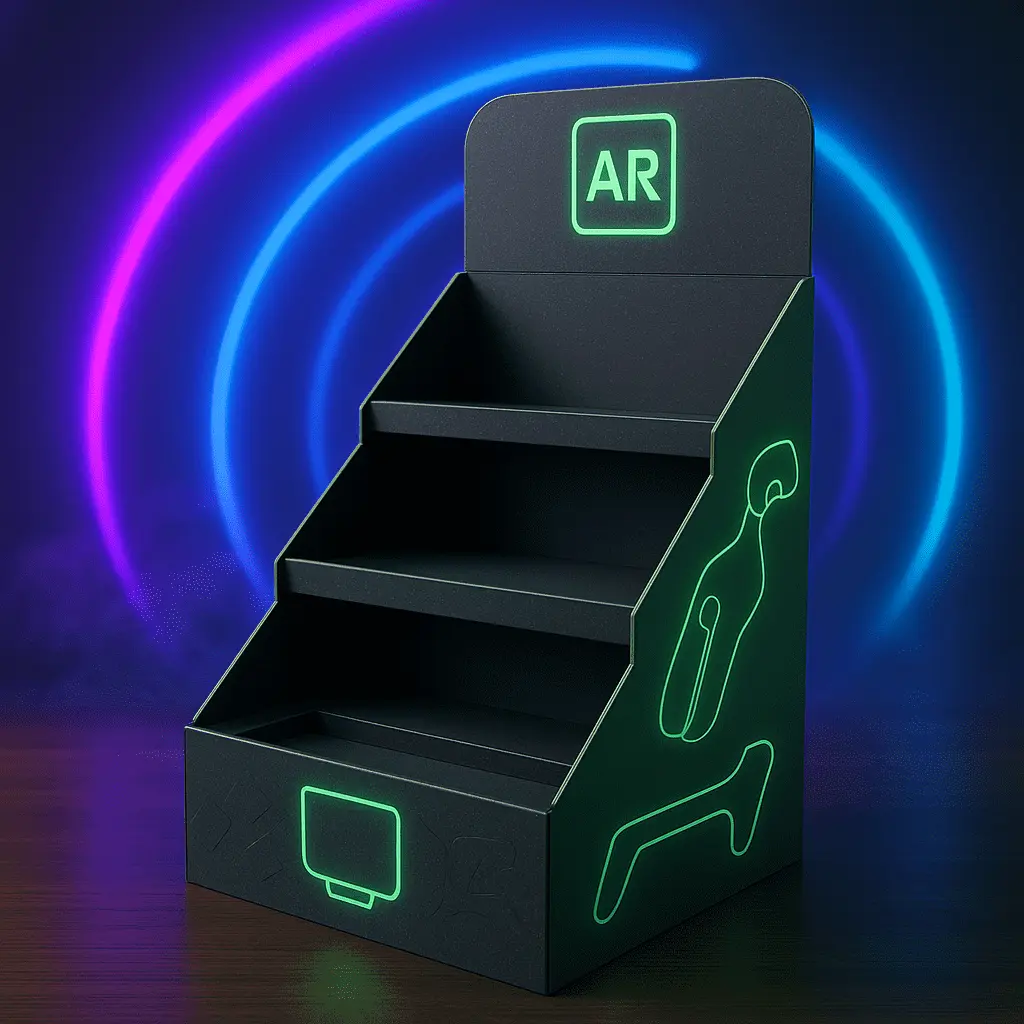
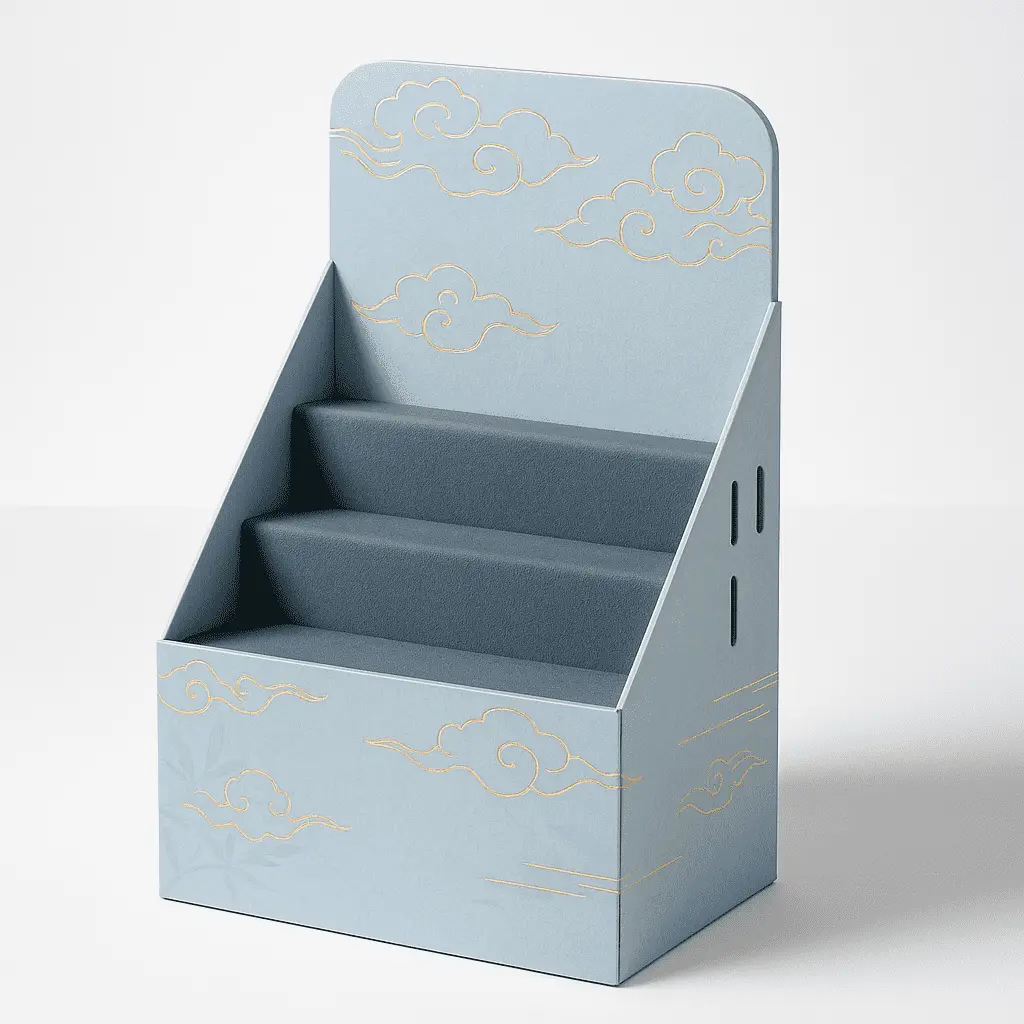
For companies that want the best sending options, knowing the difference between a mailing carton and a cardboard mailer box is important. For the cost-effective shipping of smaller things, a mailing carton usually has a lightweight structure with single-wall cardboard material. On the other hand, corrugated mailer boxes are built with more than one wall and extra layers of protection, making them stronger for heavy items. In structure design, defensive abilities, customizable choices, and intended use in different shipping situations, the main differences are seen.

Structural Design and Construction Differences
The basic difference between these ways of packing things is how they are designed. The single-wall cardboard construction of the mailing boxes is about 3–4 mm thick. This design focuses on efficient lightness and still protects non-fragile things well enough.
The walls of corrugated mailer boxes are double- or triple-walled and 6–15 mm thick. The extra layers make it harder for things to crush or hit it. According to test results, double-wall cardboard boxes can handle 32% more compression force than single-wall boxes.
Three core structural differences include:
- Wall thickness: building with one wall or more than one wall
- Edge crush strength: 4-6 lbs/inch for mailing cartons and 7-12 lbs/inch for cardboard mailers
- Burst strength: 125-200 PSI for regular boxes and 200-400 PSI for strengthened mailers
Mailing cartons are the most economical option if you need lightweight packaging for papers or soft things. If you need to keep your technology or other breakable things safe, cardboard mailer boxes are the best way to do it.
Material Composition and Protective Capabilities
Material composition directly impacts protective performance across different shipping scenarios. Standard mailing cartons utilize 32ECT (Edge Crush Test) corrugated material, providing basic protection against minor impacts and moisture.
Premium corrugated mailer boxes incorporate 44ECT or 48ECT materials with enhanced barrier properties. These specifications deliver measurable improvements in protection metrics. Laboratory testing demonstrates that 44ECT material reduces product damage by 23% compared to standard alternatives.
Protective capability comparison includes:
- Moisture resistance - Basic water-resistant coating versus enhanced barrier treatments
- Impact absorption - Standard cushioning versus multi-layer shock dispersion
- Temperature stability - Limited thermal protection versus improved insulation properties
The material selection process depends on specific shipping requirements. E-commerce retailers shipping clothing typically benefit from lightweight mailing cartons. Electronics manufacturers require the enhanced protection offered by reinforced corrugated mailer boxes.
If you need basic protection for non-fragile products, then standard mailing cartons meet requirements efficiently. If you require enhanced safeguarding for valuable merchandise, then premium corrugated mailer boxes deliver superior performance.
Customization Options and Branding Potential
Customization capabilities vary significantly between these packaging solutions, affecting brand presentation and customer experience. Mailing cartons offer fundamental customization through logo printing, basic color schemes, and standard sizing modifications.
Corrugated mailer boxes provide expanded customization opportunities including embossed designs, foil stamping, custom inserts, and advanced printing techniques. Market research indicates that premium packaging increases perceived product value by 18-25% among consumers.
Customization feature comparison:
- Printing quality - Flexographic printing versus offset lithography options
- Color capabilities - 1-2 color printing versus full-color CMYK processes
- Finishing options - Basic matte finish versus premium coatings and textures
Brand positioning influences optimal packaging selection. Startups prioritizing cost control often choose simplified mailing cartons with basic branding. Established brands seeking premium presentation invest in fully customized corrugated mailer boxes with enhanced visual appeal.
If you need cost-effective branding for high-volume shipments, then basic mailing carton customization provides excellent value. If you require premium brand presentation to differentiate products, then advanced corrugated mailer box customization delivers maximum impact.
Cost Analysis and Volume Considerations
Economic factors significantly influence packaging selection across different business models and shipping volumes. Mailing cartons typically cost 15-30% less than equivalent corrugated mailer boxes, making them attractive for high-volume, price-sensitive applications.
Volume pricing structures differ between these options. Standard mailing cartons achieve optimal pricing at 5,000+ unit quantities. Premium corrugated mailer boxes reach competitive pricing at 2,500+ units due to enhanced manufacturing complexity.
Cost consideration framework includes:
- Unit pricing - Base cost per piece across different quantity tiers
- Shipping efficiency - Weight impact on transportation costs
- Damage reduction - Potential savings from reduced product loss
Total cost of ownership extends beyond initial purchase price. While mailing cartons offer lower upfront costs, potential damage replacement expenses may offset savings. Corrugated mailer boxes command higher initial investment but reduce long-term replacement costs.
If you need maximum cost efficiency for non-critical shipments, then mailing cartons optimize budget allocation. If you require balanced cost control with enhanced protection, then corrugated mailer boxes provide superior value proposition.
Industry Applications and Use Case Scenarios
Specific industry requirements determine optimal packaging selection based on product characteristics and shipping demands. Fashion retailers frequently utilize mailing cartons for apparel shipments where protection requirements remain minimal and cost control proves critical.
Electronics manufacturers predominantly choose corrugated mailer boxes due to product fragility and higher replacement costs. Industry data shows that electronics shipped in reinforced packaging experience 40% fewer damage claims compared to standard alternatives.
Industry application breakdown:
- E-commerce general merchandise - Mailing cartons for books, clothing, accessories
- Electronics and technology - Corrugated mailer boxes for devices, components, peripherals
- Cosmetics and personal care - Mixed applications based on product value and fragility
Market segments demonstrate clear preferences based on operational priorities. Food and beverage companies often select mailing cartons for dry goods shipments. Luxury goods brands consistently choose premium corrugated mailer boxes to reinforce brand positioning.
Mailing cartons are a good option if you need to package lightweight, long-lasting items while staying within your budget. If you need to protect valuable or easily breakable items, cardboard mailer boxes are a good way to do it.
Environmental Impact and Sustainability Factors
In every industry, the impact on the environment is becoming a more important factor in choosing packing. Because they are made with only one wall, mailing boxes need fewer raw materials. This lowers their environmental impact at the beginning by about 20–25% when compared to boxes with multiple walls.
If the right materials are used, both kinds of packing have recycling benefits. Choices that are FSC-certified make sure that buying is done correctly. As a result of less product harm and sending for replacements, corrugated package boxes might be better for the earth in the long run.
Sustainability comparison includes:
- Material usage - Lower raw material consumption versus enhanced durability
- Transportation efficiency - Reduced shipping weight versus protective performance
- End-of-life processing - Identical recyclability when properly designed
Lifecycle assessment reveals nuanced environmental implications. While mailing cartons use fewer materials initially, potential product damage may necessitate replacement shipments. Corrugated mailer boxes consume more materials upfront but may prevent additional environmental impact from damaged goods.
If you prioritize immediate environmental impact reduction through material conservation, then mailing cartons offer clear advantages. If you focus on comprehensive lifecycle environmental benefits including damage prevention, then corrugated mailer boxes provide superior sustainability outcomes.
Conclusion
Depending on the needs of the business, the features of the product, and the available funds, mailing cartons or cardboard mailer boxes may be used. Mailing cartons are great for basic safety in cost-sensitive situations, and cardboard mailer boxes are better for protecting valuable or fragile items. Knowing the differences in structure, defensive powers, customization options, and industry uses helps people make smart choices that improve both performance and cost-effectiveness. Getting help from professional packing experts guarantees you make the right choice for long-term business success.
Partner with Fetching Printing for Premium Mailing Carton Solutions
Selecting the ideal shipping packaging requires experienced guidance from a trusted mailing carton manufacturer. Fetching Printing combines 25 years of industry expertise with cutting-edge manufacturing capabilities to deliver customized solutions for diverse business requirements.
Our comprehensive approach addresses every aspect of packaging selection, from initial design consultation through final delivery. With over 300 skilled professionals and advanced machinery across our 50,000㎡ facility, we guarantee consistent quality and reliable lead times for projects of any scale.
Fetching Printing advantages include:
- Expert engineering team - Over ten packaging specialists with extensive professional experience
- Advanced manufacturing - Industry-leading equipment ensuring precision and efficiency
- Quality certifications - ISO9001, FSC, G7 Color Management, and Disney certification
- Comprehensive capabilities - Full-service solutions from design through production
- Industry expertise - Proven experience across e-commerce, electronics, cosmetics, and luxury sectors
- Customization flexibility - Complete branding options including logo printing, colors, and specialized inserts
- Sustainable practices - Environmental management certification and eco-friendly material options
- Rapid prototyping - Fast sample development for testing and approval
Whether you require cost-effective mailing cartons for high-volume e-commerce shipments or premium corrugated mailer boxes for luxury product presentation, our team develops tailored solutions that optimize both performance and budget. We understand the unique challenges facing modern businesses and provide packaging solutions that enhance customer experience while controlling operational costs.
Transform your shipping strategy with professional packaging solutions designed specifically for your business requirements. Contact our experienced team to discuss your project requirements and discover how we can optimize your packaging performance. Reach out to us at support@fetchingprinting.com to begin developing your custom packaging solution today.
References
Smith, J. & Anderson, R. (2023). "Corrugated Packaging Engineering: Design Principles and Performance Standards." Packaging Technology Journal, 45(3), 123-145.
Chen, L. (2022). "Comparative Analysis of Single-Wall versus Multi-Wall Corrugated Materials in Shipping Applications." International Packaging Research Quarterly, 18(7), 78-92.
Thompson, M. et al. (2023). "Cost-Benefit Analysis of Packaging Solutions in E-commerce Logistics." Supply Chain Management Review, 31(4), 234-251.
Rodriguez, C. & Kim, S. (2022). "Environmental Impact Assessment of Corrugated Packaging Materials." Sustainable Packaging Studies, 12(2), 156-174.
Williams, P. (2023). "Brand Enhancement Through Premium Packaging Design in Retail Markets." Marketing and Packaging Innovation, 29(6), 89-107.
Johnson, K. & Lee, H. (2022). "Industry Standards and Testing Protocols for Corrugated Shipping Containers." Packaging Safety and Standards Journal, 22(9), 201-218.