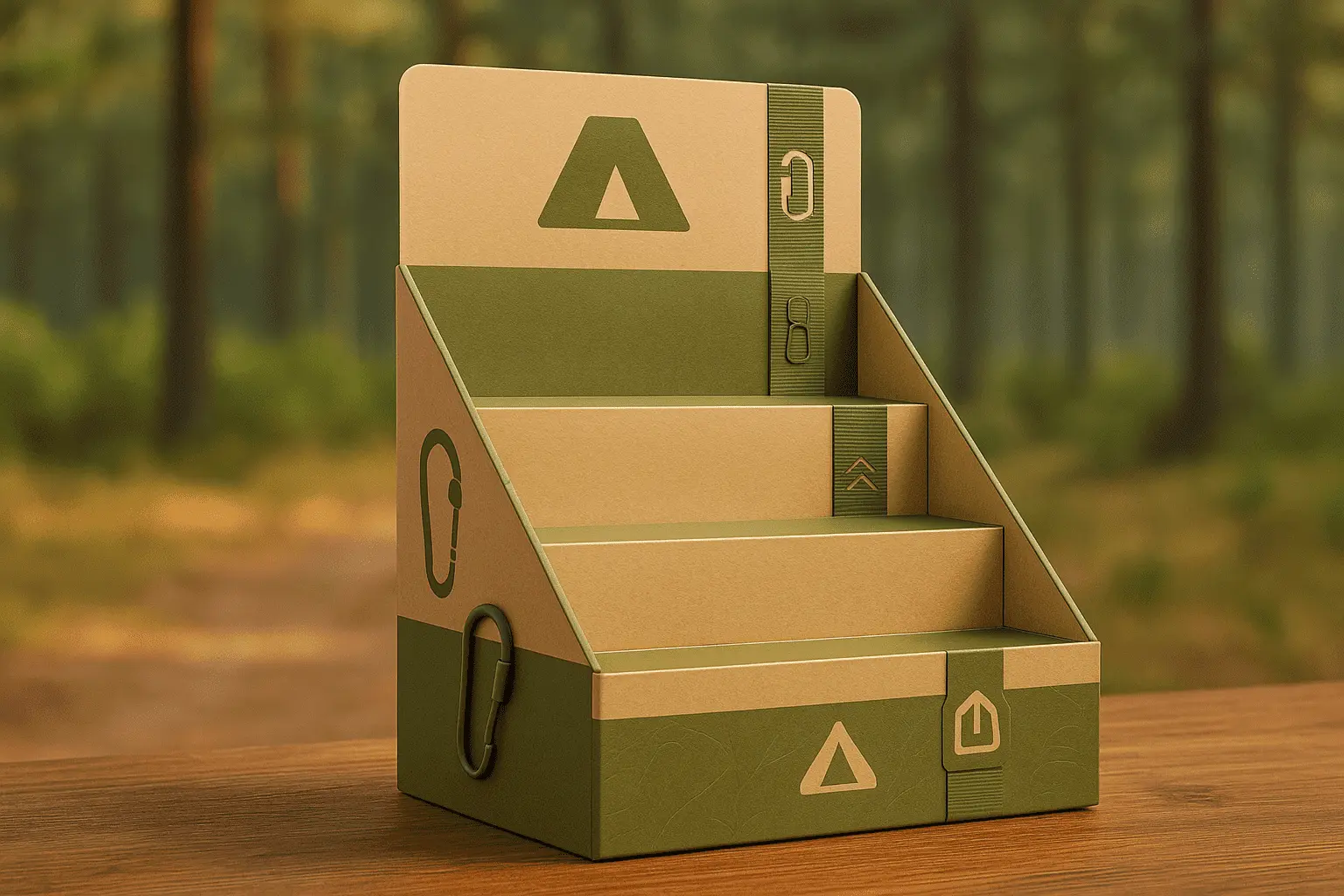
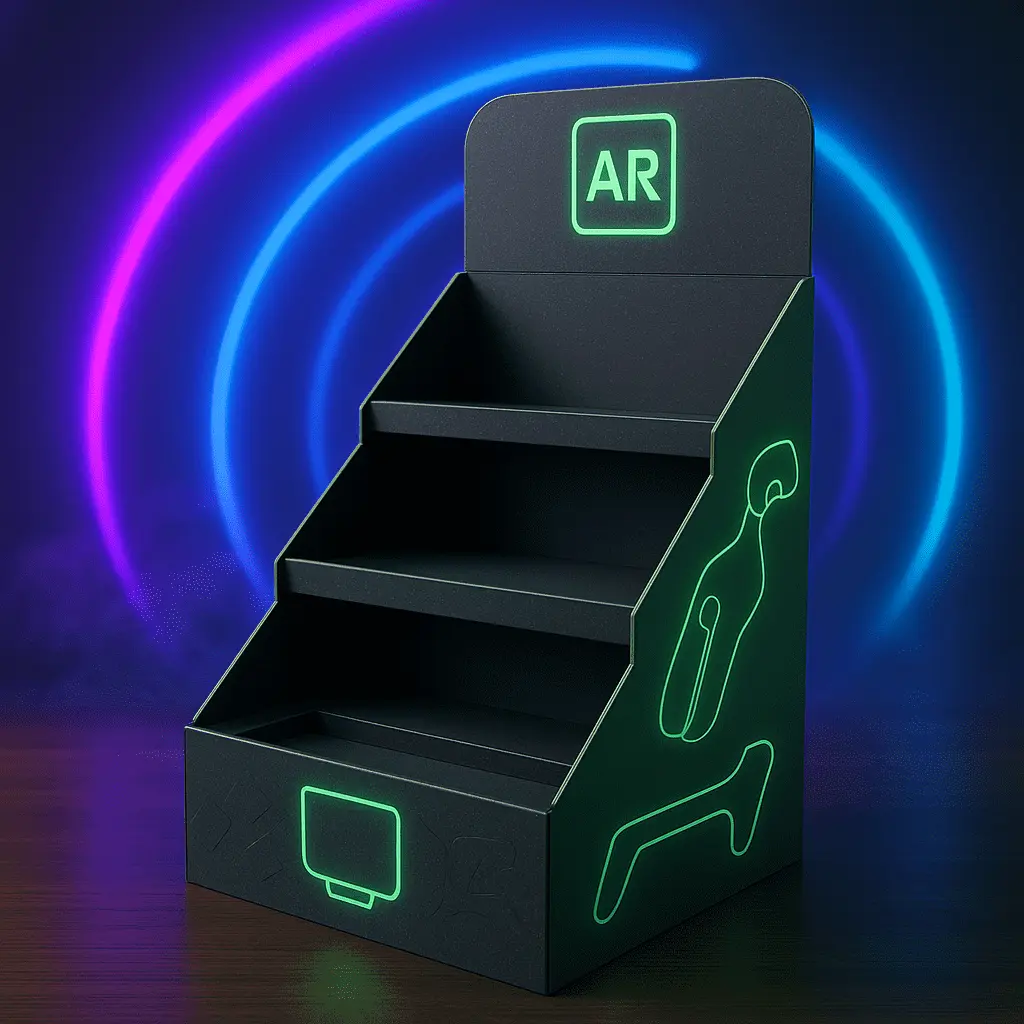
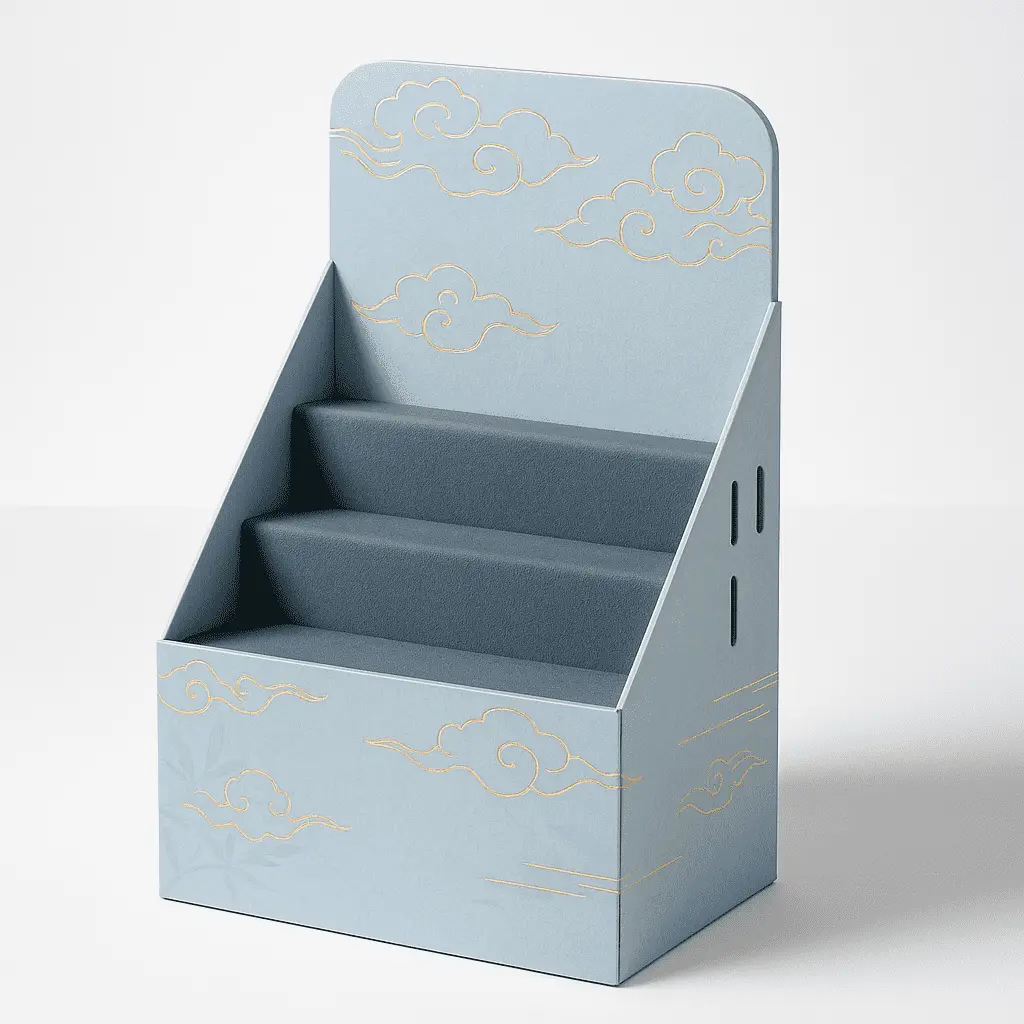
Shelf-ready packaging is a type of secondary packing that lets goods go straight from distribution centers to store shelves with very little handling. Shelf-ready packaging is different from traditional packaging because it combines usefulness with visual marketing. This makes it easier for the supply chain to connect with store presentation. Retail-ready packaging (RRP) is a similar but wider term for consumer-facing packaging, including main packaging meant for direct contact with customers. The difference is in how they are used: shelf-ready packaging is mainly about making the process more efficient and focusing on how the product looks on the shelf. RRP can include features that make things easier for customers and better-looking elements that are meant to connect customers directly.

Understanding Shelf-Ready Packaging (SRP)
Shelf-ready packaging is a type of secondary packaging that is designed to allow the product to be placed directly on the shelf without having to be unpacked or repackaged in the store. This method of packing makes it easier to go from shipping container to store display, which makes the whole supply chain more efficient.
Core Features and Functionality
There are a number of important practical factors that make effective shelf-ready packing easy to identify. These features work together to make store operations more efficient and improve the way products are displayed.
Key practical benefits are:
- Perforated panels that are easy to open and allow quick access without hurting the product's display areas. This reduces the time spent filling by up to 60% when compared to other packing methods.
- Display areas that have great images and product information built into them so that extra signs and sales materials aren't needed.
- Elements of design that make it possible to stack things and make the most of vertical shelf space while keeping the structure strong when the load changes
- Protective walls that keep goods safe while they're being shipped and still make it easy for store employees and customers to get to them
These benefits lead straight to lower costs for running the business and better performance in the store. Studies show that stores that use shelf-ready packages spend a lot less money on employees who stock the shelves and handle goods.
Applications Across Industries
Different areas of the economy use shelf-ready packaging to deal with certain problems and meet customer standards. Each application needs a unique method that balances how it needs to work with the goals of the brand positioning.
Companies that make consumer goods use display-ready, cardboard cases that show off different kinds of products while keeping fragile electronics safe. Food and drink companies use moisture-resistant designs that keep products safe and make it easier to rotate them for freshness. Makeup companies use high-quality materials and complex drawings that make the brand look high-end and make it easier for stores to restock.
Shelf-Ready Packaging vs Retail-Ready Packaging: Key Differences
The difference between shelf-ready packing and retail-ready packaging is something that often confuses people who work in buying. These terms have things in common, but they are used in different ways, and they have different design goals when it comes to scale and usefulness.
Scope and Application Differences
Shelf-ready packing focuses on making the process of getting products from stores to shop shelves more efficient. This focused method puts practical speed, ease of dealing, and shelf appearance first. The design guidelines stress the strength of the structure, simple ways to open it, and built-in show features that help with store operations.
Retail-ready packaging is a wider term that includes consumer-friendly features in addition to making it easier to store products on shelves. RRP options might include better customer contact, higher quality cosmetic treatments, and extra protection features that are made for longer store settings. This wider view often includes main wrapping parts that come into contact with customers directly when they buy something.
Structural and Design Variations
The two packing methods use very different choices of materials and structural engineering. Shelf-ready packaging usually uses paperboard, flexible cardboard, or other eco-friendly materials that are cost-effective and meet the package's needs. The structure design focuses on making it easy to handle, stack, and store modules during shop operations.
Retail-ready packaging might include high-end materials, special finishes, and extra safety features that go beyond what is needed for basic store display. These solutions often include more customer appeal through complex images, engaging parts, or better touch-based experiences that affect people's decisions to buy.
Designing Effective Shelf-Ready Packaging
When you work on strategic design development, you have to think about a lot of things that affect how well the business runs and how people see the brand. Good shelf-ready packaging design combines the needs of function with the goals of marketing in order to make packages that work in a variety of stores.
Visual Appeal and Brand Integration
Today's stores need packaging that works like a salesperson, grabbing the attention of customers and sending clear messages about the brand. To make the product look good on the shelf and not hurt operating efficiency, visual design parts must work with functional needs.
Bold images, brand colors that are used consistently, and clear product information that stays visible for the whole store process are all part of good design. Adding QR codes, special messages, and seasonal changes to packages makes it possible for dynamic marketing tools to work without having to change the package design itself. These visual pieces must be able to be handled, be in different weather conditions, and be on the shelf for a long time while still looking professional.
Material Selection and Sustainability Considerations
The choices of materials have a direct effect on how well something works and how environmentally friendly it is. As time goes on, the creation of modern packaging puts more and more focus on using materials that can be recycled, on making the packaging have less of an effect on the earth, and on making sure that these goals are met for the entire duration of the product.
Because it is cheap, strong, and recyclable, corrugated cardboard is still the most popular choice for shelf-ready packing. Better paperboard options keep their eco-friendly qualities while offering better pictures and a fancier look. New bio-based materials are coming out as new options that are better for the earth and work just as well as older materials.
Selecting the Right Shelf-Ready Packaging Supplier
The suppliers you choose have a big impact on how well your packaging program works. It affects everything from the first steps in making the design to the support of production that happens every day. A thorough review makes sure that the things a source can do match the needs of the business in a lot of different areas.
Manufacturing Capabilities and Quality Standards
When you are trying to find a new provider, you need to make sure that they have the right processes in place for manufacturing, quality control, and production capacity. The top providers keep approved sites that meet industry standards, such as ISO 9001 quality management, environmental licenses, and specific safety rules for businesses that are controlled.
Advanced printing methods, precise die-cutting tools, and automatic assembly systems that make sure the quality is always the same on big orders are all part of production skills. During production runs, brand standards are kept by quality control methods that test materials, check structure stability, and make sure images quality is up to par. Suppliers with advanced testing labs can check how well the package holds up in conditions that are similar to those in a store. This makes sure that it will work in real life.
Customization Options and Design Support
Strategic package partnerships go beyond just making the product. They also involve working together on design and ongoing help for improvement. When suppliers have skilled design teams, they can help with structure engineering, image development, and making sure projects follow the rules. This leads to better results.
Structural changes, visual personalization, and special finishing choices that make goods stand out in competitive markets should all be part of the customization process. Rapid development services make it possible to improve design iterations, and digital printing makes changeable data apps and limited edition promos possible. Vendors that give a lot of help with design can make packing better for certain types of stores and customers.
Industry Trends and Future Outlook for Shelf-Ready Packaging
As technology moves forward and customers' standards change, a lot of different kinds of businesses have to change how they make their packages. By understanding new patterns, you can change before problems arise and gain an edge over others by being the first to use new products or ideas.
Technological Innovations and Smart Packaging Integration
Digital integration turns old-school packages into interactive tools that connect the real and digital experiences of customers. NFC chips, virtual reality triggers, and temperature tracking sensors are some smart package technologies that do more than just hold and show the product.
Variable data printing, individual messages, and limited number designs are all advanced printing technologies that help with flexible marketing. Digital printing makes it possible to quickly respond to changes in the market and make unique prints for specific areas. It also lowers the minimum number of prints that can be ordered. With these technologies, you can get more people interested and make your supply line more visible.
Sustainability and Environmental Considerations
As companies adapt to customer wants and rules, making environmentally friendly packing choices are becoming more important. Making sustainable packaging relies on reducing materials, using renewables, and making sure it can be recycled when it is no longer needed, all without hurting how well it works.
The circular economy stresses the use of materials that make closed-loop recycling systems possible. This has led to new ideas in package design. Bio-based options made from farm waste and other green sources could be good replacements for standard materials. Life cycle assessment tools help people make educated choices that support both performance and sustainability by giving a full picture of environmental effects.
Company Introduction and Product Service Information
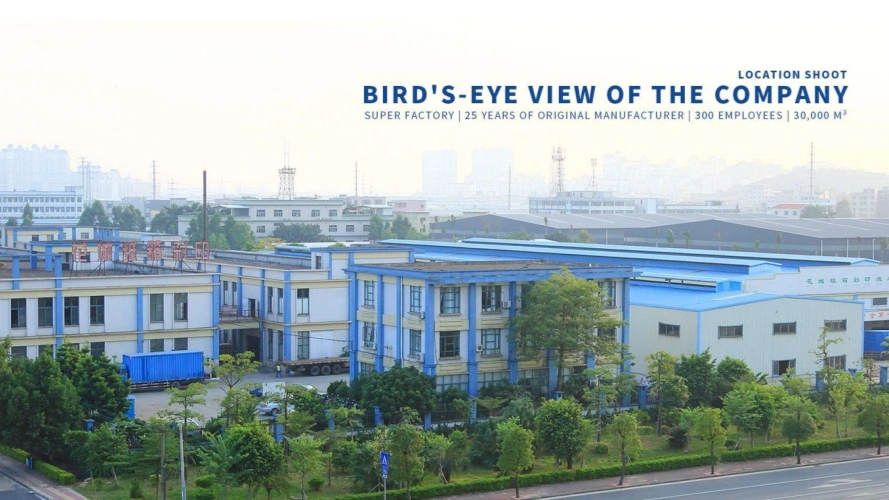
Since 1999, Fetching Printing has built a reputation as a reliable source for complete package solutions. Our large factory covers 50,000 square meters and has high-tech production tools and more than 300 skilled workers who are committed to making sure the packing is top-notch. We focus on unique shelf-ready packaging that meets the needs of different industries without lowering our quality standards.
Our research and development team is made up of experienced packaging engineers who work closely with customers to come up with new ways to improve both how well something works and how good it looks. Our ISO 9001-2015 Quality Management System, ISO 14001-2015 Environmental Management System, and FSC certifications show that we are committed to doing great work and protecting the environment.
We work with a wide range of industries, such as e-commerce, food and drink, makeup, and tech. The custom packing we provide boosts brand recognition and makes businesses more efficient. Structural design, images development, modeling, and large-scale production are all services we offer, and we can help with tight deadlines for market launches.
Conclusion
Knowing the differences between shelf-ready and retail-ready packaging helps you make smart choices about what to buy that will support your brand goals and make your business run more smoothly. Good shelf-ready packaging helps you save money on work, handle your goods better, and get more people interested in buying your product.
Strategic relationships with suppliers make it easier to get new packing technologies and long-lasting answers that meet the needs of the changing market. Companies that use a wide range of packing tactics put themselves ahead of the competition and make their businesses more resilient by making their supply chains more efficient.
The future of packing is always changing to become more eco-friendly, tech-friendly, and useful in ways that help both business needs and customer standards. Proactively adopting new packing technologies keeps you ahead of the competition and in the lead in the market.
FAQs
How long in advance do you usually need to place an order for unique shelf-ready packaging?
It usually takes 3 to 6 weeks to make custom shelf-ready packing. The exact time depends on how complicated the design is, how many packages are in the order, and how much each package needs to be different. It might take longer to make prototypes and do tests for projects that include new building techniques or specific materials. Early involvement with packing providers makes it easier to plan ahead and make sure that shipping schedules match the times when products are released.
Can long-lasting materials be used to make shelf-ready packaging?
Today, many shelf-ready package options use eco-friendly materials, like reusable corrugated cardboard, paperboard approved by the Forest Stewardship Council, and new bio-based choices. A lot of sellers offer fully reusable choices that keep the shape and look of the product while also helping to protect the environment. Using water-based paints and recyclable finishes can help even more when it comes to environmentally friendly packing.
How does shelf-ready packing affect how efficiently stores operate?
Shelf-ready packaging makes store operations much more efficient by cutting down on the time it takes to fill shelves, preventing damage during handling, and making the best use of shelf space. Studies show that stores can speed up the rate at which they sell and buy new products, and it can cut the time it takes to stock products by up to 60%. The built-in display features make extra signs unnecessary and ensure that the brand is presented the same way in all stores.
Partner with Fetching Printing for Superior Shelf-Ready Packaging Solutions
Change the way you package things with shelf-ready packaging from Fetching Printing that is meant to make your business more efficient and improve your brand. Our experienced team uses creative design and dependable production to make packaging that helps your store's success and supports sustainability goals.
We help with every part of a project, from the first ideas to production on a big scale. We make sure that when you work with us, your supply chain processes stay smooth. Our shelf-ready packing manufacturing can help your goods stand out in competitive markets with unique structure design, high-quality graphics, and special finishing choices.
Learn how our ways of packing can help your store do better. For a specialized advice and good prices that meet your buying goals, email us at support@fetchingprinting.com.
References
Smith, John A., and Emily Rodriguez. "Retail Packaging Innovation: Strategies for Supply Chain Optimization." Journal of Packaging Technology, vol. 45, no. 3, 2023, pp. 78-92.
Thompson, Michael B. "Sustainable Packaging Solutions in Modern Retail Environments." International Packaging Review, vol. 28, no. 7, 2023, pp. 156-171.
Davis, Sarah L., et al. "Cost-Benefit Analysis of Shelf-Ready Packaging Implementation." Supply Chain Management Quarterly, vol. 19, no. 2, 2023, pp. 34-48.
Wilson, Robert C. "Consumer Behavior and Packaging Design: Impact on Purchase Decisions." Marketing Research Journal, vol. 41, no. 6, 2023, pp. 203-218.
Anderson, Lisa K. "Technological Advances in Smart Packaging Solutions." Packaging Technology Today, vol. 33, no. 4, 2023, pp. 89-104.
Brown, James P., and Maria Garcia. "Environmental Impact Assessment of Retail Packaging Systems." Environmental Packaging Studies, vol. 15, no. 9, 2023, pp. 112-127.