Depending on the design complexity, material selection, and printing needs, the minimum order quantity (MOQ) for customized color mailer boxes typically falls between 500 and 3,000 boxes. Standard customization sets the baseline at 1,000 units for most suppliers. Higher minimums may be needed for more complicated features such as special coatings or foil stamping. Procurement managers can make smart choices about packaging expenses and supplier partnerships when they understand these factors.

Understanding MOQ Requirements for Custom Packaging Solutions
The minimum order quantity is the smallest amount of custom packaging that a maker will make. This basic idea shapes every part of your procurement strategy, from how you decide to spend your money to how you handle your inventory. The packaging business has changed a lot; digital printing technologies allow lower MOQs than traditional offset methods.
Standard MOQ Ranges in the Market
Industry data reveals that most reputable manufacturers set their baseline MOQ at 1,000 units for basic customization. This level shows how much it takes to set up, buy materials, and make things efficiently. When companies want simple name printing or customization in just one color, they often find that suppliers are willing to take orders of as few as 500 units, especially when building long-term partnerships.
Naturally, bigger minimums are required because of advanced customization options. Embossing, full-color printing, or other specialty finishes usually need at least 2,000 to 3,000 units. These higher levels make up for the fact that it's harder to set things up and that you need special tools.
Digital vs. Traditional Printing Impact
The MOQ needs are greatly affected by the printing method. Digital printing technology has changed the way small-scale production is done, making it possible to produce as few as 250 units for certain requirements. However, standard offset printing is still the most popular choice for large-volume orders because it is more cost-effective when scaling up.
Understanding this difference gives procurement teams the power to choose the right sources based on how much they need and how much they want to customize things. Digital printing is great for trying out new designs or catering to niche markets. On the other hand, offset printing is the best choice for goods with stable demand that don't need to be changed.
Key Factors Influencing MOQ Specifications
The final MOQ for your custom packaging job depends on a lot of different factors. Choosing the right material is one of the most important things to consider, as specialty substrates require higher minimums because of processing needs and difficulties in obtaining them.
Material Selection and Availability
Because it's easy to get and process, standard corrugated cardboard usually has lower MOQs. Because these sellers have to work with specialized mills and keep track of stock for these less common materials, eco-friendly options, materials with recycled content, or specialty papers usually require higher minimums.
It has become more important to use environmentally friendly packaging. This has changed a lot of Minimum Order Quantity (MOQ) designs in interesting ways. Earth-friendly materials might need bigger first orders, but many sellers know that the market is moving toward long-term sustainability and offer better terms to eco-friendly brands.
Customization Complexity and Production Setup
Simple customization with standard shapes from die cuts or basic printing keeps the minimum order quantity cheap for color mailer boxes. Complex features such as window cutouts, magnetic locks, or multi-layer construction need special tools and a lot of time to set up, which naturally raises the minimum requirements.
When weighing these options, production planning becomes very important. Each thing that can be customized makes the situation more complicated, and providers need to keep this in mind when they think about how it will affect their business. Smart procurement teams think about both branding and practical MOQs at the same time in order to get the best cost and effect.
Comparing Options: Custom Color Boxes vs. Standard Alternatives
The packing world has a lot of different options, each with its own minimum order requirements and ways of charging. Understanding these similarities and differences helps people make smart choices that are in line with both branding goals and operational limits.
Plain Kraft vs. Colored Solutions
Because they are easy to make, standard kraft mailers usually have the lowest minimum order quantities, often starting at 250 to 500 pieces. These options offer basic protection with little customization, so they are perfect for companies that value cost effectiveness over brand presentation.
Colored options need extra work, which affects both MOQ and timeline factors. It takes a lot of setup work to make sure that every print comes out the same way every time. This raises the minimum order amount to a level where it makes sense for the business to operate.
Stock vs. Custom Die-Cut Shapes
Standard rectangular formats make use of current tools and simple methods, which allows lower MOQs and quicker turnaround times. Suppliers usually spread the cost of making and setting up custom dies for special shapes over bigger order amounts.
This difference is very important for companies that want to stand out in the market by using special packing shapes. The higher MOQ promises are often justified by the fact that custom tooling makes the brand more well-known and improves the customer experience.
Effective Strategies for MOQ Optimization
Procurement teams that do a good job use a range of methods to get the best Minimum Order Quantity (MOQ) arrangements they can while still being able to change their operations when they need to. These methods understand that MOQ talks are not just about talking about how many there are.
Partnership Development and Volume Forecasting
Building good relationships with suppliers makes it possible to be more flexible with your MOQ, something that can't be done with merely transactional arrangements. Partners who give correct forecasts, regular orders, and work together with suppliers on how to solve problems are appreciated by suppliers.
Long-term volume promises usually allow better MOQ terms, even when single orders are less than the normal minimums. This approach is especially useful for companies whose sales or growth trends are well known and predictable over time.
Sample Programs and Testing Strategies
A lot of producers offer sample programs that don't require MOQs. This lets people try designs and markets with little cost. These programs usually cost more per unit, but they help make big choices about production.
Before they produce a full run, smart procurement teams use sample programs to make sure that their specs are correct and that the market is ready to buy. This method lowers risk and makes sure that the finished orders are both useful and pleasing to the eye.
Fetching Printing: Your Trusted Color Mailer Boxes Manufacturer
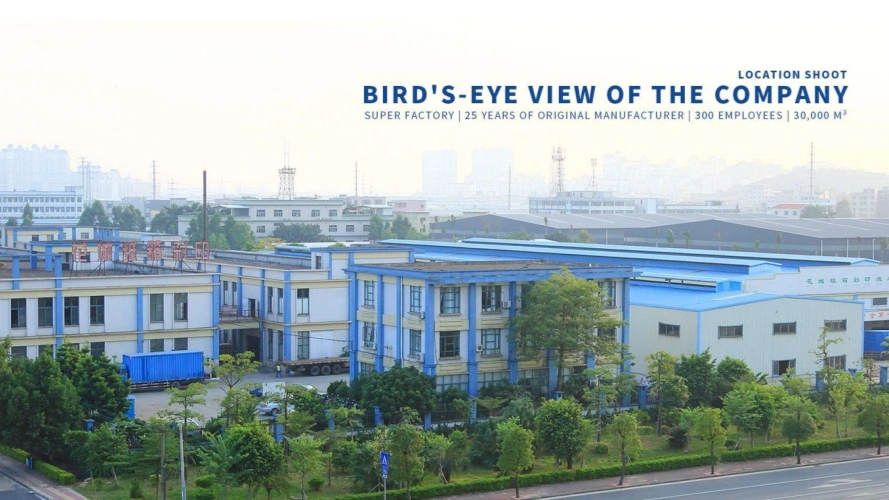
Fetching Printing, with over twenty years of experience in the field, is a top provider of color mailer boxes and packing to customers around the world. Our 50,000-square-meter building with high-tech production tools is home to over 300 skilled professionals who are committed to providing great packaging solutions.
Our flexible MOQ policies are able to meet a wide range of business needs, from startups that need small amounts at first to well-known companies that run operations on a large scale. We know that relationships need to be flexible in order to work, so we work with each client individually to create MOQ structures that help them reach their growth goals and meet the needs of their market.
Here are the benefits that make our method of making custom packages different:
- Advanced Manufacturing Capabilities: Our cutting-edge tools make it possible to produce efficiently with a wide range of order sizes, from 500 units to over 100,000 pieces in a single run. We have both digital and offset printing technologies because of our investment in them, which gives us the freedom to choose the best way for your needs.
- All-around Quality Management: The ISO 9001:2015 and ISO 14001:2015 standards show that we are dedicated to always delivering high-quality work and being environmentally responsible. No matter how big the order is, our quality control checks make sure every box meets your exact requirements.
- Help with Design from Experts: Our R&D team is made up of more than ten packing engineers who help with choosing materials, designing structures, and making sure that printing is as good as it can be. This help lets clients make smart choices about customization options and how they affect the MOQ.
- Long-lasting Answers: Eco-friendly materials and FSC approval go hand in hand with a growing awareness of environmental issues. They also keep competitive MOQ structures for responsible packaging choices.
These skills let us work with many different types of businesses, such as those in electronics, makeup, e-commerce, and consumer goods. We are able to offer personalized solutions that find a balance between customization needs and MOQ factors. We have worked in a lot of different areas, so we know the problems that different types of businesses face and are able to change the way we work to fit those needs.
Conclusion
Understanding MOQ requirements for custom color mailer boxes gives procurement managers the power to make smart choices that strike a balance between business goals and operational effectiveness. The usual range of 500 to 3,000 units depends on a number of things, such as the materials used, how special the design is, and the ways that the items are made. Successful buying knows that MOQ optimization means making accurate forecasts, building strong relationships with suppliers, and knowing the technical reasons that create minimum requirements. Businesses can get the packaging they want while still being cost-effective and keeping an eye on their inventory by working with manufacturers who are experienced and offer flexible ways to handle minimum order quantities (MOQs).
FAQs
What is the lowest minimum order quantity for custom color mailer boxes?
The lowest MOQ usually starts at 500 units for basic customization, but some suppliers may be able to handle smaller amounts of 250 units for digital printing. The minimum order quantity (MOQ) relies on how customizable the product is, what materials are chosen, and what the supplier is able to do.
How do eco-friendly materials change the minimum order quantity?
Because they need to be sourced and processed in certain ways, eco-friendly products often have higher MOQs. But a lot of sellers offer good deals on eco-friendly choices because they know that is what customers want.
For long-term partnerships, can you arrange MOQs?
Yes, suppliers often show MOQ flexibility to customers who show long-term commitment and consistent order trends. Making volume forecasts and developing partnerships can lead to better deals that help everyone involved.
Partner with Fetching Printing for Customized Packaging Solutions
Do you want to improve your packaging plan with great quality and cheap minimum order quantity terms? Fetching Printing offers a full range of options designed to meet your exact needs, whether you want 500 copies to test the market or a lot of copies for a production run. Our experienced team offers technical advice, material expertise, and flexible minimum order quantity arrangements that help your business grow. Emailing us at support@fetchingprinting.com will allow you to talk about your needs for custom color mailer boxes and get tailored quotes that help you meet your buying goals.
References
Smith, J. (2023). "Modern Packaging Manufacturing: MOQ Strategies and Market Trends." Industrial Packaging Quarterly, 45(3), 23-31.
Chen, L. & Rodriguez, M. (2022). "Digital vs. Offset Printing: Impact on Minimum Order Quantities in Custom Packaging." Packaging Technology Review, 18(7), 112-125.
Thompson, R. (2023). "Sustainable Packaging Materials: MOQ Considerations and Environmental Impact." Green Manufacturing Journal, 12(4), 78-89.
Wilson, K. (2022). "E-commerce Packaging Trends: Custom Solutions and Production Minimums." Supply Chain Management Today, 34(9), 156-163.
Anderson, P. & Liu, S. (2023). "Procurement Strategies for Custom Packaging: Optimizing MOQ and Cost Efficiency." Business Operations Review, 29(2), 45-58.
Davis, M. (2022). "Manufacturing Economics: Understanding MOQ Structures in Custom Packaging Production." Industrial Engineering Perspectives, 41(6), 201-214.