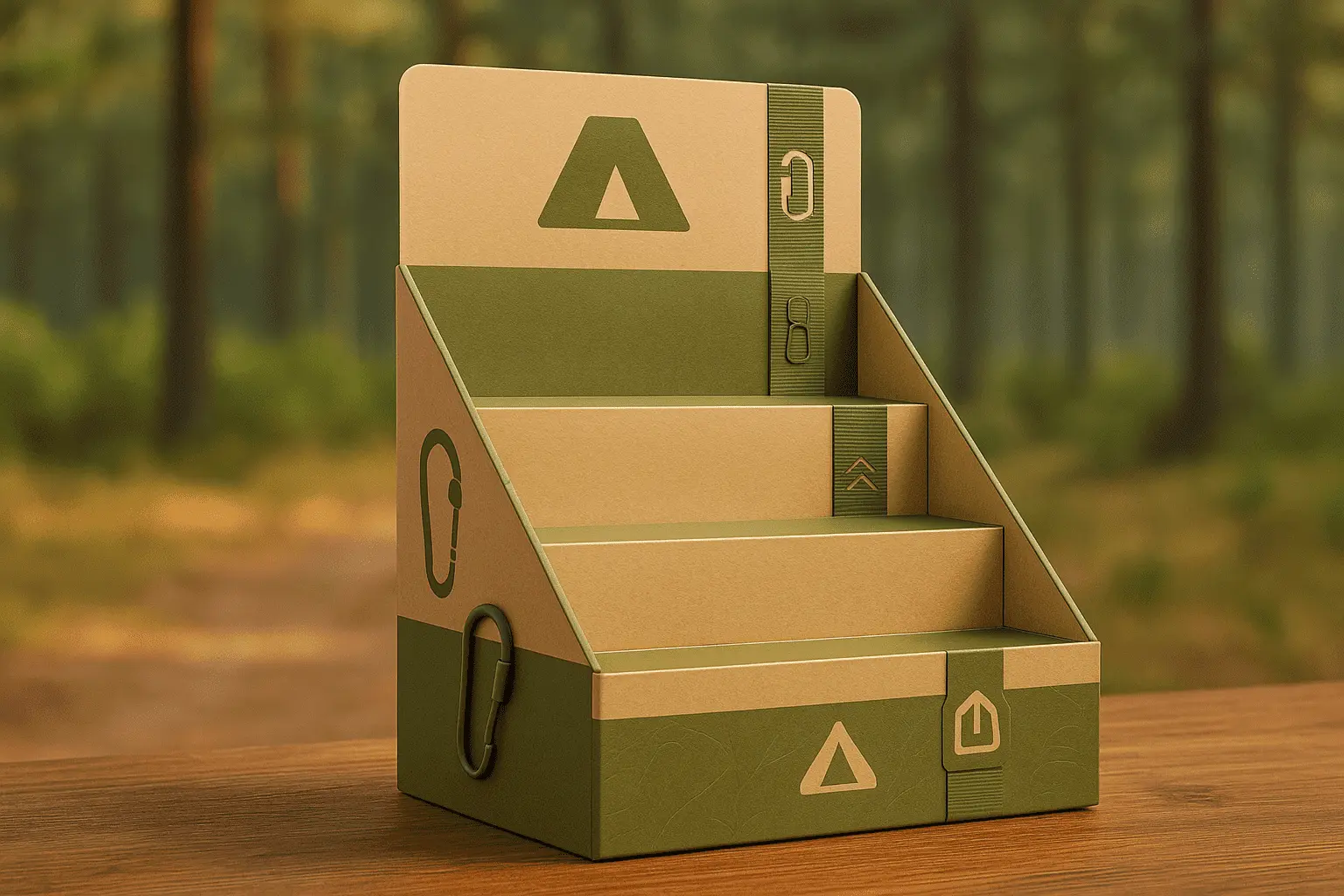
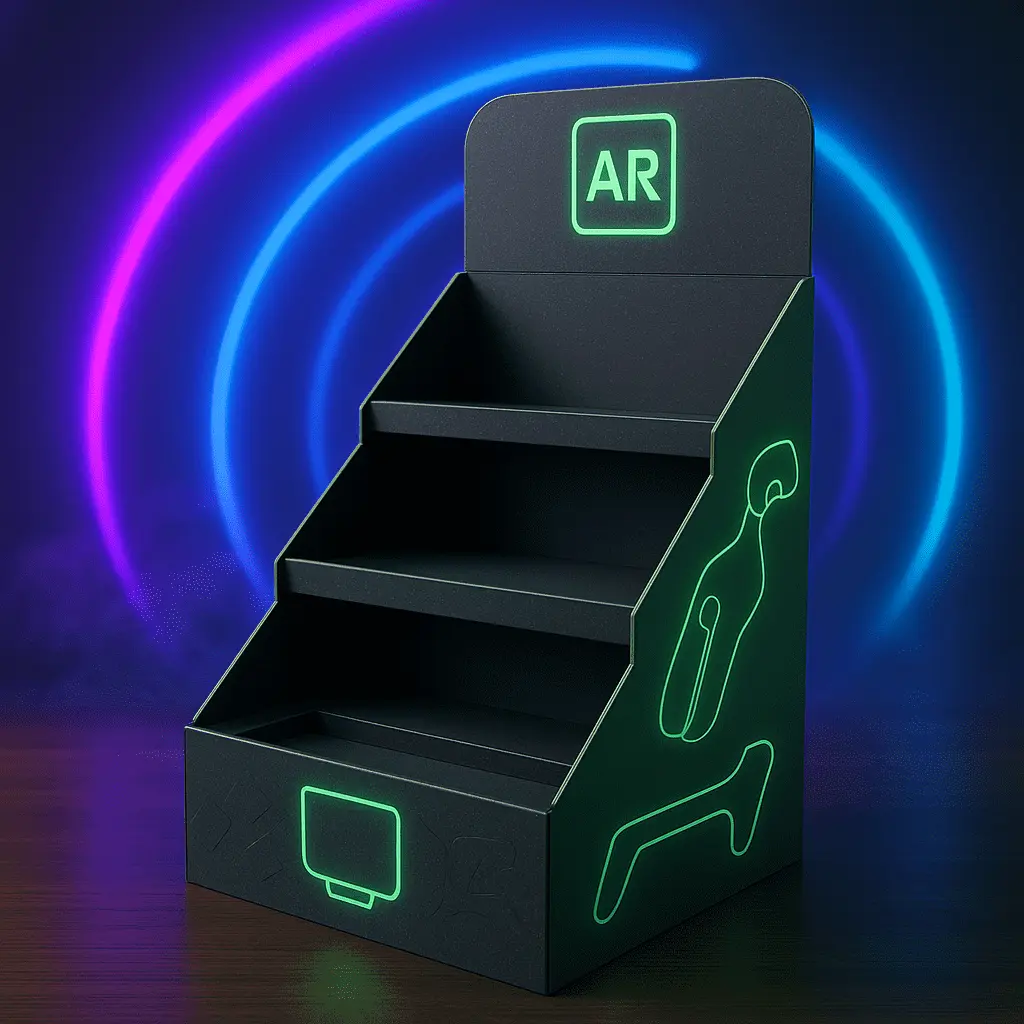
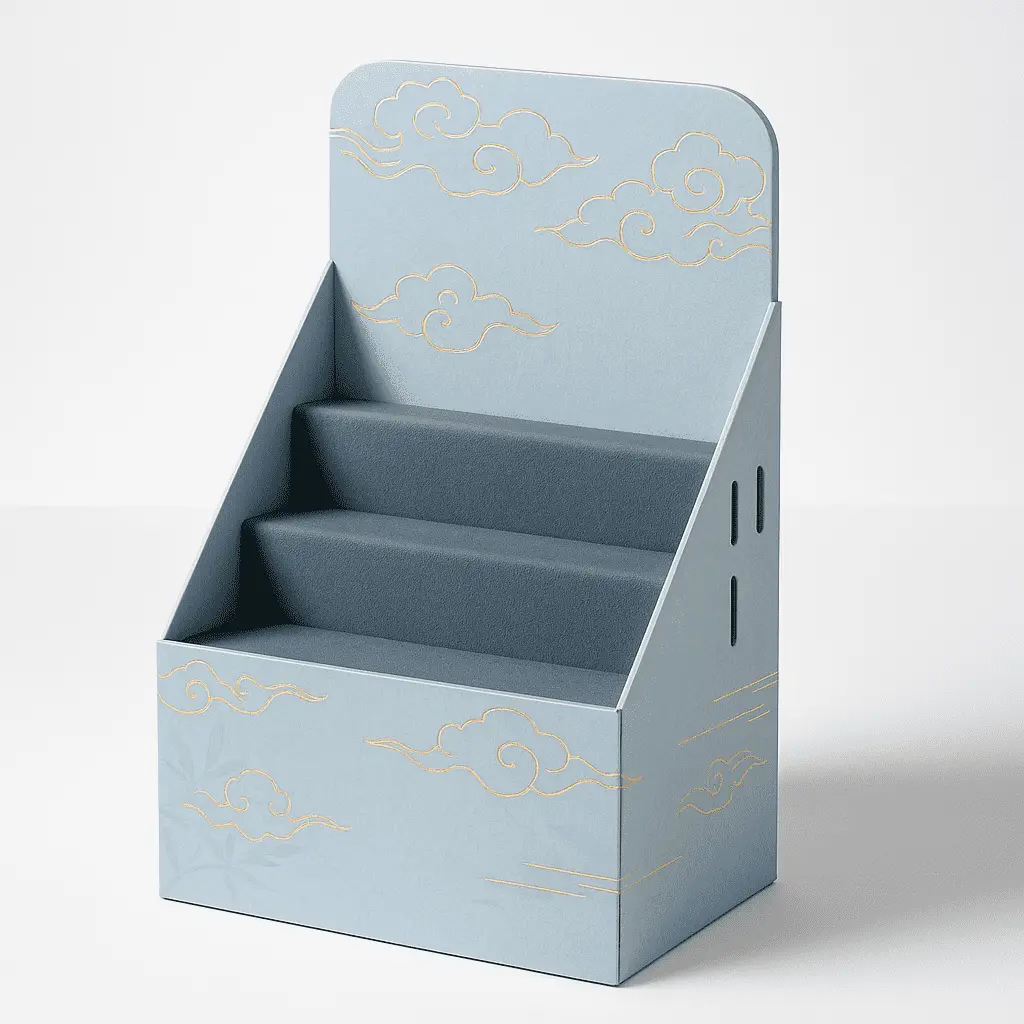
To make sure the PDQ displays work well in your store, I suggest asking about material specifications, customization options, wait times, structural integrity requirements, and supplier certifications when you place your order. A well-thought-out PDQ display can really help people see your product and encourage them to buy it on the spot. This makes it important to know about reliability standards, how to put it all together, brand integration options, and support services that come after delivery. These questions help buying teams get displays that fit with certain types of stores, target audiences, and campaign goals. The displays also help the teams get the most money back for their investments.

Understanding PDQ Displays and Their Strategic Impact
Showing the Product Quantity displays are very useful tools for store marketing that turn normal product displays into great chances to buy things. These specialized devices show off multiple units of each product in a way that is easy to see and grab, which catches the attention of shoppers and encourages them to buy right away.
Core Functionality and Design Principles
Today's store fixtures are made with a wide range of materials, such as corrugated cardboard, plastic composites, and metal. These are all chosen to get the best balance between durability, cost, and eco-friendliness. Where these displays are put, whether on shelves, tables, or the floor, affects how customers act and why they buy things.
According to research, display units that are in the right place can boost product sales by 23% to 45% more than putting the items on a regular table would. This big effect comes from better product exposure and accessibility, as well as the impact on the mind of potential customers of neat and nice-looking product displays that suggest quality and value.
Material Selection and Performance Characteristics
Because it is light, cheap, and easy to recycle, corrugated cardboard is still the most popular choice for short-term signs. If you need something that will last a long time, plastic is a good choice. If you want something that looks really nice for a high-end store, metal is the way to go. Each type of material has its own benefits based on how long the campaign will run, the conditions in the surroundings, and how the brand needs to be positioned.
Essential Factors for Optimal Display Selection
A full study of many related factors that affect both short-term performance and long-term marketing success is needed to choose the right display. Procurement professionals need to understand these things so they can make good choices that are in line with the business's goals and the way it needs to operate.
Spatial Considerations and Environment Compatibility
Limited retail space makes it hard to show products properly, so it is very important to measure the size of the space accurately to ensure successful implementation. Counter displays usually take up less space, but floor units can hold more products and bigger branding features. Shelf-mounted options are a good choice for places with limited space where a big visual effect has to be made within the store's current setup.
Lighting, the way people walk around, and the products in the area around the display can all affect how visible it is and how interested people are in it. It may be necessary to use stronger building materials in places that are handled a lot, and higher-end stores might benefit from more beautiful features that help customers think of their brand the way they want them to.
Product Integration and Brand Messaging
Effective displays make brand messages and product features work together so that customers have a smooth experience. The basic needs of a product are based on its size, weight distribution, and how easily it breaks. At the same time, a brand's rules affect the color palettes, fonts, and graphics that are used. Customization options are especially useful when you're trying to reach certain age groups or run a holiday campaign.
The following design features make PDQ displays more useful and help people remember the brand:
- Color psychology and brand consistency: Choosing the right colors carefully can affect how people feel about your brand and help them recognize it. These feelings can then lead people to buy your products. Consistent application of brand colors across display elements creates visual cohesion that improves brand recall and customer loyalty.
- Typography and messaging hierarchy: Customers are led to important text about product perks and sales by clear, easy-to-read letters. Effective design makes sure that text is easy to read and looks good, and that the brand's voice is heard in all types of communication.
- How stable and easy to put together the structure is: Displays that are well-designed keep products safe while also making it easy to set up and replace quickly. Intuitive setup makes things easier for workers and cuts down on installation mistakes that could hurt the performance of the display.
These design factors make displays that grab people's attention, reinforce brand values, and help customers have a good time buying. This leads to repeat purchases and brand loyalty.
Comprehensive Supplier Evaluation and Partnership Development
When you want to work with trusted display manufacturers, you need to make sure they have the right skills, high standards, and a range of services that go beyond just delivering products. Forming strategic partnerships with suppliers can make a campaign much more successful and make it easier to run a business.
Manufacturing Capabilities and Quality Assurance
When you evaluate production capacity, you should look at both current skills and the potential to scale up to meet the needs of a growing business. ISO 9001-2015 Quality Management System certification shows that quality control steps are the same across the board, and environmental standards like FSC show that you want to make long-lasting manufacturing methods.
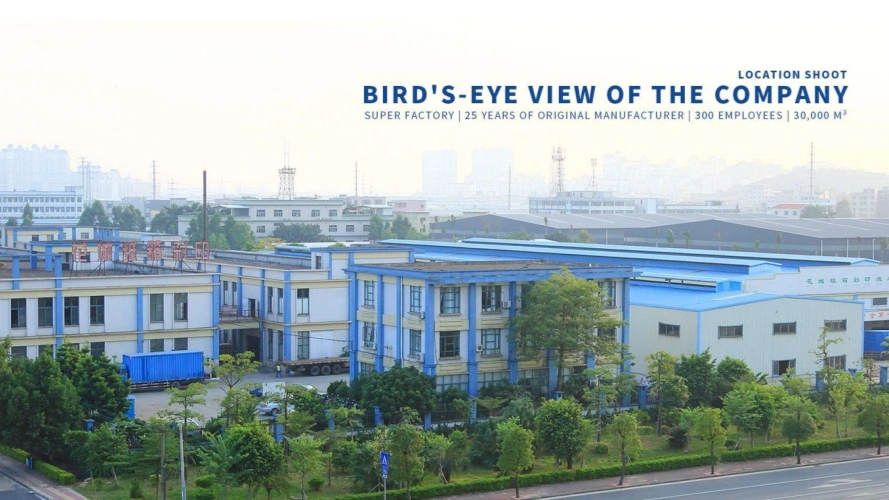
Fetching Printing's facility is 30,000㎡ in size and contains the best machines in the business, which are run by more than 300 skilled experts. Our wide range of certifications, such as ISO14001-2015 Environmental Management System, Smeta compliance, G7 Color Management, and Disney approval, make sure that all of our production processes meet the same high standards.
Design Support and Technical Expertise
Value-added services such as design consultation, structural engineering support, and prototype development can transform supplier relationships from transactional interactions into strategic partnerships. Design teams with a lot of experience know a lot about retail, customer psychology, and manufacturing limits. This helps displays work better while keeping production costs low.
Our R&D department has more than ten packaging engineers who have worked a lot with new materials, building up packaging structures, designing artwork, and working with technology. With this knowledge, we are able to come up with new ways to solve particular problems our clients are having, all while keeping costs low and production high.
Implementation Strategies and Performance Optimization
A successful display implementation goes beyond just installing it. It also includes maintenance, performance monitoring, and strategy optimization that ensures the campaign is effective in the long term and that there is a good return on investment.
Assembly and Installation Best Practices
Following the right steps for building keeps the structure intact and makes sure that the campaign always looks the way the brand wants it to. Installation timelines, quality control checks, and detailed assembly directions help avoid setup issues that could delay the start of a campaign or hurt the performance of a PDQ display.
Strategic product placing within displays affects how easy it is for customers to get to and buy the products. Most of the time, eye-level positioning gets the most engagement, and sightlines from different angles make the object more visible to a wide range of people. Regularly scheduled restocking keeps displays looking good and prevents running out of stock, which could hurt sales.
Performance Measurement and Campaign Analytics
By keeping track of all the data, you can make smart choices that will make future campaigns more successful. Key success indicators are the total return on display investment, inventory turnover rates, customer engagement duration, and sales uplift percentages.
Adding things like QR codes, NFC technology, or virtual reality can make regular displays more useful and give you information about how customers interact with them. These improvements in technology make it possible to measure the link between exposure to displays and the decision to buy.
Strategic ROI Maximization and Future-Focused Planning
To get the most out of display ROI, display strategies must be in line with overall business goals. This also means being ready for changes in the market and customer behavior.
Audience Segmentation and Targeted Messaging
Different groups of customers react to different ways of designing, marketing, and presenting products. It might be important for e-commerce stores to be quick and cheap, but luxury brands may focus on high-end materials and fancy design features that make people think the brand is exclusive.
Electronics and consumer goods brands need protective features and exact engineering that show off the quality of their products. At the same time, cosmetics companies focus on color stability and visual appeal that meet the standards of the beauty industry. Understanding these segment-specific needs makes it easier to create and put into action display strategies that work better.
Innovation Integration and Sustainability Trends
New trends focus on engaging features, long-lasting materials, and smart display tech that makes customers more interested while also helping to protect the environment. Biodegradable materials, less packaging trash, and energy-saving production methods are having a bigger impact on how goods are bought in a wide range of industries.
Future-focused planning looks at the retail world, customer tastes, and technology that could affect how displays work and how businesses need to operate. Working with suppliers who are willing to try new things and do study makes sure you can use the newest tools that keep you ahead of the competition.
Conclusion
Material specifications, supplier skills, design requirements, and performance optimization strategies are just a few of the many interrelated factors that must be carefully thought through when buying a PDQ display. Procurement workers can get displays that help the business reach its goals and produce measurable results as long as they ask the right questions about quality certifications, customization options, lead times, and ongoing support services. Strategic relationships with suppliers, long-term planning, and a focus on performance when putting plans into action can help you get the most out of your investments. These methods also create great experiences for people who shop at your store, which makes them more interested in buying things and helps your sales grow.
FAQs
How long in advance should customers usually place orders for unique PDQ displays?
Depending on how complicated the design is, how many orders there are, and how production scheduling works, custom display wait times usually take between 4 and 8 weeks. Making small changes to designs that are already out there might not take as much time as building brand new things with their own unique structure needs. Talking to suppliers early on about timeline needs helps make sure that supply schedules line up with the start dates of campaigns.
How can I make sure that the PDQ display will work in my store?
Accurate space measurements, thorough environmental evaluations, and mockups or prototypes from the supplier make sure that everything fits and works well. When deciding where to put something, think about things like ceiling height, how people walk around, lighting, and product types that are next to it. Before production starts, professional site studies and virtual design tools can spot issues that might affect how well the parts fit together.
Do eco-friendly PDQ displays cost more than ones made with regular materials?
Sustainable materials might cost more at first, but they often provide better long-term value by making the brand look better, following the rules, and possibly saving money on trash disposal. Many environmentally friendly choices last just as long and look just as good as their traditional counterparts. This makes them a cost-effective way to support business sustainability goals.
Partner with Fetching Printing for Superior Display Solutions
Bring your store to the next level with unique displays from a trusted PDQ display maker with more than twenty years of experience in the field. Fetching Printing uses cutting-edge manufacturing techniques and quality control systems to make displays that exceed your standards and help your sustainability efforts. Our group of skilled packaging engineers and cutting-edge 50,000㎡ production facility make sure that the quality is always high and the shipping times are always right so that your campaigns stay on track. Are you ready to change the way you do business with new show ideas? For personalized help, email us at support@fetchingprinting.com. We'll show you how our knowledge can help you get the most out of your display purchase.
References
Johnson, Michael R. "Retail Display Effectiveness: A Comprehensive Analysis of Point-of-Purchase Marketing Strategies." Journal of Retail Marketing Research, Vol. 28, No. 3, 2023.
Chen, Sarah L. "Sustainable Packaging Solutions in Modern Retail Environments." International Packaging Technology Review, Issue 15, 2023.
Williams, David A. "Consumer Psychology and Visual Merchandising: Impact of Display Design on Purchase Behavior." Retail Psychology Quarterly, Vol. 12, No. 2, 2023.
Thompson, Rebecca K. "Manufacturing Standards and Quality Assurance in Retail Display Production." Industrial Manufacturing Standards Journal, Vol. 41, No. 4, 2023.
Martinez, Carlos E. "Cost-Benefit Analysis of Custom Retail Display Investments." Business Economics and Retail Strategy, Vol. 19, No. 1, 2023.
Anderson, Lisa M. "Environmental Impact and Sustainability Trends in Retail Display Manufacturing." Green Business Review, Vol. 8, No. 3, 2023.