When you pick between a PDQ display and a floor-standing display unit, you should think about your product needs, your target market, and your store surroundings. PDQ Display Solutions are great for quick advertising campaigns and impulse buys because they usually fit smaller goods thanks to their lightweight, cheap designs. Displays that stand on the floor are more stable and easier to see for bigger things. They are built strong so that the brand gets more attention. Your choice should be in line with the budget, product measurements, and merchandising goals. This will keep the business running smoothly and have the biggest possible effect on sales.
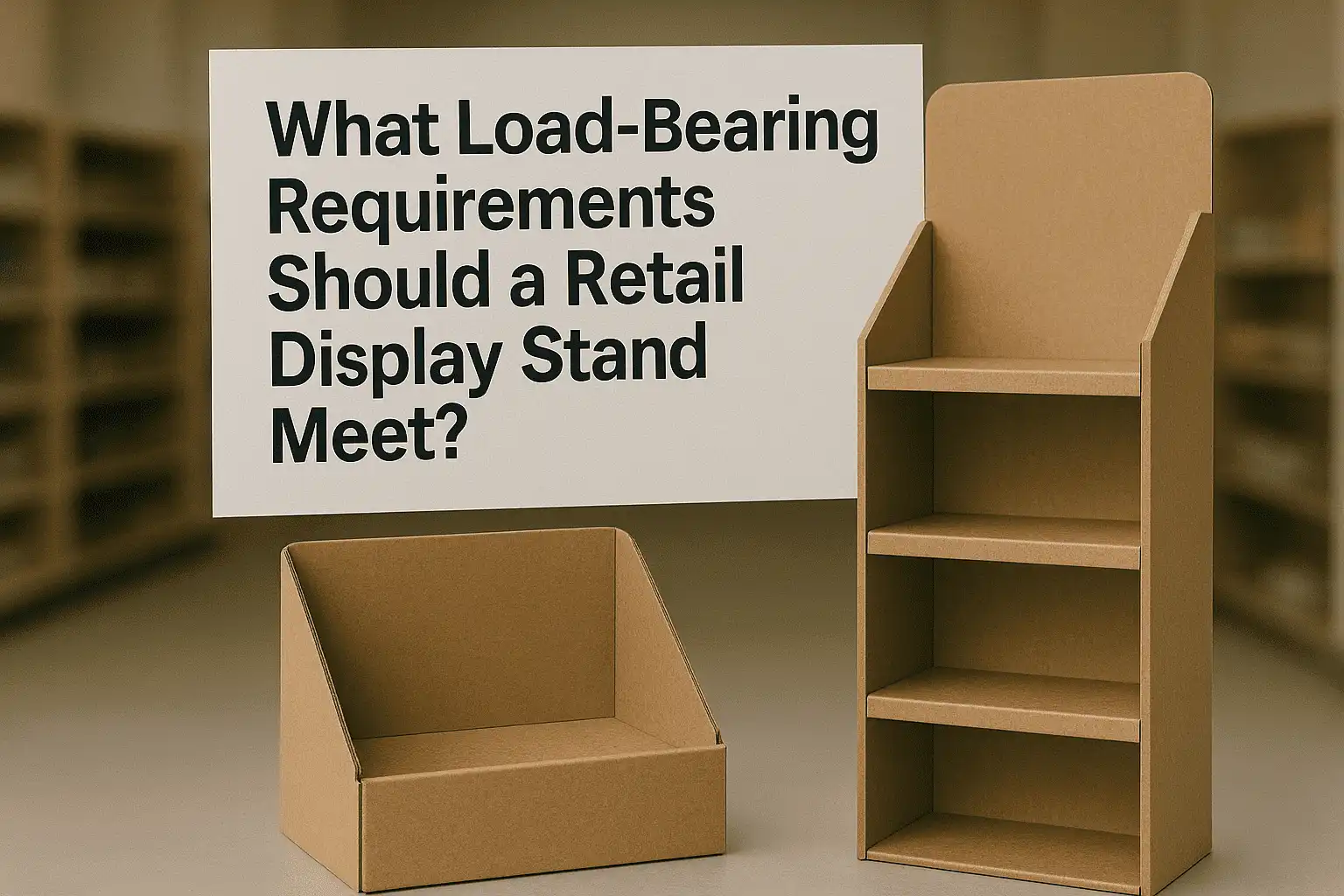
Understanding PDQ Displays and Floor-Standing Displays
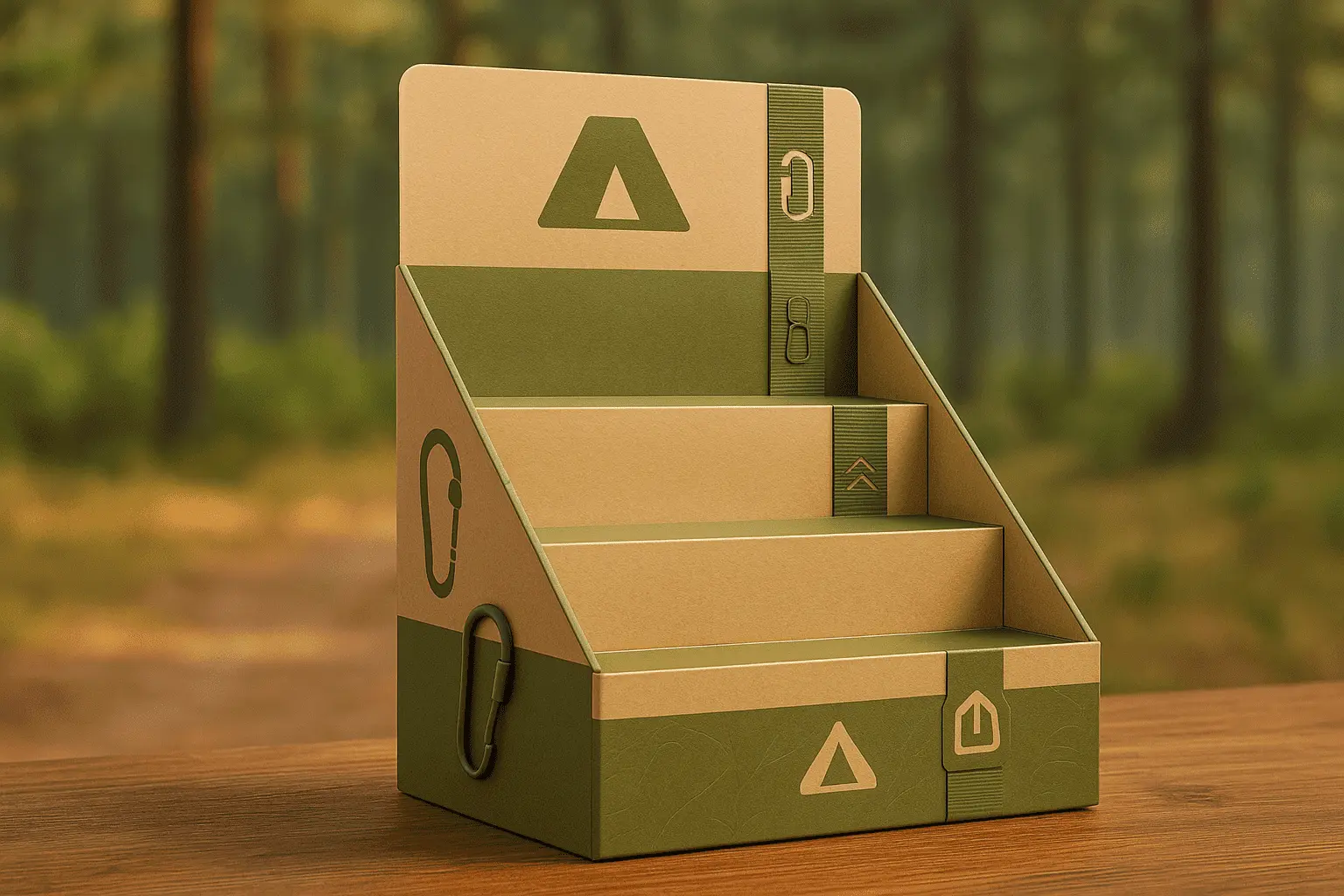
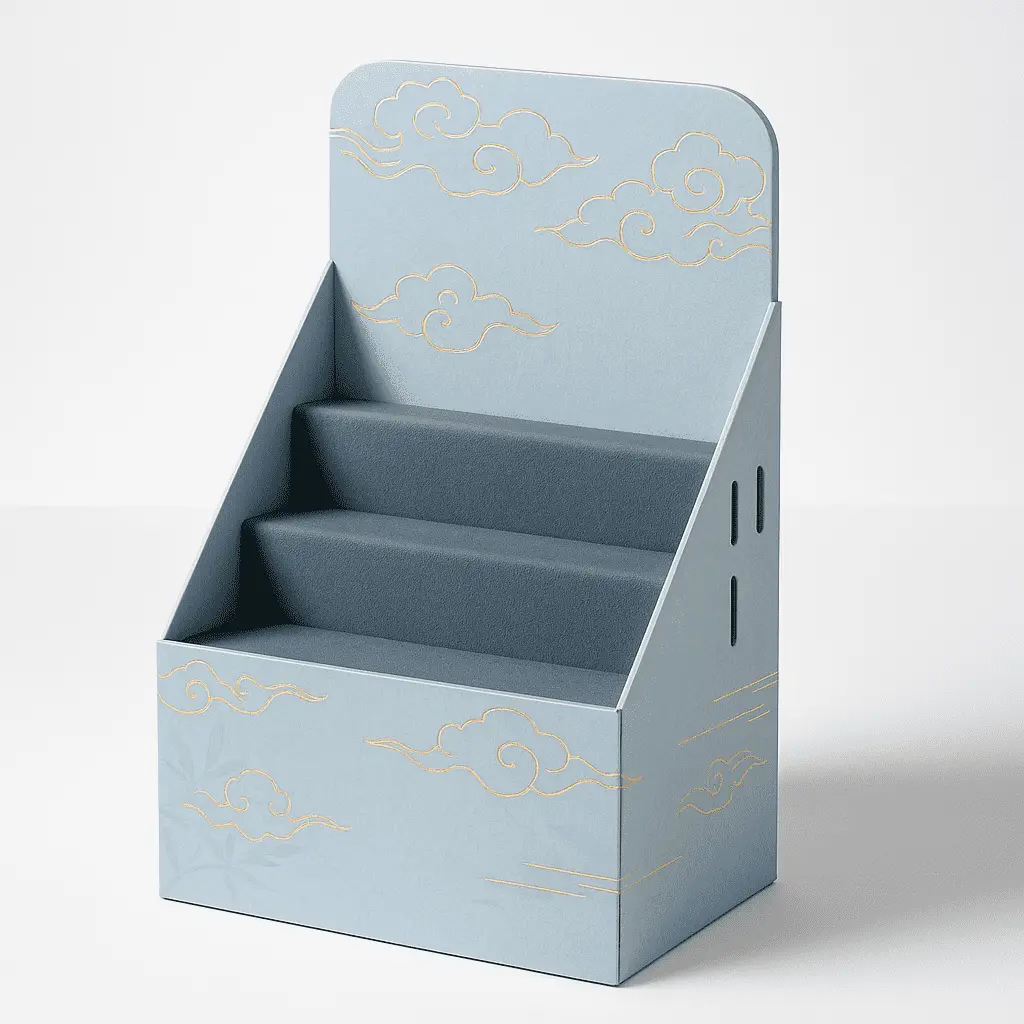
PDQ displays are a special kind of point-of-sale merchandising that are designed to be set up quickly and have a big visual effect. Since these display systems are made of light materials like corrugated cardboard, they let stores set up display areas for sales quickly without needing to know how to put them. The design theory stresses simplicity and effectiveness. It focuses on people who buy things on a whim by putting products in places where they can be seen, like near the checkout or in busy hallways.
Construction Materials and Design Philosophy
The main difference between these types of displays is how they are made and how long they are meant to last. PDQ displays are easy to store and don't cost much because they are made of corrugated cardboard and are easy to set up in a way that prioritizes cost and ease. This makes it easy to run a cost-effective advertising campaign. This choice of material makes it possible to print in great detail, so companies can use complex images and text that really catch the eye of potential customers.
Displays that stand on the floor use heavier materials like plastic, metal blends, or engineered wood. These strong frames can hold more products while staying stable over long periods of time. The extra durability allows for multiple product rotations and seasonal campaigns. This makes them especially useful for permanent store installations or long-term brand presence campaigns.
Functional Applications and Retail Integration
Understanding where and how the different types of displays can be used most effectively helps make things more clear. PDQ displays work best in places where the plan needs to change often, for seasonal sales, or to show new products for a short time. Because they are lightweight, they can be easily moved around depending on traffic patterns or sales calendars. This gives stores more freedom in how they sell their products.
Floor-standing units help build a brand by drawing attention and making the company seem high-end. These displays effectively showcase product ranges requiring detailed examination or demonstration. They support customer involvement through interactive elements or comprehensive product information displays.
Key Criteria for Choosing Between PDQ and Floor-Standing Displays
The size, weight, and worth of a product greatly affect people's choices about which display to use. PDQ displays are naturally good at showing small consumer goods, things that people buy on a whim, and promotional products. These lightweight options will hold up for the length of a normal campaign and can hold items weighing less than ten pounds.
Product Volume and Weight Considerations
Checking the product specs against the display's features avoids damage and makes sure that the presentation quality is the best it can be. Depending on the base form and how thick the material is, PDQ display signs can usually hold between 25 and 50 pounds. This size works well for cosmetics, small gadgets, packaged goods, and other types of products that are common in e-commerce and retail settings.
Floor-standing displays can hold a lot more weight because they are built with reinforcements and a wider base. Many of them can hold over 100 pounds. This makes it possible to show off bigger gadgets, appliance add-ons, bulk food packages, or high-end gift sets that need to be safely arranged and look good.
Budget and Timeline Constraints
When someone is trying to buy something, they consider more than just the price. They also think about the cost of owning it, which includes setup, upkeep, and disposal costs. PDQ displays offer appealing price points for budget-friendly campaigns, especially when bought in quantities greater than 100 units. Because they are meant to be used only once, you don't have to pay to store them and can throw them away in an environmentally friendly way by using regular recycling.
Investing in free-standing displays costs more at the start but saves money in the long run because they can be used for multiple campaigns. These units allow for seasonal changes, updates to graphics, and extensions of product lines. They spread the costs of acquisition over multiple promotional periods while keeping the quality of brand presentation constant.
Matching Display Types to Specific Retail and Procurement Needs
For a display to work, it needs to be in the right kind of store and set up in a way that works with how customers shop. Through smart placement near decision points, attention-grabbing graphics, and easy product access, PDQ displays take advantage of psychological principles of impulse buying to encourage unplanned purchases.
E-commerce and Online Retail Applications
Online stores that open real retail locations benefit from PDQ display flexibility in pop-up shops, trade shows, and other events. These easy-to-carry tools help you quickly build a brand without spending a lot on infrastructure. They also help omnichannel strategies that connect digital and real customer touchpoints.
The lightweight construction makes it easier to ship to different places, which makes it possible to run advertising campaigns in various markets across the country. This feature is especially useful for online stores that want to try out ideas for physical stores or take part in seasonal events that need short-term setups.
Brand Building and Premium Positioning
Floor-standing displays help expensive brands by using complex design ideas and making a big impact in the space. These displays are used by electronics, cosmetics, and luxury goods brands to create immersive shopping experiences that make people think about how good the products and companies are.
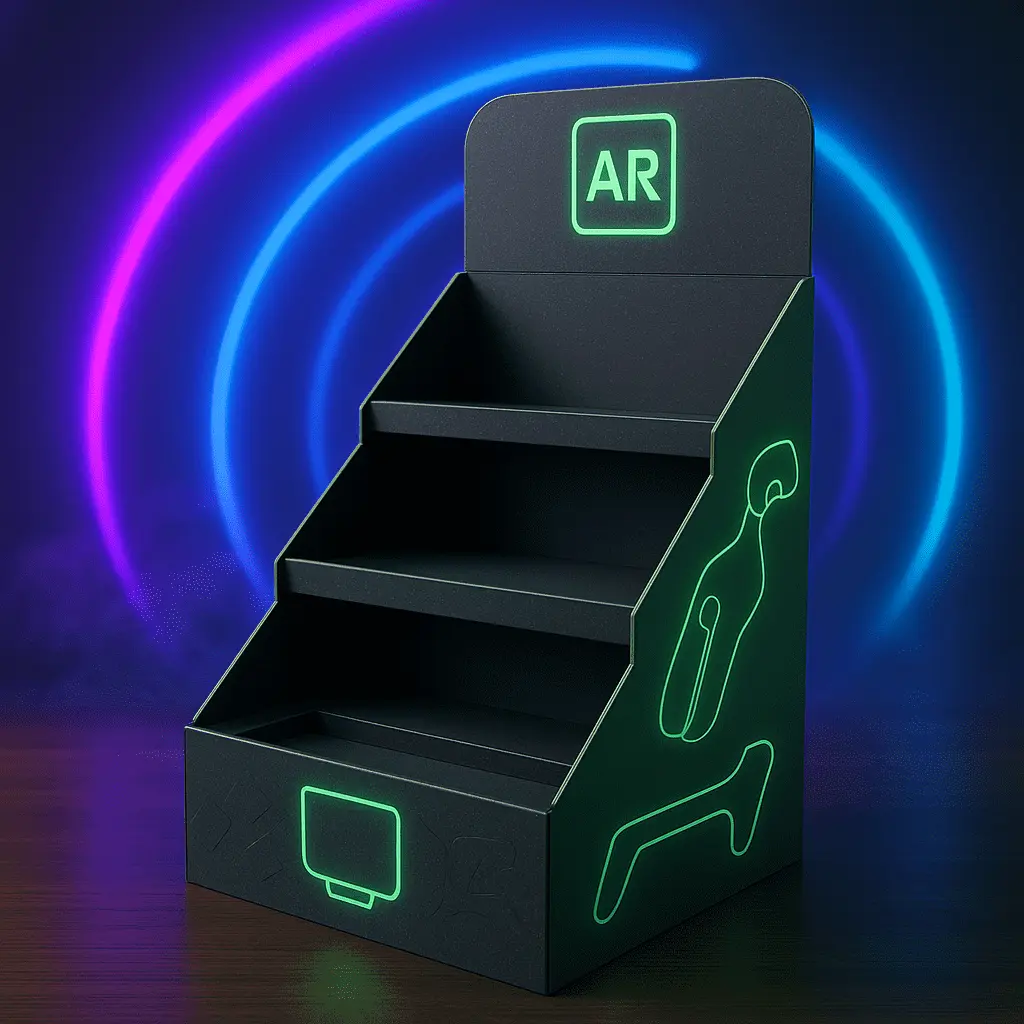
The improved customization options that come with floor-standing units make it possible to add lights, interactive features, and high-end finishes that make the brand look better than in a typical store. These features help customers stay engaged for longer periods of time and are willing to pay more, which is important for making complicated buying choices.
Procurement Guide: Sourcing PDQ and Floor-Standing Displays
When planning procurement, it is important to make sure that quality standards and cost goals are in line with delivery schedules that support marketing timelines. To lower supply chain risks, vendor evaluation should include quality certifications, production skills, and how quickly customer service responds.
Vendor Selection and Quality Assurance
Working with certified manufacturers keeps quality and output schedules in line. ISO certifications, environmental compliance, and qualifications that are specific to the industry are sure signs of professional manufacturing skills and ongoing operating stability.
Quality review should include the printing resolution, material specifications, structural testing results, and sample approval methods. Thorough vendor qualification keeps production on schedule and makes sure that the finished goods look the way the brand wants them to for successful advertising campaigns.
Custom Design and Bulk Ordering Strategies
When custom displays are made, the procurement teams, marketing departments, and manufacturing partners have to work together to get the best results while staying within price and time limits. The complexity of the design has a direct impact on the cost and time needed for production. This makes early contact with the vendor necessary for the successful completion of a project.
Bulk ordering strategies make use of big discounts while keeping inventory carrying costs and storage needs in mind. Setting the least amount of items to buy, when to deliver, and how to check quality all help procurement processes run smoothly. This helps ongoing promotional activities without tying up too much money.
Integrating Displays into Your Retail Marketing Strategy
To get the most out of strategic display integration, the procurement, marketing, and operations teams need to work together. This will keep the business running smoothly while also getting the most out of the offer. Displays help meet sales goals and build the brand when they are put in the right place, their contents are managed, and their success is tracked.
Performance Measurement and Optimization
Setting key performance indicators lets you make decisions based on facts about how well the display works and what to buy in the future. Sales lift metrics, customer engagement analytics, and operational efficiency measures give a full picture of how displays work in a range of store types and advertising campaigns.
Regular performance reviews find areas where performance can be improved and help choose future displays. This creates a cycle of ongoing growth that makes promotions more effective over time. This method makes sure that procurement investments bring in measurable results while also helping the bigger marketing goals.
Conclusion
Choosing between PDQ displays and floor-standing display units takes a close look at the products, the stores they will be in, and the marketing goals. PDQ displays are a cheap way to encourage impulse buys and short-term sales. Floor-standing units are better for showing off your brand and making your products look more expensive. It will be successful if the show can do what the business needs and if the focus is on engaging customers and making the business run more efficiently. Strategic procurement partnerships with qualified manufacturers make sure that the quality and delivery performance are reliable. This is important for promotional efforts that work.
FAQs
In terms of how long they last, what are the main differences between PDQ and floor-standing displays?
Because they're made of corrugated cardboard, PDQ displays are great for short-term sales since they can last 2–6 months in stores. Displays that are made of metal, plastic, or composite materials and are designed to stand on the floor can be used for one to three years without needing to be replaced. These displays can support multiple campaigns and yearly rotations while keeping their professional look and shape.
Can you make custom PDQ screens that will fit certain kinds of products?
Yes, PDQ displays can be customized in many ways, such as adding special sections, cases for certain products, or changing the size to fit your needs. As long as they stay affordable, custom designs take into account different product shapes, packing needs, and branding requirements. It usually takes 2 to 4 weeks to make a custom PDQ display, but it can take longer if the design is more complicated or there are a lot of displays in the order.
How long in advance do you usually have to place a large order for floor-standing displays?
It usually takes 3 to 6 weeks for standard floor displays to be made and delivered. For custom designs, though, it can take as long as 6 to 10 weeks, based on how complicated they are and what materials are needed. If necessary, rush orders can be produced quickly, but this may affect the cost and design choices. Planning the times for promotions based on these lead times makes sure that campaigns start on time.
Partner with Fetching Printing for Premium Display Solutions
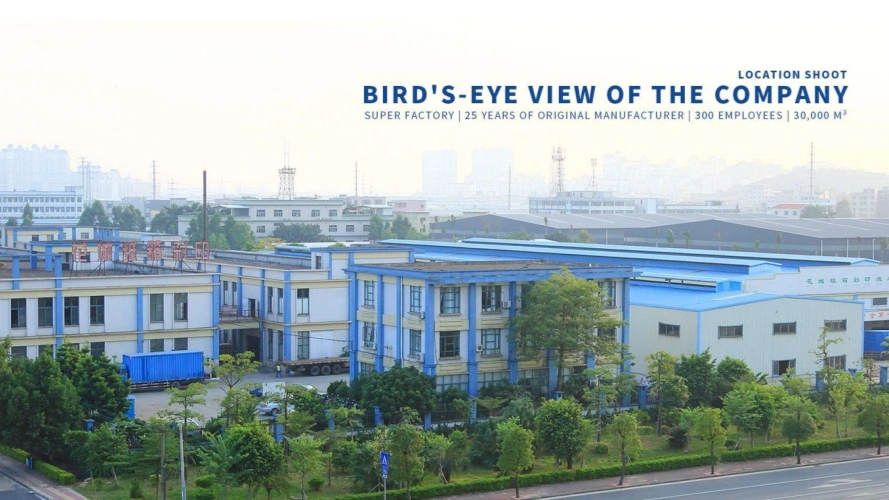
Fetching Printing, with over twenty years of experience in manufacturing, can meet all of your display procurement needs with their state-of-the-art production and wide range of customization choices. Our 50,000-square-meter building is home to top-of-the-line machines run by over 300 skilled workers. This guarantees consistent quality and dependable delivery dates for both PDQ displays and floor-standing units. We are a known maker of PDQ displays, and we have certifications like ISO14001-2015 for Environmental Management, ISO9001-2015 for Quality Management, and FSC compliance. These certifications ensure that we use environmentally friendly methods and meet high quality standards. Our R&D team has a lot of knowledge, and they help with the design process by making sure the product looks good and the costs stay low. No matter if you need temporary or permanent signs for your promotions, our wide range of services helps you meet your marketing goals with accuracy and dependability. Get in touch with us at support@fetchingprinting.com if you want to talk about your needs and learn how our display options can help your store and sales.
References
Smith, J.A. (2023). "Retail Display Effectiveness: A Comprehensive Analysis of Point-of-Sale Marketing Tools." Journal of Retail Marketing Research, Vol. 15, Issue 3, pp. 45-67.
Johnson, M.L. and Chen, R. (2022). "Material Science in Commercial Display Manufacturing: Durability and Cost Considerations." Packaging Technology Quarterly, Vol. 28, No. 4, pp. 112-128.
Williams, K.P. (2023). "Consumer Behavior and Impulse Purchasing: The Role of Strategic Display Placement." International Journal of Consumer Psychology, Vol. 41, Issue 2, pp. 89-105.
Thompson, D.R. et al. (2022). "Sustainable Packaging Solutions in Retail Environments: Environmental Impact Assessment of Display Materials." Environmental Packaging Review, Vol. 19, No. 6, pp. 201-218.
Garcia, A.M. (2023). "Procurement Strategies for Retail Display Systems: Cost-Benefit Analysis and Vendor Selection Criteria." Supply Chain Management Today, Vol. 34, Issue 1, pp. 78-94.
Anderson, B.K. and Liu, S. (2022). "Brand Positioning Through Physical Display Design: Case Studies in Premium Retail Environments." Brand Management Quarterly, Vol. 12, No. 3, pp. 156-172.