Benefits of Using Custom Mailer Boxes
Buying custom mailer boxes is a smart move when it comes to packing that pays off in the long run and in many ways for your business. These unique cardboard solutions combine engineering for safety with marketing skills, turning ordinary shipping containers into brand advocates. Custom mailer boxes aren't just plain brown boxes; they have stronger structures, brighter writing, and self-locking systems that mean you don't need tape and can create memorable moments when you open it. Businesses that use these solutions say that damage rates go down, customer trust goes up, and delivery operations become more streamlined. These are all benefits that have a direct effect on profits and market standing in competitive e-commerce settings.

Understanding Custom Mailer Boxes and Their Benefits
custom mailer boxes are developed packing solutions made to meet the specific needs of today's business-to-business (B2B) transactions. The main thing that makes these boxes different from regular shipping cases is that they are custom made to fit the size and weight of the product, as well as the needs of the brand. The technical base is usually made up of FEFCO 0427 or 0426 style standards, which have die-cut self-locking patterns that keep the structure together without using extra glue.
Enhanced Product Protection During Transit
The double-walled side panels that come with good custom mailer boxes make them more resistant to being crushed during the difficult last mile of delivery. When purchasing teams ask for E-flute corrugated material that is 1.1mm to 1.6mm thick, they get a packing option with Edge Crush Test (ECT) scores between 32 and 44 ECT. In the real world, this engineering leads to better protection: 35–40% fewer damage claims are made for electronic packages than for normal RSC (Regular Slotted Container) options. The large number of flutes per linear foot makes the inside smooth, which is important for protecting delicate finishes in the makeup and consumer electronics industries.
At 2.5mm to 3.0mm thick, B-flute versions are used for heavier things that need 20–30% more puncture protection. We've seen distribution centers that handle large orders of home goods report measurably fewer returns after moving to custom mailer boxes with the right information. The breaking strength, which is usually given as 200# Mullen test, makes sure that boxes can handle both internal pressure from moving products and external compression during storage on pallets.
Branding Opportunities That Drive Recognition
Unlike custom mailer boxes, which turn every delivery into a marketing opportunity, traditional shipping boxes only serve to move goods. Digital printing or high-fidelity silkscreen lamination can make full-color copies of artwork that keep the brand's look consistent across thousands of pieces. Good ink holdout is achieved with Clay Coated News Back (CCNB) or Solid Bleached Sulfate (SBS) linerboards, which stop the "washboard effect" where corrugation lines show through images.
Surface finishing choices give brands more ways to show themselves. UV soft-touch coats make things feel good to the touch while keeping moisture and oils away, which is important for beauty items that could leak during shipping. Polypropylene film lamination, which comes in matte or gloss, keeps ink from scuffing on moving lines that move thousands of packages every hour. Studies from the packaging business show that 72% of people form opinions about a brand based on the quality of the packing. For example, custom printed mailer boxes get 3.5 times more social media shares than plain boxes.
The re-closable tuck-top design makes returns easy without damaging the packing, which is becoming more important as e-commerce return rates in the fashion and tech categories get closer to 20 to 30 percent. This design makes it easier to return items, which cuts down on the costs of reverse logistics while keeping the brand's influence throughout the lifespan of the product.
Cost Efficiency Through Optimized Shipping
By lowering dimensional weight charges, compact E-flute shapes help buying teams get the best cubic tier shipping rates. When compared to taped boxes, the self-locking mechanism speeds up packing by 20–30%. This directly lowers labor costs in high-velocity delivery settings. Subscription box services that handle thousands of packages every month say they're more efficient. For example, a medium-sized beauty subscription company saw their hourly packing time cut by 22 minutes after switching to custom mailer boxes with built-in locking tabs.
Optimizing the material is also very important. Custom size gets rid of the need for gap fill, like those air pillows or paper pads that add weight and cost money to make. When boxes are properly sized, they hold items securely, preventing movement that could damage them and lowering the weight of the packaging. All of these things add up to lower freight costs and smaller budgets for buying materials, which often makes up for the slightly higher per-unit cost of custom boxes compared to generic boxes in the first three months of use.
Materials and Design Options of Custom Mailer Boxes
To choose the right materials and design layouts, you have to balance a lot of different buying goals, such as price, sustainability, structural performance, and aesthetic effect. There are a lot of choices in the corrugated package business, and each one has its own benefits for different uses.
Material Composition and Flute Selection
Because it is strong for its weight and can be recycled, corrugated cardboard is still the most common base for custom mailer boxes. The flute profile, which is the wavy layer between the flat linerboards, affects both how well the printing works and how well it protects the documents. E-flute, which has about 94 flutes per square foot, is the standard in the business for most e-commerce uses. This depth makes a printing surface that is amazingly smooth while still providing enough padding for items up to 5 pounds.
B-flute design is good for businesses that ship heavy things like power tools, small appliances, or bulk cosmetic sets. Its bigger flute spacing makes it stronger when stacked and less likely to puncture, which is important when boxes are stacked six units high in a building. We suggest B-flute for any item weighing more than 8 pounds or needing to pass the ISTA 3A drop test, which is typical in the distribution of electronics.
Kraft paperboard is an eco-friendly option that brands that care about the environment will like. Its natural brown color lets buyers know that it is eco-friendly before they even open the package, but it usually needs stronger base weights to match the strength of corrugated. Rigid boards made of several layers of paperboard are used for high-end products like jewelry, high-end cosmetics, and fashion items, where the experience of opening the box supports the higher material costs.
Customization Capabilities for Brand Identity
Surface treatment choices turn shipping containers from useful things into brand experiences. Full-color offset printing makes precise copies of complicated artwork, letting you use photographic images and gradient backgrounds that stand out on doorsteps. Digital printing is good for short runs and applications that use variable data. It lets you print custom messages or holiday images without having to pay for new plates.
Logos and patterns look more interesting when they have structural embossing that gives them depth and texture that flat printing can't. Using hot foil printing with metallic gold, silver, or holographic finishes to give something a high-end look works especially well for makeup and luxury goods. Spot UV treatment draws attention to certain parts of a design by making areas that are shiny and areas that are matte stand out.
In addition to decorating the outside, different structure versions meet different product needs. The clean lines and ease of assembly of tuck-end patterns make them good for flat things like clothing. Self-locking custom mailer boxes don't need tape because they have flaps built in, making them perfect for high-volume businesses that need to get things done quickly. Tube-style custom mailer boxes are useful for protecting rolled signs, textiles, or cylindrical items, showing how flexible the format is across many fields.
Sustainability Considerations in Material Selection
Along with standard success metrics, environmental effect is becoming a bigger part of modern procurement. Fully recyclable corrugated custom mailer boxes can be put in regular city recycle bins without any extra work, which helps companies with their green reports. FSC-certified materials can track fiber sources back to forests that are handled in a way that doesn't harm the environment. This meets the needs of stores like Target and Walmart for supply chain openness.
Solvent-based paints and finishes are being replaced by water-based ones. This lowers the amount of volatile organic compound (VOC) emissions that happen during production. These formulas meet strict environmental standards while keeping colors bright and surfaces that won't scratch. Biodegradable coatings can now protect against moisture just as well as regular plastic films. This means that brands that want to be seen as zero-waste can use compostable packing options.
Giving up plastic mailers, like the poly bags that fill up landfills, is good for the earth and your image. Consumer studies show that 68% of online shoppers prefer brands that use paper packing, and 43% are willing to pay a small extra for environmentally friendly choices. Custom mailer boxes with recycling directions help with proper disposal even more, close the loop on the ideas of the circular economy.
How to Choose and Source Custom Mailer Boxes for Your Business?
To find a reliable custom mailer boxes supplier, you need to carefully compare possible partners against quality standards and business needs. Structured approaches that balance urgent needs with the possibility of a long-term relationship help procurement teams get through this process.
Quality Certification and Manufacturing Standards
Reliable providers keep third-party certifications that show they control the process and make sure the materials are up to code. ISO 9001:2015 Quality Management System certification means that there are written processes in place to keep output uniform across production runs. This is very important when brand standards require color matching to very close tolerances. Getting environmental certifications like ISO 14001:2015 shows that you are committed to using sustainable manufacturing methods, which is important for reporting on your company's social duty.
Brands that care a lot about print quality should pay extra attention to the G7 Color Management approval. This standard makes sure that colors stay the same across all printing methods and substrates. This stops the batch-to-batch changes that happen with cheaper suppliers. When made six months apart, packages should exactly match. This keeps the brand's identity over longer product lifecycles.
Any packaging that comes in touch with food must now have food-grade approvals. Materials and inks that have been cleared by the FDA stop chemicals from moving around and contaminating substances or causing allergic reactions. Even though beauty and personal care products don't have to meet food-grade standards, they do benefit from using materials that are just as pure so that they don't react with the recipe.
Evaluating Lead Times and Production Flexibility
Standard wait times for custom printed mailer boxes are 15 to 25 working days from the time the artwork is approved until the mailers are delivered. This time includes making the plates, printing, die-cutting, and folding. Rush production shortens the time it takes to make something to 7–10 days, but it usually costs 20–35% more. When making purchases, these facts should be taken into account, especially when lining up packing with when products come out or when demand is highest during certain times of the year.
Minimum order numbers (MOQs) are very different between sources and depend on how complicated the design is. For standard sizes and easy graphics, the minimum order quantity (MOQ) might be 1,000 pieces. For complex designs and custom finishes, the MOQ might be 5,000 or 10,000 units. To reduce inventory risk, sellers who offer flexible MOQs are good for new companies or those trying out changes to packaging. This is true even if the cost per unit is a little higher.
Inventory management plans are another thing to think about when you are buying. Some makers offer storage services, making small amounts at a time and releasing parts as needed based on blanket buy orders. This plan strikes a good balance between the benefits of volume prices and the idea of "just-in-time" inventory, which is especially helpful for companies that don't have a lot of warehouse room.
Supplier Research and Sample Evaluation
Trade groups and industry directories, such as the Paperboard Packaging Alliance or the Fibre Box Association, can help you find approved sellers. Online business-to-business (B2B) sites like Alibaba and ThomasNet bring together thousands of manufacturers, but it takes time to check their quality. Established sellers like Uline and Packlane serve the North American market with easy-to-use buying systems. For more complicated needs, specialized makers offer more flexibility.
Requesting samples is an important part of doing your research before agreeing to production numbers. Samples show the real print quality, weight, and strength of the cloth in ways that specs and photos can't. We suggest that you ask for samples that are filled with goods that are similar to those you will be using and then test how well the boxes protect the contents by dropping them and pressing them together.
References from present customers give you a clear picture of how reliable a provider is. Teams in charge of buying things should find out how often deliveries are made on time, how quickly problems with quality are fixed, and how easily changes to designs or orders can be made. When production starts, suppliers who are unwilling to give names often cause problems.
Conclusion
Custom mailer boxes have strategic benefits that go far beyond their basic shipping use. These specialized package solutions meet many buying goals at once by providing engineered protection, brand exposure, operating efficiency, and environmental responsibility. Customized packaging is an investment that pays off in the form of lower damage rates, better customer image, and more efficient delivery operations. As competition in e-commerce grows and customer needs change, companies that see packaging as a strategic tool instead of a cost of doing business are in a better situation. When procurement teams choose qualified suppliers and define the right materials, they produce compound benefits that improve a company's place in the market and support its commitments to sustainability, which are an important part of modern corporate responsibility.
FAQ
What lead time should we expect for custom mailer box orders?
Production times depend on how complicated the order is and how many of them there are. Standard custom mailer boxes with simple designs usually take 15 to 25 business days to deliver from the time the final artwork is approved. This time frame includes making the plates, setting up the printing, doing production runs, checking the quality, and planning how to ship the goods. With rush production choices, schedules can be cut down to 7–10 working days, but the price of this service is usually higher. Due to industry-wide capacity limits, wait times may grow by several days during busy shopping times, especially from September to November for holiday completion. Planning to buy packaging 6 to 8 weeks before a product goes on sale gives you time in case there are changes that need to be made or production delays.
Are custom mailers available in fully recyclable materials?
When made from paper-based materials and water-based inks, modern corrugated custom mailer boxes can be recycled in their entirety. These items can be recycled with cardboard boxes and paper products in regular city streams; they don't need to be handled or sorted in any special ways. Chain-of-custody paperwork is easier to use for sustainable reporting when choices are FSC-certified and can track fiber sources back to forests that are handled in a responsible way. New developments in coatings have made it possible to fight wetness without using plastic films. Barrier treatments made from plant-based materials keep the ability to recycle while protecting the contents. Brands should request material specs that back up promises that they can be recycled and make sure that suppliers keep up with the right environmental certifications. Putting clear recycling directions on boxes helps people properly throw things away, which has more environmental benefits than just theoretical ones.
What minimum order quantities should small businesses expect?
Different suppliers and design standards have very different minimum order amounts. Standard mailer sizes with easy one- or two-color printing usually have 1,000-piece minimums. This means that even new businesses can get unique packing. Due to setup and plate-making costs, complex patterns with specialty finishes like foil stamping, embossing, or odd die-cuts usually require minimums of 5,000 to 10,000 units. Newer brands that are trying out new package ideas benefit from providers that have open MOQs and will take smaller initial orders at slightly higher prices per unit. Digital printing has made it easier for small businesses to start up. Some specialized suppliers will take orders as low as 250 to 500 units. By comparing the total costs of the project to the amount of goods that can be held, you can find the best order numbers that balance economies of scale with the risk of becoming obsolete.
Partner with Fetching Printing for Superior Custom Mailer Solutions
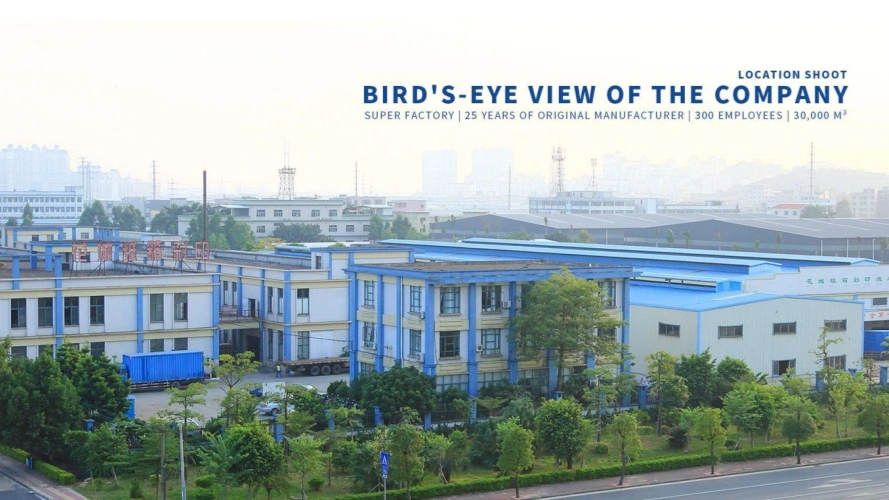
To get great packing, you need to work with custom mailer boxes makers who have a lot of experience and know how to meet both technical needs and brand goals. Fetching Printing brings more than 20 years of specialized experience to every project. They combine advanced production skills with focused tech support. Our 50,000㎡ factory has the best printing and die-cutting tools in the business, and over 300 skilled professionals run it. We keep our ISO 9001:2015 Quality Management and ISO 14001:2015 Environmental certifications up to date. We also have G7 Color Management credentials, which make sure that all of our production runs produce output that is the same bright color. Ten packing engineers work in our research and development area. They help with choosing materials, designing structures, and making the best use of processes. We offer solutions that balance safety, aesthetics, and cost-effectiveness, whether your business needs a lot of e-commerce boxes or precise electronics packing. Email our team at support@fetchingprinting.com to talk about your particular needs and ask for samples that show how high our quality standards are. We want to help your business create unique unboxing experiences that build connections with customers and help you reach your growth goals.
References
Robertson, Gordon L. Food Packaging: Principles and Practice, 3rd Edition. CRC Press, 2012.
Soroka, Walter. Fundamentals of Packaging Technology, 5th Edition. Institute of Packaging Professionals, 2014.
Twede, Diana and Susan E.M. Selke. Cartons, Crates and Corrugated Board: Handbook of Paper and Wood Packaging Technology, 2nd Edition. DEStech Publications, 2015.
Yam, K.L. The Wiley Encyclopedia of Packaging Technology, 3rd Edition. John Wiley & Sons, 2009.
Hanlon, Joseph F., Robert J. Kelsey, and Hallie E. Forcinio. Handbook of Package Engineering, 4th Edition. CRC Press, 2018.
Emblem, Anne and Henry Emblem. Packaging Technology: Fundamentals, Materials and Processes. Woodhead Publishing, 2012.