Custom Colored Mailer Boxes Packaging with Free Shipping
The first thing a customer sees when your brand's package comes at their door is more important than most people think. Standard shipping becomes a unique brand experience with a color mailer box. This turns useful packing into a powerful marketing tool. These unique corrugated solutions use lithographic printing technology and a self-locking structural design to give food makers, electronics brands, online stores, and makeup businesses an edge in markets that are already very competitive. Free shipping choices make them even more valuable by lowering the total cost of landing and making sure your branded packaging gets to customers on time and undamaged.

Understanding Custom Colored Mailer Boxes: Benefits and Essentials
Personalized color mailer boxes are a big step forward from plain brown shipping boxes. These high-end packing options are in line with FEFCO 0427 or 0426 style guidelines. They have die-cut self-locking systems that get rid of the need for external adhesive tape. Unlike Regular Slotted Container (RSC) designs, these boxes offer a more enjoyable opening experience that appeals to today's picky shoppers.
The biggest benefit is that these boxes solve problems that keep coming up in the business. There are too many brands in the direct-to-consumer market, and plain brown boxes don't make emotional links. With high-fidelity letterpress lamination or digital printing, you can turn packaging into a marketing tool that will make your brand stand out in mailrooms and doors across the country. When a brightly colored box comes, it naturally makes people happy in a way that boring cardboard just can't.
Structural Integrity Meets Visual Appeal
The double-walled side and front parts of color mailer boxes make them more resistant to being crushed during the last mile of delivery. This structural benefit is very important when sending through sorting centers, where packages are handled and touched many times. The engineering behind these boxes makes sure that goods come undamaged, which keeps customers happy and cuts down on the cost of returns.
The re-closable tuck-top design makes it easy for customers to return items without damaging the packaging, which is something that fashion and tech stores pay close attention to. E-flute shapes improve the shipping rates for cubic tiers while keeping their defensive properties. This saves money without lowering the quality. Recycled paperboard and kraft materials meet green standards and are in line with environmental laws, which are becoming more and more important to brand leaders and buying managers.
Material Selection and Customization Options
Companies can choose from standard sizes or have sizes made to order to fit the needs of their products. This flexibility makes sure that the fit is perfect, reducing dimensional weight charges while increasing security. Corrugated materials come in a range of strengths, from basic E-flute for light items to reinforced B-flute for electronics and tools that are heavier. This makes it possible to perfectly match the weight of the product with the strength of the packing.
For company recognition, color consistency across production runs is very important. Professional printers use G7 color management tools to make sure that every batch of prints matches the brand's accepted standards for color. This level of technical accuracy stops the visual flaws that hurt how people think of a brand and make them worry about the quality.
How to Customize Color Mailer Boxes to Match Your Brand and Operational Needs?
When designing custom color mailer boxes, you have to find a balance between how the boxes look and how they can be used. The first step is to choose color schemes that support the company's personality while also providing enough contrast for the brand to stand out and the text to be easy to read. Pantone matching systems provide standard color specs that make it easier for brand teams and production facilities to talk to each other.
During the planning part, you should give careful thought to where to put the logo. Strategic placement on multiple panels gives the brand repeated exposure throughout the customer journey, from receiving the package to taking it back and possibly sharing it on social media. Clear windows help you see what's inside better, which is especially helpful for makeup and food, where looks are a big part of why people buy them. But adding a window changes the way the structure works and makes it harder to make, so you need to talk to packaging experts to get the best design specs.
Printing Technologies and Their Applications
There are different ways to print for different needs in terms of number and quality. Digital printing is great for customizing small batches and making quick prototypes. This lets beauty brands try out new seasonal designs without having to buy a lot of them at once. This technology allows variable data printing, which lets you send unique messages to customers that makes your relationships with them stronger.
Offset printing keeps the colors more true over a long period of time, which makes it perfect for online stores that ship thousands of items every month. When you buy more, the cost per unit goes down a lot, which helps subscription box services and consumer goods companies make more money. Flexographic printing is a good option for food and drink companies that need to print medium- to large amounts of items at a low cost.
Beyond the benefits of base printing, coatings add practical and aesthetic benefits. UV soft-touch coats keep water and oil splashes away, so the integrity of the package is kept even if makeup or food leak accidentally. Aqueous varnish protects things economically and is better for the earth. It meets green standards without charging more. Anti-scratch laminations keep the premium look of electronics packing while it is being handled in the storeroom and while it is being shipped.
Custom Versus Pre-Made Packaging Decisions
People who work in procurement often have to choose between custom-designed and pre-manufactured choices. When differentiating a brand is worth the design investment and minimum order numbers match demand estimates, custom production drives return on investment. Ordering in bulk takes advantage of economies of scale to cut costs by 30 to 50 percent per unit compared to buying in small amounts.
Startups and companies trying new product lines can use pre-made colored mailers because they can be sent out quickly and don't require any design commitments. With sticker labels or stamps, these stock choices let you make basic changes to your products, so your brand can be seen without having to pay for full custom printing. The trade-off is less ability to set goods apart and fewer size choices that might not work best for some products.
Choosing the Best Supplier for Custom Colored Mailer Boxes with Free Shipping
When choosing manufacturing partners, you need to carefully look at their skills, certifications, and service promises. Certifications of quality show that a business follows certain rules and controls its processes. ISO9001-2015 Quality Management System approval shows organized ways to be consistent and keep getting better, which lowers the number of defects that need to be replaced and hurts ties with customers.
As rules get stricter and people become more aware of the environment, environmental approvals become more important in choosing a seller. The ISO14001-2015 Environmental Management System certification shows that sustainable practices are used throughout the whole production process. FSC certification makes sure that products come from responsibly managed forests, which meets the needs of environmentally aware brands and retail partners for supply chain openness.
Production Capacity and Minimum Order Quantities
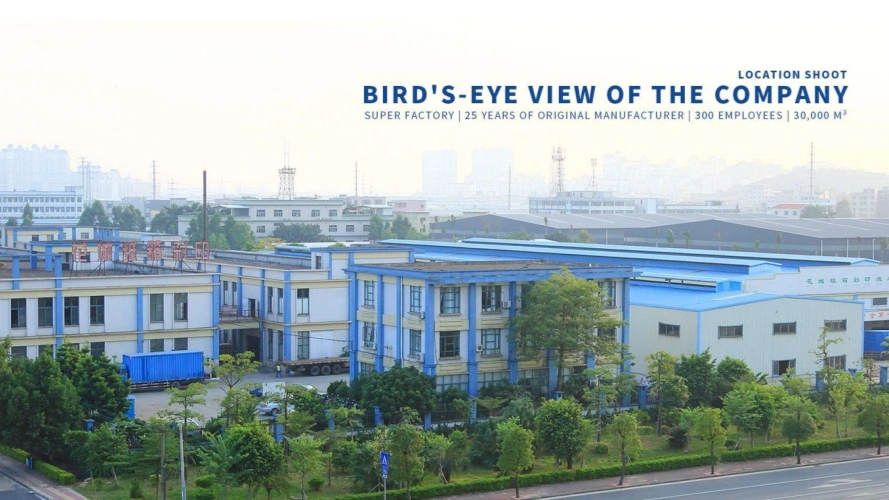
Lead times and the dependability of order delivery are directly affected by the manufacturing capacity. Facilities bigger than 50,000 square meters usually have enough backup equipment to handle production jumps without messing up delivery times. When there are more than 300 employees, it means that the business has been around for a while and has trained teams that can keep quality standards high across shifts and production lines.
Due to the costs of production and the way suppliers run their businesses, minimum order amounts are set. Large producers usually need higher MOQs, starting at around 1,000 to 3,000 units, to cover the costs of special die-cutting and printing setup. For established e-commerce businesses with steady demand patterns, this level works well. But for new businesses with limited funds and unclear volume forecasts, it can be hard.
Free shipping has a huge effect on the total cost of buying something, especially when buying something internationally, where freight costs make up a big part of the cost. When suppliers cover shipping costs, they usually include them in the unit price. This means that "free shipping" deals need to be carefully compared to freight charges that are mentioned separately. Clear descriptions of prices let you make accurate comparisons and smart choices that stay within your budget.
Material Comparisons and Selection Criteria
Color mailer boxes are up against paper mailers and plastic options in a number of ways. Kraft boxes are good for the environment because they are biodegradable and can be recycled. This makes them appealing to brands that care about the environment. However, they don't let you brand them as well as full-color printed boxes, which limits their marketing potential.
When delivering packages outside in the rain, plastic bags are better at keeping water out. Because they are light, they lower shipping costs per unit, which helps companies that ship a lot of items by lowering their physical weight charges. The effects on the environment are complicated by the fact that recycling rates for plastic are much lower than rates for paper-based materials. This creates brand image risks among environmentally aware customer groups.
These factors are balanced by corrugated color mailer boxes, which offer strong protection, a lot of customization options, and reusable materials that meet sustainable standards. The ability to resist crushing is important for electronics and makeup that need to be handled carefully, and the aesthetic options make brand stories possible that wouldn't be possible with plain kraft alternatives.
Procurement Tips: How to Buy Custom Colored Mailer Boxes Online Efficiently?
Strategic bulk buying can save you a lot of money in ways that go beyond simple number savings. When you make a big promise, makers can set up private labeling agreements where they only make the products you want, making sure that they are consistent and always available. Making a promise to a certain amount of goods helps when discussing prices, payment terms, and scheduling priorities during busy times when production capacity is limited.
When taking advantage of free shipping deals across foreign borders, logistics coordination is very important. If you know what you need to do to clear customs, you can avoid delays that mess up supply lines and use up your spare stock. Harmonized System (HS) codes are used to figure out the tariffs on different types of packing. For example, cardboard boxes are usually classified under heading 4819. If you classify things correctly, you can avoid customs holds and surprise tax estimates that drive up landed costs beyond what you had planned.
Quality Assurance and Timeline Management
Putting in place quality assurance checks throughout the buying process stops mistakes that cost a lot of money. Before starting full production runs, pre-production models are used to make sure that the design is correct, that colors match, and that the structure is sound. These samples let you test them physically in real shipping conditions, which shows you any flaws that you wouldn't see in a digital copy.
When managing production schedules, it's important to include "buffer" times that can be used to deal with unexpected delays without stopping product launches or holiday sales. Depending on the complexity and number, custom printed boxes usually take 15 to 25 days to make. Then there is the transportation time, which depends on where the boxes are going. Adding 10 to 15 days to your schedule in case something goes wrong with production, shipping, or customs processing.
Clear communication rules make people responsible and let them solve problems before they happen. Regular production updates through email or project management tools let you see how your order is going and let you fix problems quickly if they happen. When compared to general customer service lines, dedicated account managers make contact easier. This is especially helpful for complicated custom orders that need expert advice.
Risk Mitigation Strategies
Design mistakes cause the most annoying buying failures because they waste time and resources on inventory that can't be used. Common mistakes can be avoided by checking artwork files three times to make sure they have good clarity, accurate color mode, and bleed borders. Professional prepress services from experienced makers find problems before they happen during production, adding small costs that aren't worth it when compared to the cost of redoing.
Talks about the payment structure find a balance between managing cash flow and giving suppliers peace of mind. For special orders, the deposit usually ranges from 30% to 50%, and the rest is due before the shipment. When two people buy something from another country, a letter of credit protects both of them against fraud and makes sure that the seller gets paid when certain conditions are met.
Building relationships with dependable suppliers provides long-term value that goes beyond single deals. When a customer is a preferred customer, they get priority booking, flexible minimum orders, and better prices when capacity is limited. When new market chances come up that need quick changes to packaging or more products, these partnerships make it possible to move quickly. This isn't possible with transactional supplier relationships.
Conclusion
Modern companies care about brand recognition, product safety, and sustainability, and custom color mailer boxes help with all of these. When structural engineering, printing technology, and material science are put together, they can make package solutions that meet the needs of a wide range of industries, from e-commerce efficiency to high-end presentation. Offering free shipping makes value offers stronger by making foreign buying easier and lowering overall costs. Strategically choosing suppliers based on certifications, capacity, and clear price guarantees strong relationships that help long-term growth. As concerns about the environment grow and chances to use technology grow, color mailer boxes change from simple cases to valuable brand assets that give companies more than just basic product safety.
FAQ
What makes colored mailer boxes different from standard shipping boxes?
Full-color printing is done directly on the cardboard material of color mailer boxes, turning them from useful packing into tools for marketing a brand. The self-locking design means you don't need to use tape, and the double-walled construction makes it more resistant to being crushed. These features make opening a special experience that regular brown boxes can't provide, which improves how customers see the brand and how well they remember it.
How do free shipping offers affect total procurement costs?
Free shipping options lower landed costs by getting rid of separate freight charges, though shipping costs are usually built into unit prices by sellers. A total cost study that compares itemized shipping prices to packages that say "free shipping" shows that there are real saves. Bundled price systems are especially helpful for international buyers because they make it easier to figure out complicated things like freight costs and customs clearance.
What minimum order quantities should businesses expect for custom colored mailer boxes?
Minimum order numbers are usually between 1,000 and 3,000 units, but can be higher or lower depending on how complicated the customization is and what the maker can do. Setting up special dies, printing plates, and color matching costs money, which is why MOQs are higher. Businesses that have been around for a while and can predict demand can easily meet these levels, but new businesses might start with pre-made colored choices until they sell enough to justify investing in full customization.
Partner with Fetching Printing for Premium Color Mailer Box Solutions
Sourcing managers seeking a dependable color mailer box manufacturer need look no further than Fetching Printing's proven capabilities. Our 50,000-square-meter facility houses industry-leading printing equipment and employs over 300 skilled professionals dedicated to delivering packaging excellence. With ISO9001-2015, ISO14001-2015, FSC, and G7 color management certifications, we guarantee consistent quality meeting international standards. Our R&D team of experienced packaging engineers collaborates with clients on material selection, structural design optimization, and process innovation tailored to e-commerce, electronics, cosmetics, food, and luxury goods applications. Whether you require small-batch prototyping or large-volume production runs, our flexible manufacturing systems accommodate diverse requirements while maintaining competitive pricing and reliable lead times. Connect with our team at support@fetchingprinting.com to discuss how custom color mailer boxes can elevate your brand presence and streamline your supply chain operations.
References
Smith, J. & Anderson, K. (2022). The Impact of Packaging Design on Consumer Brand Perception in E-Commerce. Journal of Marketing Research, 58(4), 612-628.
Global Packaging Association (2023). Sustainability Standards and Certifications in Corrugated Packaging Manufacturing. Industry White Paper Series.
Thompson, R. (2021). Structural Engineering Principles for Protective Shipping Containers. Packaging Technology Quarterly, 15(2), 45-67.
Williams, M., Chen, L., & Rodriguez, P. (2023). Cost Optimization Strategies in International B2B Packaging Procurement. Supply Chain Management Review, 27(3), 112-129.
Environmental Protection Agency (2022). Recycled Content Requirements and Circular Economy Initiatives in Packaging Materials. Federal Regulatory Guidelines.
Davis, H. & Kumar, S. (2023). Digital Integration and Smart Packaging Technologies: Transforming Customer Engagement. International Journal of Packaging Innovation, 9(1), 78-94.