The Ultimate Guide to POS Displays: Designing for Success
A POS display is more than just something to put on a shelf; it's an intentional act that happens at the exact time when customers are most likely to buy. Putting these specialized marketing tools near registers or areas with a lot of foot traffic is the last thing that customers see before they make a purchase. When created carefully, POS displays greatly boost impulse purchases, raise brand awareness, and bring in the most money per square foot. Understanding the psychology and tech behind good POS display solutions changes how well your store does, whether you're looking for displays for e-commerce unboxing experiences, cosmetics launches, or food product sales. This complete guide explains tried-and-true design principles, things to think about when making something, and new trends that can turn everyday product placement into sales-boosting tools.
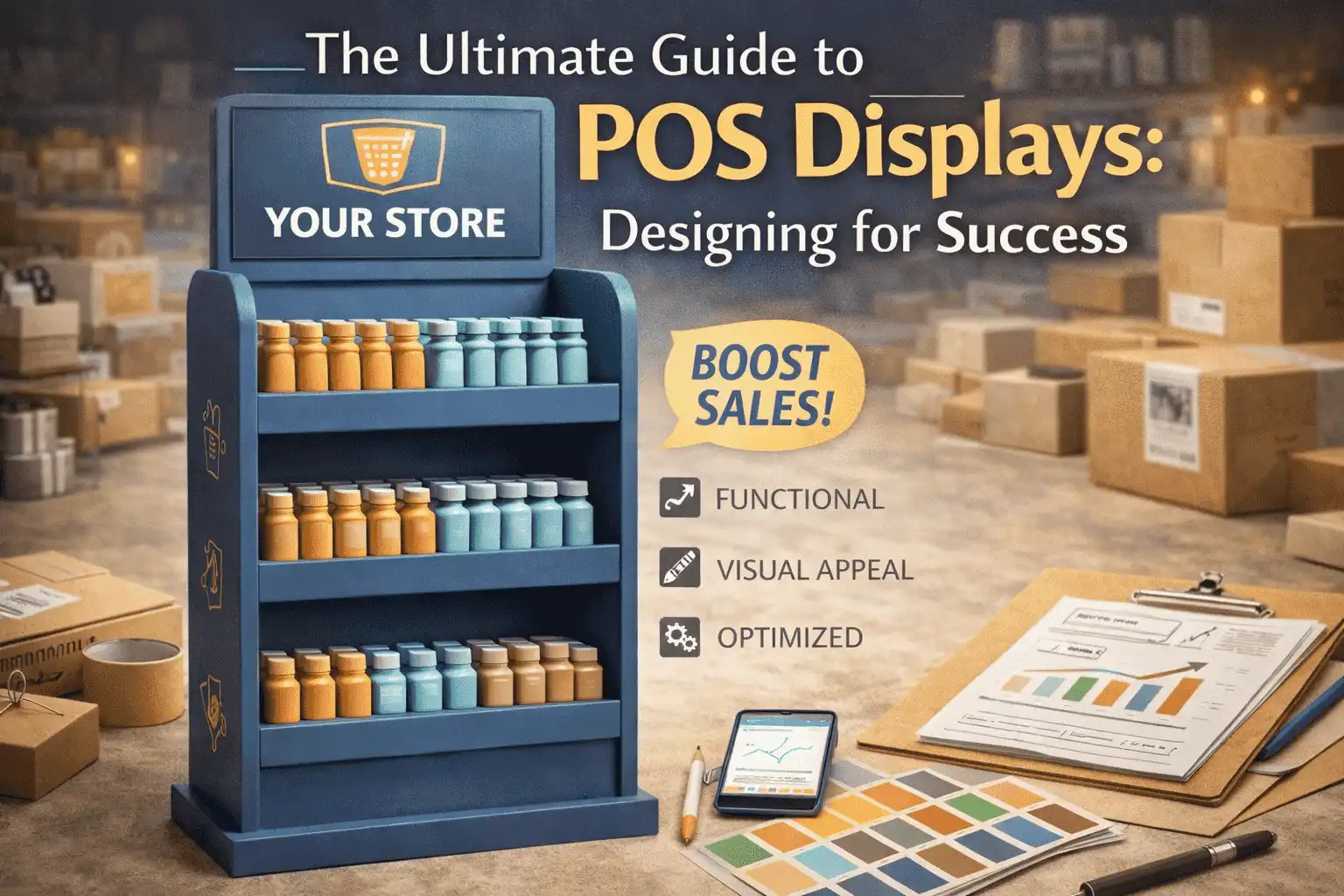
Understanding POS Displays and Their Role in Retail Success
Visual marketing tools like POS display units are designed to interrupt the customer trip at key decision points. Unlike regular shelving that fits in with the rest of the store, these units stand out when placed near registers, aisle endcaps, or store doors. Getting past "brand blindness" is the main goal. This is when shoppers look at hundreds of competing goods without noticing any of them first.
What Defines a High-Performance Point-of-Sale Display
From a purchasing point of view, these screens address several business issues at the same time. They make space just for launching new products, so you don't have to worry about negotiating for crowded store space. They make money off of places like table tops and floor corners that would otherwise go to waste, turning empty spaces into places that make money. Studies from stores show that putting POS display units in the right place can boost sales by 20–80% compared to just putting them on shelves. This makes them very useful for brands that want to break into new markets without having to spend more on promotion.
Core Types and Their Strategic Applications
The group of displays includes a number of different types, each of which is best for a different type of object or retail setting:
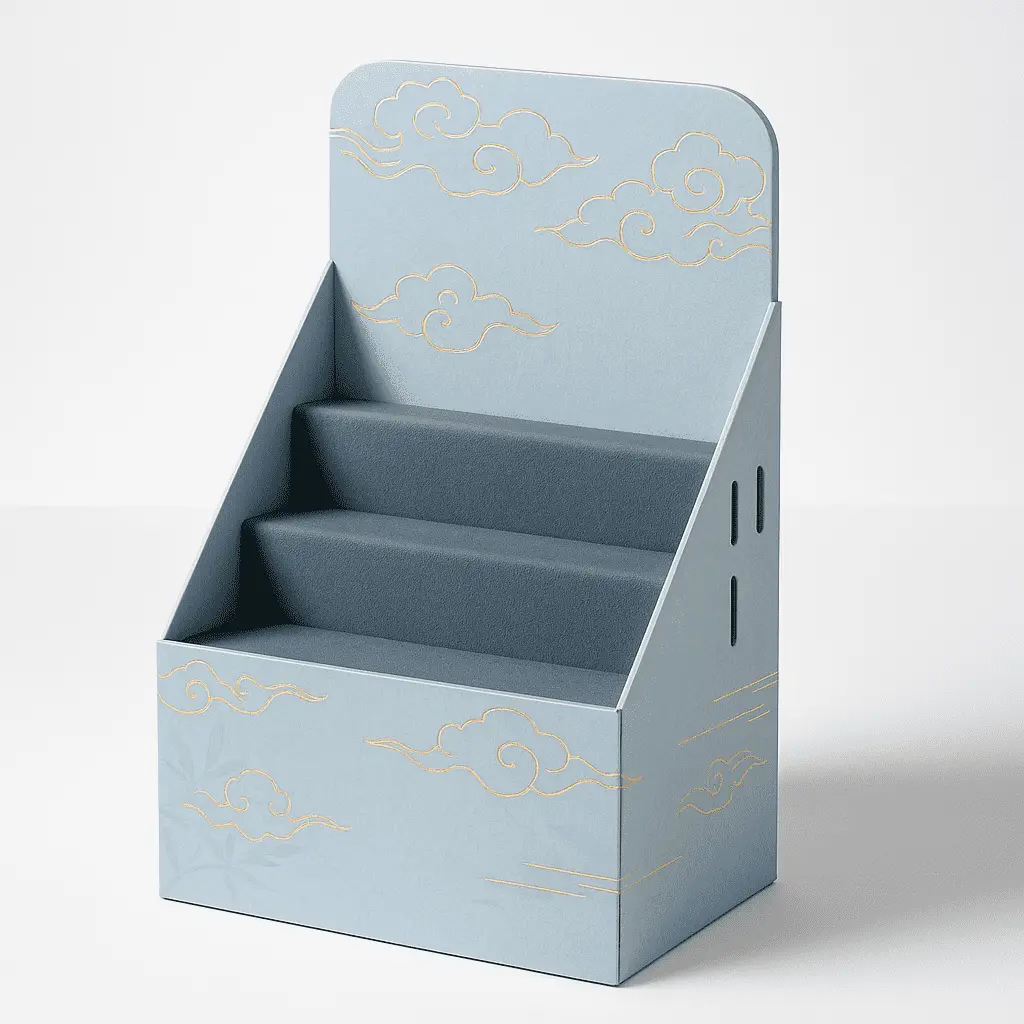
Countertop Display Units (CDUs) take up very little space on checkout counters, which makes them perfect for holding beauty freebies, small tech accessories, or snacks that you might want on the spot. Their small size means that precise engineering is needed to make the product as visible as possible within the limited space available. Beauty brands love acrylic CDUs with built-in lighting because they show off makeup while taking up less than one square foot of valuable table space.
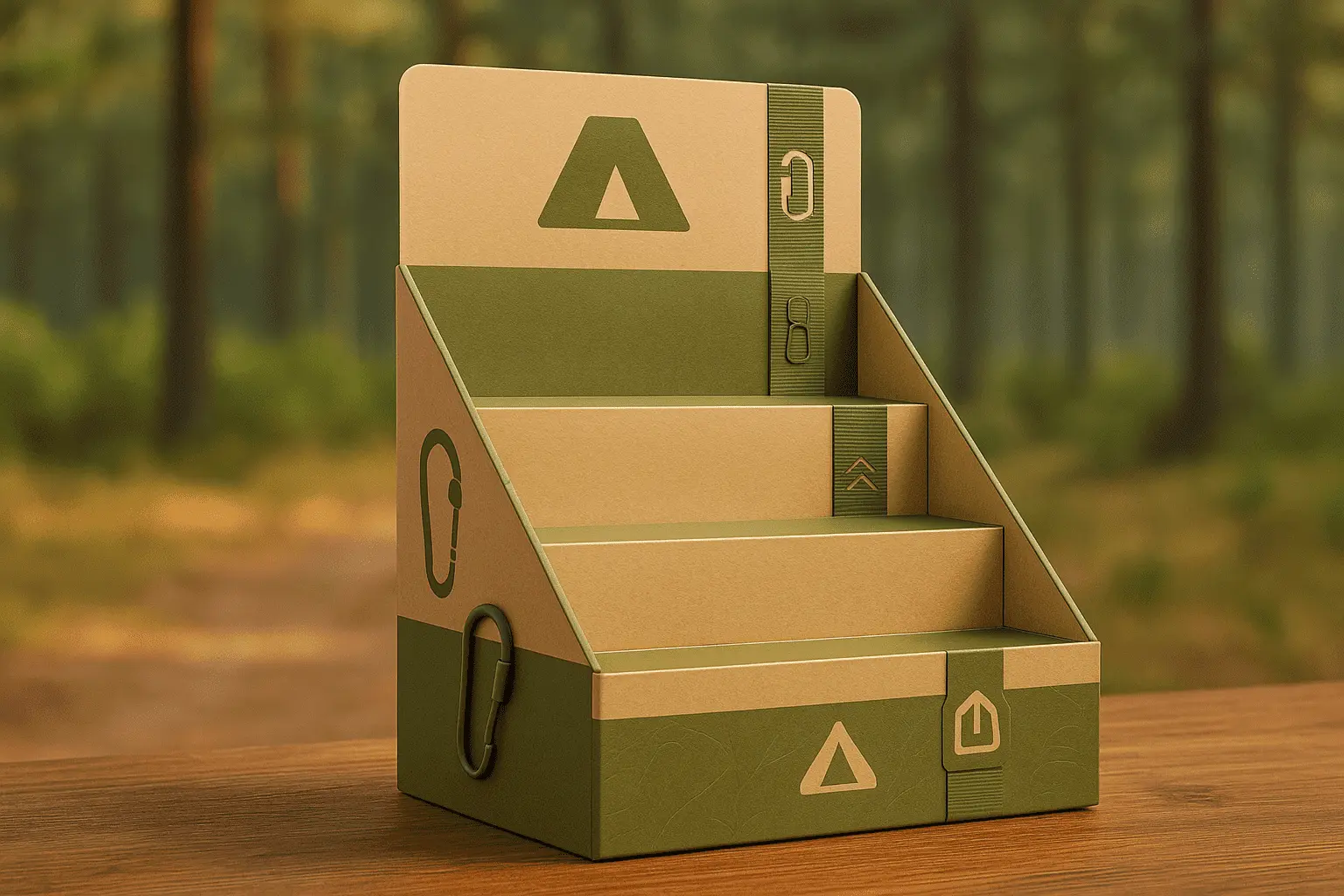
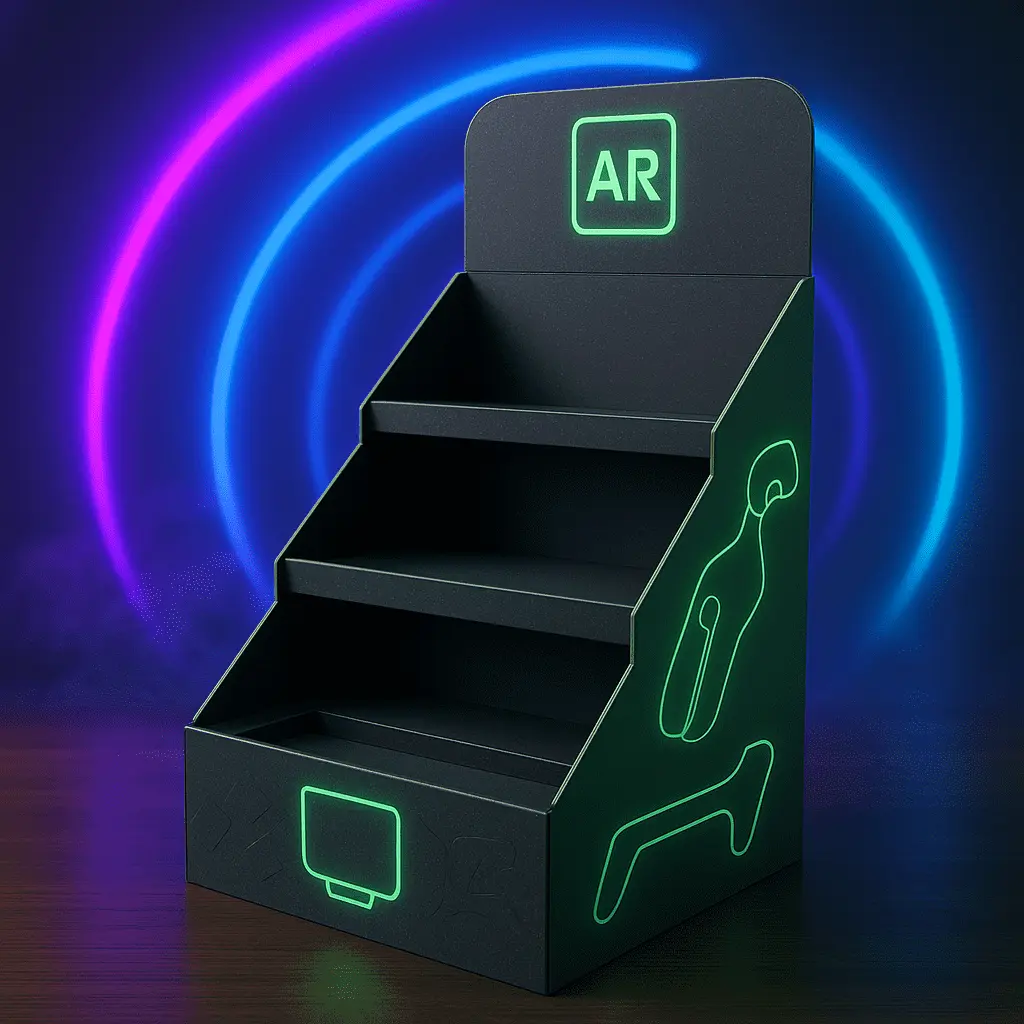
Free-Standing Display Units (FSDUs) take up a lot of floor room in hallways or entrances that get a lot of foot traffic. These boxes are usually between 48 and 72 inches tall and are made of corrugated cardboard for short-term marketing or powder-coated metal for long-term use. Consumer electronics companies use FSDUs with locking mechanisms and built-in power sources to show off their products live. Food companies use them to package gifts during the holiday season that need materials that don't change temperature.
Shelf Talkers and Wobbler Signs can be attached directly to existing shelves to get people's attention without taking up any extra room on the floor. These smaller changes work especially well for brands that don't have the money for larger groups. When online stores start working with brick-and-mortar stores, they often start with shelf talkers before spending money on full display programs.
Navigating Common Industry Challenges
When putting display plans into place in a variety of store settings, sourcing managers often run into problems. The biggest problem is that stores have very different plans, and what works in a big-box store doesn't always work in a small shop. Because of this, designs need to be flexible so they can fit different shapes without needing different tools for each one.
Another ongoing strain is between cost-effectiveness and visual impact. Temporary cardboard displays are a cheap way to start seasonal campaigns, but they might not give luxury brands the high-end look they need. Permanent plastic or metal parts, on the other hand, show quality but cost more up front and take longer to make. To find a good balance between these factors, you need to know how long the campaign will last, how much sales you expect to increase, and your brand positioning goals.
When you operate in more than one area, compliance becomes more complicated. Through ASTM testing procedures, the United States sets specific flammability standards for retail fixtures. Other foreign markets have their own chemical safety rules. When brands buy displays for rollouts in more than one area, they need to make sure that the materials are certified right away to avoid expensive refunds or installation delays.
Essential Design Principles for Effective POS Displays
POS display units that work well act as three-dimensional brand champions, turning digital or print ads into real-life shopping experiences. Color accuracy is very important—for example, the signature pink shade of a cosmetics brand must match exactly across all of its packages, ads, and displays. In order to do this, factory partners must be able to get Delta E values below 2.0, which is the level at which people can see color differences. When high-resolution litho-lamination is used on corrugated boards, photographic-quality images can be used to keep brand standards even on temporary displays that are meant to save money.
Aligning with Brand Identity Through Visual Consistency
Typography and logo arrangement need the same amount of care. Reading gets harder as you move closer or tilt your screen, so display makers make key messages bigger than what works in print. Brands that are used to using subtle fonts on their products find that POS display messaging needs to be big. The best displays have a hierarchy, with main product pictures at eye level, brand names raised so they can be seen from all the hallways, and call-to-action text placed where people naturally reach when choosing a product.
Leveraging Customer Behavior Insights for Optimal Engagement
When you know how shoppers think and feel, you can turn display design from a decoration into a sales tool. Customers look at promotional materials for an average of 1.3 seconds before choosing whether to connect or move on. In this short time, communication needs to happen right away—complex messages lose to clear, benefit-focused statements.
Ergonomic arrangement takes advantage of how people naturally shop. Right-handed shoppers naturally move their hands to the right side of displays, which makes prime placement expected and doable. Equally important is height: items placed between 48 and 60 inches are most visible and easy for the largest group of people to reach. Instead of showing goods straight up and down, counter displays look better when they are slightly tilted so that the products face customers who are coming up to them.
Touch and feel factors have a bigger impact on buying choices than many brands think. Customers who actually touch and use goods are much more likely to buy them than customers who just look at them. This knowledge is what makes testers work in makeup displays, demo units work in tech stands, and samples are given out in food displays. The framework of the display must allow for this contact to happen without putting product safety at risk or making restocking less efficient.
Strategic Material Selection for Durability and Sustainability
Material choices affect every part of a display's performance, from how much it costs to ship to how it is thrown away when it's no longer useful. For temporary and semi-permanent uses, corrugated cardboard is still the best choice. The B-flute and E-flute shapes offer the best strength-to-weight ratios. These models ship flat-packed, which greatly lowers the cost of freight, which is important to think about when putting displays in hundreds of stores. Modern corrugated engineering achieves amazing structural integrity through smart internal supports and strengthened corners, which lets units hold more than 50 pounds of product without losing their stability.
Materials for permanent placements need to be able to handle years of customer contact and the stresses of a store setting. When treated with hardcoat finishes, acrylic (PMMA) makes it possible to see products clearly and protects them from scratches. Cold-rolled steel and aluminum are strong industrial materials that can handle high traffic and can be powder-coated in any brand color. Temporary displays can't hold these things because they don't have built-in lights, digital screens, or locking mechanisms.
Sustainability factors are becoming more important when choosing materials, especially for brands that want to appeal to environmentally conscious customers. FSC-certified corrugated surfaces, acrylic formulas that can be recycled, and water-based inks all meet the needs of buying policies that stress being environmentally friendly. Leading makers now offer full lifetime analyses that show how their products reduce carbon emissions compared to older options. This information makes business cases stronger when executives are looking at display programs.
Step-by-Step Guide to Creating High-Impact POS Displays
POS display programs that work start with a thorough study of the stores they're meant for and the kinds of people who shop there. Sourcing managers need to get exact information about the floor space that is accessible, the lighting, and the way that traffic flows. A display that works best in a warehouse club, where people push big carts through wide hallways, needs to be built in a very different way than a display that works best in a small shop where people can browse slowly.
Conducting Thorough Market and Environment Analysis
At every level, design choices are based on how to divide customers into groups. Brands of electronics that are aimed at tech fans use interactive elements and thorough callouts of specifications, while beauty brands that are aimed at high-end customers put more emphasis on how things look than how much information they give. When e-commerce stores open physical stores, they face special problems because their customers expect the same wide range of products and detailed information that they can find online, but in smaller displays.
Competitive comparison shows what people are already interested in in an area. Walking around stores and looking closely at the displays reveals chances that other people don't see. What kinds of goods are most often placed at eye level? Which screens get people to connect with them instead of just watching them? This research helps with differentiation techniques that make new displays stand out in stores that are already full of things to look at.
Collaborative Prototyping with Manufacturing Partners
Brand teams and display makers need to work together closely to turn design ideas into things that can be made. Packaging experts who know about the features of materials, the limits of structures, and the cost effects of different design elements should be involved in the first meetings. Brands often ask for features that seem simple but are hard to make, like cantilevered shelves that need secret support, curved surfaces that need custom tools, or electronic connections that need safety certifications.
Prototyping goes through several versions, with each one improving how well it works and how much it costs. Digital models show how things will look and how they fit together in space, and then physical samples show how they work in real life. This step finds problems that weren't shown in the images, like graphics that looked bright on the screen but were dull when printed, structural parts that look strong in CAD but bend when the product is put down, and frustrating assembly steps that make store workers mad during installation.
Samples from good makers are made with real production materials and methods, not hand-built prototypes that are perfect in every way. This makes sure that the units that stores get are real and match approved samples. Partners with a lot of experience, like those that are ISO9001-2015 certified, keep records of their processes to make sure that the quality is the same across thousands of units. This gets rid of the quality difference that makes show programs less effective.
Manufacturing Considerations and Quality Assurance
One of the most important choices in display projects is choosing manufacturing partners. Production skills vary a lot. For example, a company that is great at making temporary cardboard displays might not be very good at making plastic displays or shaping metal. Managers in charge of sourcing should make sure that partners are honest about their material sources, the tools they have access to, and how much they can produce.
Quality control procedures separate businesses that do good work from those that don't. Look for companies that use statistical process control, which means that random samples are checked for accuracy and print quality during production runs. G7 Color Management certification shows that you care about color accuracy, and environmental standards like ISO14001-2015 show that you make products in a responsible way. These certificates aren't just pieces of paper; they show organizational discipline that keeps brands from having expensive quality problems.
Lead time management needs clear information about when things need to be made, especially for holiday campaigns or launches that happen in more than one place at the same time. Reputable makers give realistic deadlines that take into account getting materials, making things, checking for quality, and shipping. They keep a buffer stock of popular substrates on hand to speed up the return time for urgent orders, and they let clients know about any unexpected delays instead of leaving them guessing about the status of their delivery.
Tracking Performance Through Measurable Metrics
Display expenses need to be backed up by a quantifiable return analysis in order to keep the budget in place. When measuring sales lift, product performance is compared between standard periods or control stores without displays and periods when displays are present. A careful investigation separates the display's effect from other factors such as changes in prices, advertising efforts, or yearly changes in demand. Smart brands use A/B testing in groups of stores that are relatively similar to get performance data that is reliable.
Foot traffic research shows if signs get people's attention in ways that don't directly affect sales. Computer vision-based retail analytics systems can track how many buyers stop at displays, how long they look at them, and what percentage of them end up buying something. This detailed information shows if poor performance is due to display placement (low traffic), design efficiency (high traffic but low engagement), or a bad fit between the product and the market (high engagement but low sales).
Getting feedback from customers gives you personal information that quantitative measures miss. Simple intercept polls that ask shoppers about their experience with displays show problems with usefulness, message clarity, and how the displays look. In each new generation of displays, this feedback leads incremental changes that improve performance over time through evidence-based refinement instead of guesswork.
Conclusion
Strategic POS display turn stores into places where people actually buy things, connecting the dots between marketing spending and actual sales. To be successful, you need to find a balance between how something looks and how useful it is, between brand consistency and category-specific usefulness, and between starting cost and lifecycle value. Collaborative relationships between brands that know their customers well and producers who are experts in materials, production, and logistics lead to the most successful programs. As stores continue to change because of digital integration and the need to be more environmentally friendly, display tactics must also change with the times. They need to be open to new ideas while still focusing on their main goal of getting people's attention and turning viewers into buyers at the most important point in the buying process.
FAQ
What materials work best for temporary versus permanent point-of-sale displays?
Corrugated cardboard with B-flute or E-flute construction is often used for temporary POS display units that last 4 to 12 weeks because it has a great strength-to-weight ratio and is cost-effective. These are shipped flat-packed to keep freight costs low for transfers to multiple locations. Permanent installations that are used all year need stronger surfaces like plexiglass, powder-coated steel, or injection-molded plastics that can handle customers touching and cleaning them all the time. The choice of material depends on how long the campaign lasts, how much traffic is expected, and whether the show needs to have built-in technology or security features.
How do I measure return on investment for display programs?
When you figure out your return on investment (ROI), you compare the extra sales you get to the total costs of the program, which include creation, production, shipping, installation, and maintenance. By comparing success in places with POS display units to matched areas without them, rigorous measurement can figure out what role the display plays. Track metrics that go beyond instant sales, such as changes in long-term buying habits, brand knowledge, and the length of time that a customer is engaged. When display programs are done right, leading brands get 200–500% ROI, but the numbers vary a lot depending on the category, the store setting, and how much competition there is.
What lead times should I expect for custom display manufacturing?
Lead times depend on how complicated the job is, what materials are used, and how many items are ordered. It usually takes 3–4 weeks from the time the artwork is accepted until the simple cardboard POS display units with standard sizes and digital printing are delivered. Permanent displays that are very complicated and use special metal casting, acrylic shaping, or computer integration may take 8 to 12 weeks. Adding new tools for making custom structures takes even longer. Early on in the process, let people know when the campaign will start, and work with makers to make sure they have extra capacity for last-minute sales. To avoid production problems during the busiest times of the year, seasonal programs need even longer planning windows.
Partner with Fetching Printing for Display Solutions That Drive Results
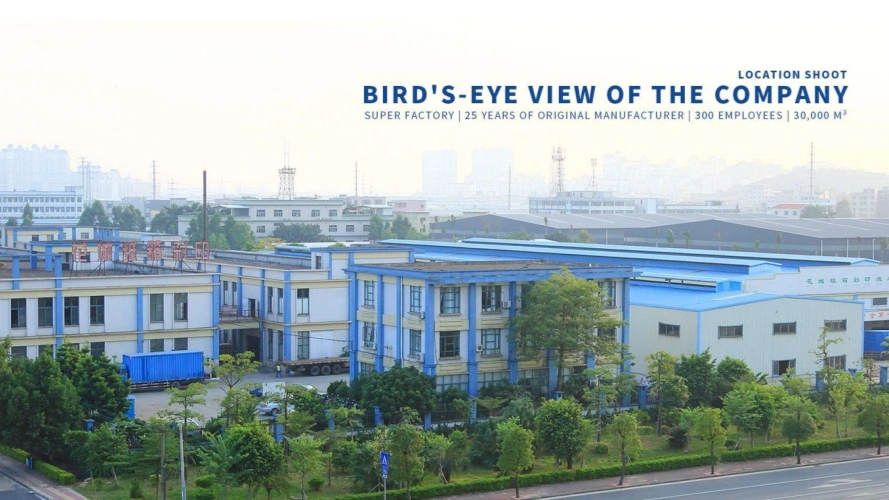
To make effective POS display results, you need more than just creative ideas. You also need manufacturing excellence that turns ideas into solutions that are ready for retail. Fetching Printing has been making packaging and displays for 25 years and can help brands find a reliable manufacturer for their store programs. Our 50,000㎡ building has cutting-edge printing equipment that is certified by G7 Color Management. This makes sure that the colors of your brand are printed correctly on thousands of units. An R&D team of experienced packaging engineers works together on designing structures, finding the best materials, and making sure they meet the needs of the US market.
We know what e-commerce stores, consumer electronics brands, and cosmetics businesses go through when they need to buy things: tight deadlines, requests for consistent quality, and the need for solutions that can grow with the business. Our ISO9001-2015 and ISO14001-2015 certifications show that we follow strict procedures that keep your brand safe at every stage of production. Our team can help you find solutions that are both cost-effective and effective, whether you need temporary corrugated displays for holiday campaigns or permanent pieces with digital elements. Email our experts at support@fetchingprinting.com to talk about your future display program and find out how strategic manufacturing partnerships can help your store's appearance.
References
Sorensen, H. (2016). Inside the Mind of the Shopper: The Science of Retailing. Pearson FT Press, London.
Underhill, P. (2019). Why We Buy: The Science of Shopping – Updated and Revised for the Internet, the Global Consumer, and Beyond. Simon & Schuster, New York.
Phillips, H. & Bradshaw, R. (2021). "Point-of-Purchase Display Effectiveness: The Impact of Design Elements on Consumer Behavior." Journal of Retailing and Consumer Services, Volume 58, Article 102273.
Kumar, A. & Lee, H. (2020). "Sustainable Packaging and Point-of-Sale Materials: Industry Trends and Environmental Impact Assessment." Packaging Technology and Science, Volume 33, Issue 4, pp. 147-162.
Chandon, P., Hutchinson, J.W., Bradlow, E.T. & Young, S.H. (2018). "Does In-Store Marketing Work? Effects of the Number and Position of Shelf Facings on Brand Attention and Evaluation at the Point of Purchase." Journal of Marketing Research, Volume 73, Issue 6, pp. 1-17.
Retail Industry Leaders Association (2022). Visual Merchandising Standards and Best Practices for Point-of-Sale Displays. RILA Publications, Arlington, VA.