Free Standing Display Units (FSDU): Structure and Components
Free standing display units are separate store pieces that are made to show off goods in high-traffic areas without having to be permanently installed. These flexible display solutions have modular frames made of corrugated cardboard, plastic, or metal, and shelf systems that can be changed to fit your needs. Understanding FSDU parts like load-bearing bases, strengthened shelving tiers, and labeled graphics panels helps procurement professionals make sure that products are easily seen while keeping costs low in stores that are always changing.
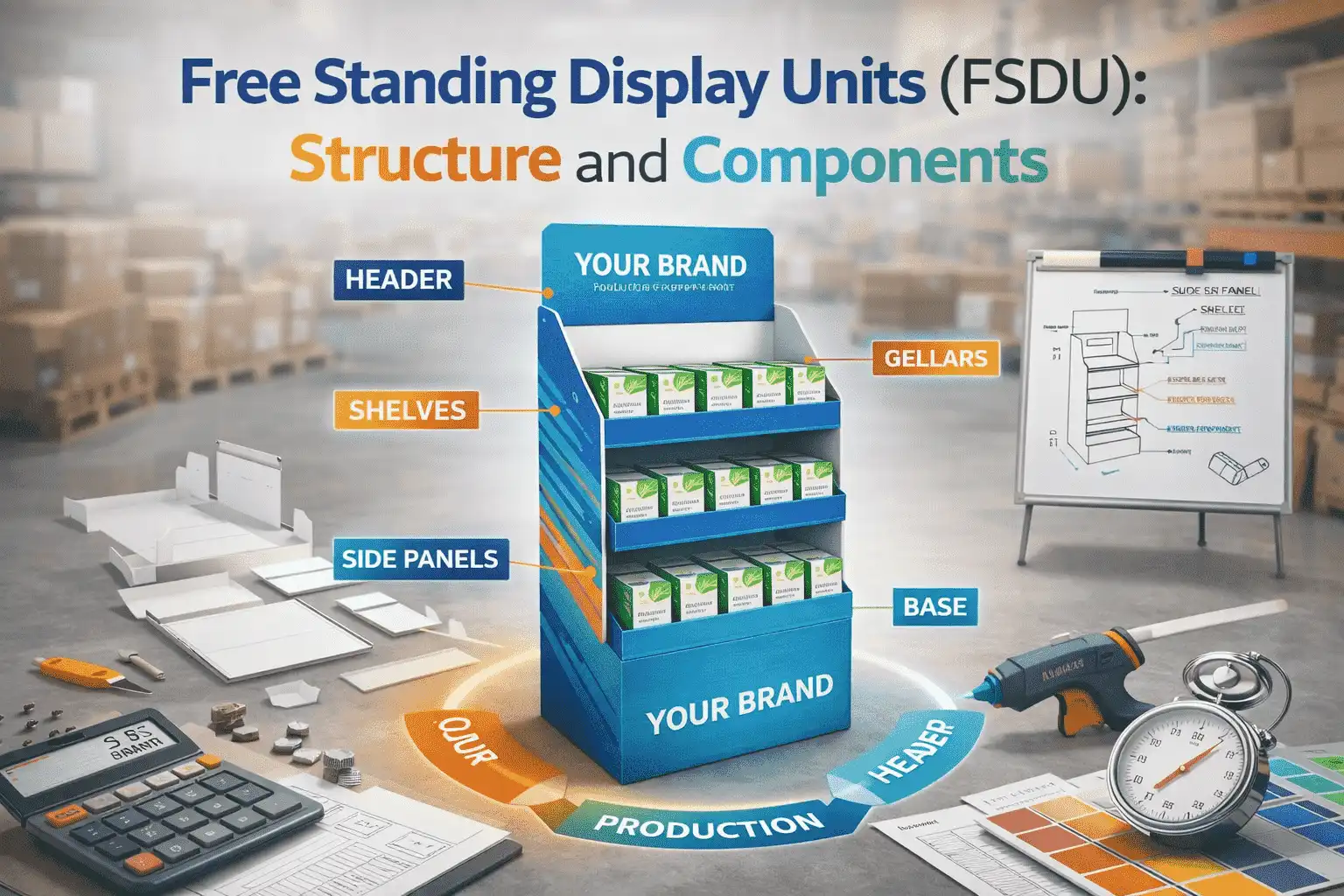
Understanding Free Standing Display Units: Structure and Core Components
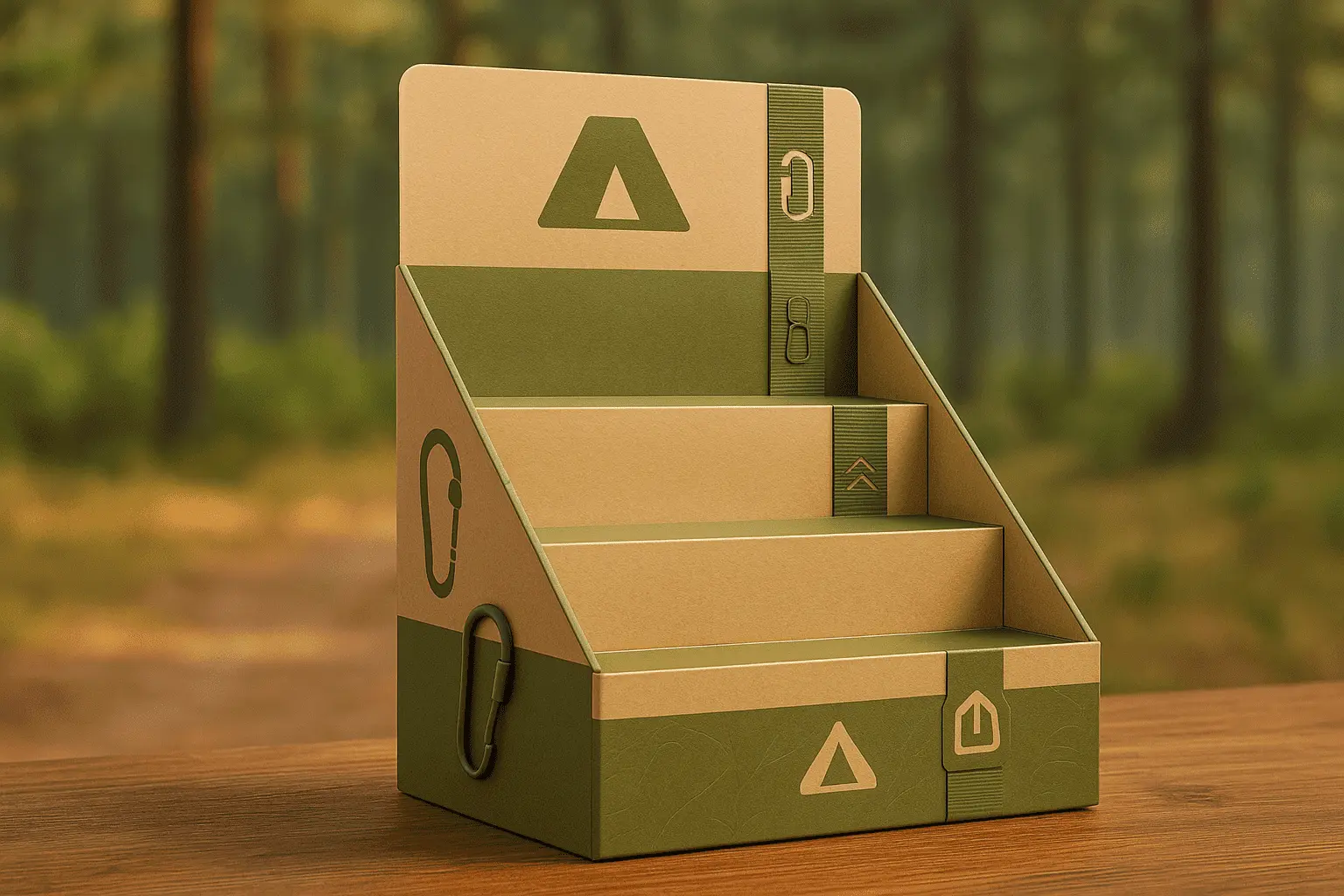
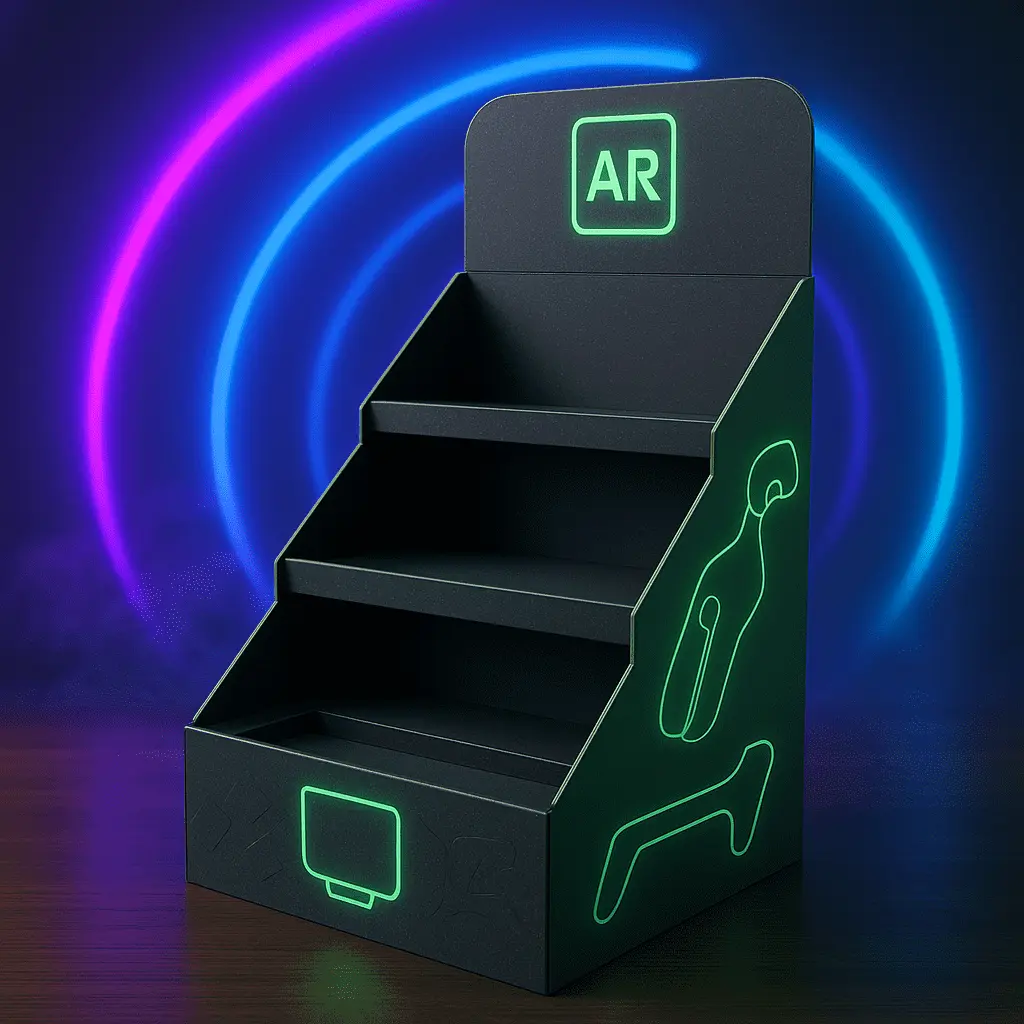
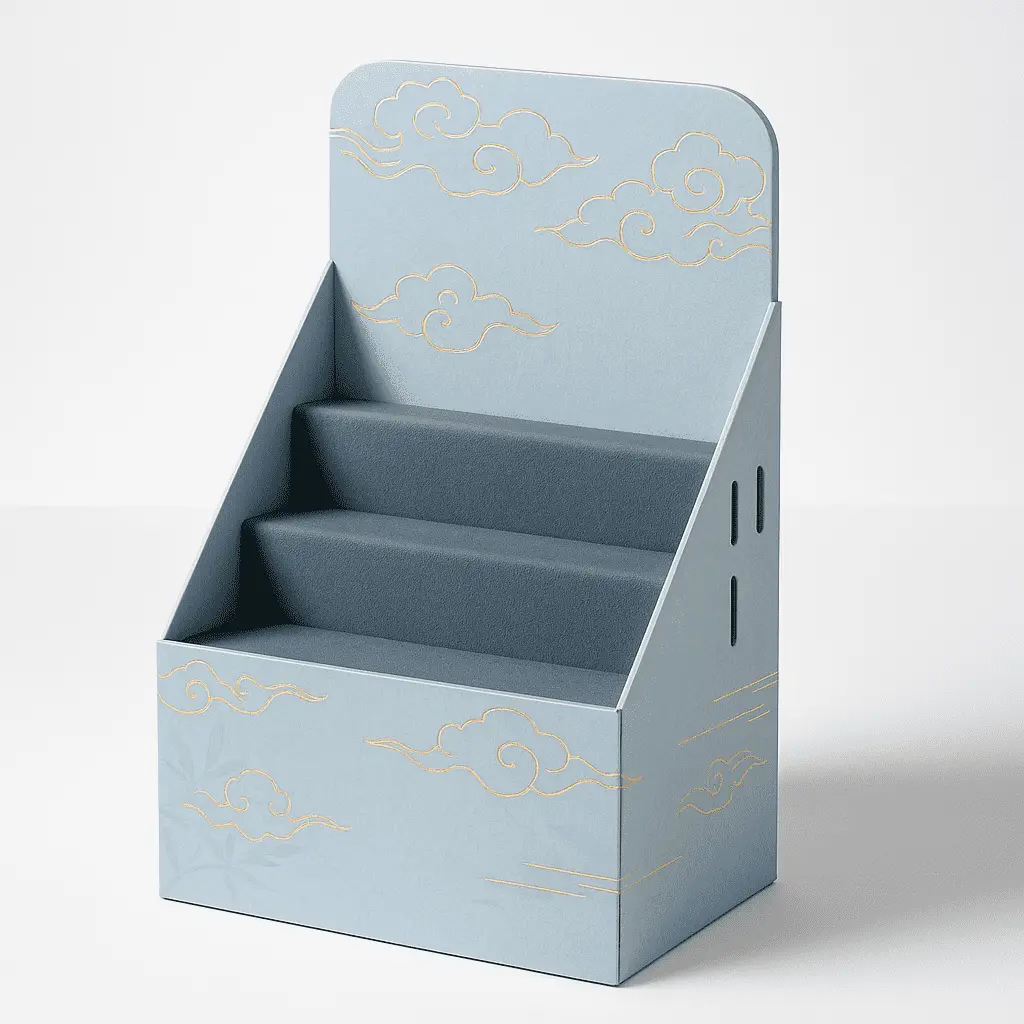
Free standing display units are stand-alone display units that are made to hold and show off goods in a visible way in stores or trade shows. These units are more flexible and portable than wall-mounted or modular screens because they are not set in one place. Their work is focused on making things look as good as possible while also making sure the structures are stable under different types of load.
Essential Structural Elements
The main structure is usually made up of frames made of metal, plastic, cardboard, or wood, along with stable bases and flexible shelves to make sure it lasts and is easy to use. High-quality units have strengthened weight-bearing shelves that can hold up to 50 kg per tier. To keep the shelves from bending, they often have support bars or corrugate folds called "rolled edges."
Base structures with large areas and low centers of gravity keep things from falling over, and interlocking parts make it possible to put them together without tools in store settings. Modern designs use shock-absorbing materials and bendable joints to make them strong enough to handle the stresses of shipping and repeated building processes.
Customizable Design Features
Customizable design elements like different sizes, branding panels, and color choices are very important for drawing the right customers and making it easier for people to talk to each other in the store. Graphics panels use high-resolution litho-lamination or direct-to-substrate digital printing to make sure that more than 95% of the colors fit brand standards.
To get the right design, you need to know about these structure details and how they fit with your business's needs. Modern units have changeable shelf heights and flexible compartment systems that can fit a wide range of product shapes.
Materials and Construction: Choosing Durable and Eco-Friendly FSDUs
When buying FSDUs, choosing the right materials is still very important for balancing longevity, cost, and environmental effect. The technical features of current units are determined by how well they work in terms of structural stability, print quality, and logistics.
Primary Material Options
PVC, folded cardboard, metal, and wood are all common materials. Each has its own pros and cons when it comes to strength, weight, and looks. Most people choose double- or triple-wall corrugated board, which has scores for the Edge Crush Test (ECT) that range from 32 ECT to 70 ECT depending on the load.
Heavy-duty uses require parts made of metal because they last longer, while engineered plastics prevent water and damage. Strategically combining different types of materials, hybrid structures use metal support in high-stress areas while keeping the lightweight cardboard construction for the graphics panels.
Sustainability Considerations
Sustainability is becoming a more important factor when buying things for free standing display unit, and eco-friendly materials like recycled cardboard and sustainable wood help to lower environmental impact. FSC-certified materials support the idea of a cycle economy, and reusable parts help to make sure that forests are managed in a responsible way.
Procurement pros can choose FSDUs that support long-term sustainability goals without sacrificing usefulness or brand image by thinking about things like lifecycle, recycling, and how they fit in with the company's ESG commitments. Water-based inks and recyclable laminates make the environmental benefits even stronger while still meeting standards for quality.
Assembling and Maintaining Your FSDU: Practical Insights
For FSDUs to last longer and work better in challenging store and trade show settings, they need to be properly put together and maintained. Modern designs focus on easy-to-use building methods that cut down on setup time and labor costs.
Assembly Best Practices
Step-by-step building guides usually only need a few tools and stress speed to cut down on setup time. Fold lines that have already been scored and color-coded assembly tabs make it easy to put things together. Magnetic or snap-fit connections mean that you don't need glue or nails.
During building, quality control checks the shelf load capacities by using graduated loading tests and making sure all locking mechanisms work properly. Before loading starts, visual checks are done to make sure that the pictures are lined up correctly and that the structure is sound.
Maintenance Protocols
Regular checks and cleaning that is safe for different types of materials are part of routine maintenance that helps keep structures from wearing out or getting damaged. To keep the print quality of laminated surfaces, you should clean them with mild chemicals. On the other hand, dry cleaning methods are best for untreated cardboard because they stop it from absorbing water.
Fixing common problems like instability or small fixes can save money and keep the display from going down. FSDUs that are well taken care of ensure uniform display quality, which builds customer trust and brand reputation over time. Regularly switching out high-wear parts increases the life of the whole unit and keeps it looking professional.
Comparing Free Standing Display Units: Making the Right Choice for Your Business
Understanding the differences between FSDUs and other options like wall-mounted units is important when choosing display solutions for making the best use of store space and advertising.
Competitive Advantages
Free standing display units are flexible and easy to move, which makes them great for changing store plans and short-term campaigns. Wall-mounted units, on the other hand, can make the most of set space without having to worry about floor space. Wall-mounted units can only hold a limited number of items, while floor-standing units can hold a wider range of items.
With temporary location, stores can quickly adapt to seasonal trends or sales without having to make lasting changes to their infrastructure. This ability to adapt is especially useful in lease situations where changes to the structure are limited.
Selection Criteria
FSDUs can be better matched to different business needs by looking at things like sturdiness, portability, and customization. This is useful for both showing a lot of products and promoting particular ones. Load capacity needs, how hard something is to put together, and how it will be transported all have a big impact on buying choices.
Buying from trusted brands and sellers with proven quality, customization options, and dependable delivery also helps with buying and keeping supplies consistent. Rapid development and small-batch customization skills from suppliers help with flexible marketing plans and meeting the needs of product launches.
Procurement Guide: Ordering and Managing FSDU Inventory for Your Business
Choosing the right channels for buying FSDUs is an important part of effective sourcing strategies. These channels can be trusted online sites or direct relationships with suppliers. Knowing how the market works and what suppliers can do lets you make smart buying decisions that get the best results for both cost and performance.
Pricing and Budget Considerations
Knowing how prices change based on material choice, size, and special features helps you make accurate budgets for both one-time and large sales. Discounts for buying in bulk usually start at 500 units, and the costs of special tools are spread out over 1,000 or more units.
Lead times depend a lot on how customized the product needs to be. Standard models usually ship within two to three weeks, but fully customized units can take up to four to six weeks for design approval and production finish. Rush sales usually cost more, but they can meet important promotional dates.
Logistics and Support Services
Logistics factors like the ability to send goods all over the world, the ability to rent equipment for short-term use, and full after-sales services like guarantees and support make operations a lot easier. To protect the product throughout the supply chain, pre-filled package displays need to be handled in a certain way and tested to make sure they are in line with ISTA 3A.
By using these best practices to streamline inventory management, companies can keep the right amount of stock on hand, cut down on wait times, and get the most out of their investment in display assets. Inventory programs that are handled by vendors can cut down on management costs while still making sure that items are always available for planned campaigns.
Conclusion
Procurement pros can make choices that balance performance, cost, and sustainability goals when they understand the framework and parts of an FSDU. The advanced engineering solutions provided by modern free standing display units support brand differentiation strategies while addressing difficult store merchandising problems. To get the best return on investment, execution must carefully consider the qualities of the materials, how they need to be put together, and how they should be maintained. The move toward eco-friendly materials and flexible designs shows that the industry is commitment to using sustainable methods that don't hurt usefulness or appearance.
FAQ
What weight capacity should I expect from a cardboard free standing display unit?
Under normal circumstances, standard cardboard units can hold between 10 and 15 kg per shelf. But technical improvements like metal support bars, dual-wall construction, and triangular geometric bending can make it hold 25 to 50 kg per tier without breaking the structure. Load distribution across multiple touch places and proper weight placing have a big effect on how well the capacity actually works.
How long do FSDUs typically last in retail environments?
Free standing display units are usually made for advertising rounds that last between 2 and 12 weeks, but this can change based on the material and the weather. High-gloss coating protects against wetness and UV fading, which makes the units last longer. Untreated kraft units, on the other hand, work best for shorter campaigns of two to four weeks. Places with a lot of foot traffic may need to be replaced more often, no matter how good the materials are.
Can units be shipped pre-filled with products?
Yes, pre-filled merchandisers or shipper displays are a growing market segment that work well both on delivery boxes and in stores. To keep goods safe while they're being moved around in the supply chain, these units need higher-grade ECT board ratings and special transit testing that meets ISTA standards. Pre-filling cuts down on store labor costs and makes sure that all of the rules for selling are followed.
Partner with Fetching Printing for Superior Free Standing Display Unit Solutions
Fetching Printing makes free standing display units that are excellent in both structure and design, and they can be used in a wide range of industries. Our research and development (R&D) team of packaging engineers has been making custom solutions for online stores, tech brands, cosmetics companies, and food makers around the world for more than twenty years.
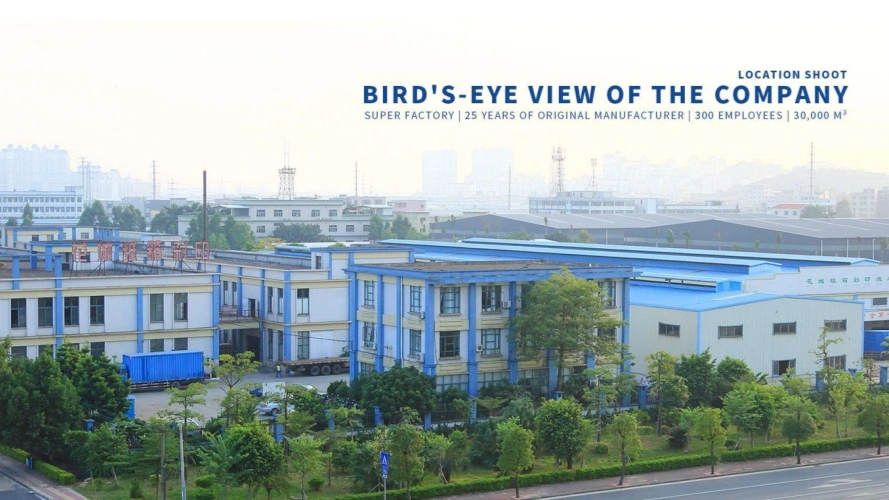
We guarantee consistent output quality and brand color accuracy across all of your projects thanks to our ISO9001-2015 Quality Management certification and G7 Color Management tools. Our 50,000㎡ factory and wide range of high-tech machines allow us to offer quick prototypes, low prices, and solid shipping times that work with your marketing plans. Get in touch with our team at support@fetchingprinting.com to talk about your unique needs and find out how our experience as a free standing display unit maker can improve your store's appearance while lowering your costs.
References
Smith, J. and Thompson, R. "Retail Display Engineering: Structural Analysis of Corrugated Point-of-Purchase Materials." International Journal of Packaging Technology, 2023.
Anderson, M. "Sustainable Merchandising Solutions: Environmental Impact Assessment of Retail Display Materials." Packaging Design Quarterly, 2023.
Wilson, K. et al. "Load Testing Standards for Temporary Retail Fixtures: ISTA Compliance and Best Practices." Journal of Retail Engineering, 2022.
Davis, L. "Color Management in Large Format Printing: Achieving Brand Consistency in Retail Environments." Print Production Technical Review, 2023.
Martinez, A. "Supply Chain Optimization for Pre-Filled Display Units: Logistics and Quality Considerations." Retail Operations Management, 2022.
Brown, S. "Modular Display Design: Engineering Flexibility in Contemporary Retail Environments." Visual Merchandising Professional, 2023.