Custom PDQ Displays: OEM Process, MOQ, and Lead Times
Original equipment maker (OEM) services, minimum order quantities (MOQ), and accurate wait time management are all parts of the process of making custom PDQ displays. These unique point-of-sale (POS) merchandising solutions change the way stores work by mixing shipping and quick display features. Businesses can improve their store marketing strategies and keep costs low by understanding the ordering process, the amount needed, and the delivery times. Professional printers like Fetching Printing make custom solutions that meet the design and structure needs of a wide range of businesses.

Understanding Custom PDQ Displays: Definition and Industry Context
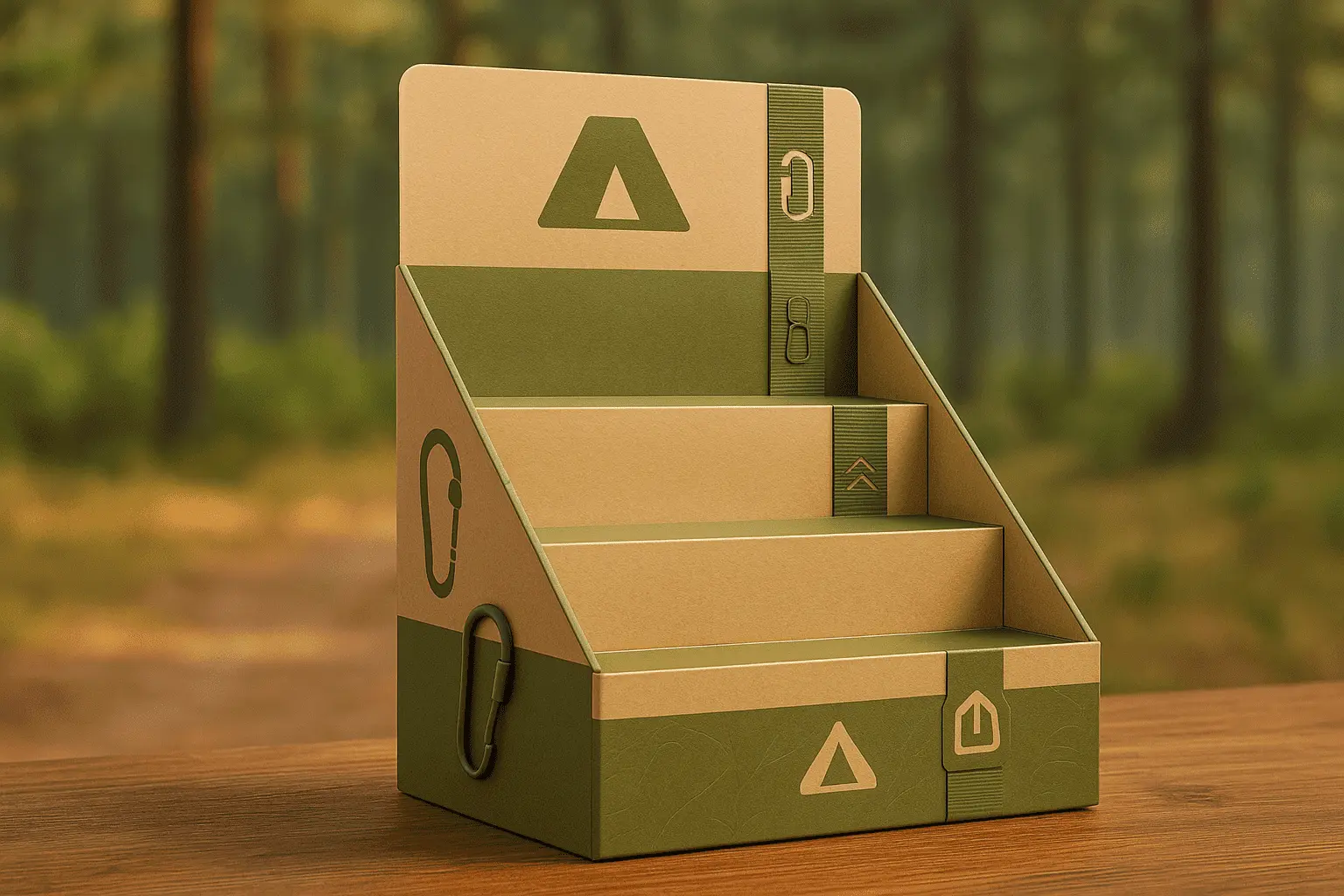
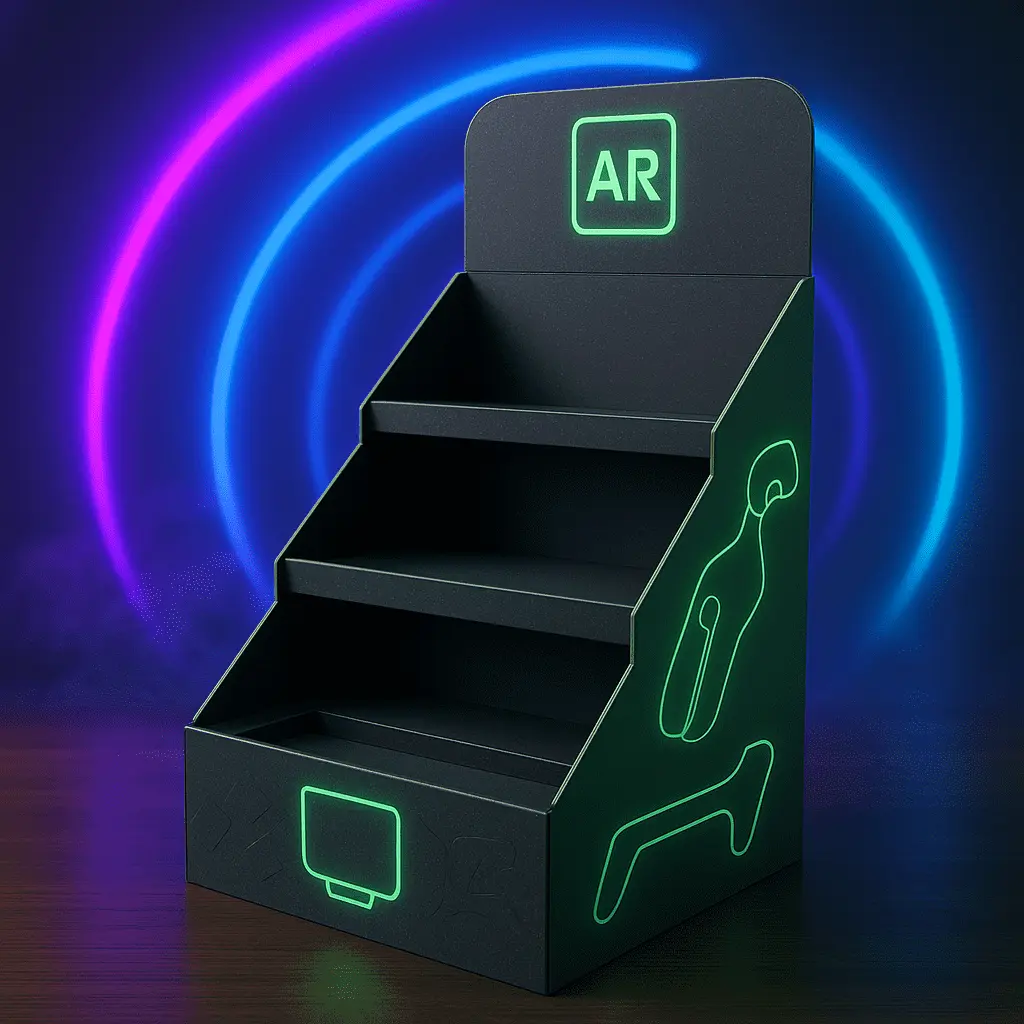
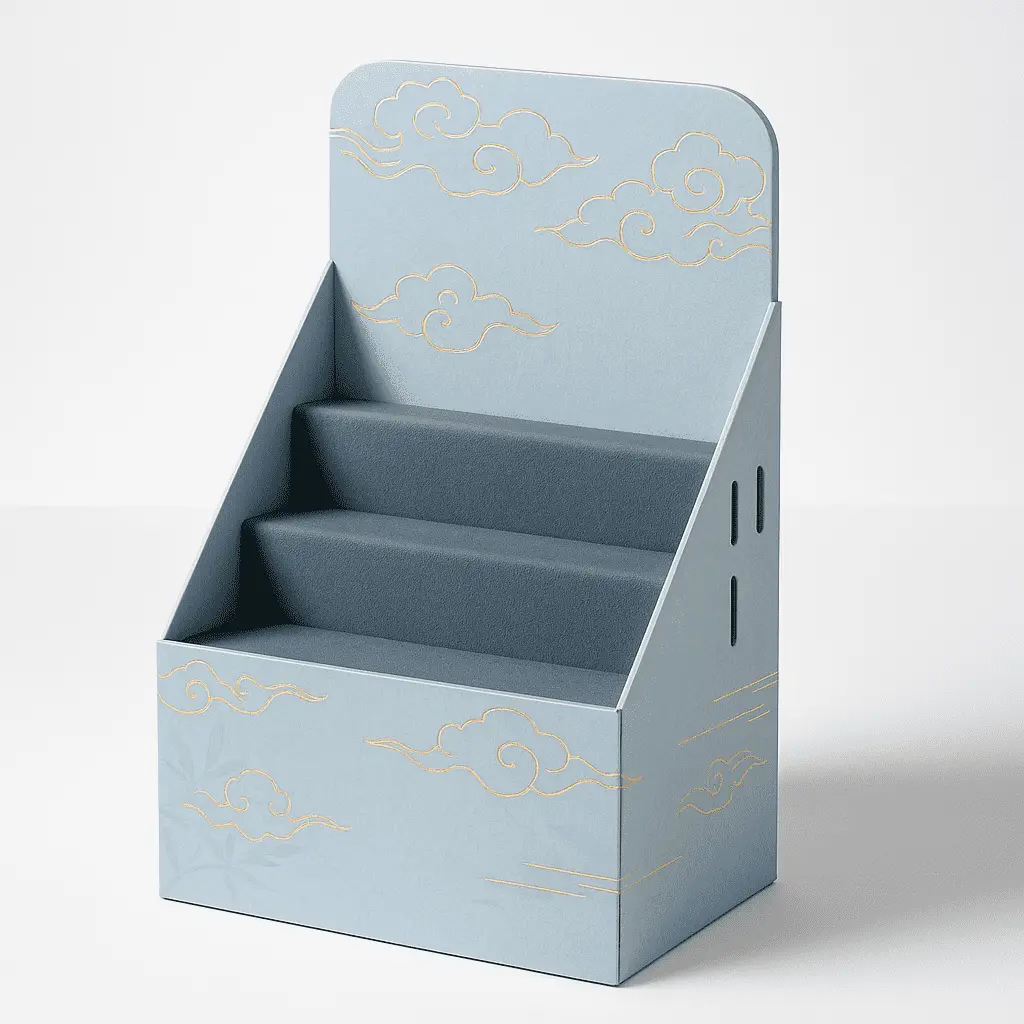
PDQ display boxes are a revolutionary way to set up store displays because they can be used as both shipping containers and temporary advertising displays. In contrast to traditional package solutions, these Product Display Quick units do not require the time-consuming task of placing each product individually. This cuts stocking time by about 50% while still ensuring uniform brand presentation.
The Dual-Function Design Philosophy
The engineers who make display trays focus on making the structures flexible and making the stores run more smoothly. These units come to stores ready to be used right away, so store employees don't have to do much to set them up. The design gets rid of the "disorganized shelf" problem that often happens when products are put together by hand, while still adhering to strict planogram rules and brand visual standards.
Market Applications Across Industries
Across many industries, shelf-ready packing options are very helpful in retail settings. High-traffic checkout areas use small-footprint designs with anti-tip geometry to keep high-margin things like batteries and energy goods safe from constant customer contact. For use in pharmacies and cosmetics, internal stepped dividers are needed to keep products visible and rotating even when stock levels drop.
Warehouse Club and other big box stores need heavy-duty double-wall aluminum construction that can hold heavy loads above during palletized distribution. These uses show that point-of-sale screens can be used in a variety of store settings and with different types of products.
The OEM Process for Custom PDQ Displays: From Design to Production
The process of becoming an original equipment maker for custom PDQ display starts with in-depth consultations where the client's needs are carefully considered. This way of working together makes sure that brand goals and structural skills are in line with each other, and it also solves specific problems in the retail setting.
Initial Design Development and Material Selection
When weighing longevity, cost-effectiveness, and environmental concerns, choosing the right material is a very important step. When deciding between cardboard and plastic options, product weight, moisture exposure, and environmental needs need to be taken into account. As brands put more emphasis on being environmentally responsible, eco-friendly materials become more important in the buying process.
Our engineering team weighs the need for strength against the desire for good looks, coming up with designs that look good while also protecting the product. During the planning process, color consistency and printing quality are given extra attention, especially for cosmetics and high-end goods.
Prototyping and Sample Approval Process
Iterative sample development makes sure that what the customer wants and what the factory can do are in sync before mass production starts. In this step, the structure is tested in a store-like setting to see how stable it is, how long it will last, and how easy it is to put together. Changes based on client feedback are quickly put into action, which keeps the project moving forward and gets the best results.
During the prototyping process, quality assurance methods make sure that the prototype meets industry standards and client requirements. The things that are tested include their ability to hold weight, their resistance to moisture, and their ability to look the same in a variety of lighting situations that are common in stores.
Production Planning and Quality Control
Manufacturing plans work with client start dates to make sure that strict quality standards are met. To get the most out of speed without sacrificing quality, production planning looks at where to get materials, when to print, and how to finish the work. Regular quality checks during production make sure that everything is consistent and find any problems before they're finished.
Modern printing methods allow for accurate color matching and clear image reproduction, meeting the complex branding needs of many businesses. The G7 Color Management approval makes sure that colors are reproduced consistently and meet the standards for professional printing.
Minimum Order Quantity (MOQ) and How It Affects Procurement Decisions
Minimum order numbers for custom PDQ display have a big effect on how businesses buy things, especially those that have to deal with stocking costs and limited storing space. Knowing the MOQ standards helps you make smart choices that balance cutting costs with keeping your business flexible.
Industry Standards and Influencing Factors
Standard MOQ requirements are usually between 1,000 and 5,000 units, but this can change based on the complexity of the design and the level of customization needed. Minimum numbers are affected by things like the cost of tools, how well materials work, and how much time is needed to set up production. For cost-effective production, bigger minimum orders may be needed for structures with a lot of moving parts or materials that aren't commonly used.
Negotiation Strategies for Flexibility
A lot of the time, showing long-term relationship potential and volume forecasts is a big part of MOQ talks that go well. Sample runs and test orders let you see how well a product works before you commit to buying more of it. These smaller original orders help lower risk while building relationships with suppliers.
Businesses that are only open during certain times of the year can benefit from staggered shipping plans that spread out goods over longer periods of time. This cuts down on storage needs while keeping production levels high. This method helps find a balance between managing goods and keeping an eye on cash flow.
Cost-Benefit Analysis Considerations
When buying in bulk, you might get savings, but you need to think about how much it will cost to store and how quickly it will become obsolete. When figuring out the best amount to order, procurement managers look at things like storing costs, insurance needs, and the impact on working capital. Changes in market demand and the length of a product's existence have a big effect on these estimates.
Lead Times: Planning for Timely Delivery in B2B Procurement
Lead time management for custom PDQ display has a direct effect on when products come out and how well inventory planning works. Knowing what affects shipping times lets you plan ahead, which reduces problems in the supply chain and makes sure you can enter the market on time.
Factors Affecting Production Schedules
Design complexity has a big effect on production times. For example, complicated structure requirements or custom finishes need longer production times. Finding the right materials is also very important, especially for specialty surfaces or eco-friendly options that may not have a lot of suppliers.
Lead times are affected by production capacity and schedule issues, especially during busy shopping times when demand goes up a lot. By planning ahead and placing orders early, you can secure your chosen production slots and avoid delays caused by limited capacity.
Standard Timeline Expectations
Wait times for standard designs are usually between 15 and 25 business days. For complex custom solutions that need new tools or special materials, the wait time is between 30 and 45 days. Rush orders can be filled with faster production plans, but there is usually a fee for meeting such tight deadlines.
Depending on the location and shipping method chosen, international shipping can take an extra 7–14 days. While air freight cuts down on travel time, it also costs more. Ocean shipping, on the other hand, is cheaper for big orders with flexible arrival times.
Proactive Communication and Risk Mitigation
Regular production reports and talks about milestones help find possible delays early, so that plans can be made for what to do if something goes wrong and other answers can be found. Setting clear rules for how to talk to producers makes sure that everything is clear during the whole production process.
Having ties with backup suppliers gives important projects extra security, but making sure that quality and specifications are met across all of them takes careful management. Strategies for lowering risk include placing orders early and keeping extra stock on hand for openings that need to happen quickly.
Comparison and Selection: Choosing the Best Custom PDQ Display Supplier
When choosing a supplier for custom PDQ display, you need to look at their skills, certifications, and service levels in detail. The choice affects not only the success of the job at hand, but also the possibility of long-term partnerships and the dependability of the supply chain.
Quality Certifications and Standards Compliance
ISO certifications show that quality management is organized and that methods for constant growth are in place. Environmental management standards like ISO14001 show a commitment to using sustainable production methods, which is becoming more and more important to people who have a stake in a brand.
Industry-specific certifications, such as FSC for sustainable forests and food-grade certifications for food and beverage uses, make sure that rules are followed. These certificates lower the risk of buying things and help brands reach their environmental goals.
Production Capacity and Scalability
An review of manufacturing capacity looks at both what the company can do now and how it could grow in the future to help it grow. Facilities with a wide range of tools can meet a wide range of structural needs and finish choices, making them adaptable to changing product needs.
Shipping prices and wait times are affected by where the goods are shipped, with local suppliers being better for frequent reorders or urgent needs. Tours of production facilities are a great way to learn about their skills and quality control systems.
Service and Support Capabilities
Having engineering help with the design process makes sure that the best solutions are found that meet the needs of cost, usefulness, and appearance. Teams with a lot of experience can offer changes that will improve performance while also cutting costs or making production easier.
How quickly customer service responds and how available expert help is can affect the success of a project, especially when there are a lot of changes to make or a short deadline. Strong speaking skills make it easier to complete projects and solve problems.
Conclusion
When buying a custom PDQ display, you need to carefully think about OEM methods, MOQ standards, and planning for lead times. For execution to go well, suppliers must be chosen carefully and have a track record of design, manufacturing, and quality control skills. By knowing about these things, you can make smart choices that improve cost, quality, and shipping while also meeting the goals of retail marketing in many different industries.
FAQ
What factors determine MOQ for custom display projects?
MOQ requirements rely on how complicated the plan is, what tools are needed, and what materials are needed. For cost-effective production, simple designs usually need 1,000 to 2,000 units, while complicated structure designs might need 3,000 to 5,000 units. Minimum numbers go up for custom tools and materials that aren't commonly used.
How can companies cut down on the time it takes to finish important projects?
Shortening the lead time means finalizing the design early, getting approval for the materials ahead of time, and speeding up the production schedule. Rush orders usually cost more, but they can cut down on normal wait times by 30 to 40 percent. Making it easy to communicate and simplify ideas can also speed up production.
What quality certifications should I look for in suppliers?
ISO9001 for quality management and ISO14001 for environmental management are two important standards. Industry-specific certifications, such as FSC for sustainable products and food-grade standards, make sure that rules are followed. G7 Color Management approval makes sure that the quality of the prints is always the same.
Partner with Fetching Printing for Your Display Solutions
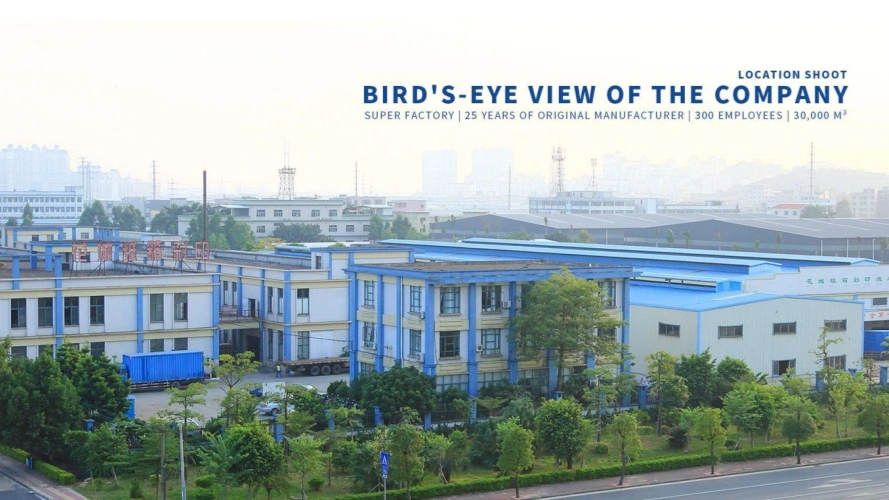
Because they've been making things since 1999, Fetching Printing is a reliable custom PDQ display maker for businesses that need high-quality options. Our 50,000㎡ building has cutting-edge tools and more than 300 trained workers who are committed to doing great work. We make sure that every project is of high quality and will last by having many standards, such as ISO9001, ISO14001, and FSC. Our experienced research and development (R&D) team comes up with new ways to create things while keeping costs low and response times short. Get in touch with our team at support@fetchingprinting.com to talk about your unique needs and find out how our knowledge can help your store marketing.
References
Johnson, M.K. "Point-of-Sale Display Manufacturing: Industry Standards and Quality Management." Packaging Engineering Quarterly, 2023.
Williams, R.J. "Minimum Order Quantities in Custom Packaging: Strategic Procurement Approaches." Supply Chain Management Review, 2023.
Chen, L.H. "Lead Time Optimization in OEM Manufacturing: Best Practices for Global Supply Chains." International Journal of Production Management, 2022.
Thompson, S.A. "Retail Merchandising Solutions: The Evolution of PDQ Display Technology." Retail Innovation Today, 2023.
Martinez, C.E. "Quality Certifications in Packaging Manufacturing: Impact on B2B Procurement Decisions." Industrial Quality Management, 2022.
Anderson, D.P. "Sustainable Materials in Custom Display Manufacturing: Market Trends and Future Outlook." Environmental Packaging Journal, 2023.