Eco-Friendly PDQ Displays: Materials and Manufacturing Options
In today's retail world, long-term options that are good for both the earth and business are becoming more and more important. Using renewable materials and making methods that are good for the environment, eco-friendly PDQ displays are a big step toward more sustainable point-of-purchase marketing. These displays keep the main features of regular PDQ units, like quick deployment, good looks, and product promotion, but they have a much smaller effect on the environment because they are made with reusable materials and in an eco-friendly way. Retail brands are under more and more pressure to show they care about the environment. To stay ahead of the competition and meet customer standards for corporate responsibility, sustainable display solutions are now important.
Understanding Eco-Friendly PDQ Displays
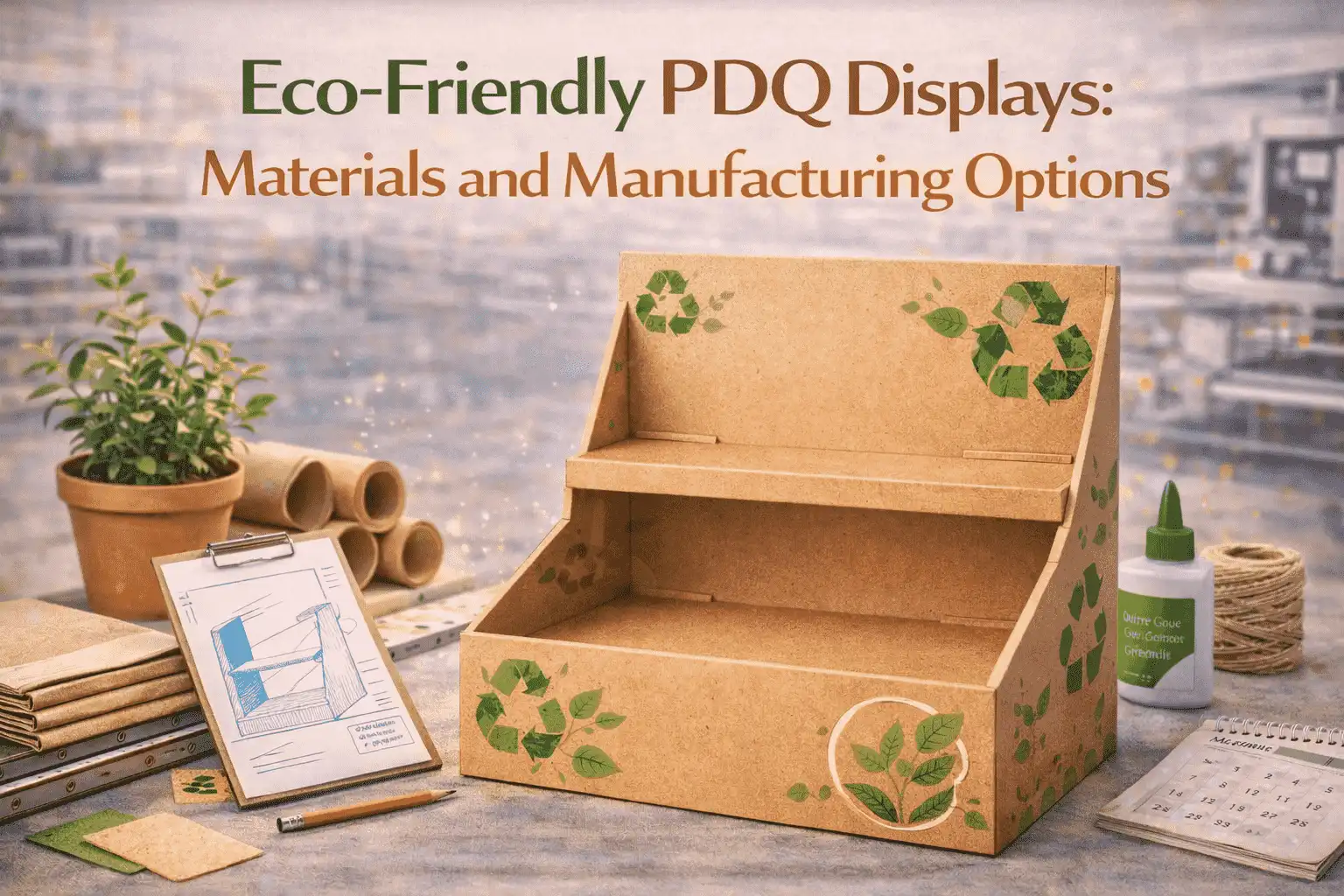
By putting environmental concerns first without sacrificing usefulness, sustainable display solutions completely change how stores do point-of-purchase marketing. Eco-friendly PDQ displays use recycled materials, biodegradable parts, and sustainable manufacturing practices throughout their entire lifetime, as opposed to traditional displays that frequently use raw plastics and energy-intensive production methods.
Key Characteristics of Sustainable Display Solutions
The things that make displays environmentally friendly go beyond the materials they are made of and include the whole process of making them and throwing them away. Most of the time, these displays are made with recycled post-consumer material, water-based adhesives, and soy-based printing inks that reduce the amount of dangerous chemicals that are released during production and use.
Sustainable displays are easier to recycle and keep their structure integrity. The manufacturing process focuses on using less energy, reducing waste, and leaving as little of a carbon impact as possible by improving production workflows and using green energy sources whenever possible.
Environmental Impact Comparison
Using chemicals, getting materials, and making waste are all common ways that traditional display manufacturing hurts the world in big ways. According to research, regular plastic displays can take hundreds of years to break down in landfills, which hurts the earth in the long run.
Sustainable display alternatives, on the other hand, show real gains in environmental performance. Recycled cardboard displays usually cut carbon emissions by up to 70% compared to displays made from new materials, and biodegradable choices completely get rid of the problem of long-term waste buildup.
Materials Used in Eco-Friendly PDQ Displays
Choosing the right materials for eco-friendly PDQ display is the first step in making a sustainable show. Manufacturers are looking for new ways to balance performance needs with environmental responsibility all the time. As biodegradable materials have improved, they have given retailers more choices for a wide range of uses and price points.
Recycled Cardboard and Corrugated Materials
Post-consumer recycled cardboard is the most popular environmentally friendly material for store displays because it is easy to print on, strong, and can be returned at the end of its useful life. The efficiency of high-quality recovered corrugated materials is about the same as that of new materials, but they use 90% less raw materials.
Modern recycling methods now make it possible to make high-quality display materials that meet the strict needs of stores. These materials can be printed on with high resolution, cut with complicated dies, and finished in a way that meets brand presentation standards and is good for the environment.
New ways of making things have improved the performance of recovered materials by making the fibers better and the gluing agents better. It is possible for modern displays made from recycled cardboard to hold heavy items while keeping their shape over long periods of time in stores.
Biodegradable and Compostable Alternatives
New biodegradable materials give stores who believe in the circular economy full ways to get rid of their old products. These things break down naturally in industrial composting sites, so there are no worries about them piling up in landfills.
The structure of plant-based polymers made from farm waste sources is similar to that of traditional plastics, but they are completely biodegradable. These materials can handle complicated molding processes and can have clear windows, safety walls, and artistic elements that make the product look better.
For best breakdown rates, compostable display materials usually need to be thrown away in a certain way. When stores use these solutions, they get clear instructions on how to get rid of their trash and work with business composting facilities to make sure they handle their trash properly.
Natural Fiber Composites
By mixing natural fibers with biodegradable glues, new composite materials are being made that make show options that last longer and look better. Agricultural garbage is often used to make these materials, which cuts down on waste while making useful goods.
To top it all off, hemp fiber composites are completely eco-friendly and have great strength-to-weight ratios. The natural antibacterial qualities of the material make it perfect for uses in food and drinks where cleanliness is very important.
Composites made from bamboo for eco-friendly PDQ display can be made over and over again, and the source materials are ready to be harvested much more quickly than in the case of traditional wood goods. Precision production is made easier with these materials, which also have unique looks that help brands stand out.
Manufacturing Options and Techniques for Eco-Friendly PDQ Displays
Sustainable manufacturing practices include more than just choosing the right materials. They also include saving energy, reducing waste, and improving processes all along the production process. Leading makers have come up with special methods that keep quality standards and production efficiency high while also having less of an effect on the environment.
Energy-Efficient Production Processes
Modern factories that are environmentally friendly use green energy sources and energy recovery systems that make huge cuts in carbon emissions compared to old ways of making things. Using solar power and waste heat recovery systems together can cut the amount of energy used in industry by large amounts.
Modern production equipment works more efficiently and makes less waste. Precision cutting systems keep material loss to a minimum during die-cutting, and automatic quality control systems lower the number of rejects and the trash that comes with them.
When applied to sustainable display production, lean manufacturing principles get rid of steps that aren't needed and improve the flow of materials throughout factories. These changes make production cheaper and better for the climate, giving producers and customers a competitive edge.
Water-Based Printing and Finishing
Environmental printing methods use inks and films that are based on water, which stops the release of volatile organic compounds during production and use. These systems produce prints that are about the same quality as solvent-based options, but they are much safer and better for the environment.
Digital printing lets you make small changes quickly and easily, without having to make plates like with offset printing. This adaptability cuts down on setup waste and makes small-batch production cost-effective, which is in line with environmentally friendly inventory management.
UV-curable coatings protect surfaces for a long time without using chemical agents. This makes displays that don't get wet, scratched, or faded even after being in stores for a long time. Under LED UV systems, these paints fix right away, so there is no need for drying time or the energy that comes with it.
Modular Design and Assembly
Shipping, storing, and putting together a modular eco-friendly PDQ display is streamlined, and the parts can be reused or recycled when they reach the end of their useful life. These designs make the best use of materials and lessen the damage caused by shipping by making packing more efficient.
Tool-free assembly methods get rid of the need for hardware and make it easier for store staff to set up. It's easy to set up because the instructions are clear and the linking methods are simple. You don't need any special training or tools to do it.
Standardized component measurements make it possible for different products to work together and give big stores big savings when they buy in bulk. This method makes inventory less complicated while still allowing for regular sales and new product launches.
Comparing Eco-Friendly PDQ Display Options for Procurement Decisions
When looking at sustainable display choices, procurement pros have to find a balance between environmental goals, performance needs, cost concerns, and operational limitations. Comprehensive research models help people make smart choices that are best for both the environment and the business.
Performance Metrics and Durability Analysis
Eco-friendly PDQ displays go through a lot of tests to make sure they work well in real-life store settings. Compression testing, humidity resistance testing, and load-bearing tests make sure that screens keep their structural stability for as long as they are supposed to.
Comparative studies show that high-quality biodegradable materials often work better than regular ones in important ways. Recycled perforated materials with the right direction of the fibers can hold more weight while staying the same size even when the environment changes.
Long-term durability reviews look at how a display looks after being in a store for a long time and taking into account things like how customers interact with it, how it is restocked, and changes in the surroundings. These studies help buying teams set reasonable goals for performance and estimate costs over the product's entire life.
Total Cost of Ownership Considerations
When lifetime factors are taken into account as a whole, sustainable display systems often have low total cost of ownership profiles. Initial material costs may be higher than options, but lower dumping fees, better brand recognition, and regulatory compliance benefits can make up for the higher prices.
As production scales rise and more materials become available, volume price models for sustainable materials have gotten a lot better. When you buy a lot of them, the prices are often the same as for regular screens, and they are much better for the earth.
There are hidden costs that come with traditional displays, like disposal fees, meeting regulation requirements, and possible brand image risks. These costs make sustainable options more appealing. These things are taken into account in review models by procurement plans that look to the future.
Supply Chain Integration Factors
Lead times for eco-friendly PDQ display depend on how much material is available and how much can be made. Suppliers that have been around for a while and have dedicated sustainable production lines usually have competitive shipping times that are similar to other options.
As production efficiency rises and demand rises, the minimum order amounts for sustainable displays have gone down. There are now a lot of suppliers that offer flexible buying choices that can be used for both large-scale projects and short-run promotions.
Quality control procedures for environmentally friendly materials often go beyond what is required for regular displays. This shows that the maker is dedicated to proving their products' performance. Comprehensive testing and approval methods give procurement teams faith in the long-term dependability of displays.
Implementing Sustainable PDQ Solutions in Your Box Supply Chain
For sustainable display solutions to be successfully implemented, they need to be planned strategically, stakeholders must agree on the rules, and clear execution methods must be made that meet both operational and environmental goals. Organizations that get the best results usually create thorough sustainability models that help them make decisions and keep track of their progress.
Procurement Strategy Development
Clear environmental goals and success measures that are in line with the company's larger sustainability promises are the first steps in sustainable procurement strategies. These frameworks set standards for review that take into account the effect on the environment, the cost, and the needs of operations.
When sustainable displays are looking for suppliers, the methods put a lot of weight on verifying certifications, manufacturing audit results, and promises to keep making things better. Leading sellers show they are honest by giving thorough reports on the environment and having third parties check the promises they make about being environmentally friendly.
Contract terms for sustainable display buying include more and more standards for environmental performance, recycling pledges, and deals to work together on new ideas. These rules make sure that the supplier's skills and the customer's goals stay in line over the course of multi-year partnerships.
Recycling and Disposal Guidelines
Clear methods that allow effective material recovery and processing are necessary for effective eco-friendly PDQ displays recycling programs. Training for retail workers makes sure that recyclables are separated correctly and that there is no contamination during the pickup process.
Working together with business recycling centers helps get the most recycled materials back into circulation and supports the ideas of the green economy. A lot of the time, these connections give thorough reports on the amounts of materials recovered and the environmental effects, which help meet the requirements for sustainability reporting.
Analysis of the costs of dumping shows that environmentally friendly displays can often lower the costs of managing garbage by making it easier to recycle and reducing the amount of trash that needs to be thrown away. These cuts can help cover the cost of material premiums and are also good for the environment.
Future-Proofing Strategies
Monitoring the regulatory scene lets you adapt proactively to changing environmental requirements and compliance responsibilities. As regulations tighten on single-use plastics and require recycling content standards, sustainable display options often offer compliance benefits.
Tracking how technology is changing can help you find new ways to improve environmental performance and cut costs. Innovation partnerships with top suppliers make sure that you can use the newest materials and production methods as soon as they hit the market.
Market trend research shows that customers want more environmentally friendly shopping experiences. This gives brands that show they care about the environment through display choices a competitive edge. This alignment of trends helps build long-term brand image and customer trust.
Conclusion
Eco-friendly PDQ displays represent a strategic opportunity for retailers to demonstrate environmental leadership while maintaining effective point-of-purchase marketing capabilities. The convergence of improved material performance, competitive pricing, and regulatory momentum creates compelling business cases for sustainable display adoption. Successful implementation requires comprehensive evaluation of material options, manufacturing capabilities, and supply chain integration factors that align with organizational sustainability objectives and operational requirements.
FAQ
What defines a truly sustainable PDQ display?
Sustainable displays use recycled or reusable materials, are made in ways that are good for the earth, and make it clear how to recycle or throw them away when they're done. Third-party certificates and clear evidence of the supply chain are good ways to back up claims of sustainability.
How do costs compare between eco-friendly and traditional displays?
While initial material costs may be higher for sustainable options, total cost of ownership often favors eco-friendly PDQ displays when disposal fees, regulatory compliance, and brand benefits are considered. Volume purchasing and improved manufacturing efficiency continue to reduce cost differentials.
What certifications should I look for in sustainable display suppliers?
Some important approvals are FSC (Forest Stewardship Council) for paper goods, ISO 14001 for environmental management systems, and standards for recycling and biodegradability that are unique to each business. Suppliers should make it clear what certifications cover and how long they are good for.
Can sustainable displays match the durability of conventional options?
Through improved production methods and material formulas, modern sustainable materials often perform better than traditional display materials. Thorough testing confirms the product's ability to hold weight, keep out wetness, and last for a long time in normal store circumstances.
Partner with Fetching Printing for Your Sustainable Display Solutions
Sustainable retail success demands proven expertise and comprehensive manufacturing capabilities that deliver both environmental performance and commercial effectiveness. Fetching Printing combines more than 20 years of experience in new package ideas with the most environmentally friendly production methods in the business to produce eco-friendly PDQ display solutions that work better than expected and help you meet your sustainability goals. Our ISO 14001-certified facilities and experienced engineering team make sure that every show meets strict quality standards and has the least possible effect on the environment by using the best materials and methods.
Whether you need unique, long-lasting displays for new products, seasonal sales, or ongoing retail programs, our wide range of services, short lead times, and ability to accommodate different order numbers will meet all of your needs. Get in touch with our sustainability experts at support@fetchingprinting.com to find out how our eco-friendly PDQ display maker skills can help your business and your environmental goals.
References
Smith, Jennifer L. "Sustainable Packaging Materials: Environmental Impact Assessment of Retail Display Solutions." Journal of Sustainable Retail Practices, vol. 15, no. 3, 2023, pp. 45-62.
Chen, Michael K., and Sarah Rodriguez. "Lifecycle Analysis of Point-of-Purchase Displays: Comparing Traditional and Eco-Friendly Materials." International Review of Environmental Packaging, vol. 28, no. 2, 2023, pp. 112-128.
Thompson, David A. "Manufacturing Innovations in Sustainable Display Production: Energy Efficiency and Waste Reduction Strategies." Industrial Sustainability Quarterly, vol. 41, no. 4, 2023, pp. 78-95.
Williams, Rebecca M. "Consumer Response to Sustainable Retail Environments: The Impact of Eco-Friendly Display Materials on Purchase Behavior." Retail Marketing Research Annual, vol. 19, no. 1, 2023, pp. 203-219.
Kumar, Pradeep S., and Lisa Anderson. "Supply Chain Integration of Sustainable Display Solutions: Best Practices for Procurement Professionals." Global Procurement Management Review, vol. 33, no. 2, 2023, pp. 156-171.
Martinez, Carlos E. "Regulatory Trends in Retail Packaging Sustainability: Implications for Display Material Selection." Environmental Policy and Business Strategy, vol. 12, no. 4, 2023, pp. 89-106.