Retail PDQ Displays: Design Tips to Improve Sell-Through
Retail PDQ display boxes are a revolutionary way to merchandise at the point of sale because they combine fast shipping with instant shelf-ready presentation. With these two-in-one packing solutions, retailers can cut work costs by up to 50% while still making sure that the brand is presented consistently and products are easy to see. Understanding the strategic design elements that engage customers can have a big effect on sell-through rates. This is why PDQ display units are essential for brands that want to gain a competitive edge in today's fast-paced retail environment, where success depends on impulse purchases and making the best use of shelf space.
Understanding Retail PDQ Displays and Their Impact on Sales
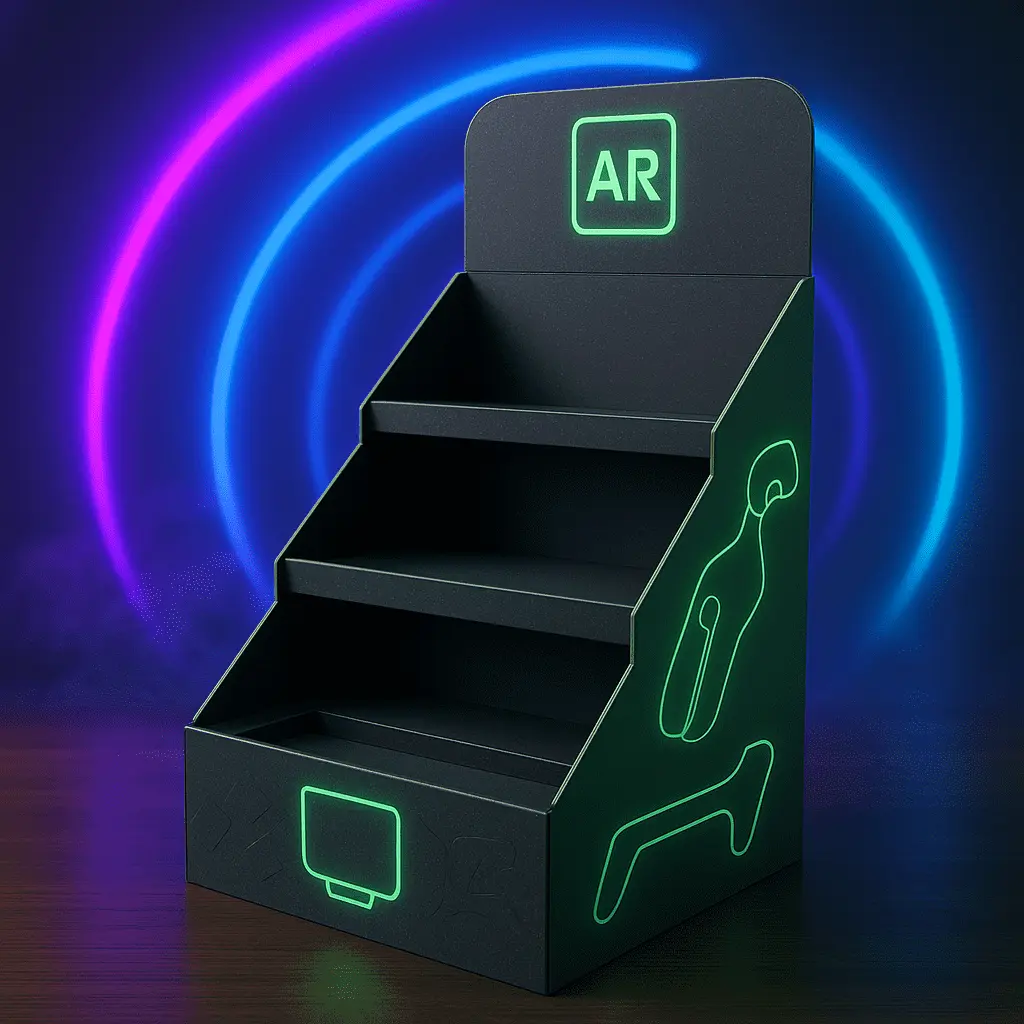
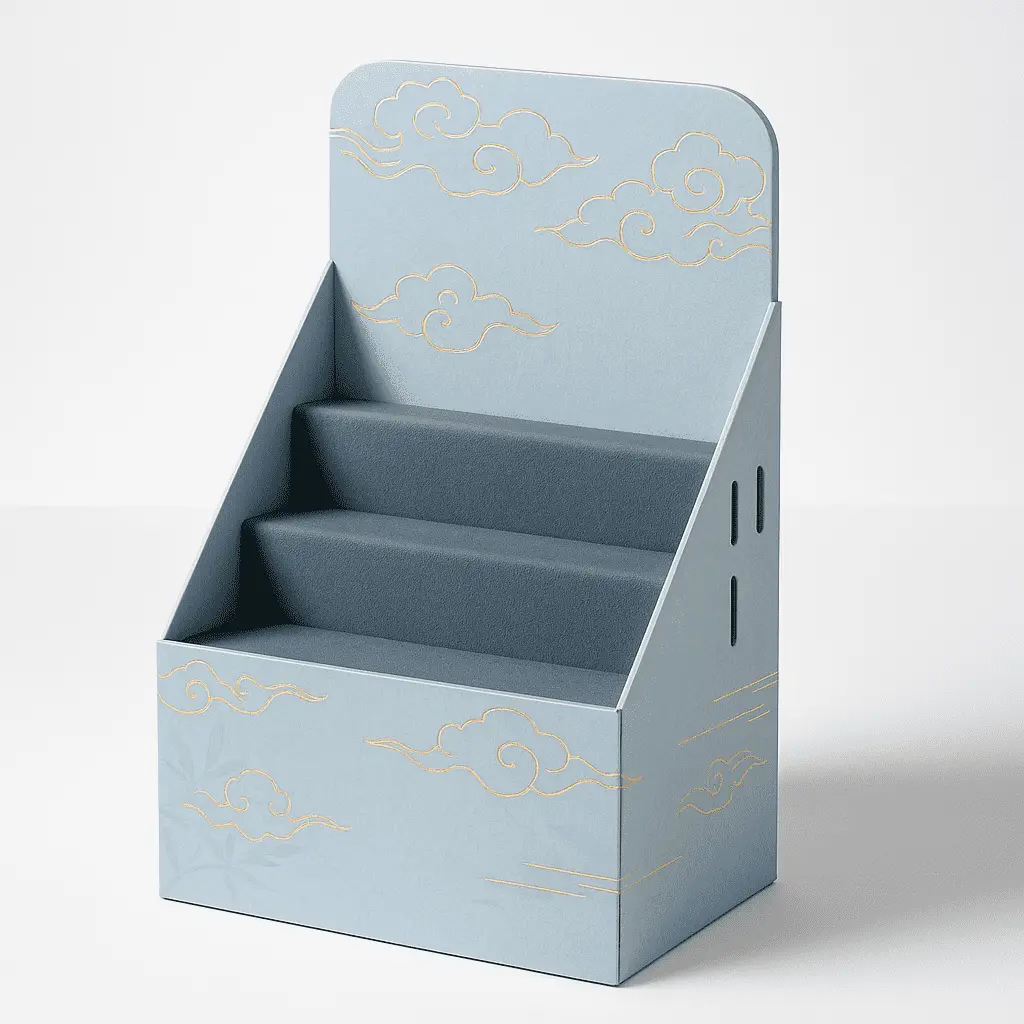
Product Display Quick (PDQ) units are high-tech way to display items in stores that are designed to work in busy business settings. Unlike most secondary packaging, which needs to be thrown away after being opened, these clever displays have two uses throughout the supply chain. They provide strong protection for goods during transport, and when they get to stores, they easily change into beautiful presentation trays that customers can see, with little work from store staff.
The Strategic Value of PDQ Systems in Modern Retail
Well-designed PDQ display options have effects that go far beyond just showing off products. According to research, effective point-of-purchase displays can boost sales by 20 to 65% compared to the old way of putting things on shelves. This amazing performance comes from their ability to grab shoppers' attention when they need to make a choice, especially in high-traffic areas like checkout lines and endcaps, where people are most likely to buy things on the spot.
Professionals in business-to-business purchasing know that PDQ displays are smart investments that solve a number of practical problems at the same time. These units get rid of the "Last Ten Yards" problem in store distribution by getting rid of the need to place each item individually, which takes time. Store employees can quickly set up whole collections of products, which cuts down on labor costs and makes sure that all locations follow planogram rules and brand visual standards.
Market Applications Across Industry Sectors
PDQ technology is used in different types of shopping to solve specific marketing problems. In makeup stores, these displays use raised dividers and gravity-feed systems to keep products oriented and make it easier to change out the stock. Consumer goods apps focus on adding anti-theft and structure reinforcement features that are right for high-value items. For food and drinks, applications focus on using materials that are safe for food and having the ability to fight moisture, which is important for keeping the quality of the products in a variety of store settings.
Key Design Principles to Enhance PDQ Display Sell-Through
To get the best performance from a PDQ display, you need to pay careful attention to a number of design factors that affect how people behave and what they buy. Setting up a visual hierarchy makes it easy for shoppers to find promoted products and important messages, and making the best use of space makes sure that products can be displayed without looking crowded, which discourages involvement.
Visual Impact and Brand Consistency
Color psychology is a big part of how well displays work. For example, studies have shown that using matched color schemes can boost brand recall by up to 80%. Professional designers say to use brand-compliant color palettes that stand out against normal store settings and can still be read in a range of lighting conditions. Typography choices need to strike a balance between how it looks and how well it works, so that product information and advertising can be read from a variety of watching points and distances.
The choice of material has a direct effect on both how something looks and how well it works. When Clay Coated News Back (CCNB) is laminated onto corrugated boards, it makes for better printing surfaces that can handle spot color and high-resolution images. Modern covering methods, like UV varnish and aqueous treatments, make things last longer while still meeting the recycling standards that shoppers and stores who care about the environment expect.
Structural Engineering for Retail Environments
Effective PDQ display engineering combines the need for weight capacity with material economy to reduce shipping costs and damage to the environment. The grade for the Edge Crush Test (ECT) is usually between 32 and 44 ECT, but it depends on the weight of the product and how it needs to be stacked. The B-flute corrugated design can hold heavier items, while the E-flute and F-flute choices can hold smaller items securely while using less material.
Adding setup features that are easy for anyone to use increases the number of retailers who use the system and makes sure that it is used consistently in all of their sites. There are perforated tear strips, pre-scored fold lines, and easy-to-follow assembly directions that make setup faster and less likely to go wrong, which could affect the stability or visual presentation of the display.
Step-by-Step Guide: Designing a High-Performance PDQ Display
To make displays that regularly bring in sales, you need to pay close attention to market study, structural engineering, and performance validation. This all-around method makes sure that the end solutions solve specific problems in stores and give brand partners a measurable return on their investment.
Market Analysis and Requirements Definition
A thorough study of target store settings and shopping habits for PDQ display is the first step to making a successful display. Observational study in real stores can tell you a lot about things like how people move through the store, how competitors are positioned, and how much display space is available. This information helps make sure that the new structure fits perfectly with the current store infrastructure by giving exact measurements and building rules.
Product features have a big impact on design factors like how weight is distributed, how fragile the product is, and how secure it needs to be. Anti-theft features and secure close methods are needed for electronic goods, while individual compartmentalization and easy access designs make it easier for customers to check the product without compromising its integrity are good for cosmetics.
Design Development and Prototyping
Professional design teams use computer-aided modeling tools to come up with initial ideas that match how something looks with how it works. Stakeholders can look at different design options and find possible problems with three-dimensional simulation before physical testing starts. This iterative method cuts down on development costs and makes sure that final designs work as planned.
Structural testing makes sure that the design works in the real world. It includes building strength tests, transportation stability tests that look at vibrations, and resistance to moisture and temperature tests in the environment. ISTA (International Safe Transit Association) guidelines set standard ways to test screens to make sure they keep their structural integrity across distribution networks.
Production Implementation and Quality Control
Manufacturing relationships with qualified packaging suppliers make sure that all production runs are of the same high standard and follow all regulations. The ISO 9001 quality control systems make sure that standards for things like size accuracy, color consistency, and structure performance are met. The G7 Master Qualification approval makes sure that colors are reproduced accurately, which is necessary for brand compliance.
Sustainability issues are becoming more and more important in choosing materials and making things. FSC (Forest Stewardship Council) approved surfaces help companies be more environmentally friendly, and water-based inks and recyclable building materials are in line with the cycle economy ideas that big stores want.
Comparing PDQ Display Solutions: Making Informed Procurement Decisions
When B2B procurement teams choose PDQ display options that meet specific business goals and operational limits, they have to look at a number of factors. A cost study looks at more than just the initial unit price. It also looks at how to save money on shipping, labor, and the chance that better product presentation will lead to more sales.
Cost-Benefit Analysis Framework
When you figure out the total cost of ownership, you should include the savings on shipping costs that come from using displays that are both safe packaging and store features. Because it can be used for two different things at once, this feature gets rid of the need to ship separate displays and reduces the amount of space that stores need to store a lot of different products and promotional campaigns.
Savings on labor costs are a big plus for store partners who are in charge of introducing new products in large quantities and running seasonal marketing programs. Time-motion studies show that setting up a PDQ display takes 60–70% less work than placing each item individually. This means that large operational saves are made across store networks with multiple locations.
Supplier Evaluation Criteria
A manufacturing capability review looks at things like the company's ability to make things, its quality certifications, and its technical know-how in relation to the needs of a particular application. Companies that offer full testing facilities and engineering support services can work together with brands that need unique solutions or the ability to make prototypes quickly and easily.
How close you are to your target markets affects both the cost of shipping and the freedom of delivery, especially for campaigns that need to be delivered quickly or products that come out at certain times of the year. When compared to foreign sourcing options, manufacturing in the United States often offers better communication, quality control oversight, and supply chain stability.
Concerns about the stability of the supply chain have become more important since recent global events that have affected transportation and trade networks. Diversified connections with suppliers and the ability to make things in the United States are both ways to reduce risk and make sure that products are always available, even during times of high demand or when there are problems in the supply chain.
Future Trends in Retail PDQ Displays: Staying Ahead in 2026 and Beyond
The way stores display their goods for PDQ display is always changing because of new technologies, changing customer habits, and the need to be more environmentally friendly. These factors affect both buying choices and brand loyalty. Smart package technologies are adding more and more digital features that make shopping more fun and give marketers useful data for improving their brands.
Technology Integration and Smart Packaging
Interactive elements like NFC (Near Field Communication) chips and QR codes make it easy for brand experiences to flow from real displays to digital ones. These technologies make it easier to get information about products, redeem special offers, and get feedback from customers. This feedback is then used to help make decisions about future product development and marketing.
IoT (Internet of Things) sensors built into display structures can keep an eye on things like inventory amounts, the surroundings, and how customers interact with the displays. This information lets you make dynamic changes to your displays and use predictive restocking strategies to make sure you always have the right amount of a product and don't waste any money by having too much on hand.
Sustainability and Circular Economy Principles
Environmental duty is becoming more and more important in all market groups, which is driving demand for displays made from renewable materials and meant to be recycled when they're no longer useful. Bio-based coating technologies and compostable substrates are new materials that can be used instead of standard ones. They are in line with companies' promises to sustainability and people's concerns about the environment.
Design for teardown principles make it easy to separate different parts of a material when it's time to throw it away. This helps recycling and the goals of the cycle economy. Using modular building methods lets you fix up displays and use parts from different campaigns, which extends their useful lives and lowers their overall environmental impact.
Conclusion
Strategic PDQ display design is a key economic edge in today's retail world, where customers' attention spans are shortening and the number of products available is growing. To get long-lasting sales gains, successful implementations need to carefully balance the effect on how things look, the safety of the structure, and the need to keep costs low. Focusing on tried-and-true design principles and working with skilled manufacturers, brands can create display solutions that regularly do a better job than traditional ways of merchandising while also helping retail networks meet their business efficiency goals.
FAQ
What makes PDQ displays more effective than traditional shelf placement?
PDQ displays capture shopper attention through elevated product positioning and integrated promotional messaging that traditional shelf placement cannot achieve. Research demonstrates that well-designed displays increase product visibility by 300% compared to inline shelf positioning, while strategic placement in high-traffic areas exposes products to significantly more potential customers during shopping trips.
How do material choices impact display performance and cost?
Material selection directly affects both structural durability and visual presentation capabilities. Higher-grade substrates support superior printing quality and enhanced structural integrity, while advanced coating technologies extend display lifespan in challenging retail environments. Cost optimization requires balancing material specifications with performance requirements and expected display duration.
What testing standards ensure PDQ display reliability?
Industry-standard testing protocols include ISTA transportation testing for shipping durability, ECT compression testing for stacking strength, and environmental exposure testing for moisture and temperature resistance. These standardized evaluations ensure displays maintain structural integrity and visual appeal throughout distribution networks and retail deployment periods.
Partner with Fetching Printing for Your PDQ Display Solutions
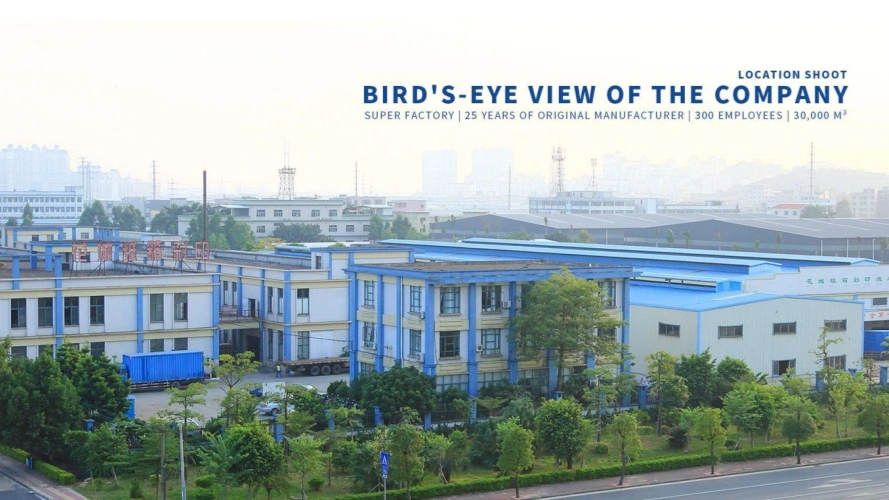
For stores to be successful, they need packing solutions that protect, show, and perform well in a wide range of market situations. The people at Fetching Printing have been creating PDQ display systems that increase sales and meet the strict operational needs of modern store settings for more than twenty years. Our all-around method combines advanced tech skills with a deep knowledge of how people buy things and the difficulties of retail operations.
Our team of packaging engineers uses cutting-edge design tools and a lot of knowledge in material science to make screens that work better than the industry standard. We can make unique solutions that fit your brand's needs and your budget, whether you need small counter displays for cosmetics or heavy-duty box trays for warehouse stores for selling things. As a reliable PDQ display maker, we keep up with our ISO certifications and sustainability credentials, which make sure that all of our production methods are quality- and eco-friendly-friendly. Get in touch with our technical experts at support@fetchingprinting.com to talk about your display needs and find new ways to improve your store's appearance.
References
Smith, Robert J. "Point-of-Purchase Display Effectiveness in Modern Retail Environments." Journal of Retail Merchandising, Vol. 45, No. 3, 2023, pp. 78-92.
Anderson, Michelle K., et al. "Packaging Innovation and Consumer Response: A Study of PDQ Display Impact on Sales Performance." International Packaging Research Quarterly, Vol. 28, No. 2, 2023, pp. 156-171.
Thompson, David L. "Sustainable Retail Display Solutions: Environmental Impact and Business Performance Analysis." Green Packaging Technology Review, Vol. 12, No. 4, 2023, pp. 234-249.
Wilson, Sarah M. "Supply Chain Optimization Through Integrated Packaging and Display Systems." Logistics and Distribution Management, Vol. 39, No. 1, 2024, pp. 45-60.
Chen, Alexander P. "Consumer Behavior and Point-of-Sale Visual Merchandising: Quantitative Analysis of Purchase Decision Factors." Retail Psychology Research, Vol. 31, No. 6, 2023, pp. 123-138.
Rodriguez, Maria C., and James K. Patterson. "Cost-Benefit Analysis of Retail-Ready Packaging Solutions in Multi-Channel Distribution." Business Operations Research, Vol. 22, No. 8, 2023, pp. 89-104.