Floor Display Stands for Retail: Design and Material Guide
Understanding the basics of floor display stands is important for business success when looking for effective ways to display items in stores. These specialized point-of-purchase devices are great for increasing sales and turning empty store space into valuable product displays. These standalone units are different from standard shelf displays because they create separate brand experiences that grab shoppers' attention in high-traffic areas. Modern retail environments demand sophisticated display solutions that strike a mix between longevity, good looks, and low cost. Strategically placing these marketing tools at store doors, lane ends, and checkout areas makes products much more visible and encourages impulse purchases. This makes them essential tools for brands that want to stand out in today's crowded market.

Understanding Floor Display Stands: Types, Materials, and Benefits
A lot has changed in retail marketing, and stand-alone display pieces are now essential parts of effective strategies for showing off products. These specialized units are different from countertop screens because they have a large size and can be placed anywhere on the screen.
What Makes Floor Display Stands Different
Floor-standing marketing units are specialized point-of-purchase displays that are meant to get in the way of people's normal shopping habits. They make special areas for products that are separate from the rest of the store's plan. This gives brands full artistic control over how their products are shown. The smart engineering that went into making these units solves three major problems that stores face: making the best use of space, setting brands apart, and managing the flow of goods.
Professional displays can usually hold 15 to 30 kilograms per shelf without damaging the structure. Heavy-duty models have hidden metal reinforcing bars that increase the load capacity beyond 50 kilograms for tough uses. This level of engineering accuracy makes sure that the product will work reliably during long sales efforts.
Material Categories and Their Applications
The building materials used have a direct effect on both how well they work and how people think of the brand. Each type of material is used in a different kind of store and for a different kind of goods.
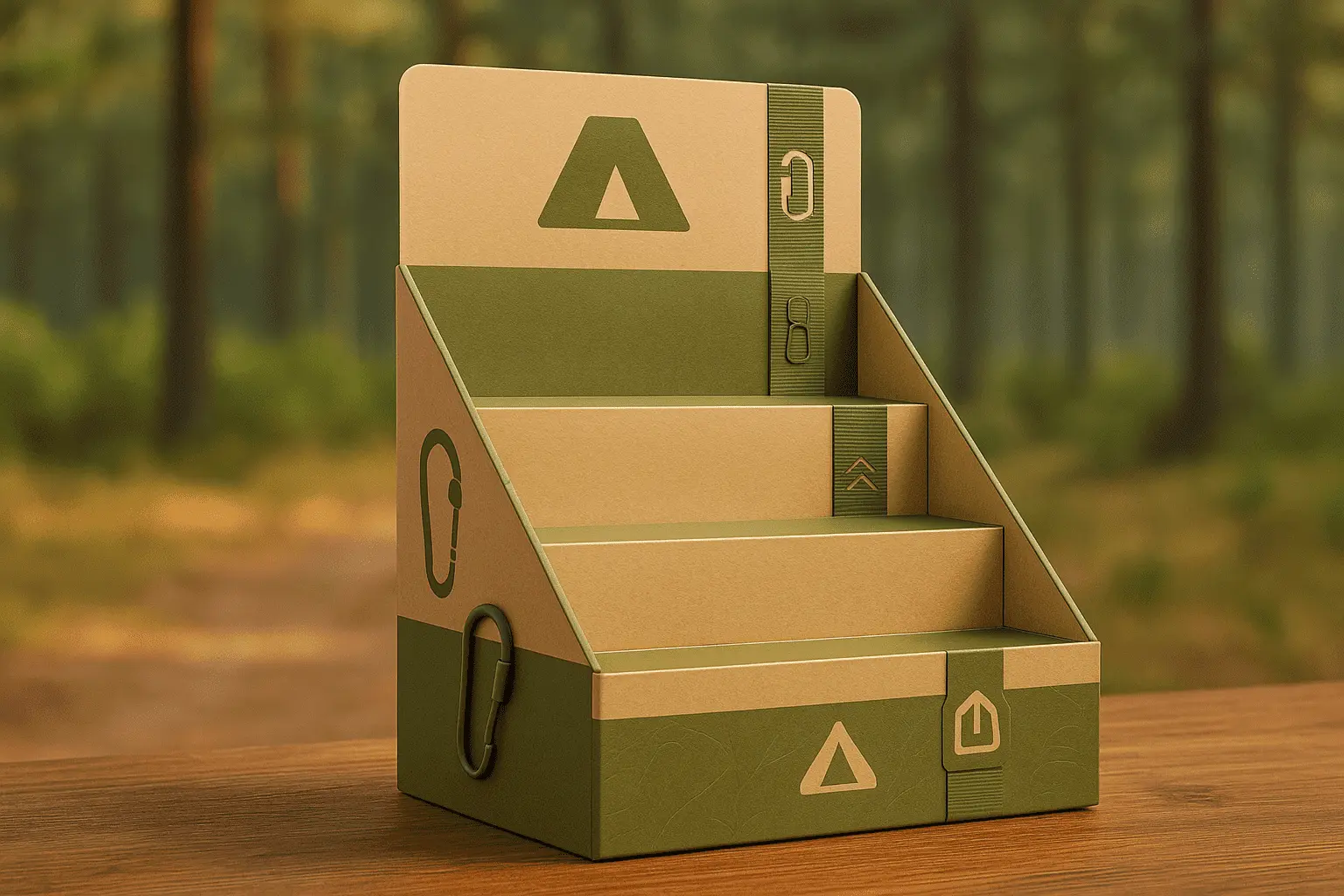
Temporary promotional signs made of corrugated cardboard are the most popular choice because they are cheap and easy to customize. High-quality chemical pulp construction, usually with E-flute laminated to B or BC-flute shapes, gives you great print areas while keeping the structure strong. When it comes to seasonal marketing and product launches, where quick deployment is key, these units really shine.
For long-term setups, powder-coated mild steel, injection-molded HIPS (High Impact Polystyrene), or CNC-machined MDF construction are the best choices. These materials are strong enough to hold more products and can be used continuously in busy store spaces. The investment in sturdiness pays off because the product lasts longer and costs less to repair.
Acrylic cases are perfect for high-value items that need to be seen clearly without any obstructions because they look great and are very clear. Because the material can be shaped, it can be used to make complicated geometric patterns that would not be possible with other materials. However, because of their weight, they can only be used for lighter items.
How to Choose the Right Floor Display Stand for Your Retail Needs?
To choose the right merchandising pieces like floor display stand, you need to carefully consider a number of practical and strategic factors. The first step in making a choice is to do a full study of the market environment and the needs of each product.
Environmental Assessment Criteria
The way a store is laid out has a big impact on how displays are chosen. Places with a lot of people, like supermarkets, need strong building that can handle shopping cart accidents and a lot of restocking. These places benefit from waterproof base designs with built-in mop trays that keep floors from getting damaged by water while they are being cleaned.
Specialty stores like makeup shops put more value on how things look than how long they last. In these places, room limitations usually make vertical optimization more desirable than horizontal footprint growth. Maximum height limits, which are usually set at 1.5 meters to protect sight lines, need careful planning in terms of dimensions.
When it comes to protection, places where people use consumer gadgets are a little different. For interactive demonstrations to work, they need wire management systems that are built in and bases that are heavy enough to keep them from tipping over while customers are using them. Mechanical protection features and special mounting tools are often used in these situations.
Material Selection Trade-offs
Different materials have their own pros and cons that must be taken into account when they are being used. Corrugated options are great because they are cost-effective and easy to customize, but they need to be kept in climate-controlled areas to keep their structure strong. Metal buildings are more secure and last longer, but they cost more to build and give you less design freedom.
Material choices are directly affected by how much weight they need to hold. Standard advertising displays that hold light packaged goods work well when they are made of strengthened cardboard. Metal framework designs with enough safety gaps are needed for heavy-duty uses with car parts or big electronics.
Assembly difficulty affects how quickly and cheaply things can be deployed. Tool-free designs make installation quick at the shop level, but complicated assemblies might need expert installation teams. Professional buying standards usually require store staff to finish putting things together within 5 to 7 minutes.
Designing Effective Floor Display Stands: Ideas, Dimensions, and Materials
Strategic display design addresses many different objectives, such as how the display looks, how well it works, and how long it will last. By paying close attention to how dimensions relate to each other and the qualities of the materials used, good designs meet both short-term marketing goals and long-term operating needs.
Critical Dimensional Considerations
Height adjustment is very important for making products visible and easy for shoppers to get to. According to studies in the industry, the best place to display a product for adult buyers is between 1.2 and 1.6 meters away. This makes sure that they can see the product clearly without having to strain their bodies. ADA compliance standards say that this range meets the needs of both standing reading and wheelchair mobility.
When figuring out the base size for floor display stand, you have to balance the need for support with the need to consider traffic flow. Narrow lanes, which are common in urban stores, encourage small areas with more vertical growth. On the other hand, big-box stores have wider bases that make them more stable and increase the number of items they can hold.
The way weight is distributed affects both safety and movement. Low-center-of-gravity floor display stands don't fall over when customers are talking to them, and they're still easy to move around. This balance is especially important in stores that sell gadgets because demos create changing loading conditions.
Material Performance Characteristics
Acrylic construction gives you the clearest picture possible for showing off your products at their best. It also resists chemicals and UV light very well. Because the material is thermoplastic, it can be shaped into complicated, bent shapes that make unique brand experiences. However, scratch resistance and a limited load capacity mean that uses are only useful for smaller goods.
Wood products add warmth and a sense of longevity that appeals to people who care about the environment. FSC-certified choices meet the environmental needs of businesses and allow for great customization through CNC machining. Natural differences in wood give each piece a unique look that helps an expensive brand stand out.
Metal frames are the most durable and safest way to store valuable items. Powder-coating methods make it possible to match colors very well and keep things from rusting in tough store settings. Because the material is strong, it only needs a few structure features to make the product stand out.
Innovative Design Integration Features
Modular building systems let you set up buildings in a way that fits your changing needs for marketing. Standardized link ports make it possible to change the height of shelves and rearrange them without using any tools or special skills. This adaptability lets the product's value last longer by allowing for different marketing versions.
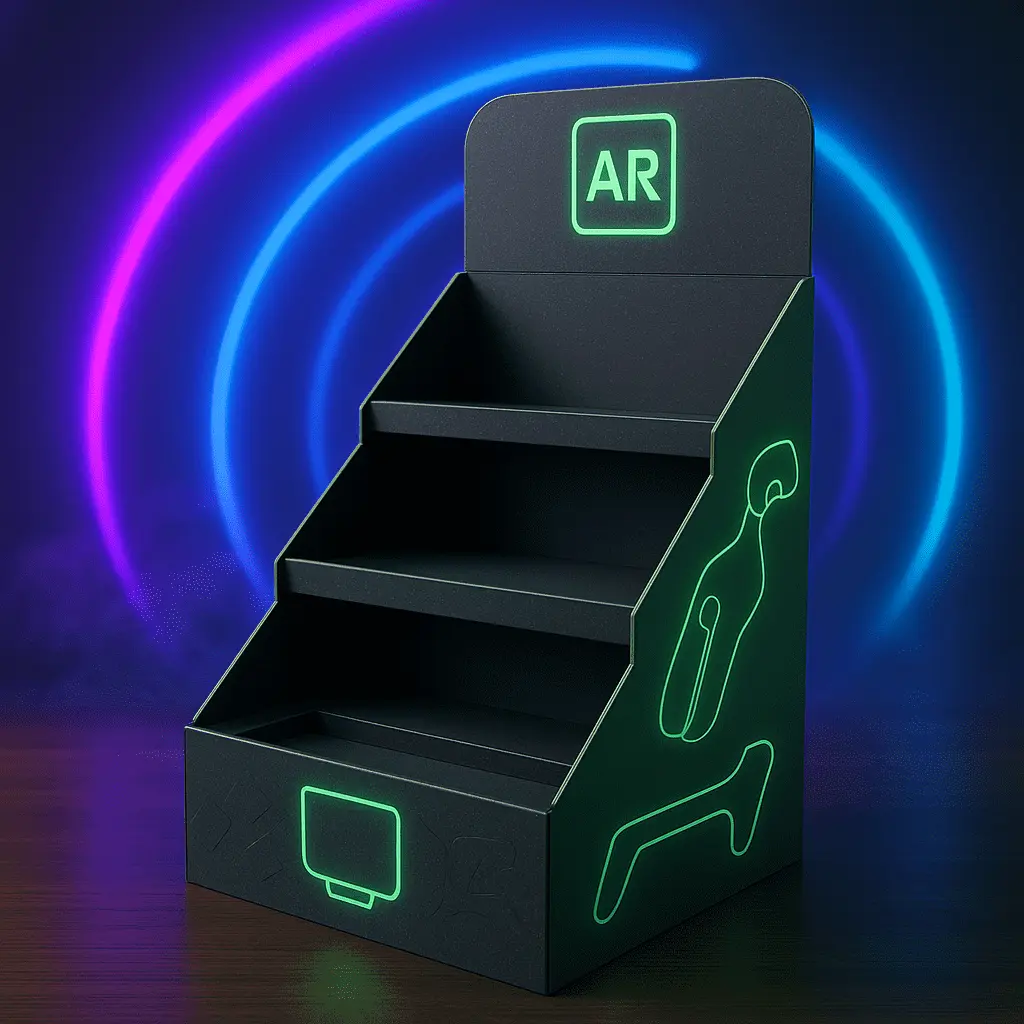
Integrated lighting systems can turn simple screens into focus points that get people's attention. LED strip lighting gives off energy-efficient light that makes products look better while producing very little heat. Option that run on batteries don't need to be wired in, and they let you choose where to put them.
Procurement Guide: Sourcing and Buying Floor Display Stands for Retail
Professional buying of floor display stand involves systematically assessing the skills of suppliers, the details of products, and the total costs of ownership. The world of suppliers includes both regular catalog items and the ability to make things to order to meet unique business needs.
Supplier Evaluation Framework
An evaluation of a manufacturer's abilities starts with a look at their production capacity and the quality of their products. ISO9001-2015 certification means that quality management methods are organized, and FSC certification means that materials are sourced in a way that doesn't harm the environment. These licenses give you a basic idea of how reliable the supplier's standards are.
The ability to customize has a direct effect on the ways that brands can be expressed. Advanced providers provide full design services, such as structure engineering, graphic design help, and making prototypes. These services are very helpful for complicated projects that need unique answers or short development times.
Shipping prices and arrival times are affected by how close two places are to each other, especially for large orders. Regional suppliers are often more responsive and have lower transportation costs. On the other hand, foreign suppliers may have specialized skills or lower costs for large-scale operations.
Cost Structure Analysis
Initial purchase price represents only one component of total ownership costs. Assembly labor, shipping expenses, and disposal costs significantly impact overall project economics. Floor display stands designed for easy assembly reduce deployment costs while tool-free designs eliminate specialized labor requirements.
With volume pricing rates, the cost of each unit goes down as the order size increases. Professional sellers look at the breakeven amounts that show whether investing in goods is worth it compared to placing several smaller orders. Because of lead times, bigger orders that give campaigns more freedom and lower rush fees are often preferred.
Investing in quality assurance keeps brands from having expensive failures in the field and damage to their image. Suppliers who offer full testing, such as bursting strength proof, edge crush testing, and full-load evaluation, are better at reducing risk. ISTA compliance approval makes sure that the transport is safe and that the goods arrive in good shape.
Conclusion
Choosing and using floor display stands strategically has a big effect on the success of a store by making products more visible, improving how the brand is presented, and making the best use of space. Knowing about the properties of materials, design rules, and best practices for buying things lets you make smart choices that match short-term campaign goals with long-term practical needs. Professional sellers who regularly check the skills of suppliers, follow the right repair procedures, and make sure that the show features work well in different store settings get better merchandise results that lead to measurable sales increases.
FAQ
What materials work best for different retail environments?
Because it is cheap and easy to customize, corrugated cardboard is great for temporary advertising uses. Permanent placements that need to be strong and safe should use metal designs. Acrylic gives high-value items a quality look, but it's important to be careful with its weight.
How do I determine the right size for my display?
Use product needs, traffic patterns, and room limitations to decide on measurements. Standard heights of 1.2 to 1.6 meters make things easier to see and still allow everyone to get to them. Figure out how much load is needed, making sure to include a 20% safety cushion for reliable operation.
What customization options are available for brand alignment?
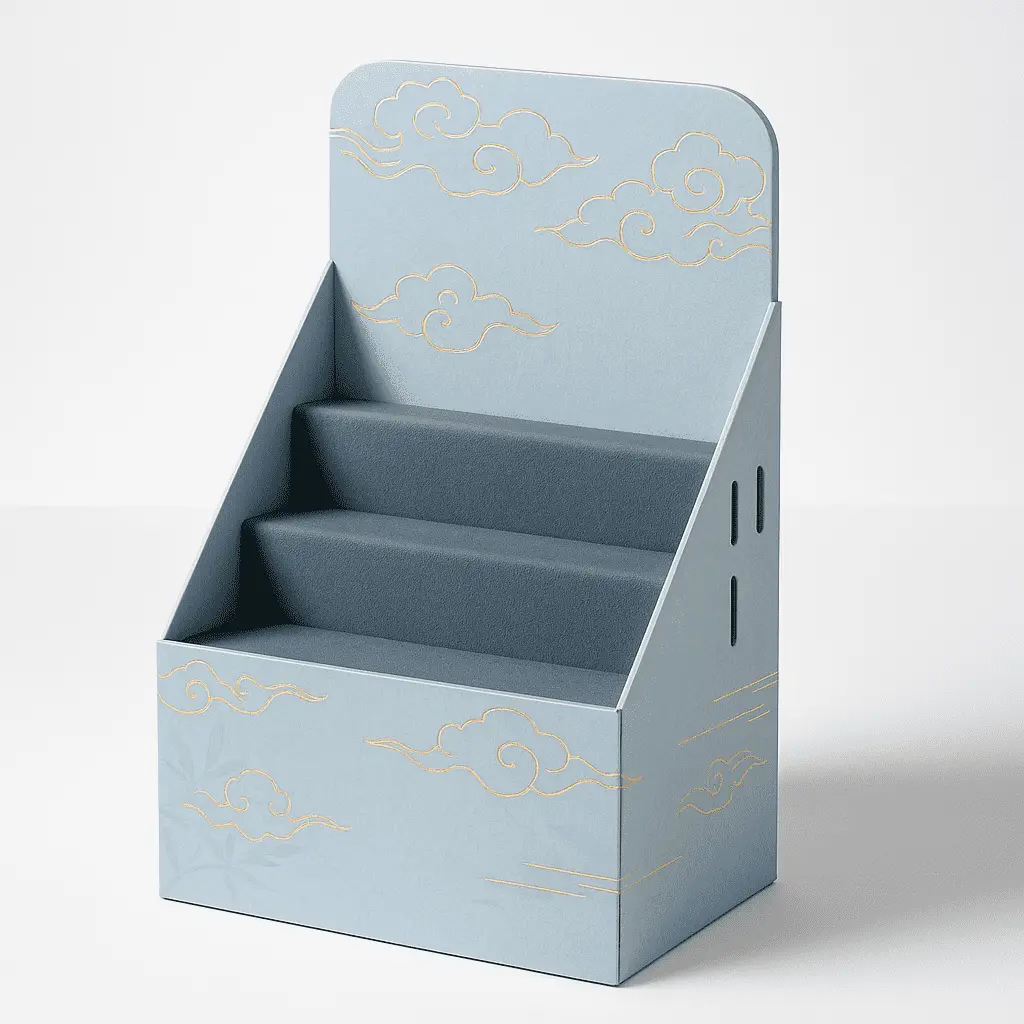
Modern manufacturing allows for a lot of personalization, such as printing logos, matching colors, changing the structure, and adding lighting systems that are built in. Digital printing lets you make drawings that look like photographs while keeping costs low for orders of a moderate size.
How long do different display types typically last?
Under normal circumstances, corrugated displays work well for two to four weeks of advertising times. With the right care, metal and plastic constructions can last for many years. Expectations for life are greatly affected by environmental factors and the amount of use.
Partner with Fetching Printing for Superior Display Solutions
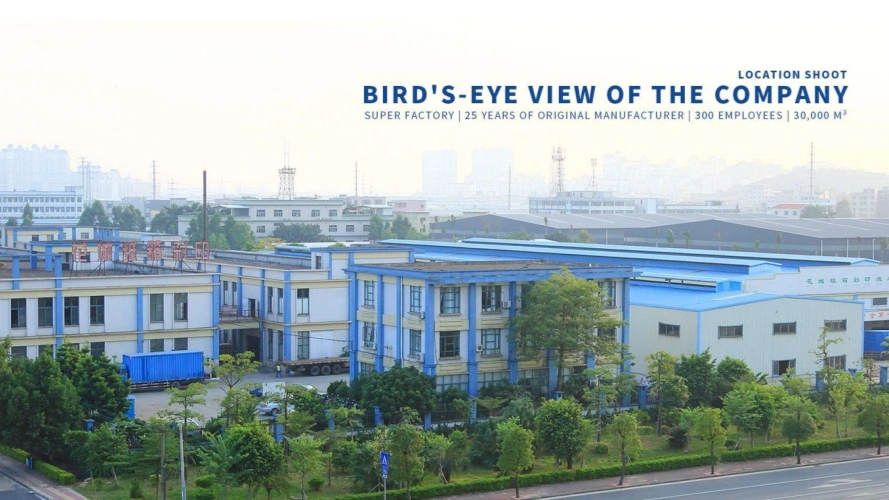
It takes knowledge, a drive to quality, and a wide range of service options to find the right floor display stand maker. Fetching Printing brings 25 years of experience coming up with new ways to package things to every project. They combine advanced manufacturing skills with committed customer service. Our 50,000㎡ building has the best equipment in the business, and it's run by more than 300 skilled workers who know how to handle the tough needs of modern store spaces.
We offer quality guarantee that protects your brand's image and meets sustainability goals with ISO14001-2015, ISO9001-2015, and FSC certifications. Our experienced engineering team helps with all aspects of planning, from coming up with ideas to making sure the production runs smoothly. Get in touch with our experts at support@fetchingprinting.com to talk about unique solutions that will help your store's image and get you real results.
References
Johnson, Mark. "Retail Display Engineering: Structural Requirements for Point-of-Purchase Fixtures." Journal of Retail Technology, 2023.
Anderson, Sarah. "Material Science Applications in Modern Merchandising Systems." Packaging Engineering Quarterly, 2022.
Chen, David. "Cost-Benefit Analysis of Permanent vs. Temporary Retail Display Solutions." Retail Operations Management, 2023.
Rodriguez, Elena. "Consumer Behavior Patterns and Display Effectiveness in Contemporary Retail Environments." Marketing Research Review, 2022.
Thompson, Robert. "Safety Standards and Compliance Requirements for Retail Floor Fixtures." Commercial Safety Guidelines, 2023.
Williams, Jennifer. "Sustainable Materials and Environmental Impact in Retail Display Manufacturing." Green Packaging Solutions, 2022.