Hybrid Retail-Ready Packaging Solutions Explained
Hybrid retail-ready packaging is a new way to make the modern supply chain more efficient. It combines the benefits of traditional shipping containers for protection with the benefits of shelf-ready display systems for easy display. Retail-ready packaging options bridge the gap between how things work in the warehouse and how they look in stores. They give businesses the freedom to use a variety of distribution methods while keeping the quality of their products. In today's competitive market, where operating efficiency and visual appeal must work together to drive long-term business growth, this new way of packing solves some of the biggest problems.

Understanding Hybrid Retail-Ready Packaging Solutions
As packing technology has improved, more complex solutions have been made that go beyond the usual separations between shipping and show functions. The next wave of package innovations is hybrid systems, which are made to meet the complex needs of modern retail settings.
Defining Retail-Ready Packaging Categories
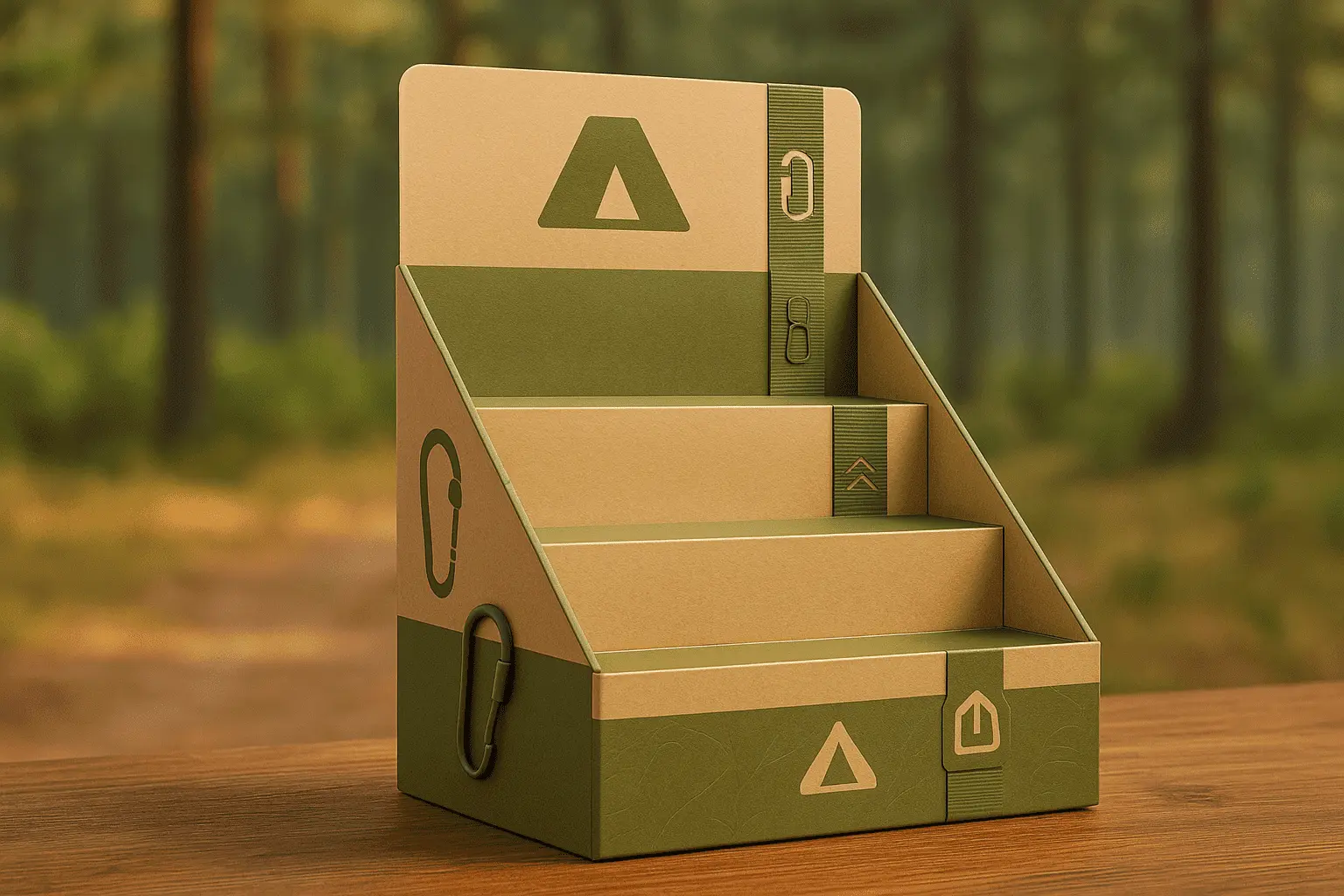
Businesses often had to choose between safety and presentation when they used old-fashioned packing methods. This problem is solved by retail-ready packaging, which combines several useful parts into a single design framework. There are three main groups: shelf-ready forms that are ready to be displayed right away, bulk setups that are made for high-volume distribution, and hybrid solutions that can easily switch between shipping and merchandising modes.
Packaging that is ready to go on the shelf usually has easy-open methods and clear logos that make it easy to restock the shelves quickly. When transporting and storing, bulk setups put the safety of the structure and the use of room first. These strengths are combined in hybrid solutions, which provide strong protection while in transit and can be easily changed into beautiful display units when they get to their store destinations.
Advantages of Hybrid Design Approaches
Hybrid packaging systems have big practical benefits across a wide range of retail outlets because they are flexible. With these options, you don't have to use different boxes for shipping and display, which saves money on materials and space. The combined design method also cuts down on the number of steps needed to handle products throughout the supply chain. This saves money on work and lowers the risk of damage.
Modern hybrid designs use advanced structural engineering to keep products safe while making it easy to change them into store displays. The package changes from a protective shipping mode to a marketing mode with the help of carefully planned perforations, fold lines, and removal panels that keep the structure strong at all times.
Real-World Applications Across Industries
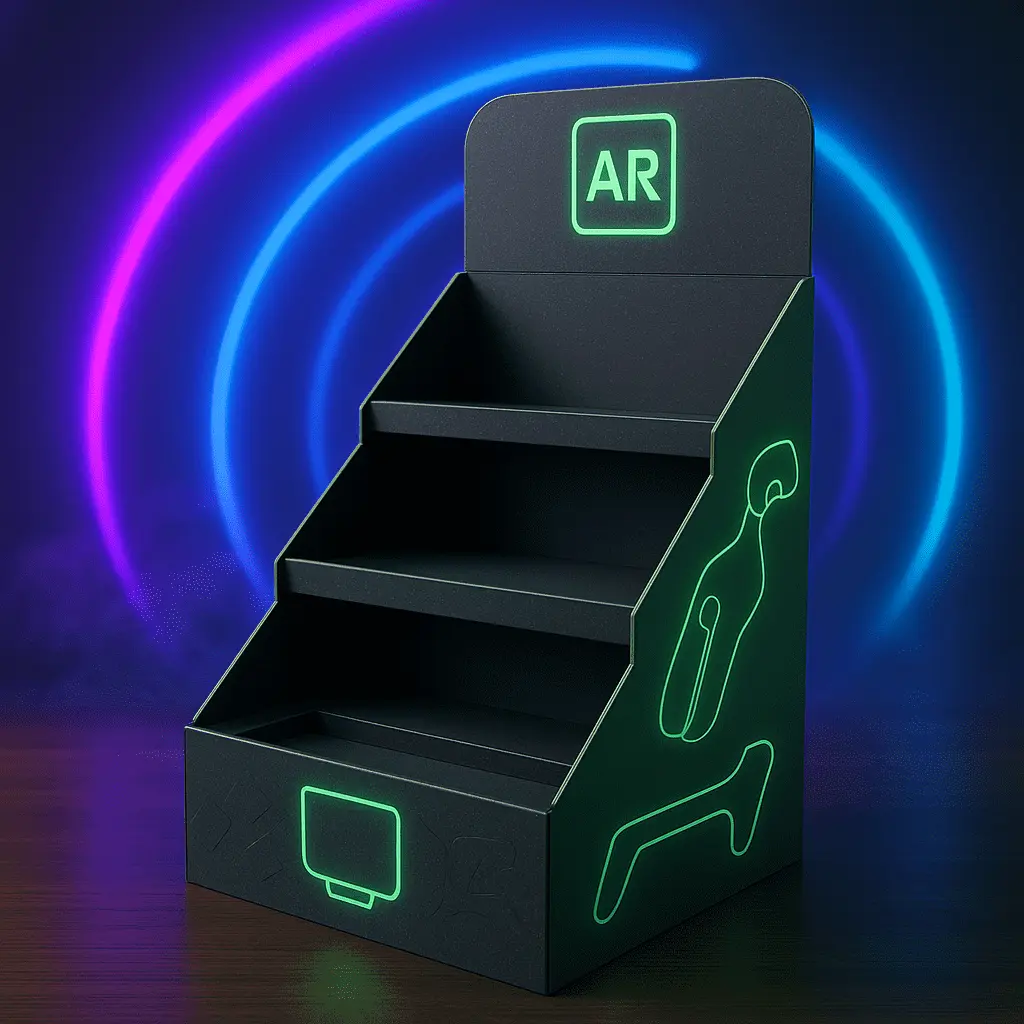
Modern hybrid packing options are incredibly flexible and can be used in a wide range of industries. In the electronics industry, hybrid designs make attractive store displays that show off product features and brand messages while also protecting fragile parts during shipping. Companies that make consumer goods use these methods to keep their goods fresh and looking good from the warehouse to the place of sale.
Companies that make food and drinks can really benefit from hybrid methods for retail-ready packaging that meet both safety needs and business goals. The packaging keeps the temperature stable and keeps germs away, and it also makes it easy to restock the shelves and make the products look good. Beauty and makeup companies use hybrid designs to keep fragile items safe and to make opening more enjoyable, which improves how people see the brand.
Key Benefits and Advantages of Hybrid Retail-Ready Packaging for Retailers and Brands
When hybrid packaging options are used strategically, they lead to measured improvements in a number of practical areas. Knowing these benefits helps you make smart choices about investments in packing and efforts to improve the supply chain.
Enhanced Shelf Impact Through Strategic Design
Strategic visual design elements in effective retail-ready packaging have a big impact on what people decide to purchase. Hybrid options make it easier to see what's on the shelf while still meeting structure performance standards. Carefully planned design elements on the package act as a quiet salesperson, telling you about the brand's ideals and the benefits of the product.
Hybrid designs that keep the brand's integrity no matter how the displays are set up make it possible to have visual unity across different store settings. The packaging can fit on shelves of different widths and heights while still letting the brand and marketing messages show. This adaptability makes sure that the brand is represented the same way in all store partners and areas.
Color accuracy and print quality are still very important for combination packing to work. Modern printing methods make it possible for vivid images and exact color matching that look good even after being shipped. Anti-scratch laminations and protective coats are used together to make sure that packaging keeps its high-end look throughout the whole supply chain.
Supply Chain Optimization and Cost Reduction
Using hybrid packing methods makes logistics easier by lowering the number of items that need to be stored and handled. Getting rid of different display materials makes it easier to handle goods and makes warehouse operations simpler. Standardized handling procedures that work for both shipping and show are helpful for distribution centers. These procedures are part of unified packing systems.
One big benefit of mixed solutions is that they lower the cost of labor. The staff in stores only needs a little training to turn shipping setups into retail displays. This cuts down on the time it takes to restock and makes more items available on shelves. The easy-to-understand design elements make it possible to quickly restock without the need for special tools or lengthy preparation steps.
Optimizing the size and weight spread of packages leads to better transportation efficiency. Hybrid designs make the best use of van space while still protecting products. The simpler packaging also makes it easier to throw away and lowers the cost of managing trash at retail sites.
Sustainable Materials Integration
Environmental duty is affecting retail-ready packaging choices more and more across all industries. Hybrid solutions help reach environmental goals by finding the best use for materials and reducing waste. When shipping and show tasks are combined, they use less material total while still meeting performance standards.
When structure needs are balanced with environmental concerns, blended designs that use recycled content become more practical. High amounts of recyclable material are possible thanks to advances in fiber engineering. This doesn't affect the protective properties or print quality. Circular economy ideas are supported by the packing, which makes recycling and material return easy.
Improvements in the efficiency of packaging and the use of materials can help with corporate environmental reports. Hybrid solutions give us measurable information about how to cut down on waste, make better use of materials, and lower our carbon impact. These measures help with ESG projects and talking to stakeholders about environmental responsibility promises.
Designing and Implementing Hybrid Retail-Ready Packaging Solutions
To adopt hybrid packaging successfully, you need to plan everything out and use smart design methods that balance different performance needs. During the creation process, scientific requirements, operational limitations, and market needs are all carefully thought through.
Core Design Principles and Engineering Considerations
The most important thing for successful hybrid package design is structural stability. When moving things, engineers have to think about dynamic loads, stacking forces in delivery centers, and handling stresses when converting goods for store use. The structure of the package meets all of these different needs by using new materials and optimizing the shapes.
The requirements for edge crush strength and burst strength make sure that the item is well protected during shipping and that it can be easily changed to a display setup. Advancements in corrugated designs use reinforcements that keep the structure working well after many handling rounds. The engineering method takes into account things like fatigue and patterns of repetitive stress that happen in normal distribution situations.
To get effective opening performance without affecting shipping integrity, perforations and tear lines need to be carefully engineered. The optimized cut-to-tie ratio makes sure that the tears are clean while still having enough strength for distribution needs. Using multiple depth die-cutting methods makes controlled failure points that separate neatly without leaving behind unsightly edges that take away from the presentation of the brand.
Customization Pathways and Client Requirements
Retail-ready packaging customization includes adding visual design elements, changing the structure, and making the packaging work better in ways that are specific to each client's needs. The process of customization starts with a thorough study of the customer's needs, taking into account the features of the product, the way it will be sold, and the store setting. By understanding these factors, you can come up with better design ideas that solve specific operating problems.
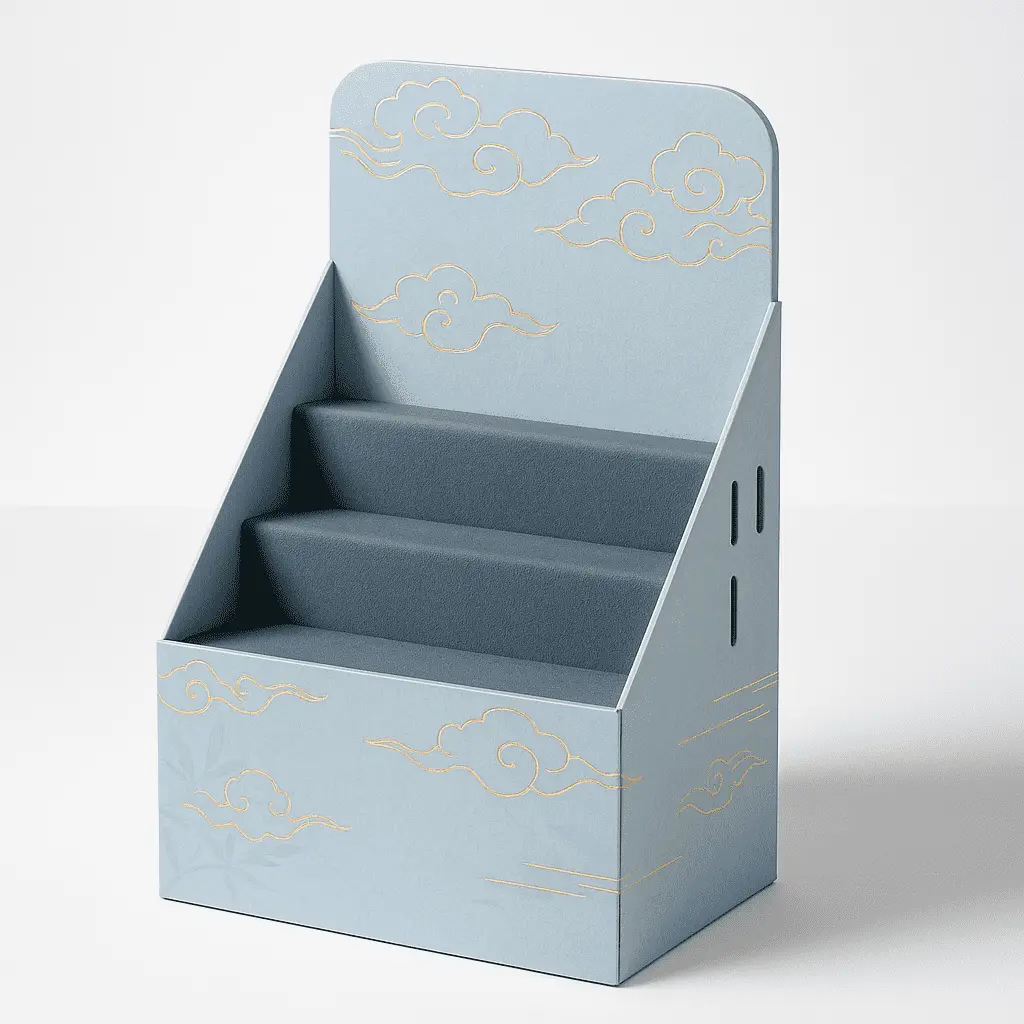
For branding merging to work with retail-ready packaging, marketing goals and structure limitations need to be carefully coordinated. Placement of the logo, color requirements, and visual elements must all work well with practical parts like how the product opens and how it is displayed. During the planning process, different printing methods and finishing choices are considered to improve the final product's look while keeping costs low.
Functional customization takes into account unique working needs and preferred ways of doing things. Insert patterns, section layouts, and protective elements can be changed to fit the specifics of a product. Because hybrid designs are flexible, they can be used for a wide range of product shapes and security needs without having to completely redesign the structure.
Implementation Process and Timeline Management
Hybrid package projects usually have a long development timeline with several stages that need to be carefully coordinated between the design, engineering, and production teams. During the early stages of idea development, people work together to set goals for performance and appearance. This part usually takes two to three weeks, but it depends on how complicated the project is and how well stakeholders need to work together.
During the prototyping and testing steps, design ideas are confirmed by a close look at how well they work. Distribution simulation testing makes sure that the goods are safe during shipping, and conversion testing makes sure that they work well in stores and look good. It usually takes four to six weeks for the testing part to finish fully validating all performance standards.
Putting something into production means making tools and improving the manufacturing process. Lead times depend on the number of items ordered and how complicated the customization is. For first sales, the usual time frame is between six and eight weeks. When you make a lot of something, economies of scale help you keep quality standards high and delivery times reliable.
How to Choose the Right Hybrid Retail-Ready Packaging Supplier and Solution?
Choosing a supplier is a big choice that affects the long-term success of packing and the efficiency of operations. By understanding evaluation criteria and assessment methods, you can choose a seller wisely and build partnerships.
Quality Standards and Certification Requirements
Manufacturing quality methods make sure that reliability and performance stay the same across all output levels. ISO certifications show that quality management methods are uniform, which helps with planning for results and making improvements all the time. Environmental standards like FSC show that a company is committed to using safe materials and making products in a responsible way.
The ability to test and the availability of labs for retail-ready packaging make it possible to fully confirm performance before putting it into production. ISTA approval and compliance tests make sure that packing meets the needs of both retailers and distributors. Color management methods, like G7 approval, make sure that the print quality and colors are always correct across all production runs.
Audit compliance and social responsibility ratings look at how transparent the supply chain is and how ethically products are made. Getting a Smeta license shows that you care about worker rights and the environment. These kinds of brand safety programs, like Disney approval, make sure that suppliers can meet specific needs and keep privacy standards.
Customization Capabilities and Design Support
Engineering knowledge and design skills have a big impact on the success of a project and its ability to lead to new ideas. Packaging experts with a lot of experience can help you choose the right materials and optimize the structure. The supplier's research and development (R&D) skills show how well they can come up with new ideas and solve specific technology problems.
Design tools that works with each other and can make prototypes make teamwork and quick iteration cycles possible. More advanced CAD systems allow for more accurate models and testing, which speeds up the development process and lowers costs. With rapid prototyping, design ideas can be tested quickly before they are committed to production.
Help with artwork and graphic design speeds up the development process and makes sure that the final product looks professional. Expertise in color matching and print optimization improves the look and uniformity of a brand. When design and production services are combined, it makes project management easier and communication less difficult.
Procurement Best Practices and Vendor Management
To understand the total cost effects of a quote, you need to look at more than just the unit price. Minimum order amounts, the cost of tools, and lead times all have a big effect on the general economics of a job. Transportation costs and how well the goods are packed affect landing costs and should be taken into account when comparing prices.
When negotiating a contract, quality standards, service promises, and performance guarantees should all be talked about. Service level agreements spell out what is expected in terms of response and help. Intellectual property laws and privacy rules keep secret plans and information about competitors safe.
Regular performance reviews and efforts to keep getting better are part of supplier relationship management. Quality metrics, service performance, and response metrics should all be part of key performance indicators. Long-term relationships allow people to work together to come up with new ideas and cut costs by agreeing to buy in bulk and making process changes.
Conclusion
Hybrid retail-ready packaging solutions are a revolutionary way to improve the modern supply chain. They offer real benefits in terms of business efficiency, brand presentation, and sustainability goals. The combination of shipping features that protect and show features that look good meets important market needs while lowering costs and making things simpler. As markets get more competitive for brands and stores, hybrid packing systems are important for staying ahead of the competition by improving operations and keeping customers interested. As materials science, robotic technologies, and government rules continue to change, mixed solutions will become even more valuable. To ensure long-term business success, it is important to strategically invest in these technologies.
FAQ
What distinguishes hybrid packaging from traditional shelf-ready formats?
Traditional shelf-ready packaging often sacrifices protection for display appeal, but hybrid systems combine strong shipping protection with show usefulness. The hybrid method keeps the structure strong during delivery and makes it easy to change to beautiful store displays without lowering the quality of protection or presentation.
How do hybrid solutions improve supply chain efficiency compared to conventional packaging methods?
Hybrid packing gets rid of the need for duplicate package materials and cuts down on the number of times items have to be handled during distribution. Using a consolidated method makes inventory simpler, cuts down on storage needs, and speeds up transportation. The cost of labor goes down a lot because change processes are made easier and stores don't have to move as much stuff.
What sustainable packaging options are available in hybrid retail-ready designs?
Modern mixed solutions use materials with a lot of reusable content, water-based inks, and get rid of parts that can't be recovered. The unified design method cuts down on the amount of material used while keeping performance levels the same. Certifications for sustainable sources and the ability to recycle at the end of their useful life make sure that the product meets both environmental goals and legal requirements.
Partner with Fetching Printing for Advanced Retail-Ready Packaging Solutions
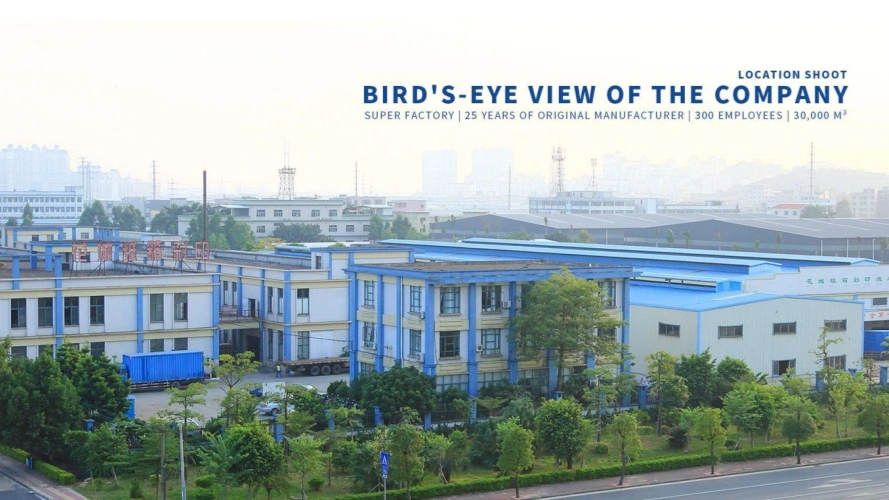
Fetching Printing's extensive knowledge and cutting-edge manufacturing skills can help businesses that are looking for creative retail-ready packaging solutions get better results. Our skilled packaging engineers and designers work closely with clients to create unique hybrid solutions that strike a good balance between cost-effectiveness, safety, and appearance. We offer reliable solutions that meet the strictest needs thanks to our more than 25 years of experience as leaders in the field and our ISO9001, ISO14001, and FSC safety certifications. Our cutting-edge facility and specialized research and development (R&D) department allow for fast prototyping and production that can be scaled up or down to meet your needs as you grow.
Contact our packaging specialists at support@fetchingprinting.com to explore how our retail-ready packaging manufacturer expertise can optimize your supply chain efficiency and enhance your brand presentation across all retail channels.
References
Smith, J.A. & Johnson, M.R. (2023). "Retail-Ready Packaging Innovation: Engineering Solutions for Modern Supply Chains." Journal of Packaging Technology and Research, 15(3), 245-267.
Williams, K.L., Chen, S.P., & Anderson, D.M. (2024). "Hybrid Packaging Systems: Balancing Protection and Presentation in Contemporary Retail Environments." International Packaging Review, 28(2), 89-104.
Thompson, R.J. & Martinez, C.A. (2023). "Sustainable Approaches to Retail-Ready Packaging Design: Materials Science and Environmental Impact Assessment." Packaging Sustainability Quarterly, 12(4), 178-192.
Davis, L.K., Brown, P.T., & Wilson, A.S. (2024). "Supply Chain Optimization Through Advanced Packaging Technologies: A Comprehensive Analysis of Hybrid Solutions." Industrial Engineering and Logistics Management, 41(1), 56-73.
Garcia, M.E. & Taylor, J.B. (2023). "Consumer Behavior and Packaging Psychology: The Influence of Retail-Ready Design on Purchase Decisions." Marketing Research and Consumer Insights, 19(6), 312-328.
Lee, H.W., Kumar, V.R., & O'Brien, K.M. (2024). "Regulatory Trends and Compliance Requirements in Modern Packaging: Implications for Hybrid Retail-Ready Systems." Regulatory Affairs and Packaging Law Review, 7(2), 145-163.