Mailer Boxes Better Option to Connect with Your Customers
When thinking about how to truly connect with your customers, the packaging that arrives at their doorstep matters more than many businesses realize. A mailer box isn't just a shipping container—it's your brand ambassador, your first physical impression, and often the difference between a one-time purchase and a loyal customer relationship. These carefully designed corrugated packing options combine strength with visual storytelling, making the moment someone opens their package an unforgettable business experience. Unlike generic shipping cartons, custom mailer boxes solve critical challenges: they protect products during transit, reduce dimensional weight shipping costs, and turn unboxing into a marketing opportunity that encourages social sharing and repeat purchases.

Understanding Mailer Boxes and Their Benefits
Packaging that does more than just hold goods is needed in today's e-commerce world. We've seen how hard it is for businesses to deal with broken goods, boring brown boxes, and high packing costs that cut into their already small profit margins. This is where mailer boxes come in handy as a complete answer.
What Makes Mailer Boxes Different from Standard Packaging?
From the old-style Regular Slotted Containers, a mailer box is a big step forward. These containers are made from high-quality corrugated fiberboard and are usually built to FEFCO 0427 or 0421 structural standards. They have self-locking tabs and dust flaps that keep them closed without the need for extra tape. Because they are die-cut, your storage staff can put them together in seconds, which speeds up packing by 20 to 30 percent compared to regular boxes that need tape guns and more than one step to seal.
The form of the structure includes double-layered side walls made possible by rollover integration, which makes building much stronger. This is important when your items go through automatic sorting facilities where boxes are squished and hit over and over again. Standards for testing, like Edge Crush Test scores, show how well these containers keep their shape when they're under pressure, which is very important when moving across the country or around the world.
Core Advantages That Solve Real Business Problems
How you package your goods has a direct effect on your bottom line and how happy your customers are. A lot of buying managers and brand owners have three major problems that they have to deal with every day:
- Product Protection During Last-Mile Delivery: During the last mile of shipping, from the local delivery center to the customer's door, goods are handled roughly, stacked high, and are exposed to weather conditions. Because they are stronger, cardboard mailer boxes are better at not crushing than single-layer folded cartons. When we ship electronics, makeup, or anything else that is easily broken, the structure's shape absorbs side-impact shock from the expected drops and bumps. In turn, this means fewer broken items, fewer returns, and lower costs for replacements.
- Optimized Shipping Costs Through Dimensional Efficiency: Dimensional efficiency helps keep shipping costs low because carriers figure out fees based on dimensional weight, not just real weight. It costs money to have empty room inside your box. Accurate custom fitting gets rid of the need for empty fill and lowers the dimensional weight charges. Using the right-sized mailer box for a skincare set or small electronics device can cut shipping costs by 15 to 25 percent compared to using stock boxes that are too big and need extra material to fill them up. When you add up these savings over thousands of packages, they add up to a lot.
- Brand Enhancement and Customer Engagement: the unboxing experience is what your packing makes, and that's when customers connect with your brand literally. Full-color branding can be put on both the inside and outside using high-fidelity letterpress laminating or digital printing. Custom printed mailer boxes, on the other hand, are used as marketing tools because customers take pictures of them and share them on social media. The packing Association found that 40% of online shoppers share unboxing experiences when the packing is better than expected. This creates an organic marketing reach that standard advertising can't match.
Sustainability Meets Functionality
Being environmentally responsible used to be a nice-to-have trait, but now it's a condition for getting things. We've seen rules get stricter and customer standards change. For example, new study from Nielsen shows that 73% of consumers now think about sustainability when they decide what to buy. These values can be met with mailer boxes made from recycled cardboard materials or FSC-certified paper that doesn't lose any of their performance.
The ability to be recycled completes a cycle of longevity. Customers can easily break these boxes down and return them through their city's recycling programs. Some companies have even made recyclable mailer boxes with biodegradable layers instead of the usual plastic lamination. This dedication to taking care of the environment builds trust in the brand and meets the needs of buying teams that are required by companies to be environmentally friendly.
How to Use and Customize Mailer Boxes for Maximum Impact?
By learning about technical specs and customization choices, you can make packaging that works perfectly and shows off your brand's style. Often, these execution details are what make the difference between good packing and great packaging. The mailer box you choose represents your brand's commitment to quality.
Assembly and Sealing Best Practices
When you put the box together correctly, you protect the structural stability that experts built into it. If the self-locking tabs don't snap securely into place, the die-cutting limits may need to be changed. Tight tolerances are kept by good makers to make sure that the seals on thousands of units are all the same and work well.
The design gets rid of the need to use tape, and having a branded protection seal serves more than one purpose. Customers like that it shows that the item has not been tampered with, especially when it comes to expensive things. When made with your image and color scheme, the seal gives you another chance to promote your business. Customers remember the opening process better when they can see that a seal has been broken.
When high-speed fulfillment processes are going on, sealing methods are the most important. Teaching your warehouse staff the fastest way to put boxes together, which usually involves a certain order of folding, keeps the flow going and makes sure that every box leaves your facility securely. By writing down and standardizing these steps, we've seen delivery processes become more efficient.
Customization Options That Drive Brand Recognition
Before people even open your mailer box, the way it looks sends a message about your brand. Depending on your needs and income, different printing ways have different benefits:
- Digital Printing: This method works well for small runs and businesses that need to change designs often. The setup costs stay low, which makes it a good choice for seasonal patterns or packing that is only available for a short time. The color consistency meets brand standards, but the vibrancy might not be as high as with offset printing when there are big areas of solid color. The time it takes to get something done is usually only 7–10 working days, from approval to delivery.
- Offset Lithography: When you need to make a lot of copies, offset printing gives you better color stability and vibrancy. The starting costs of the plates are spread out over thousands of units, which lowers the costs per unit. This way of printing works perfectly with colors, photos, and drawings that are very complicated. When brands are trying to reach high-end customers, they often choose offset printing to give their products a high-end look.
- Finishing Techniques: Specialty finishes, on top of base printing, make things interesting to look at and touch. Spot UV treatment makes brands or important messages stand out by making them shiny against matte backgrounds. When someone touches a box that has soft-touch coating, it feels like silk, which is a sign of quality. Embossing or debossing adds depth that looks good in photos and makes the touch experience lasting.
The chance to print on the inside is often not used to its full potential. You can get more people to connect with your brand by printing a message, care directions, or even just "thank you" on the inside panels. Some companies print social media names with rewards for sharing photos of the packages being opened. This turns the packing itself into a way to get new customers.
Strategic Design for Logistics and Protection
When you create good packing, you think about the whole process, from your warehouse to the customer's hands. Putting heavy items at the bottom of the box keeps smaller items from getting crushed and keeps the box stable while it is being handled. Custom die-cut pieces keep items from moving around, which could damage them or make noise while they're being shipped.
ESD (Electrostatic Discharge) protective inserts are often used with cardboard mailer boxes to ship electronics or other tools. This mix meets the ISTA 3A drop-test requirements that Amazon and other big markets have. By following these testing guidelines, you can keep your selling reviews on competitive platforms and lower the risk of damage claims.
For trade and business-to-business shipping, stacking becomes very important. Boxes with reinforced double walls keep their shape when they are stacked on pallets in the warehouse and when they are being moved. The Bursting Strength Mullen Tests tell us how much vertical pressure the box can handle. This is called its compression strength. When purchasing goods to send to retail distribution centers, purchasing managers should make sure that the mailer boxes they use meet the partner's standards for loading and shelving pallets.
Procuring Mailer Boxes: What B2B Buyers Should Know
Choosing where to get packing is a big purchase decision that will affect many parts of your business. Not only does the relationship with the provider affect the quality of the products, but it also affects how reliable the deliveries are, how easy it is to make changes, and how well the business can grow. Modern mailer boxes require a supplier that understands these complexities.
Selecting the Right Manufacturing Partner
Comparing quotes isn't the only way to evaluate a supplier. The skills of the packaging manufacturer show if they can carry out your idea and help your business grow. When making this choice, a number of factors come into play:
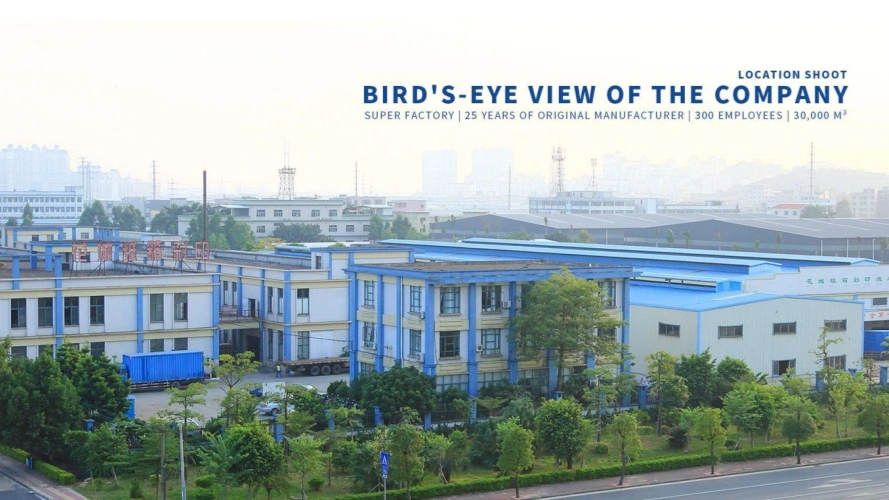
How well you can meet regular demand spikes is directly related to how much you can produce. A company with more than one production line can handle urgent orders during your busiest time of the year without lowering the quality of their products or delaying deliveries. Our 50,000㎡ plant with more than 300 workers at Fetching Printing can handle big orders and still keep response times short for smaller custom runs.
Technical knowledge is what sets true partners apart from good sellers. There are more than ten package engineers in our research and development department. These engineers have a lot of experience with structure design, material science, and printing technology. This knowledge helps you solve difficult packing problems, like finding liners that won't stick to grease for food, ways to keep electronics safe from static, or ways to make heavy things stronger. Being able to offer design help and development speeds up the time it takes to start your product.
Certification shows that you care about quality and following the rules. Look for suppliers that have ISO 9001 quality control approval. This makes sure that the manufacturing processes are always the same. Environmental approvals, such as the FSC (Forest Stewardship Council) mark that paper comes from sources that are good for the environment. Certifications that are specific to an industry are also important. For example, food-grade packaging must follow FDA rules, and some store partners require Smeta to do social responsibility checks.
Bulk Ordering and Customization Flexibility
Larger orders are rewarded with lower per-unit costs when you use volume pricing, but your purchasing strategy should weigh the costs of keeping goods against the saves in price. Minimum order numbers depend on the maker and the level of customization. For example, fully custom printed boxes usually have higher minimums than stock sizes with simple logo printing.
You can try ideas before ordering a lot of them thanks to flexible customization services. You can check the print quality, structural stability, and ease of assembly of sample boxes before making production orders. Smart buyers order samples of different design versions to test with customers and see which packaging gets the best reaction.
Lead times change depending on how complicated the customization is and how busy the factory is right now. It might take a week to ship stock box sizes with easy one-color printing, but it will take 3–4 weeks to ship fully custom structure designs with specialty finishes. By planning your inventory around this timeline, you can avoid running out of items, which could lead to expensive rush shipping or the brief use of generic packing that hurts your brand.
Sustainable Procurement Practices
Sustainability goals for businesses are driving more and more choices about packing. It's important for procurement managers to keep costs low while also reducing their impact on the environment. If they approach these goals carefully, they don't have to be incompatible.
Picking the right materials is the most important thing you can do to help the environment. By asking for cardboard board with recycled content, less new material is used. In some types of board, the amount of post-consumer recycled materials can reach 80–100% without affecting the structural function. FSC certification makes sure that new fiber comes from trees that are handled in a way that protects biodiversity and helps local communities.
Solvent-based inks and finishes that give off volatile organic substances have been replaced by water-based ones. These printing technologies are good for the earth and follow the rules in California and other places with strict air quality standards. The performance is the same as with regular inks, but it's better for the environment, which is great for brands that care about being green.
Optimization of packaging cuts down on the use of materials and pollution from shipping. By making sure your mailer boxes are the right size, you can get rid of extra stuff and lower the cubic volume of each shipment. Because of this, fewer trucks are needed to move things, which lowers your carbon footprint. Some stores now use efficient packing as part of their vendor scorecards, which makes sustainability a competition requirement rather than a choice.
Conclusion
You should pay as much attention to packaging strategy as you do to making new products and running marketing efforts. Mailer boxes represent a convergence of protection, branding, sustainability, and cost efficiency that few packaging formats can match. Companies that do well in the competitive world of online shopping know that packing is an important part of how customers see a brand and how loyal they are to it. You can make packaging that really connects with customers by working with experienced packaging makers, using careful design that shows what your brand stands for, and staying up to date on new materials and sustainability trends. Premium cardboard mailer boxes pay for themselves in less damage, lower shipping costs, more social sharing, and customer trust that comes from going above and beyond at every interaction.
FAQ
What size mailer box should I choose for my products?
Take the measurements of your goods and add 1-2 inches to each one to allow for safety. The box should fit snugly and not move around too much, but there should be room for any protected layers or material. By trying out different sizes, you can find the best mix between security and low shipping costs. A lot of companies that make things let you try out sample kits with different sizes before you order the real thing.
How do I select cost-effective printing for my brand?
Digital printing is good for small sales (less than 1,000 items) or when you need to be able to change the design easily. When you print more, usually more than 2,500 to 5,000 units, based on how complicated the design is, offset printing becomes more cost-effective. Think about how often you'll be ordering again. Brands that order every three or four months often benefit from offset printing's higher quality and lower cost per unit. By getting quotes for both ways at the number you expect, you can find the most cost-effective option.
Can customers easily recycle mailer boxes?
Standard curbside recycling programs in most cities and towns let you return corrugated mailer boxes made from paper-based materials. Taking off any plastic tape or other non-paper parts before recycling makes sure that the right steps are taken. Water-based prints and coats keep boxes recyclable, but some plastic laminations may need to be taken off. Printing recycling directions right on the package helps customers get rid of it the right way, which supports your message about being environmentally friendly.
Partner with Fetching Printing for Your Custom Mailer Box Needs
Upgrading your packaging creates immediate competitive advantages through enhanced brand recognition, reduced damage rates, and customer experiences that drive loyalty. Fetching Printing brings over two decades of manufacturing expertise to your packaging challenges, with capabilities spanning structural design, high-fidelity printing, and sustainable material sourcing. Our ISO-certified facility produces packaging for e-commerce retailers, consumer goods brands, cosmetics companies, food producers, and luxury goods makers throughout North America. As a trusted mailer box supplier, we offer flexible minimums, rapid prototyping, and consultation services that help you optimize packaging for both performance and cost. Contact our packaging engineers at support@fetchingprinting.com to discuss your specific requirements, request samples, or receive a detailed quote. We're committed to delivering packaging solutions that protect your products and amplify your brand.
References
Packaging Association of America. "Consumer Unboxing Behavior and Social Media Sharing Trends." Annual Industry Report, 2023.
Nielsen Global Sustainability Research. "Consumer Purchase Decision Factors: The Growing Importance of Environmental Responsibility." Market Analysis Study, 2022.
International Safe Transit Association. "ISTA 3A Testing Protocols for E-Commerce Packaging Performance Standards." Technical Guidelines, 2023.
Forest Stewardship Council. "FSC Certification Standards for Responsible Forest Management and Chain of Custody." Certification Framework Documentation, 2023.
Corrugated Packaging Alliance. "Structural Design Optimization for Dimensional Weight Reduction in Parcel Shipping." Technical White Paper, 2022.
Sustainable Packaging Coalition. "Material Innovation in Recyclable and Compostable Corrugated Packaging Solutions." Industry Innovation Report, 2023.