Retail-Ready Packaging: Benefits for Supermarket Buyers
The operational issues that supermarket shoppers now encounter are immediately addressed by retail-ready packaging, which is a game-changing solution. Products may travel smoothly from shipping containers to store shelves thanks to this creative packaging technique, which does away with conventional unpacking processes. Retail-ready packaging improves product presentation and consumer accessibility while lowering labor costs by combining display functionality with protective shipping requirements. Supermarket chains may maximize supply chain efficiency and retain the high level of product visibility that influences customer purchase choices by strategically using these technologies.
Understanding Retail-Ready Packaging: Core Concepts and Industry Context
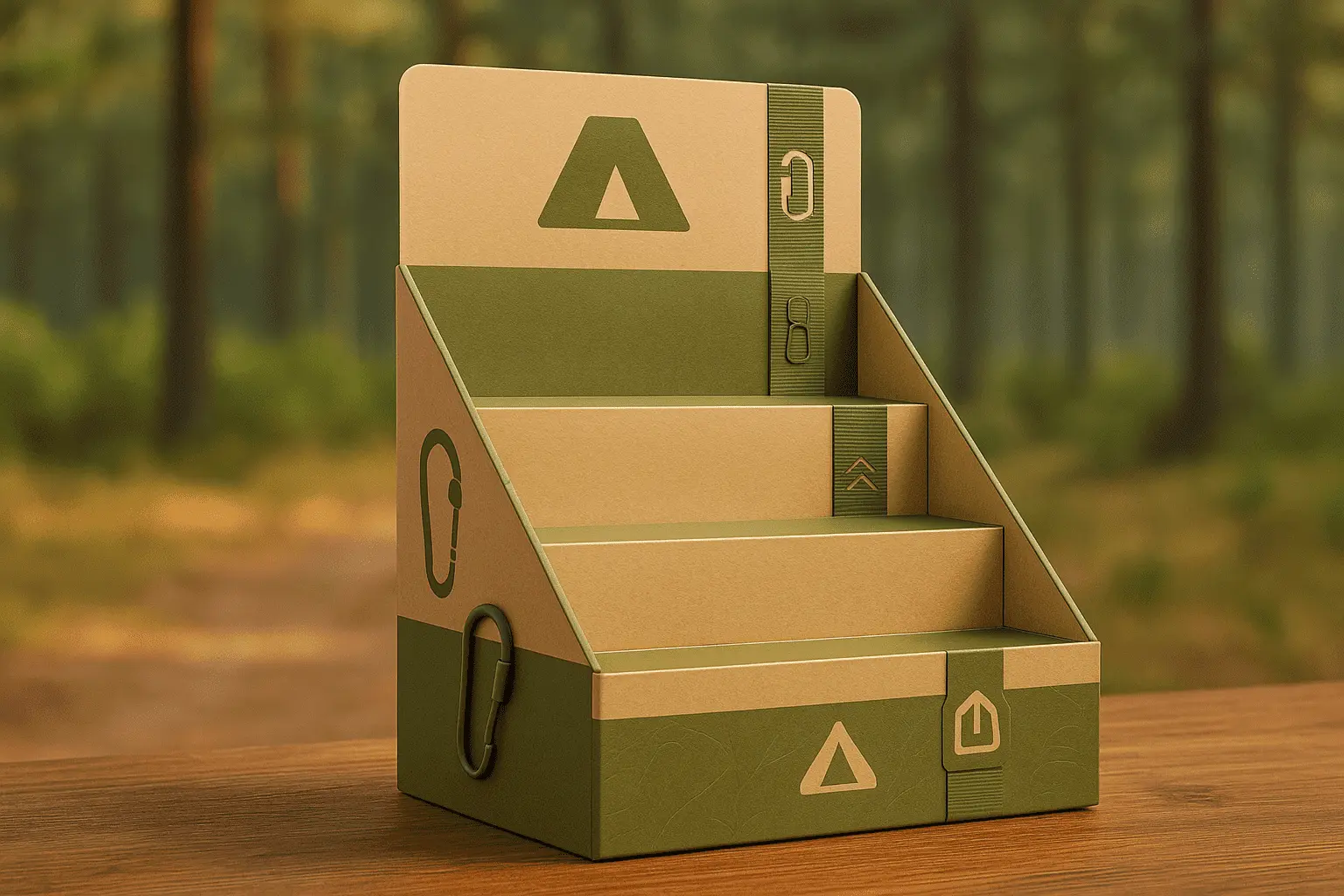
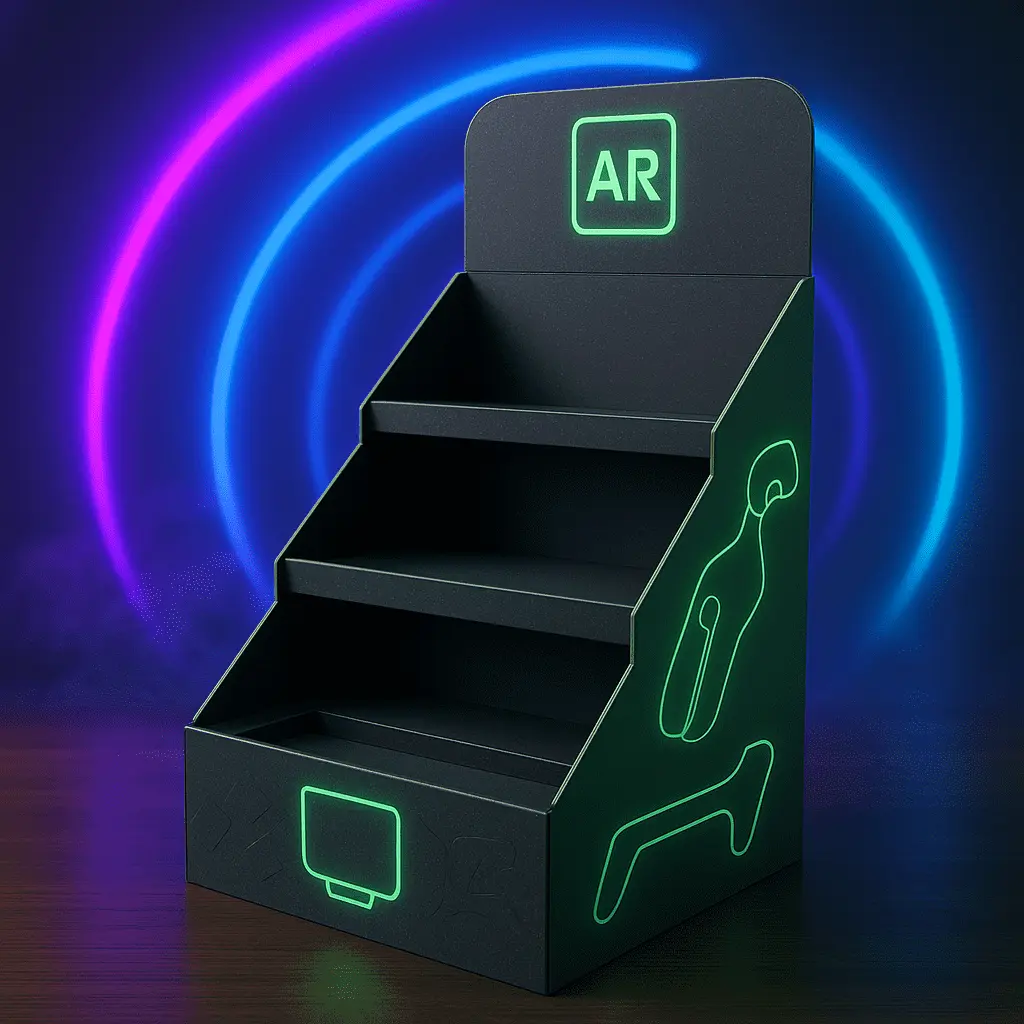
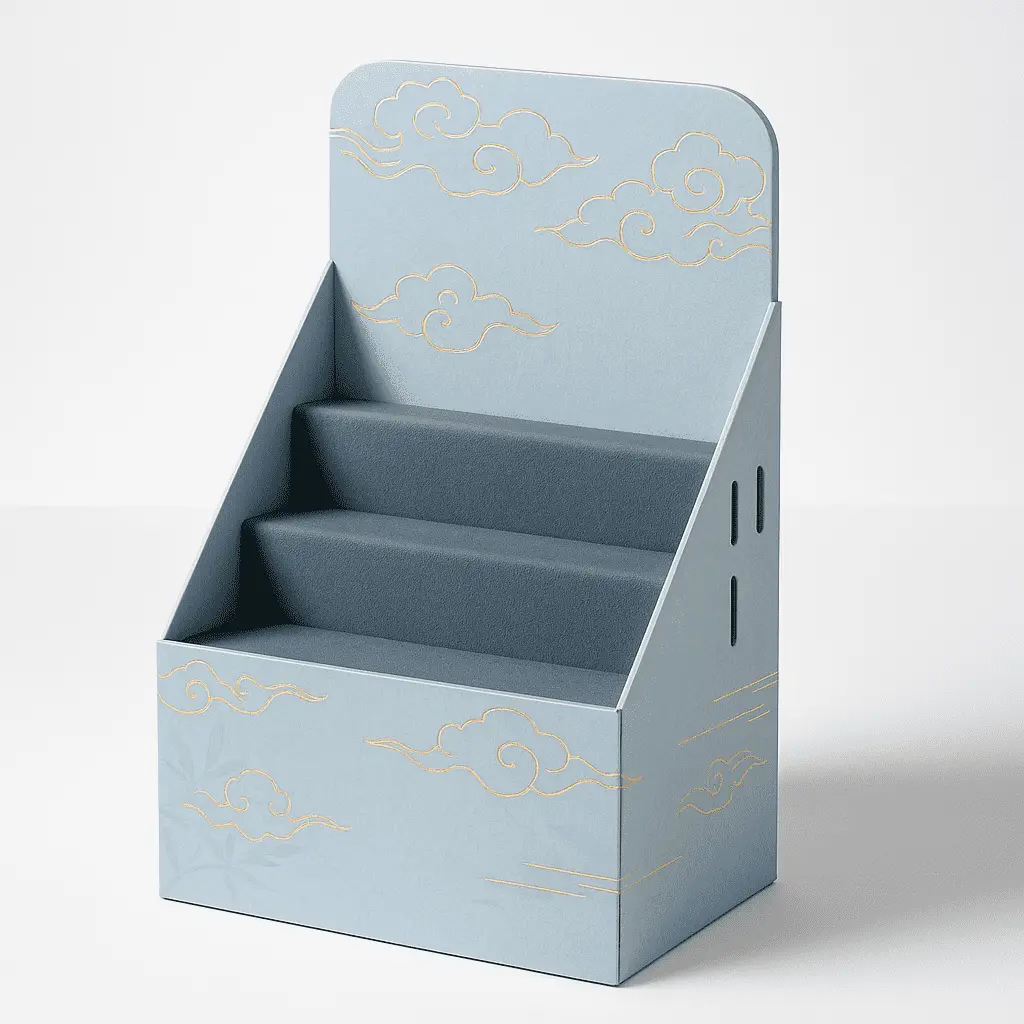
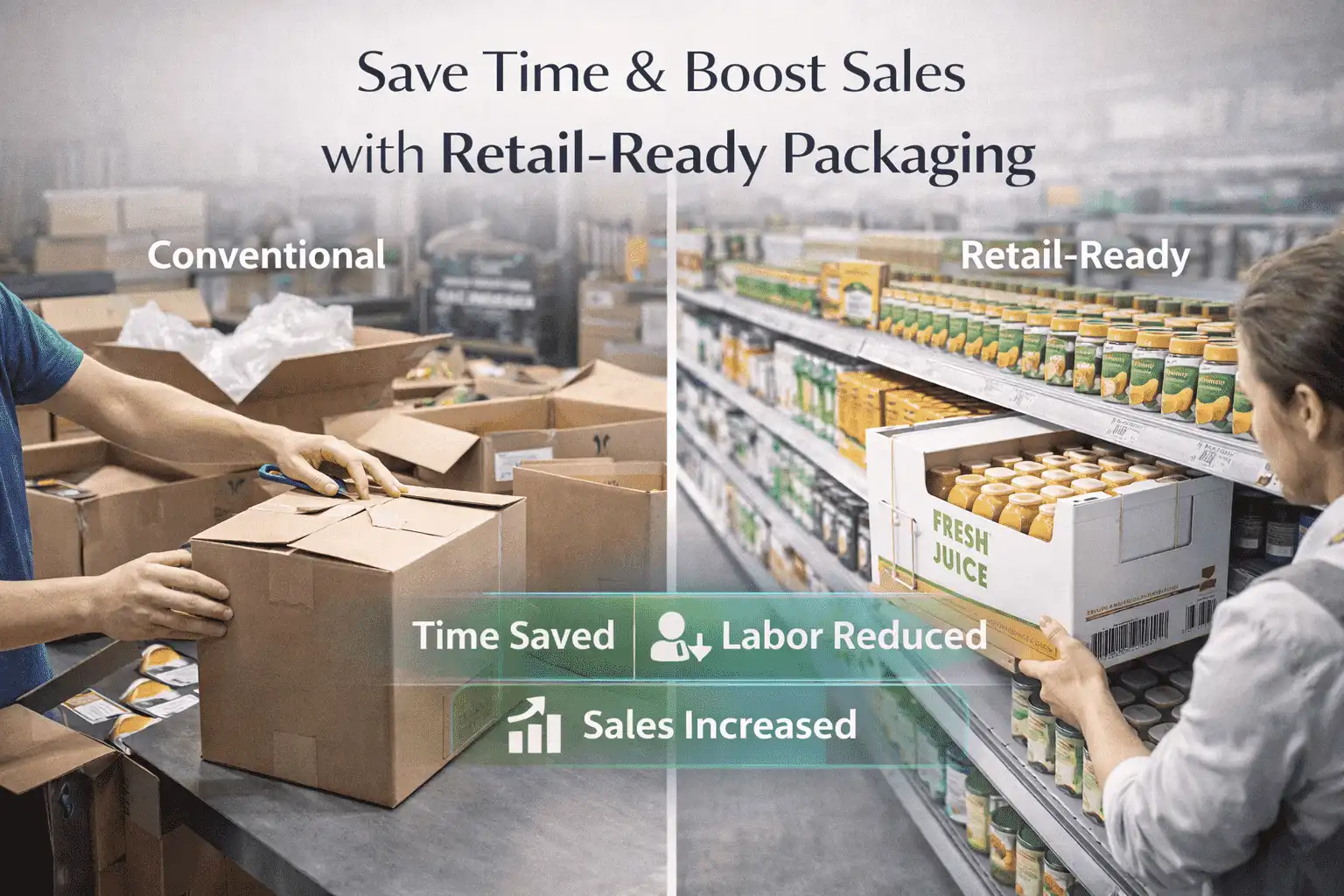
Retail-ready packaging has emerged as a strategic solution that bridges the gap between distribution efficiency and retail appearance, contributing to the major evolution of the packaging environment. With simple opening mechanisms, retail-ready packaging instantly becomes an eye-catching shelf display, in contrast to conventional shipping containers that need to be fully unpacked and have their own display arrangement.
Distinguishing Retail-Ready from Traditional Packaging Systems
The dual-purpose nature of retail-ready packaging sets it apart from traditional packaging methods. Conventional packaging requires shop employees to take items and place them individually on shelves in order to safeguard them during transit. Retailers have disposal issues as a result of this procedure, which requires a large personnel commitment.
Although they are comparable, shelf-ready packaging solutions usually prioritize ease of opening and stocking above thorough display optimization. The difference is seen in the comprehensive approach that retail-ready packaging offers to customer engagement and operational efficiency. These solutions include tear-away panels, perforated portions, and structured designs that rapidly display well-organized product groupings.
Current Market Trends and Innovations
Sustainable materials and clever design integration have advanced significantly in the packaging sector. Nowadays, biodegradable corrugated materials satisfy environmental compliance standards while providing strength equivalent to conventional choices. High-resolution graphics that retain aesthetic appeal throughout the supply chain trip are made possible by advanced printing methods.
Sustainable packaging solutions are a competitive advantage as consumer tastes shift in favor of companies that exhibit environmental responsibility. Retailers report better brand impression ratings and greater customer acceptance rates for items packaged in environmentally friendly retail-ready packaging.
Addressing Common Misconceptions
Instead of appreciating the operational advantages of retail-ready packaging, many procurement professionals erroneously see it as only a cosmetic improvement. Measurable gains in stocking efficiency, lower labor costs, and improved inventory management skills are all part of the reality. These solutions increase sales performance and simplify processes to provide measurable returns on investment.
Key Benefits of Retail-Ready Packaging for Supermarket Buyers
Implementing retail-ready packaging strategically gives supermarket purchasers significant operational benefits. These advantages go far beyond aesthetic appeal; they provide quantifiable gains in a variety of functional domains that have a direct bearing on consumer happiness and profitability.
Sales Enhancement Through Improved Product Presentation
Retail-ready packaging guarantees constant, eye-catching product presentations, which has a substantial impact on customer purchase behavior. Throughout the shopping day, products stay accessible and well-organized, retaining their aesthetic appeal even during moments of heavy traffic. Compared to typically stocked alternatives, well-presented product has a 30% greater sales velocity, according to studies.
By ensuring that items retain ideal location and visibility, the integrated design strategy lowers the possibility of chaotic displays that might turn off prospective buyers. Seasonal campaigns and marketing activities are successfully supported by brand messaging and promotional material that is still easily apparent.
Operational Efficiency and Labor Cost Reduction
Compared to typical unpacking and arranging operations, the simplified stocking process reduces labor needs by around 40% by eliminating additional handling phases. With retail-ready packaging, shop employees can swiftly convert shipping containers into retail displays using simple opening mechanisms, freeing up time for value-added tasks like customer care.
When items stay in structured configurations, inventory management becomes more efficient, making stock rotation and replenishment tasks easier. Additionally, less handling lowers the chance of product damage, safeguarding profit margins and upholding quality standards all the way through the retail cycle.
Sustainability Benefits and Corporate Responsibility
Recyclable materials that satisfy environmental compliance standards while preserving structural integrity are used in contemporary retail-ready packaging solutions. When compared to separate shipping and display packaging solutions, the combined packaging strategy uses less material overall.
Many options include sustainable sourcing certifications and post-consumer recycled material, allowing merchants to show environmental leadership to customers who are becoming more environmentally sensitive. The streamlined disposal procedure supports the efficacy of recycling programs while lowering the complexity of trash management.
How to Choose the Best Retail-Ready Packaging Solutions
Choosing the best retail-ready packaging requires a thorough analysis of many variables that affect both short-term operational effectiveness and long-term strategic goals. Matching package attributes to particular product needs and store operating patterns is essential for successful deployment.
Material Selection and Durability Assessment
Because of its adaptability, affordability, and recyclability, corrugated cardboard continues to be the most popular material option. Nonetheless, product weight, transportation distances, and storage conditions must all be taken into account when defining material parameters. While lightweight consumer products may use normal corrugated layouts, heavy electronics need reinforced constructions with extra corner protection.
In humid conditions and chilled areas, moisture resistance becomes crucial. While preserving ease of opening when necessary, specialized coatings and barrier treatments guarantee package integrity during prolonged storage periods.
Cost Analysis and Budget Optimization
When opposed to simple shipping containers, retail-ready packaging usually has higher upfront costs; nevertheless, the significant operating savings make the investment worthwhile. Benefits of labor reduction, increased sales velocity, and decreased product damage rates should all be included in a thorough cost analysis.
Retail-ready packaging is becoming more and more appealing for high-turnover product categories since volume commitments can provide substantial economic savings. In order to improve buying tactics and negotiate advantageous price structures, buyers should assess seasonal variation trends and yearly volume predictions.
Supplier Evaluation and Performance Metrics
Dependable vendors exhibit prompt customer service skills, consistent quality standards, and predictable delivery timetables. Production capacity, regional coverage, and the availability of technical assistance for bespoke design needs should all be considered evaluation factors.
Environmental management standards and quality certifications like ISO 9001 show a supplier's dedication to sustainable business practices and reliable performance. Referrals from comparable retail customers provide insightful information about real performance under similar operating circumstances.
Practical Retail-Ready Packaging Design Tips for Supermarket Buyers
Good design integration ensures that package solutions work at their best in a variety of retail settings by striking a balance between aesthetic impact and useful functionality. Both operational needs and aesthetic appeal must be carefully considered for successful deployments.
Maximizing Shelf Visibility and Consumer Appeal
In competitive retail settings, strategic color selection and graphic layout improve product exposure. Clear product identification and high contrast features make it easier for customers to find what they're looking for, cutting down on shopping time and increasing customer happiness.
Unified shelf displays produced by maintaining brand consistency across many product lines improve cross-selling possibilities and brand identification. Efficient shelf planning and optimal use of available display space are made possible by coordinated design methods.
Sustainability Integration Without Cost Compromise
Sustainable packaging elements, such as retail-ready packaging, are key differentiators as customer buying choices are increasingly influenced by environmental responsibility. Minimal print coverage and recyclable materials minimize environmental impact without sacrificing cost or visual appeal.
Soy-based inks and water-based printing techniques provide environmental benefits without compromising print durability or quality. These eco-friendly methods often help company sustainability reporting needs and are eligible for environmental compliance credits.
Learning from Successful Implementation Examples
Prominent consumer products companies have shown notable success by strategically using retail-ready packaging. With perforated display boxes that turn shipping containers into eye-catching shelf displays, snack food makers claim increased sales velocity and less stocking labor.
Retailers of electronics use foam inserts and reinforced retail-ready packaging to protect delicate parts and create well-organized displays that make it easier for customers to examine and compare products. These applications demonstrate the adaptability and potency of well-thought-out retail-ready solutions.
Procurement Insights: Ordering and Managing Retail-Ready Packaging
Through strategic planning, effective supplier relationship management, and efficient purchasing procedures, successful procurement management guarantees that retail-ready packaging solutions generate maximum value. Buyers may save expenses while preserving quality standards and delivery dependability by being aware of the subtleties of procurement.
Understanding Minimum Orders and Lead Time Planning
Due to specific equipment and setup requirements, retail-ready packaging manufacturing usually needs larger minimum order numbers than normal shipping boxes. Effective order consolidation and cost optimization are made possible by scheduling yearly volume needs and adjusting for seasonal demand fluctuations.
Generally speaking, lead times vary from two to four weeks, depending upon supplier capacity and the intricacy of the modification. Extended manufacturing timelines may be necessary for custom graphics, specific materials, or distinctive structural elements; thus, preparation in advance is crucial to preserving inventory availability.
Negotiation Strategies and Contract Terms
When paired with long-term partnership agreements and retail-ready packaging, volume commitments provide power for advantageous price negotiations. In order to create contracts that strike a compromise between cost reduction and effective inventory management, buyers should assess seasonal variations and yearly demand trends.
To guarantee consistent delivery and reduce possible disagreements, procurement agreements must explicitly outline quality requirements and performance criteria. Frequent performance evaluations and quality audits keep suppliers accountable and spot areas for improvement.
Logistics Coordination and Waste Management
Because retail-ready packaging has unique storage needs and shelf-life concerns, delivery timing coordination becomes more crucial. Just-in-time delivery strategies guarantee package integrity and the best possible presentation quality while reducing storage expenses.
End-of-life management planning supports environmental compliance and cost-control goals by addressing disposal and recycling needs. Many vendors provide recycling partnerships or take-back programs that streamline trash management and promote environmental objectives.
Conclusion
Retail-ready packaging represents a strategic investment that delivers measurable benefits across operational efficiency, sales performance, and environmental responsibility. Supermarket buyers who implement these solutions experience reduced labor costs, improved product presentation, and enhanced customer satisfaction while supporting corporate sustainability objectives. The key lies in selecting appropriate suppliers, optimizing design specifications, and managing procurement processes effectively to maximize return on investment and operational performance.
FAQ
1. What distinguishes retail-ready packaging from shelf-ready packaging?
Retail-ready packaging integrates comprehensive display functionality with shipping protection, while shelf-ready packaging focuses primarily on easy opening and basic stocking convenience. Retail-ready solutions provide complete display transformation capabilities with enhanced visual appeal and consumer accessibility features.
2. How does retail-ready packaging contribute to environmental sustainability?
Modern retail-ready packaging utilizes recyclable corrugated materials, reduces overall packaging consumption through integrated design, and often incorporates post-consumer recycled content. The streamlined disposal process and consolidated material approach support environmental compliance while maintaining operational efficiency.
3. What factors should buyers consider when evaluating retail-ready packaging suppliers?
Critical evaluation criteria include production capacity, quality certifications, delivery reliability, technical support capabilities, and environmental compliance standards. Supplier references from similar retail applications provide valuable performance insights and help assess suitability for specific operational requirements.
Partner with Fetching Printing for Superior Retail-Ready Packaging Solutions
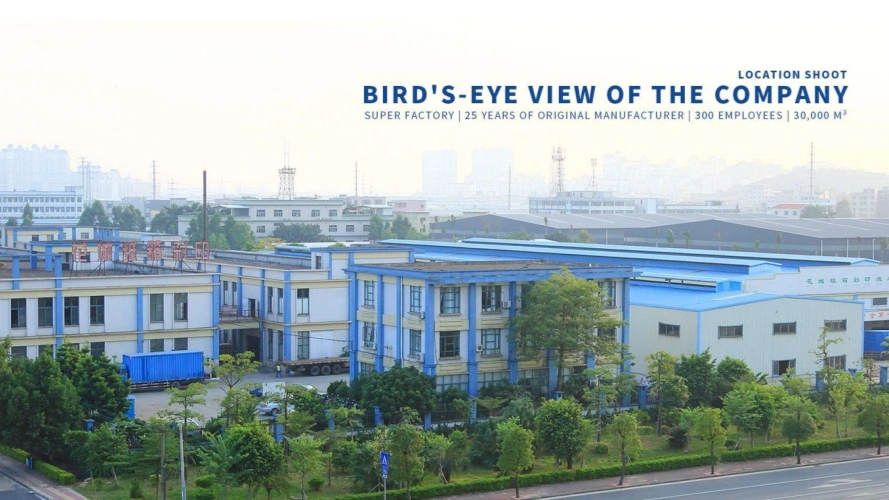
Supermarket buyers seeking reliable retail-ready packaging solutions can benefit from Fetching Printing's comprehensive expertise and advanced manufacturing capabilities. Our 25 years of industry experience, combined with ISO certifications and a dedicated R&D team of packaging engineers, ensures optimal solutions for diverse retail environments. We specialize in eco-friendly corrugated designs, custom graphics, and structural innovations that enhance shelf performance while reducing operational costs. As a trusted retail-ready packaging supplier, we deliver consistent quality, competitive pricing, and responsive customer service to support your procurement objectives. Contact our team at support@fetchingprinting.com to explore customized solutions that optimize your packaging strategy and drive retail success.
References
1. Smith, J. & Anderson, M. (2023). "Retail Packaging Efficiency: Measuring Labor Cost Reductions in Modern Supermarket Operations." Journal of Retail Operations Management, 15(3), 45-62.
2. Thompson, R. (2024). "Sustainable Packaging Solutions: Environmental Impact Assessment of Retail-Ready Packaging Systems." Packaging Technology Review, 28(2), 112-128.
3. Davis, L., Wilson, K. & Brown, S. (2023). "Consumer Behavior Analysis: The Impact of Package Presentation on Purchase Decisions in Supermarket Environments." Consumer Research Quarterly, 19(4), 78-95.
4. Martinez, C. (2024). "Supply Chain Optimization Through Advanced Packaging Solutions: A Comprehensive Analysis." Industrial Packaging Studies, 31(1), 23-41.
5. Johnson, P. & Lee, H. (2023). "Procurement Best Practices for Retail-Ready Packaging: Strategies for Cost Optimization and Quality Management." Procurement Management Review, 22(3), 156-174.
6. Green, T., Taylor, A. & Clark, D. (2024). "Innovative Packaging Design: Balancing Functionality and Environmental Responsibility in Retail Applications." Design and Manufacturing Perspectives, 17(2), 89-106.